Lunar Meteorites

Lunar Meteorites – Scientific Reference and Lunar Samples | meteorites.tv

Lunar meteorites are fragments of the Moon that were ejected into space by impact events and later fell to Earth as meteorites. They represent the only direct samples of the lunar surface available outside of material returned by space missions, making them of exceptional scientific and historical importance.

These meteorites originate from a wide range of lunar geological settings, including the ancient highlands, mare basalt regions, and impact-generated breccias formed by repeated bombardment over billions of years. Their mineralogical and chemical compositions closely match those of samples returned by the Apollo and Luna missions, confirming their lunar origin and enabling direct comparison with orbital and in situ data.

Unlike witnessed falls, most lunar meteorites are finds, primarily recovered in desert environments where preservation conditions limit terrestrial alteration. Each specimen typically represents a unique fragment of the Moon’s crust or regolith, often sampling regions that have never been directly explored by space missions. As a result, lunar meteorites play a crucial role in reconstructing the geological evolution of the Moon beyond the limited landing sites of human exploration.

Lunar meteorites provide key insights into impact processes, crustal differentiation, regolith formation, and the thermal history of the Moon. Brecciated specimens frequently preserve complex histories, recording multiple impact events and long-term surface reworking. In this sense, each lunar meteorite is both a geological archive and a tangible remnant of lunar deep time.

Field discoveries and contribution to lunar science

Beyond their scientific significance, lunar meteorites also reflect the rare convergence of field expertise, careful observation, and analytical confirmation. Over the course of my work as a meteorite hunter, I have had the opportunity to discover more than fifteen lunar meteorites, corresponding to five distinct lunar falls or finds. Each of these discoveries has contributed, directly or indirectly, to the scientific study and classification of lunar materials.

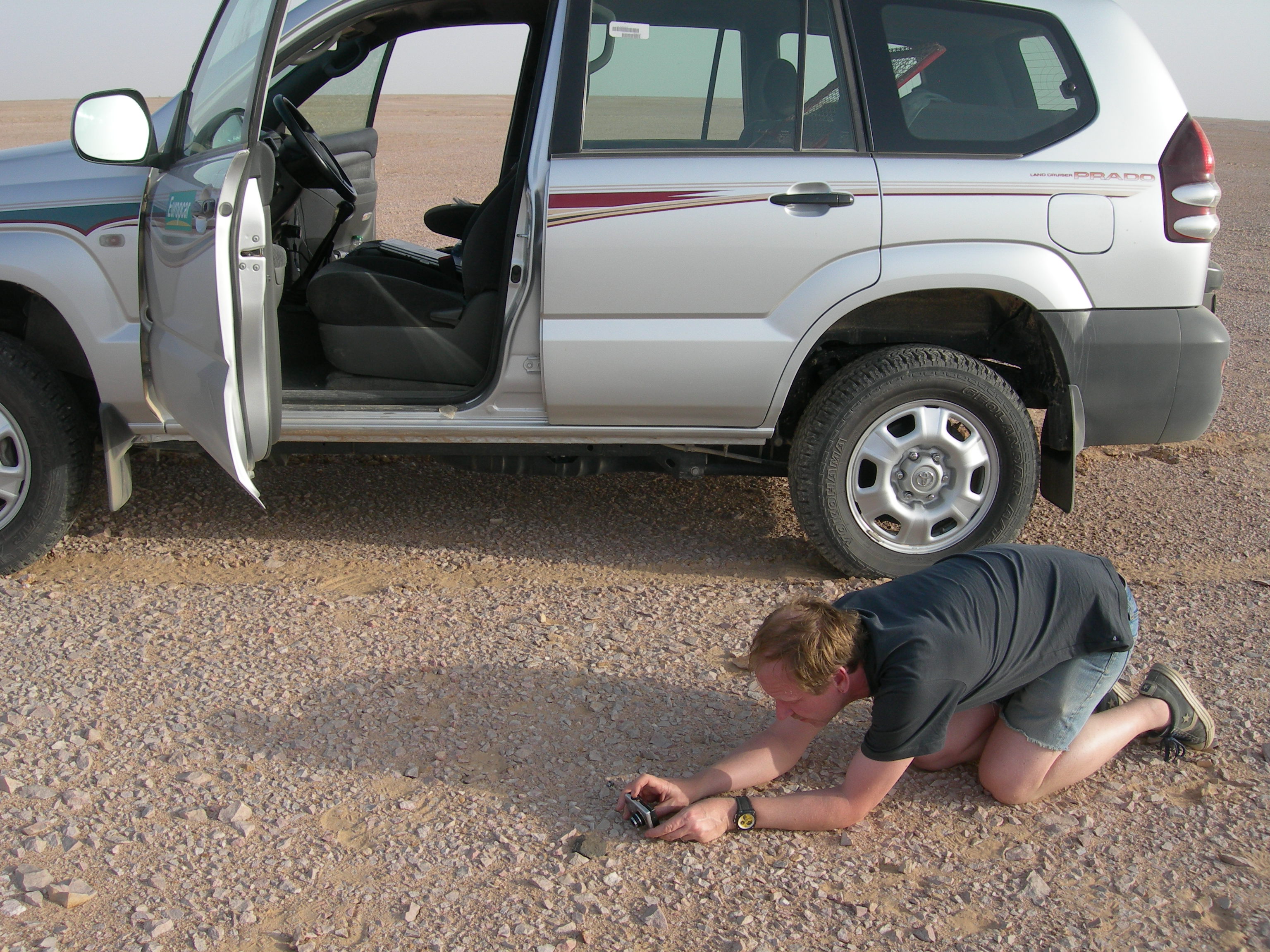
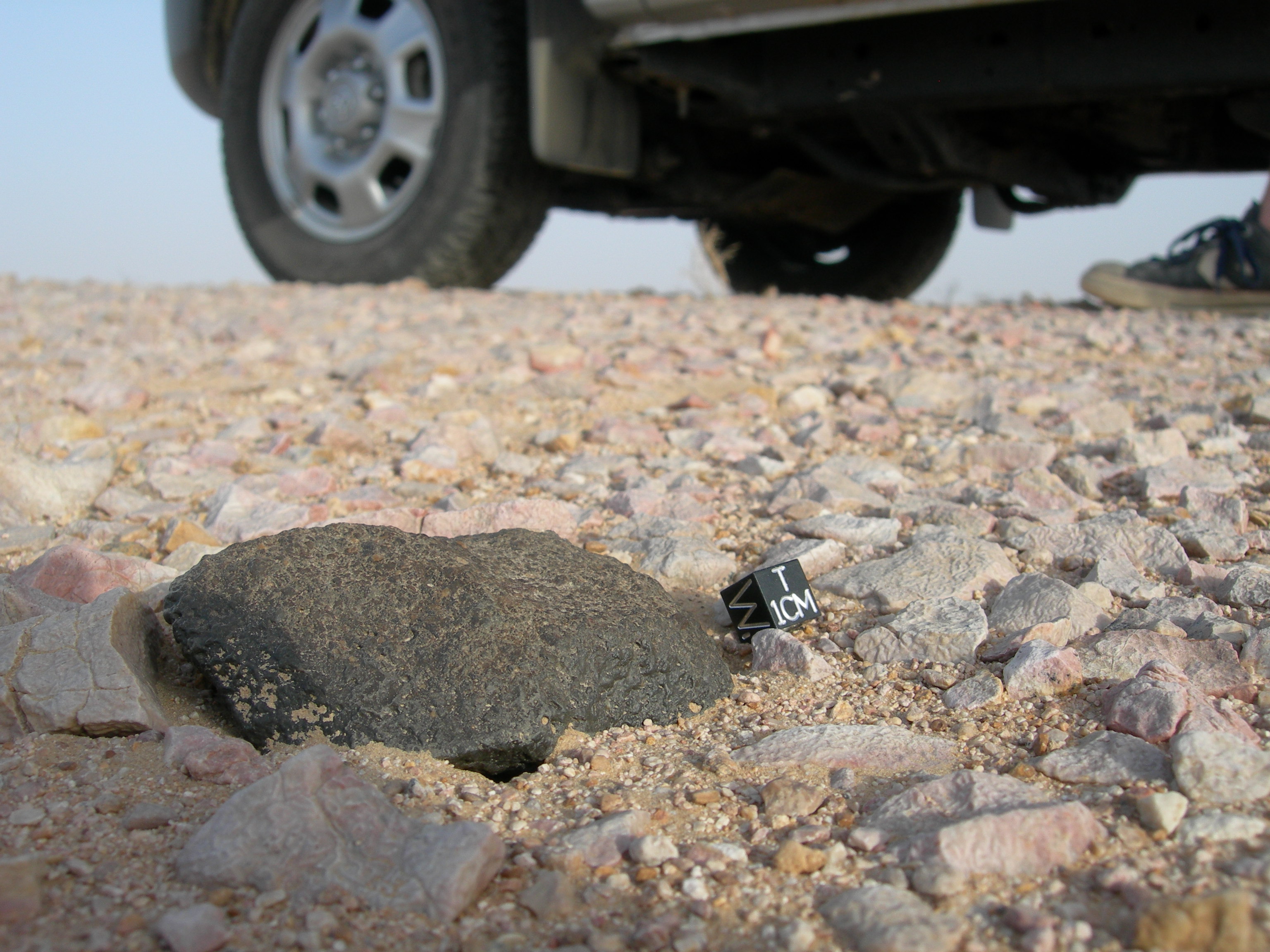
One particularly illustrative moment is documented in a field video recorded during the discovery of the lunar meteorite Dhofar 1528. Filmed live by my brother Jim, this recording captures the moment when close inspection under a hand lens revealed diagnostic features strongly suggesting a lunar origin — a hypothesis later confirmed through laboratory analyses. This footage offers a rare and authentic insight into the discovery process of a lunar meteorite, from first observation in the field to subsequent scientific validation.

▶️ Field discovery video: Dhofar 1528 (YouTube)
https://youtu.be/4bWhduM2sbk

This combination of field experience, documentation, and collaboration with scientific institutions underscores the essential role that responsible private discovery and stewardship can play in advancing planetary science. The lunar meteorites presented here are selected not only for their intrinsic scientific value, but also for their provenance, documentation, and relevance within the broader context of lunar research.

Product added to wishlist
Product added to compare.