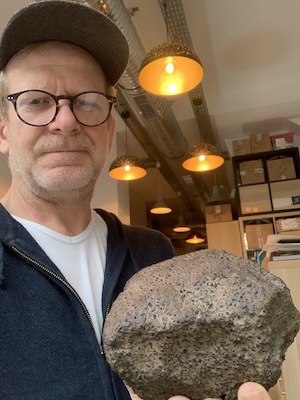
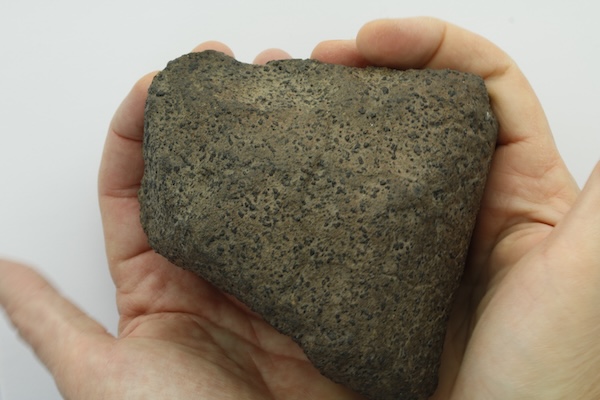
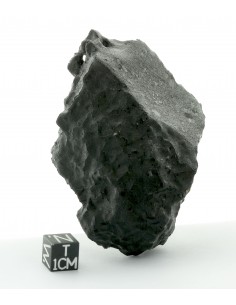
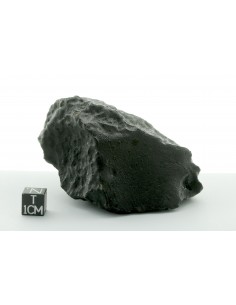
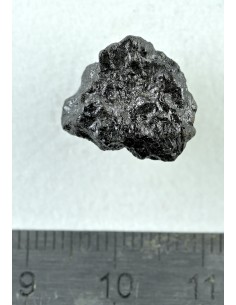
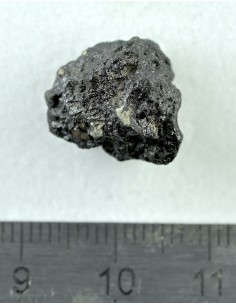
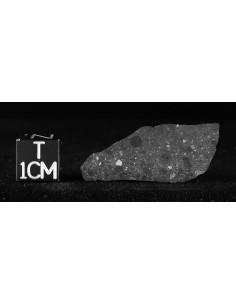
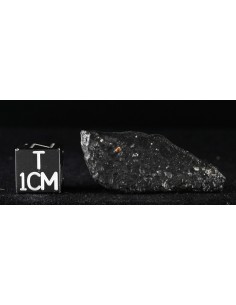
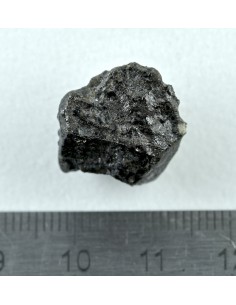
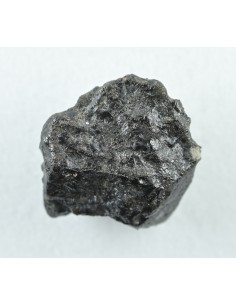
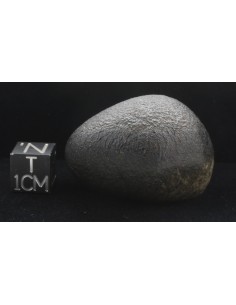
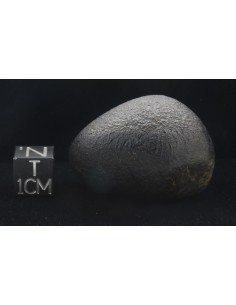
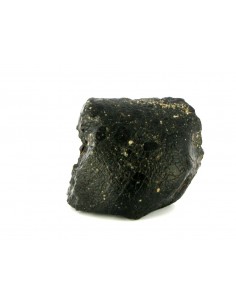
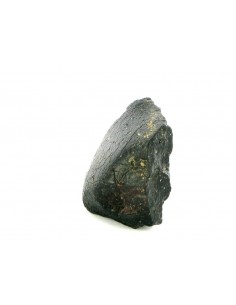
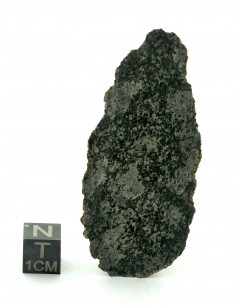
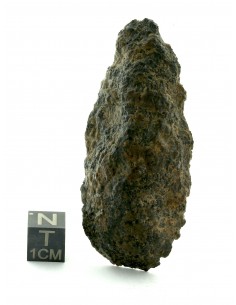
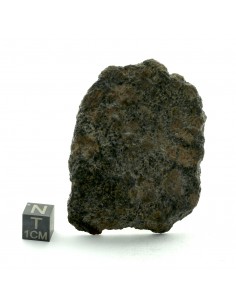
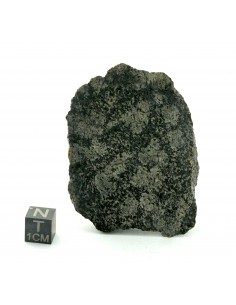
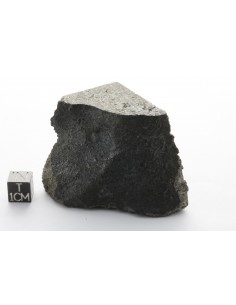
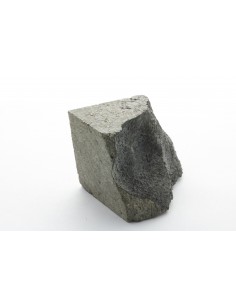
These two photos show the same Martian meteorite (NWA 14017), weighing 1667 g, held in my own hands to illustrate its scale. These Martian meteorites offer direct access to the geology of Mars, preserving igneous textures and planetary processes otherwise accessible only through space missions. @ Luc Labenne
Martian meteorites For Sale
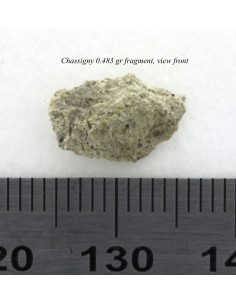
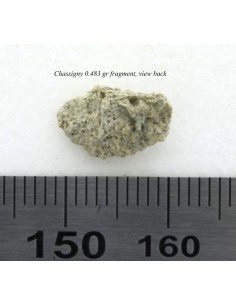
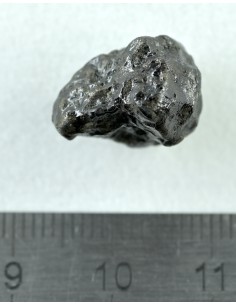
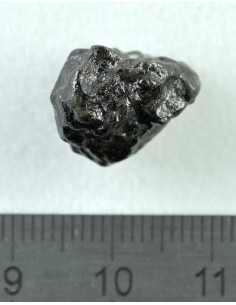
Martian meteorites are rare rocks from Mars, ejected into space by major impact events and later recovered on Earth. Their origin is confirmed by mineralogical, chemical, and isotopic signatures consistent with data from Mars missions. Sought after by advanced collectors, museums, and research institutions, they represent some of the most significant planetary materials available on Earth.