Shopping Cart
There are no more meteorites in your cart
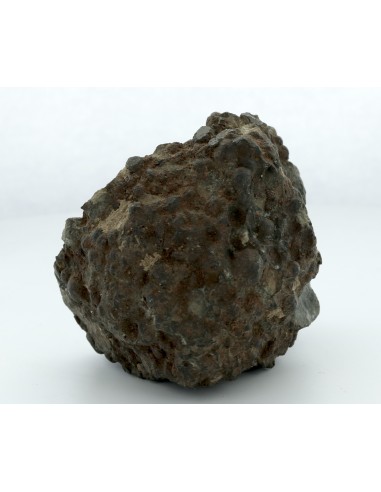
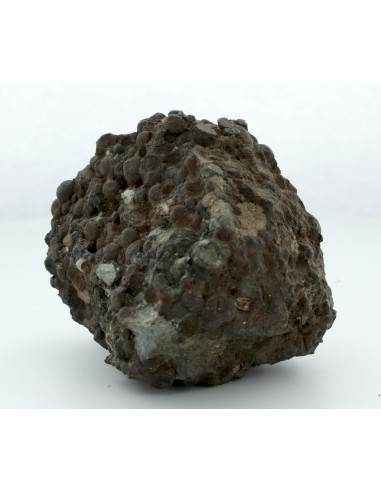
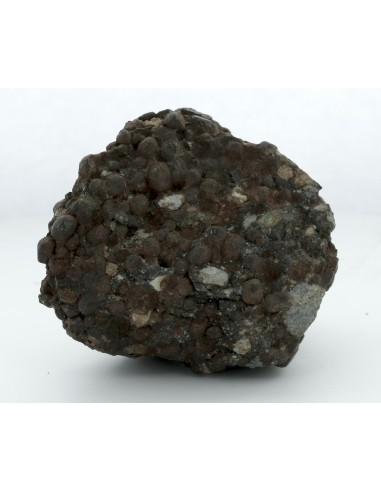
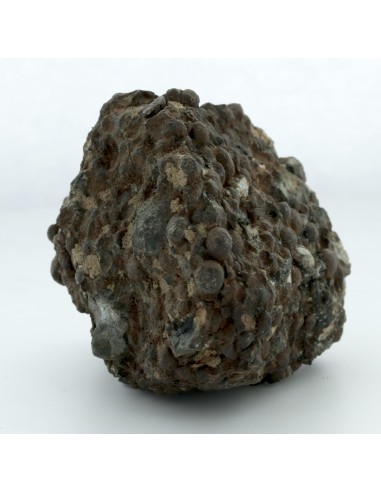
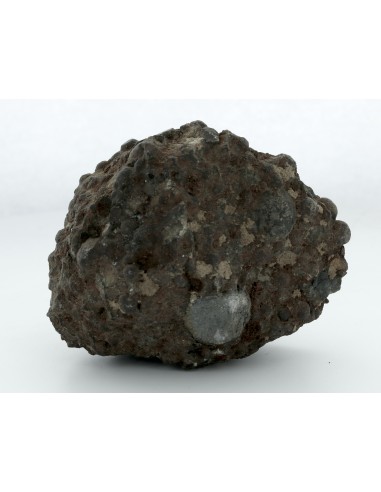
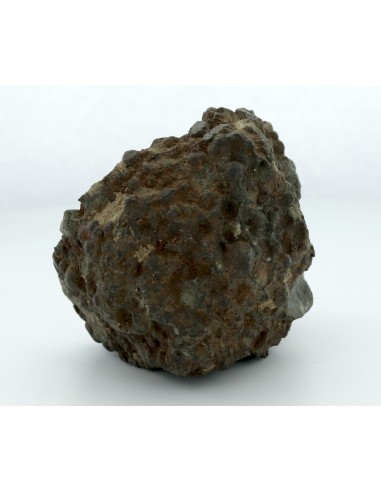
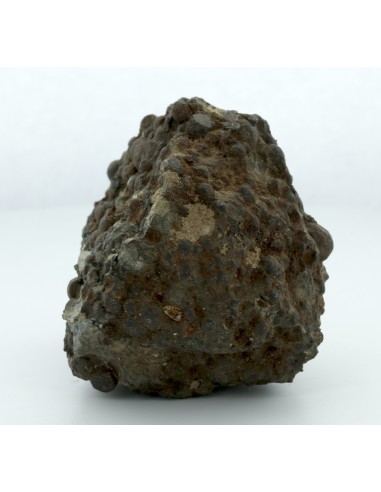
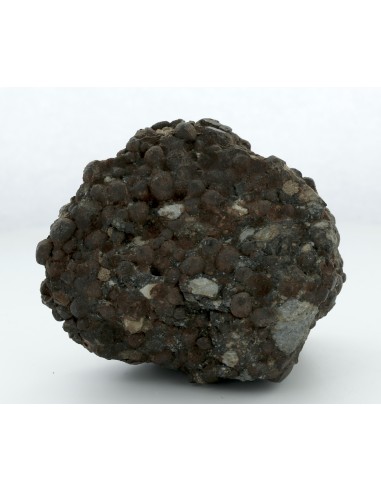
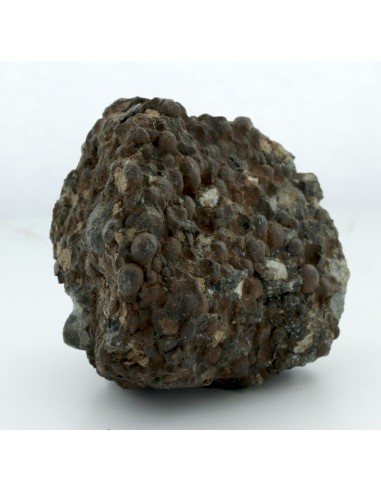
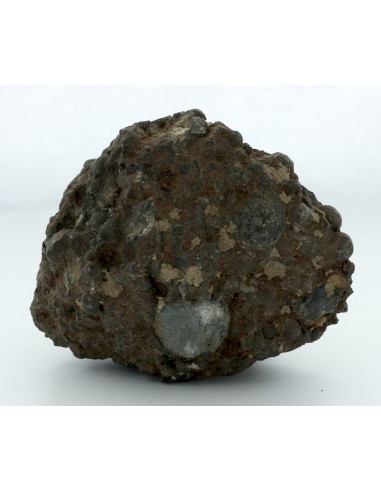
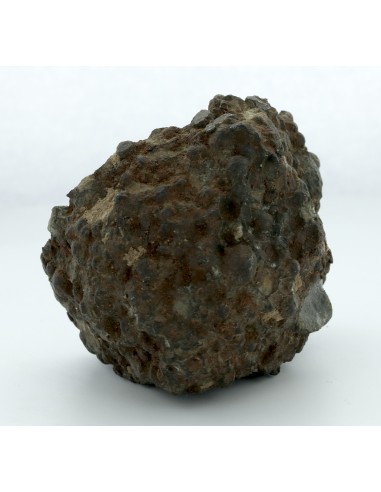
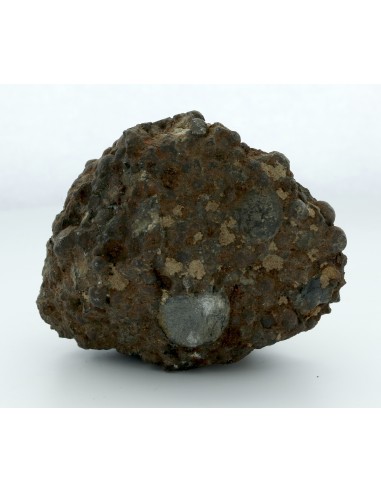
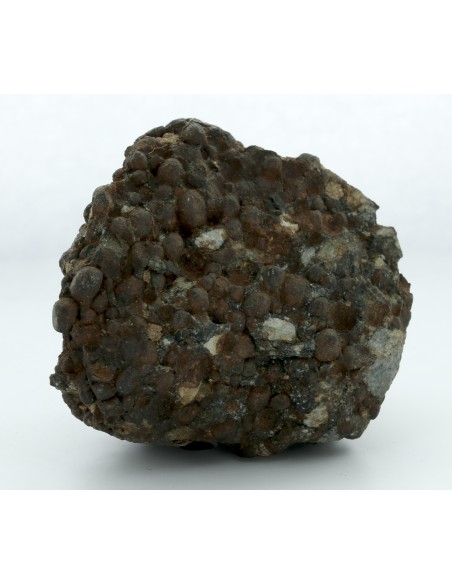
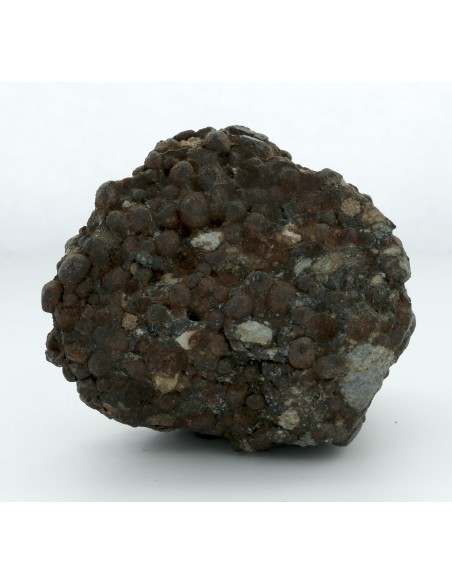
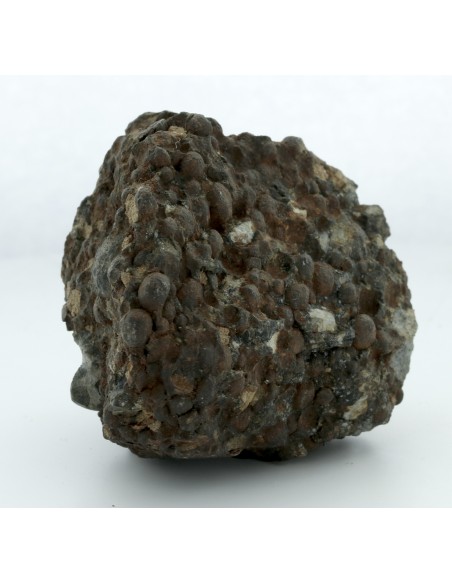
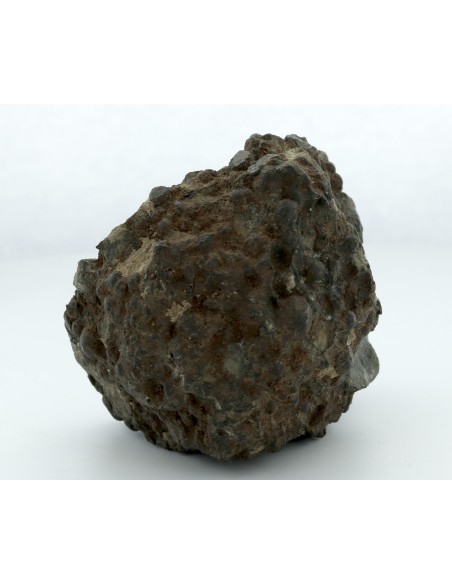
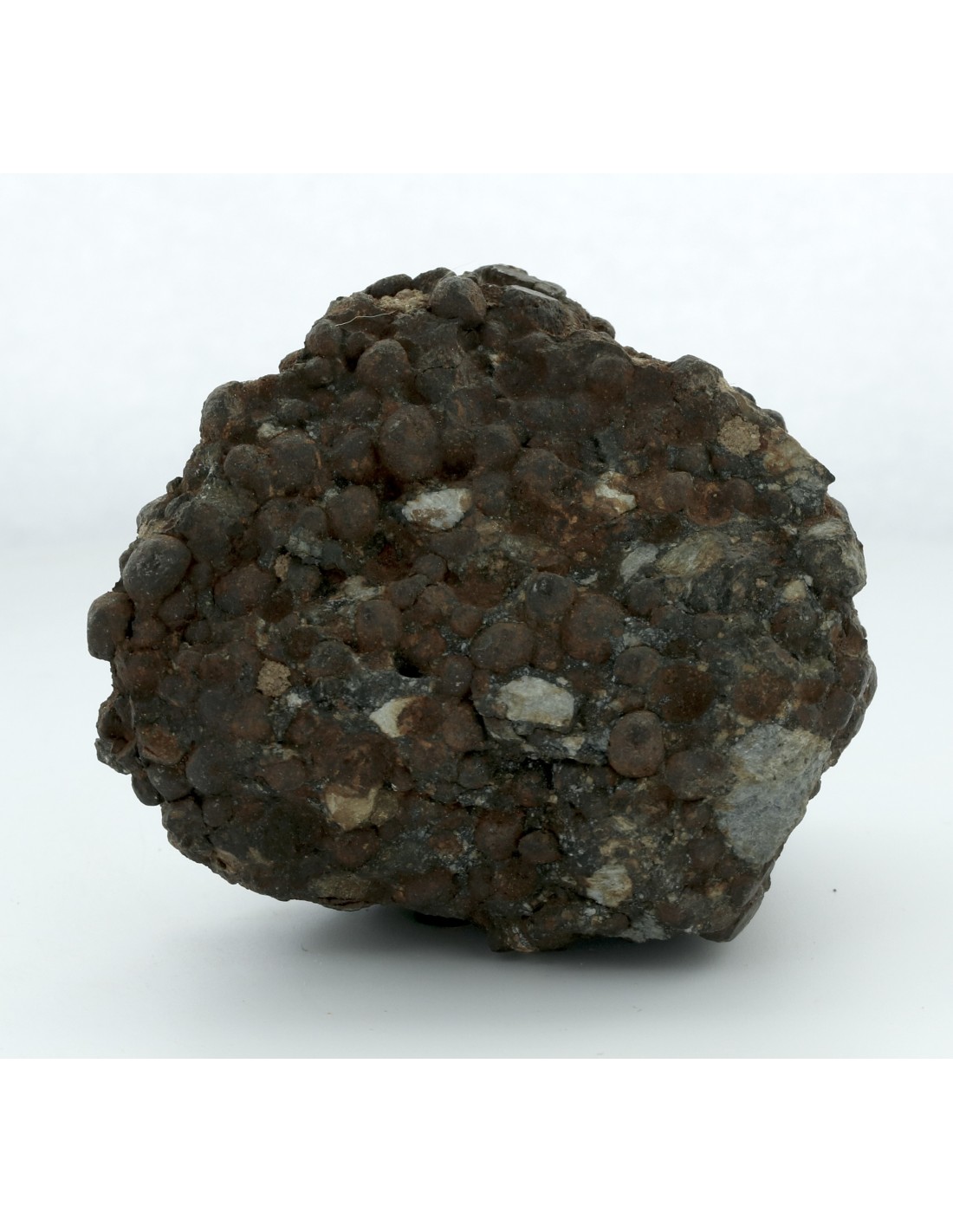
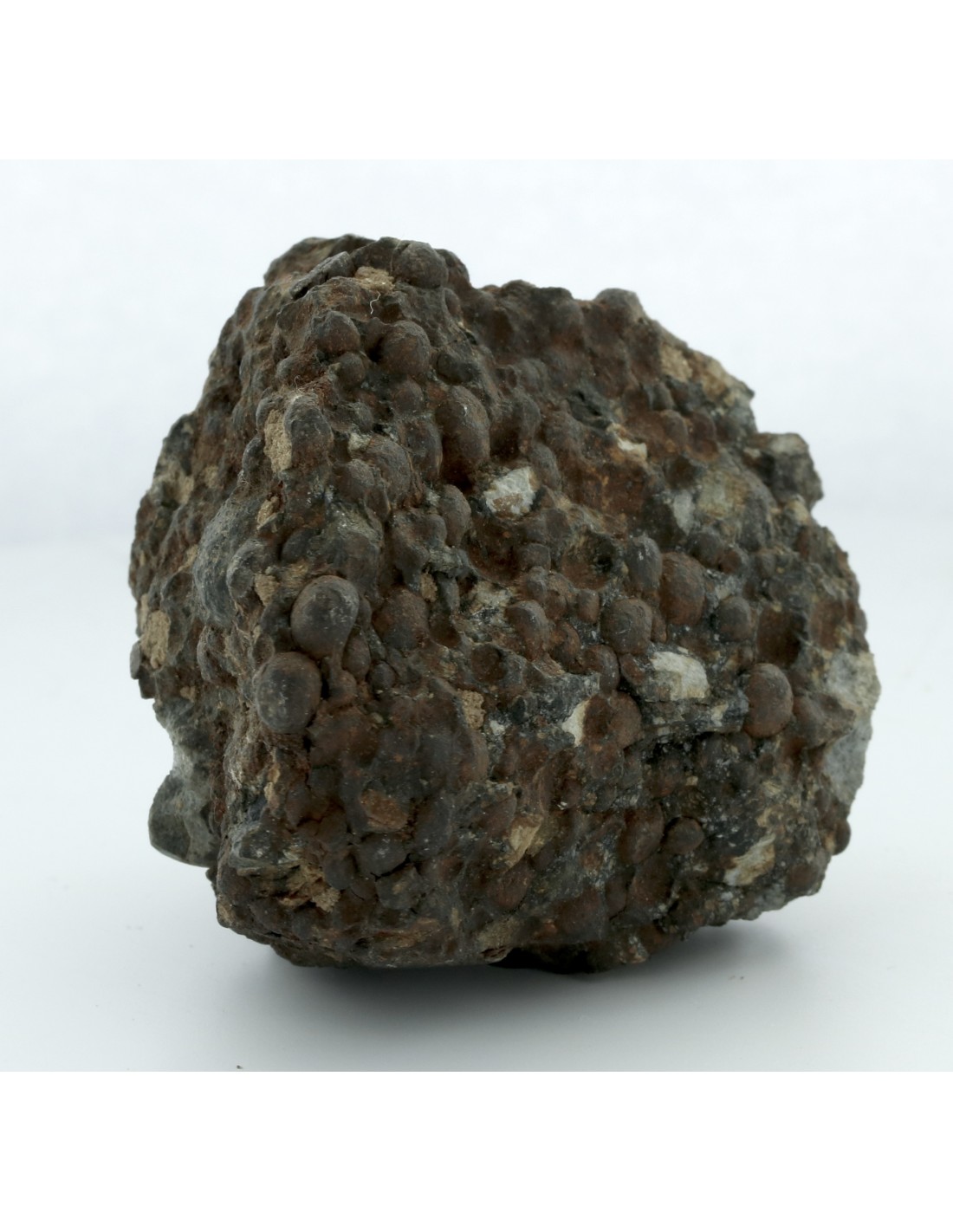
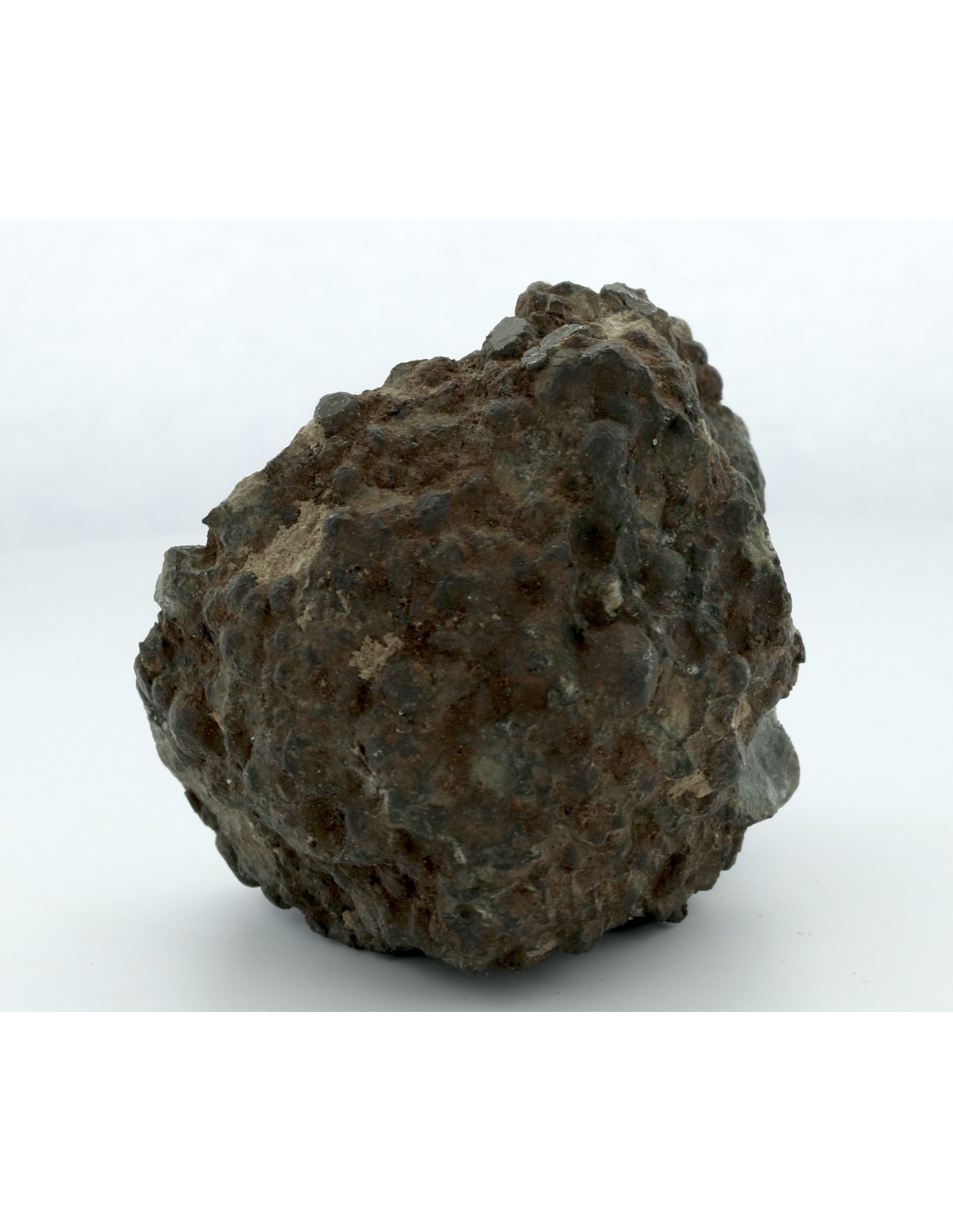
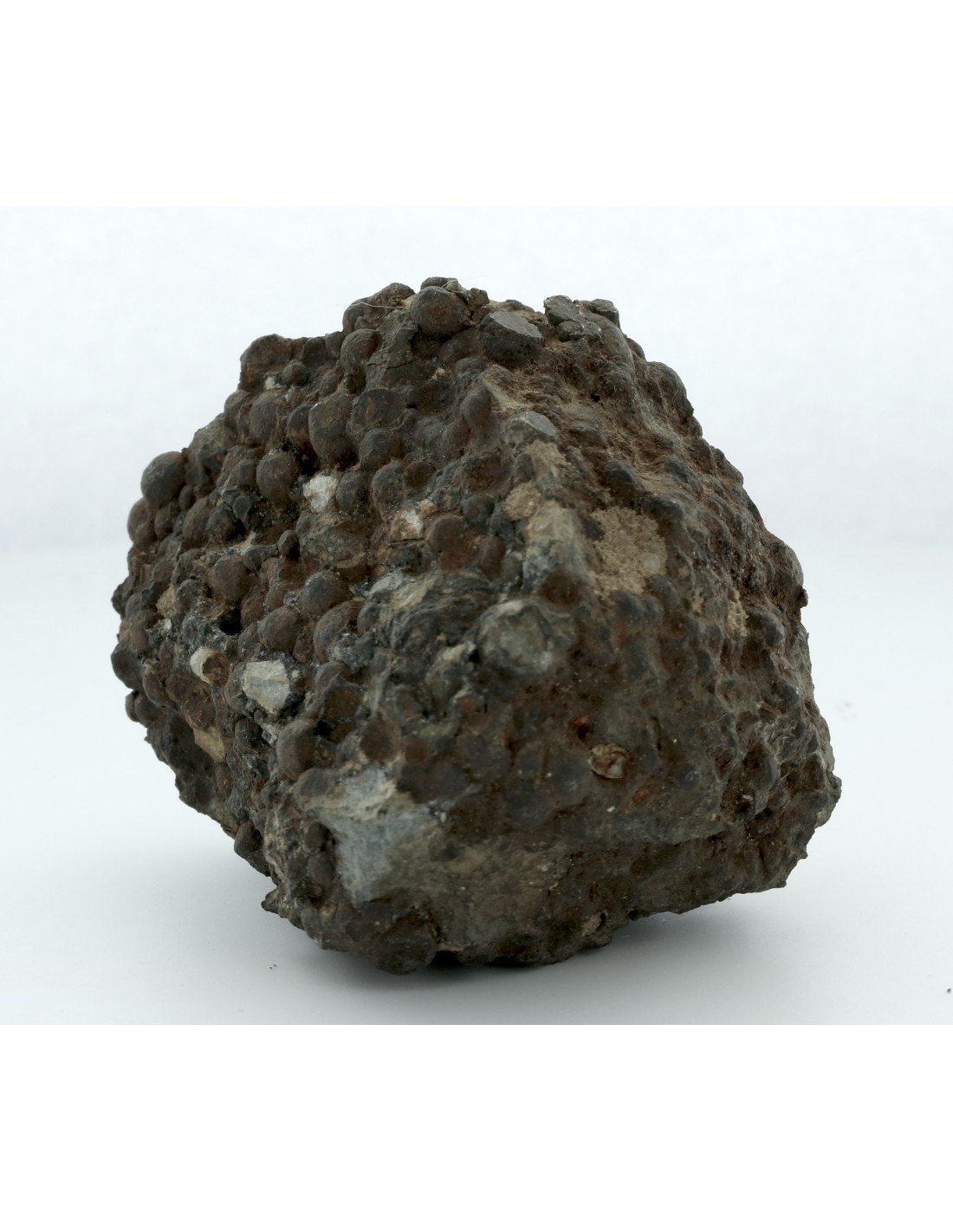
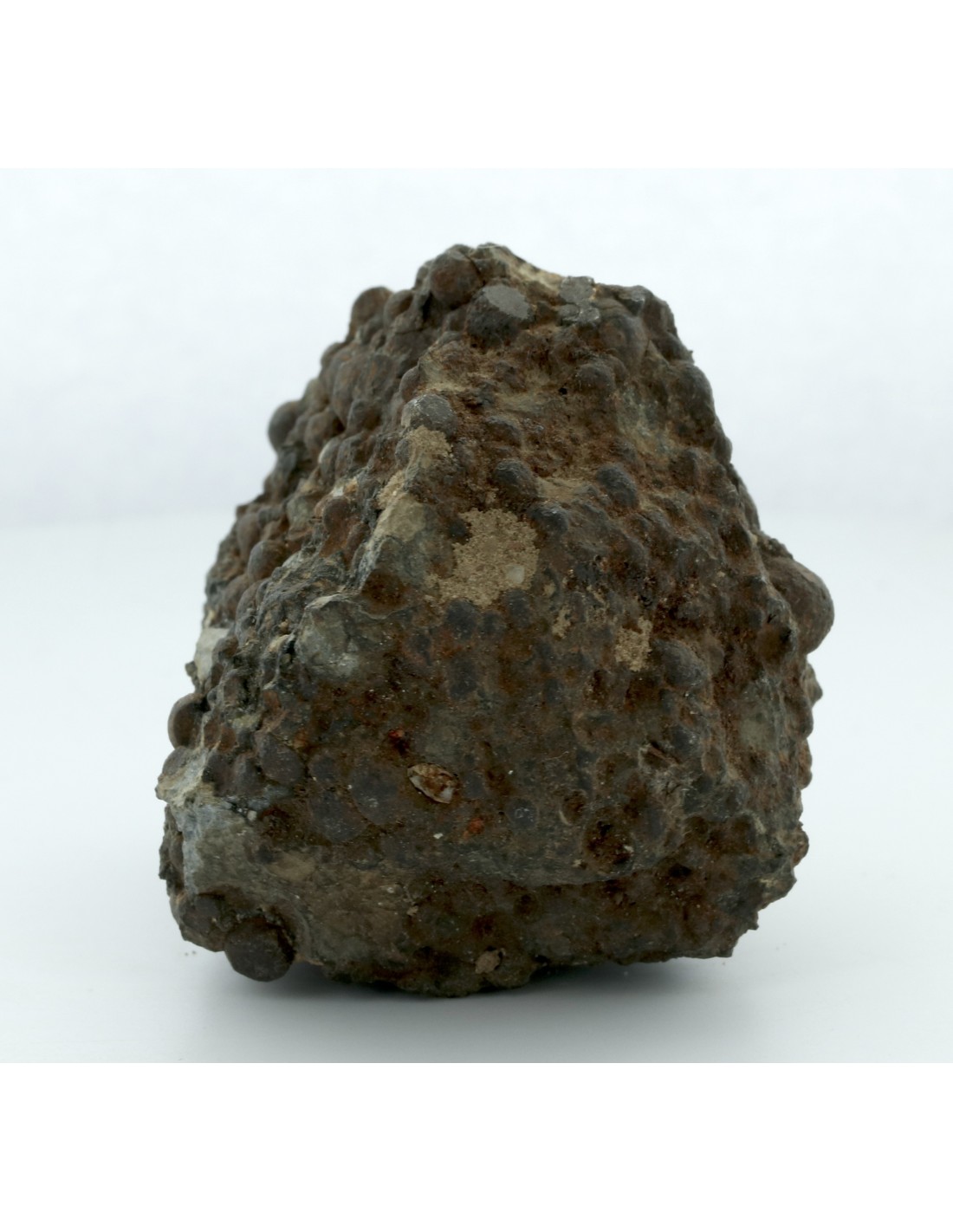
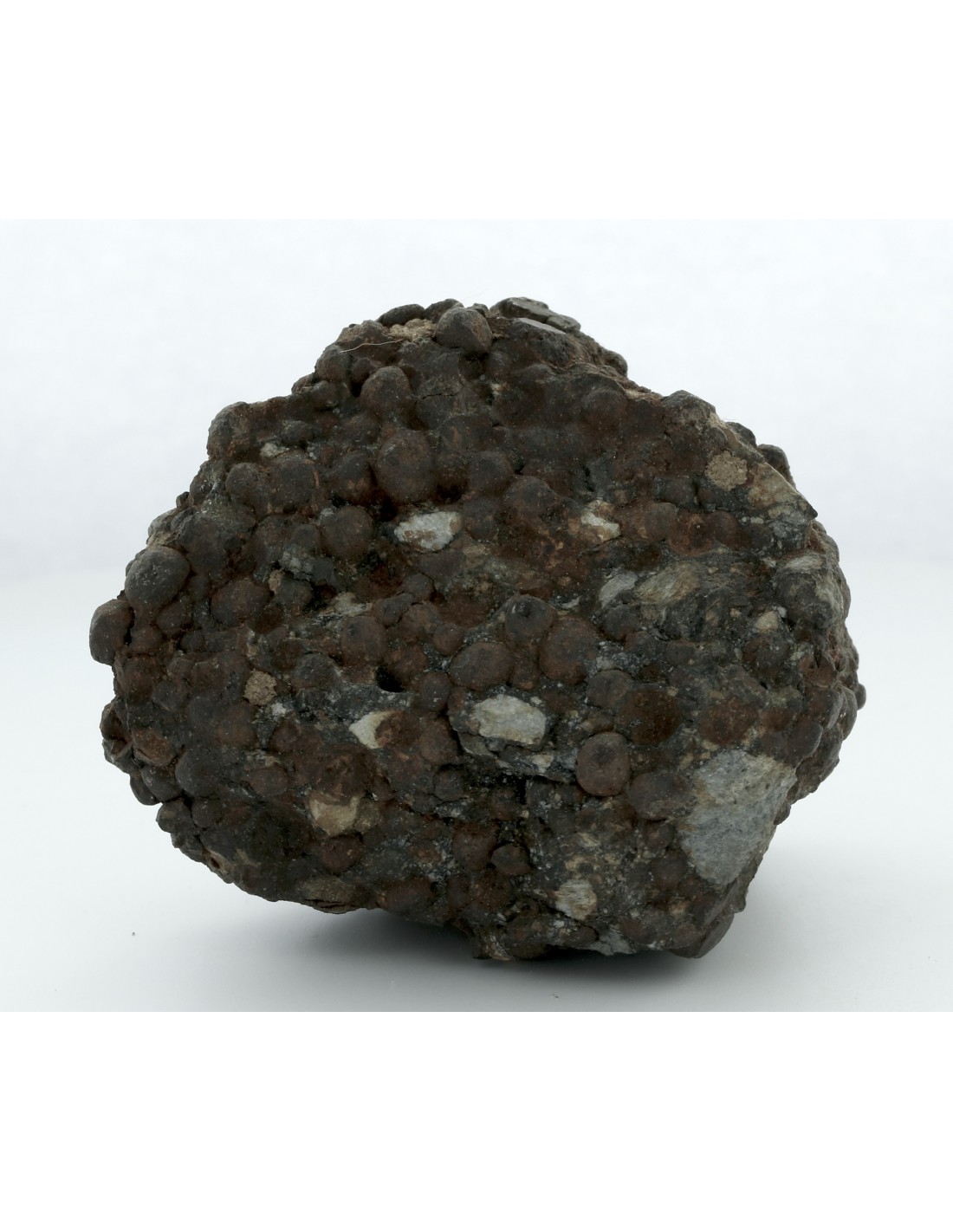
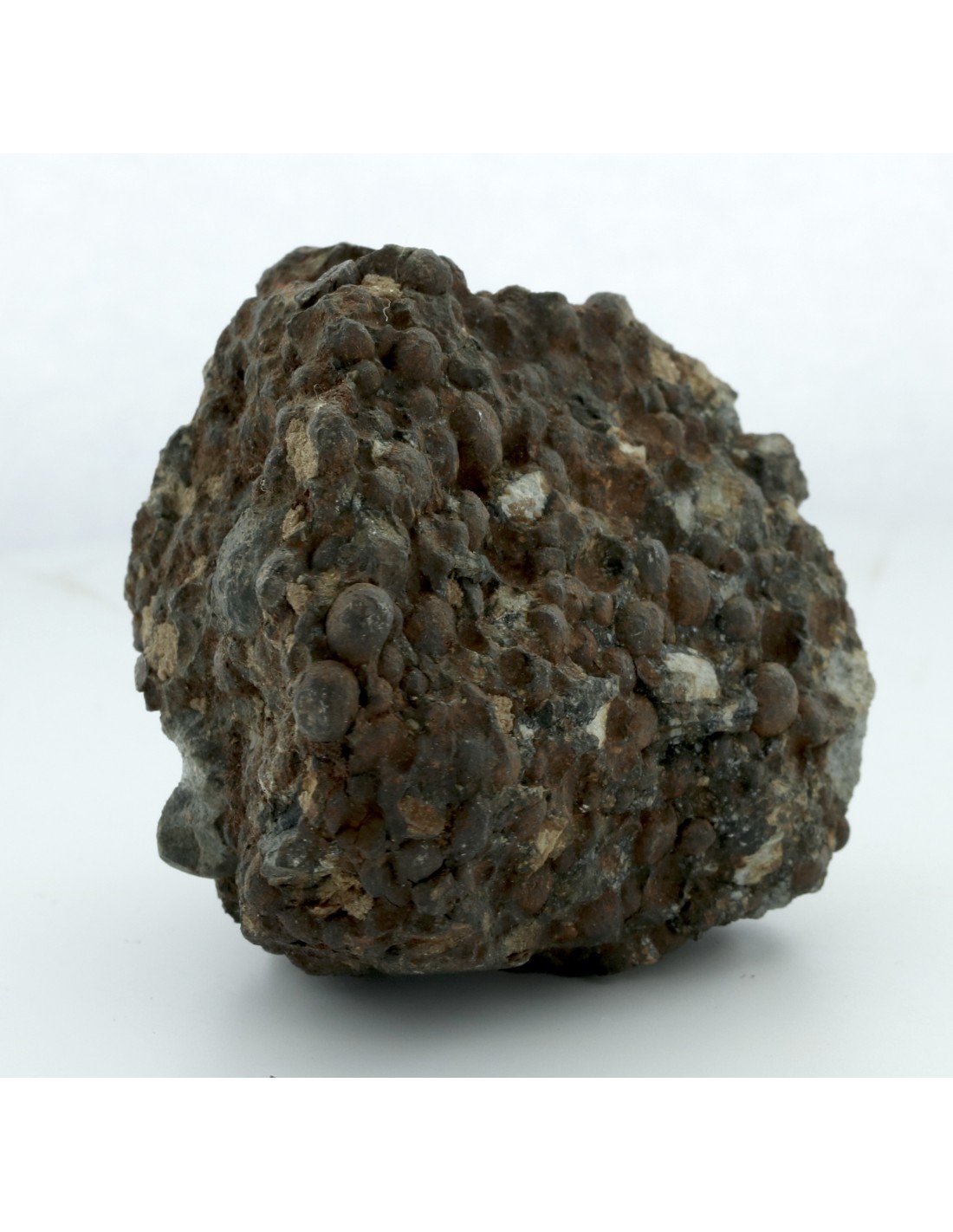
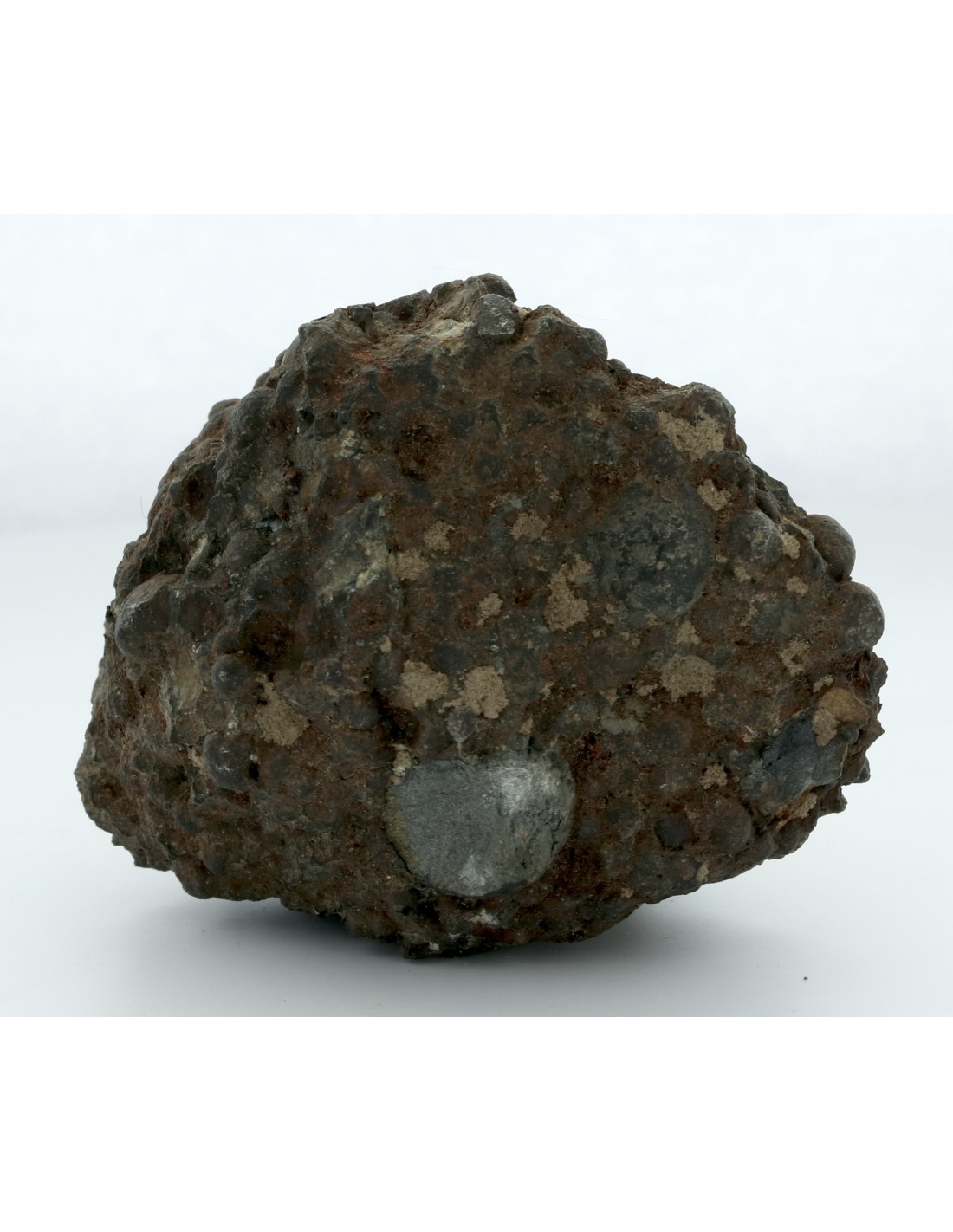
Gujba CB Carbonaceous Chondrite – Complete Individual 359 g
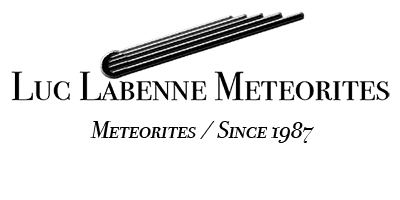
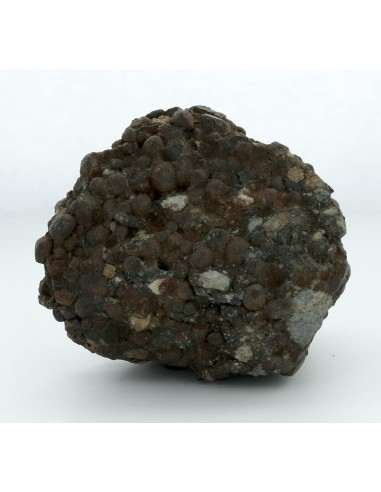
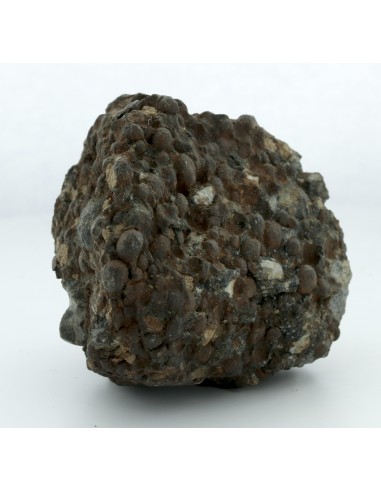
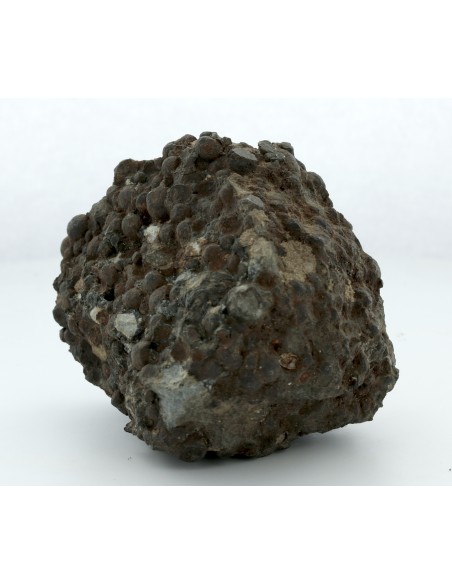
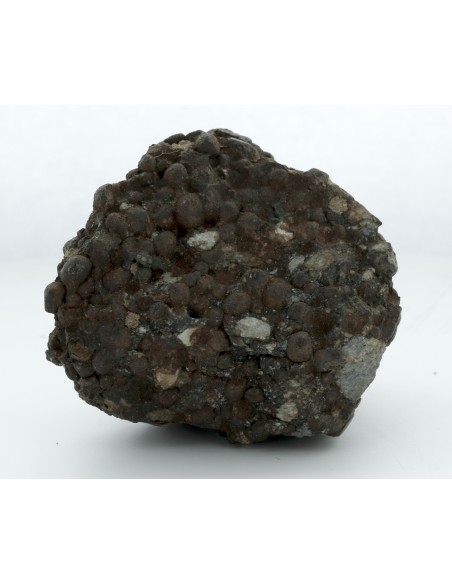
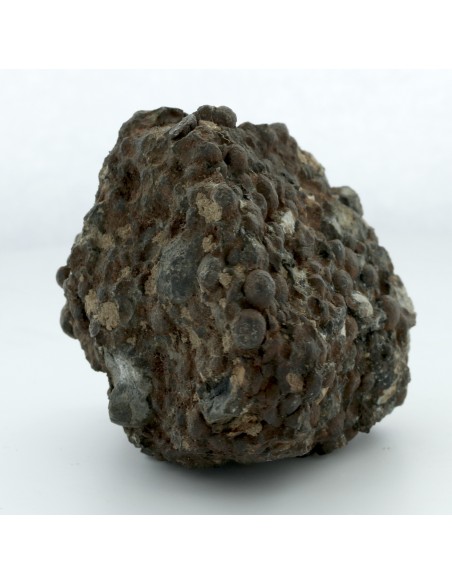
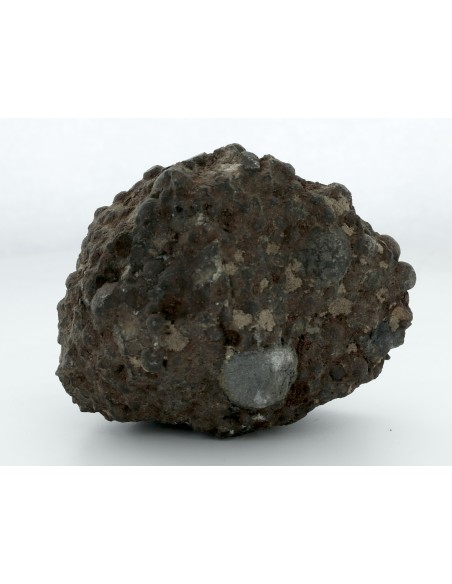
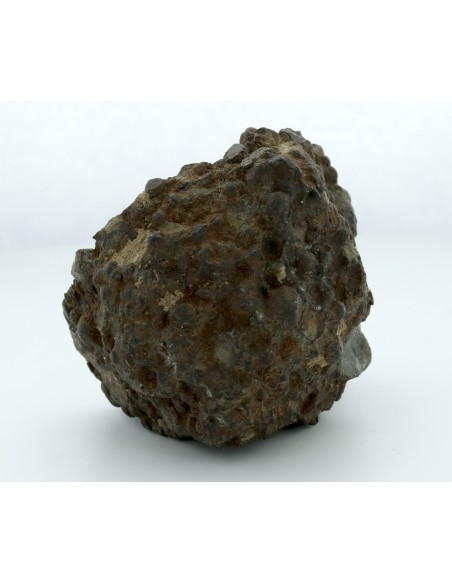
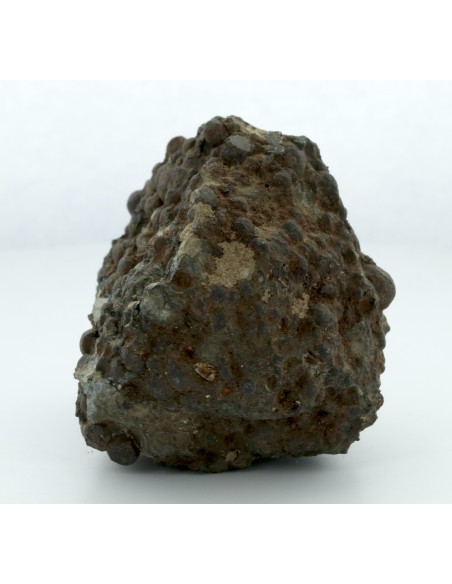
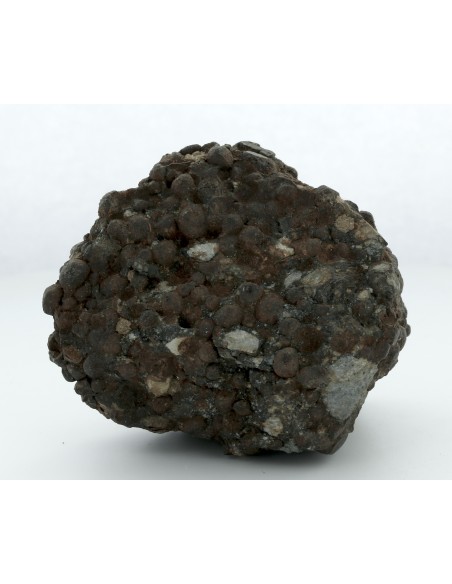
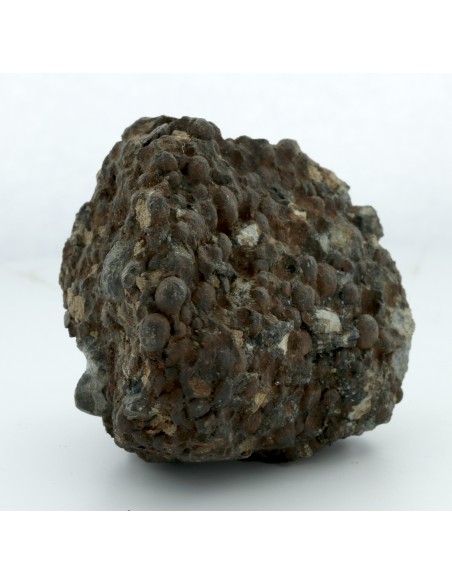
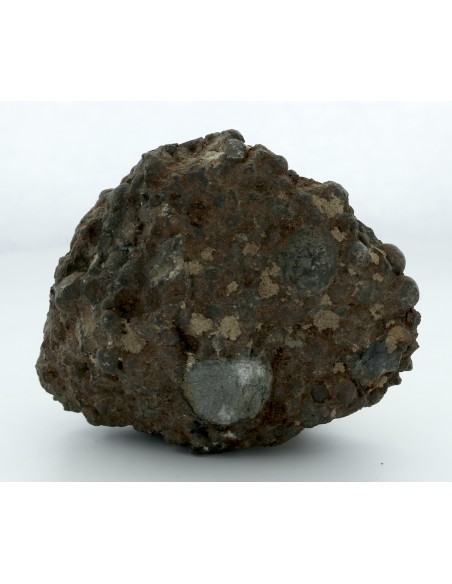
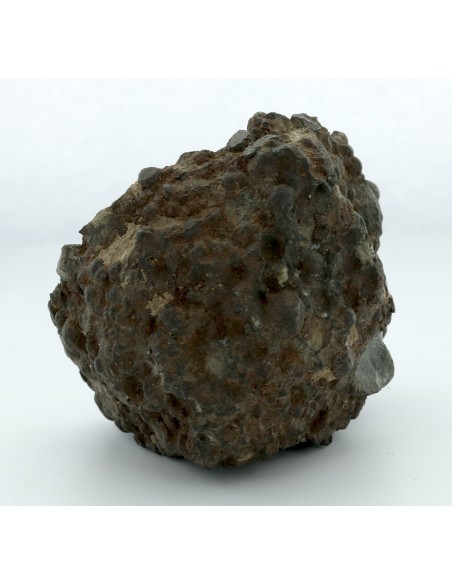
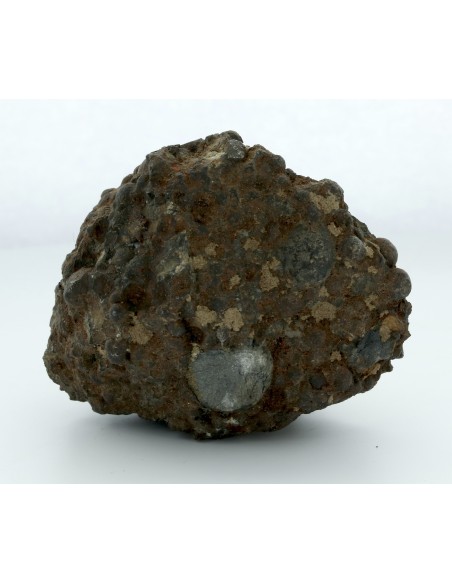
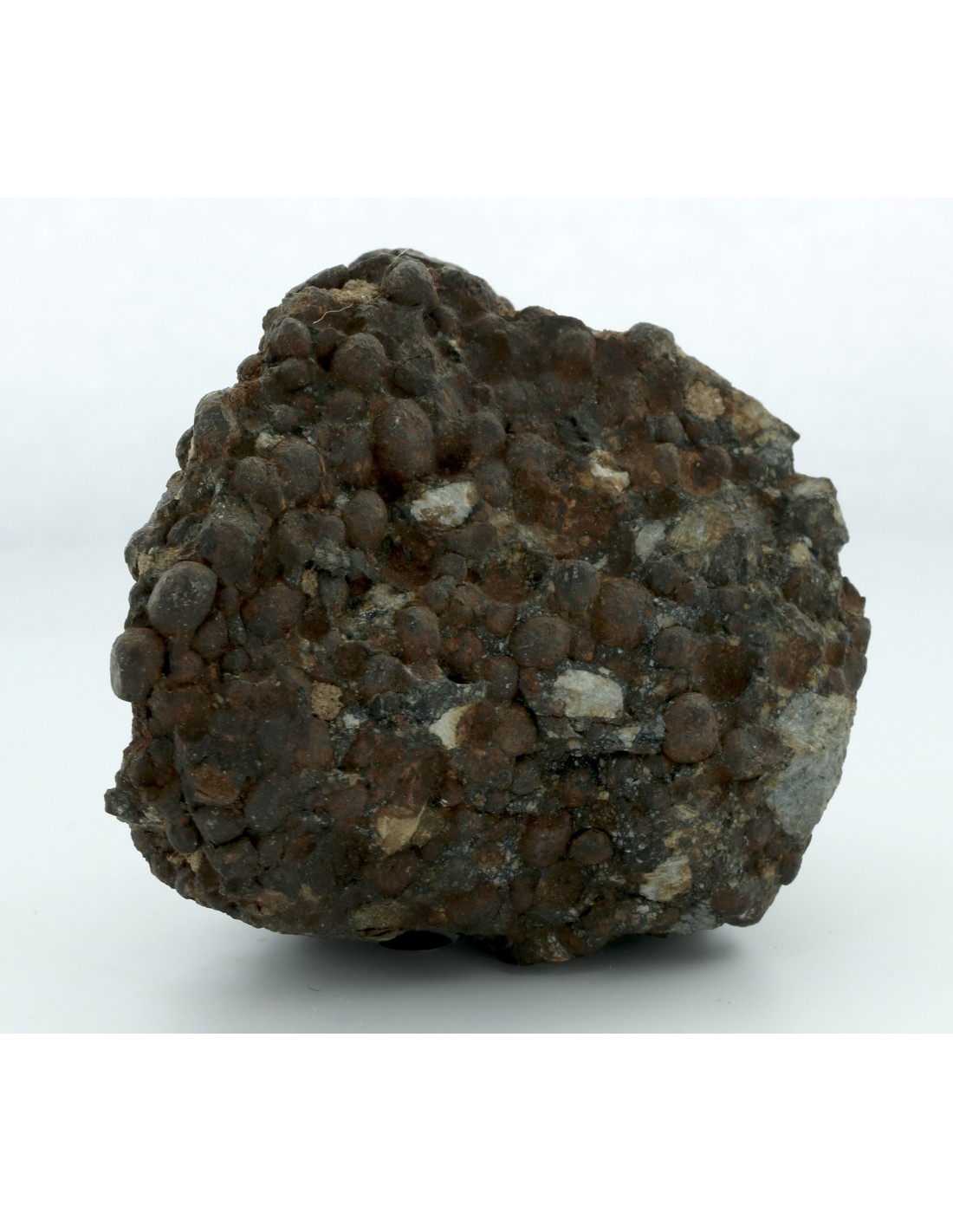
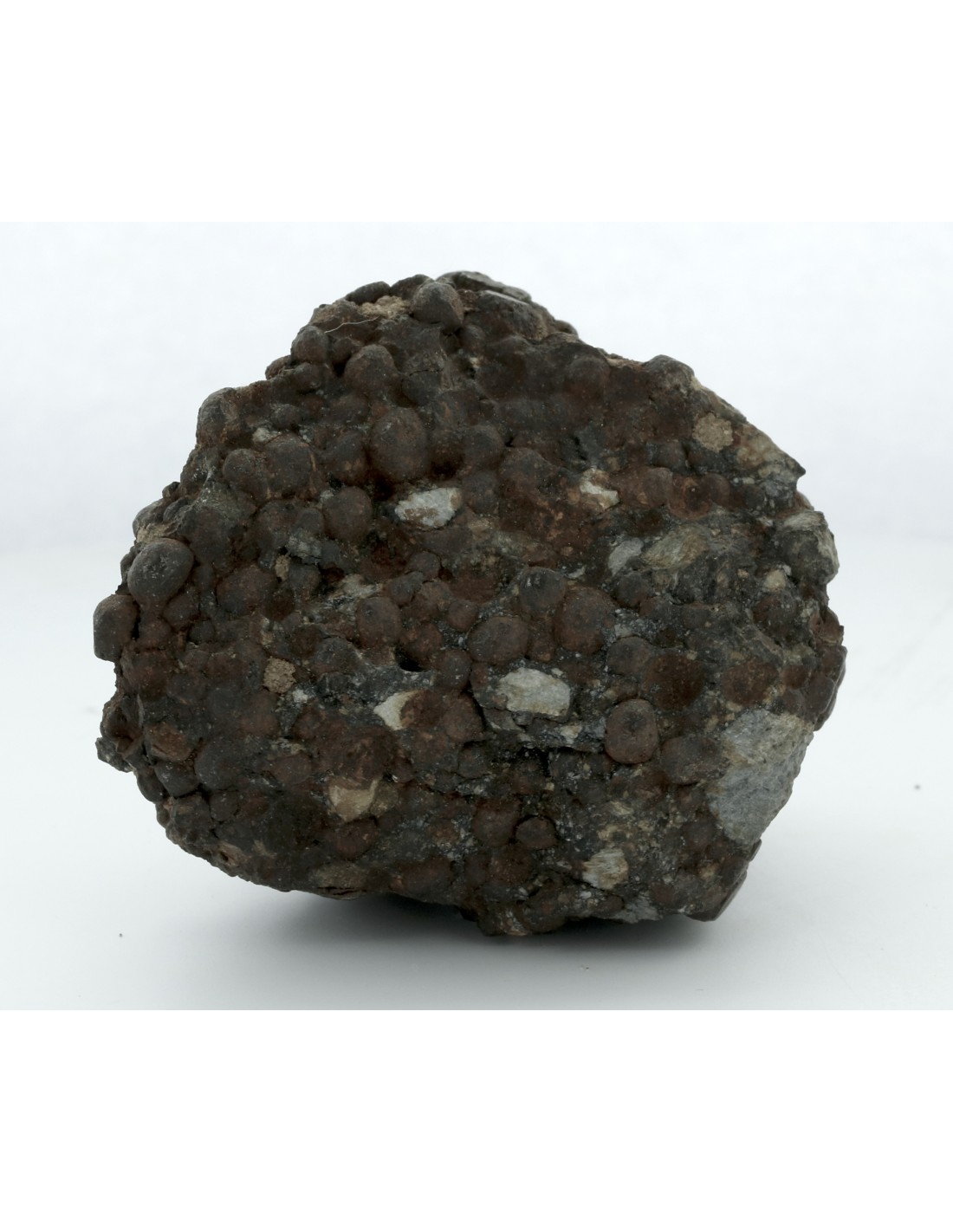
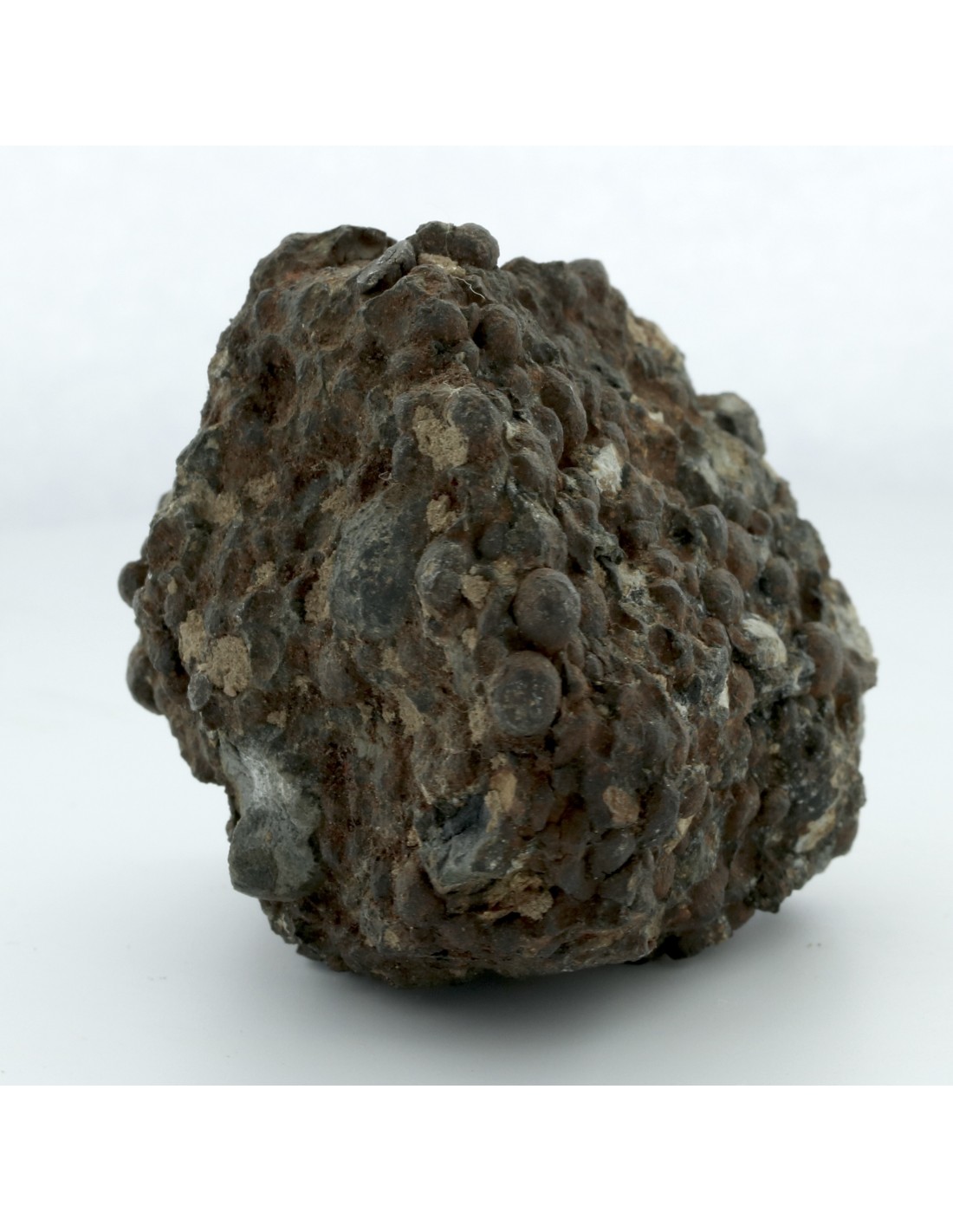
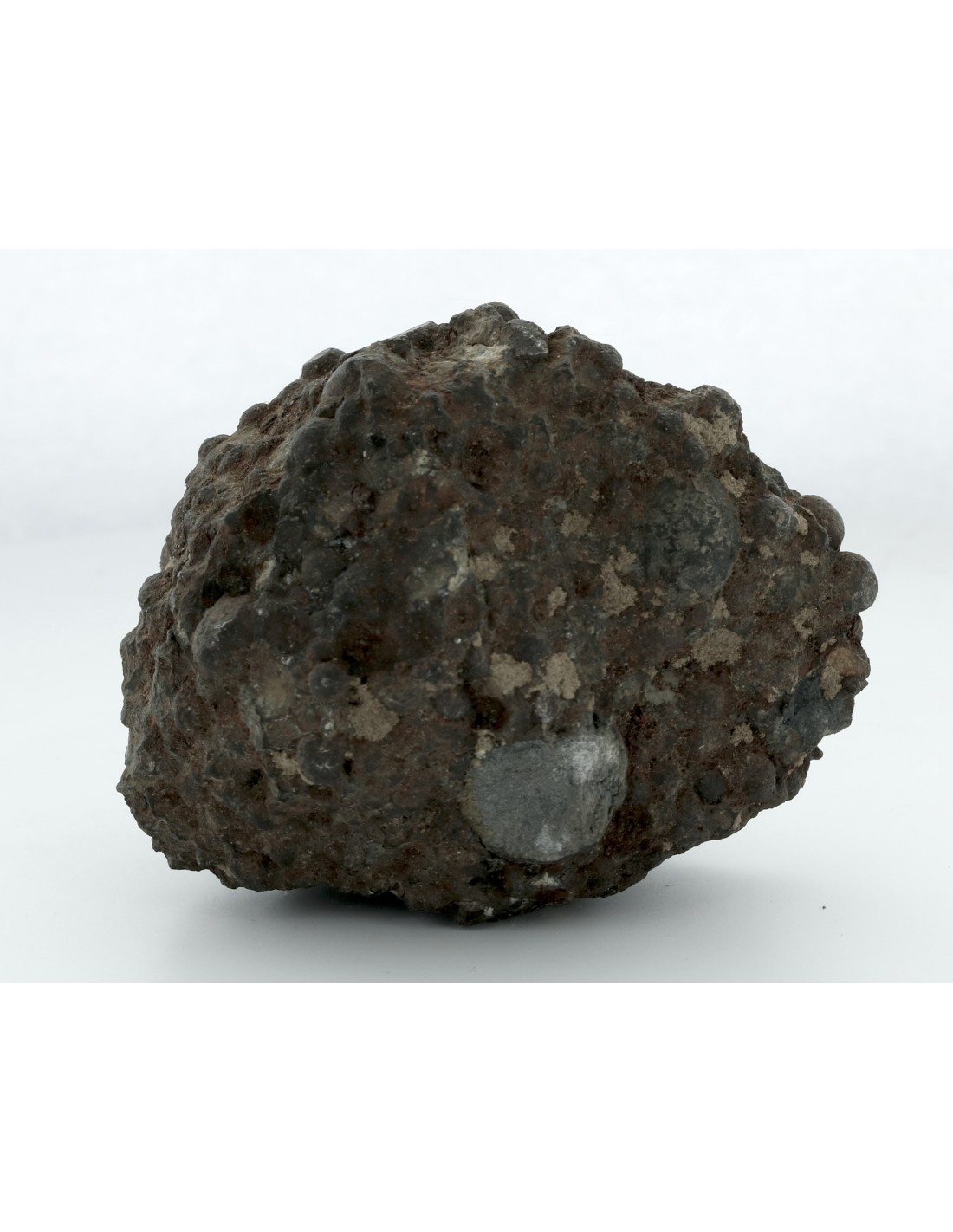
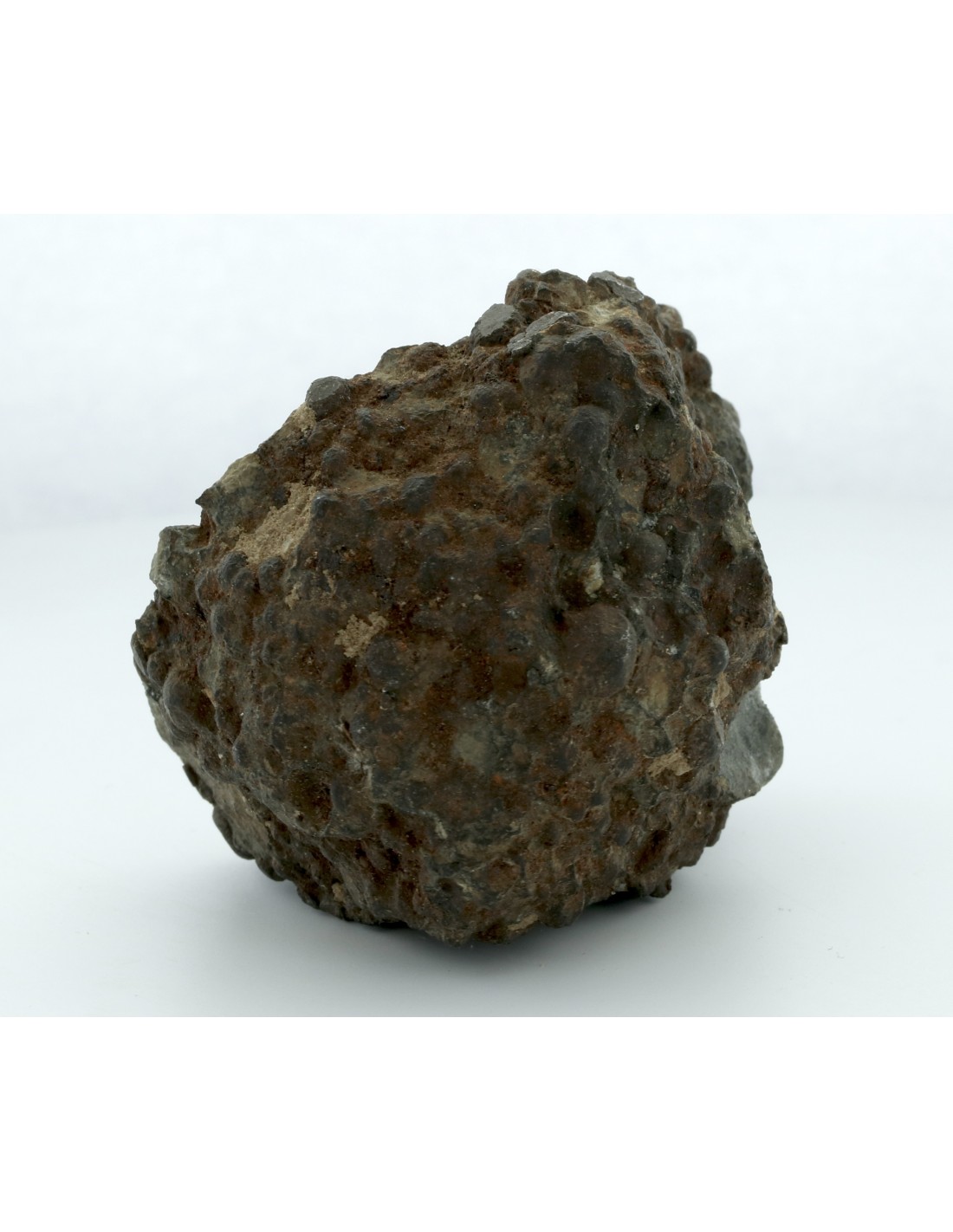
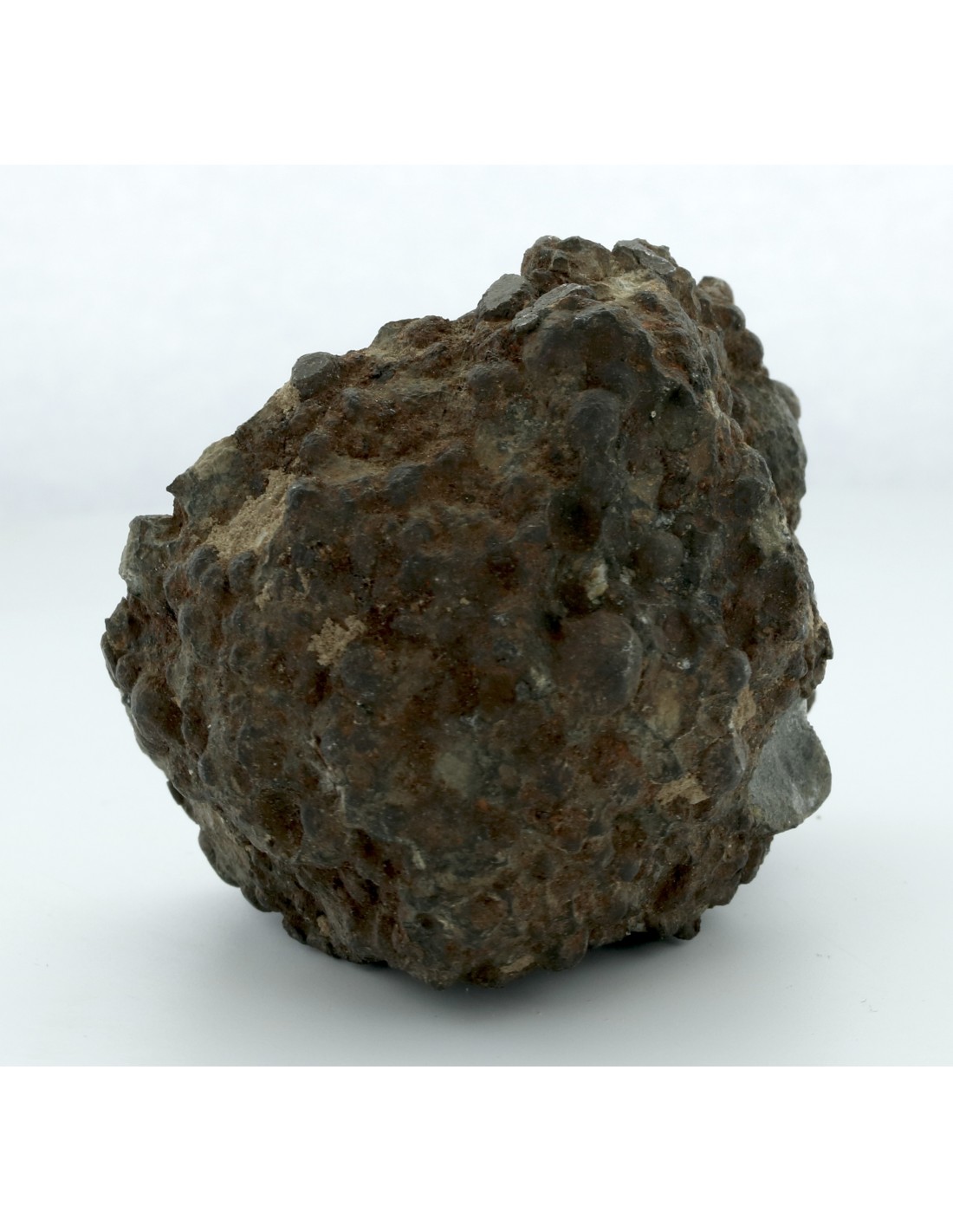
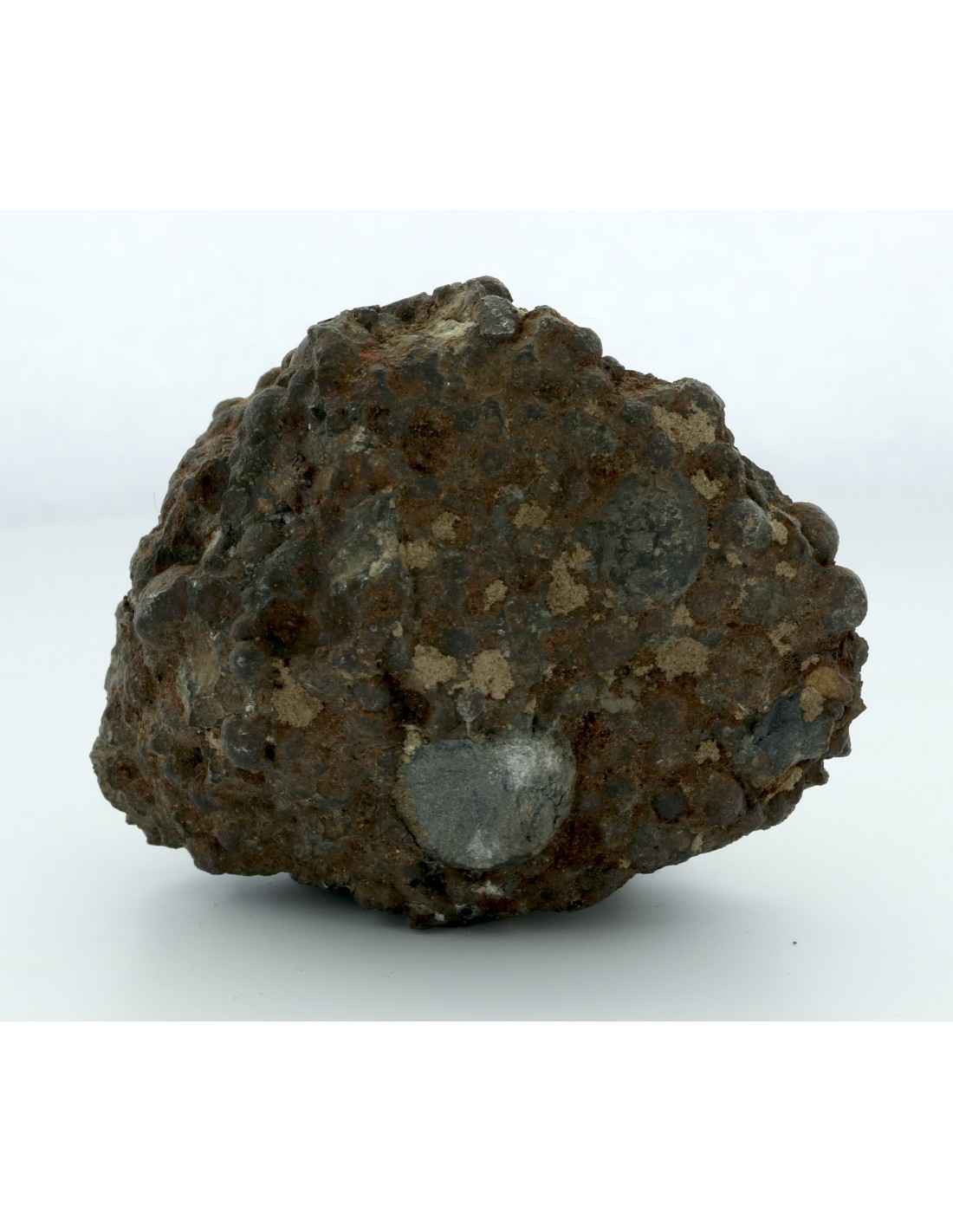
Exceptional complete specimen of the rare CB carbonaceous chondrite Gujba, weighing 359 g and preserving an extraordinary natural surface covered with protruding metallic chondrules. The meteorite displays the highly characteristic texture of Gujba, with rounded metal-rich chondrules emerging in relief across the entire specimen and a particularly large giant chondrule visible at the surface. Its natural patina further emphasizes the primitive and unusual appearance of this witnessed fall. Complete individuals of Gujba of this size are exceptionally rare and highly desirable for both advanced collectors and scientific study.
Gujba – Rare CB Carbonaceous Chondrite
Gujba is one of the most unusual carbonaceous chondrites known and belongs to the rare CB group of metal-rich carbonaceous chondrites. The meteorite fell in Nigeria on April 3, 1984, as a witnessed fall, providing exceptionally valuable fresh material for scientific research.
This complete 359 g individual preserves the spectacular natural morphology characteristic of Gujba meteorites. Its surface is densely covered with rounded metallic chondrules protruding from the matrix, producing a remarkable three-dimensional texture unlike almost any other meteorite group.
Outstanding Surface Texture
The entire specimen displays abundant metallic chondrules in relief, giving the meteorite a strongly bosselated appearance. These rounded chondrules formed during high-temperature processes in the early Solar System and are among the defining characteristics of CB chondrites.
A particularly large giant chondrule is visible on the surface, adding significant visual and scientific interest to the specimen. Such giant chondrules are among the most remarkable structures found in Gujba meteorites and contribute to the meteorite’s highly distinctive appearance.
The natural patina developed on the surface further enhances the texture and contrast between metallic and silicate components, giving the specimen a highly aesthetic and authentic appearance.
Complete Individual Specimen
Complete Gujba individuals of this size are exceptionally rare. Most available Gujba material consists of fragments or cut specimens, while complete stones preserving their original natural surface are much more difficult to obtain.
The preservation of the entire external morphology makes this specimen especially desirable for collectors seeking representative examples of the CB chondrite group.
A Witnessed Fall of Major Scientific Importance
Because the Gujba fall was directly observed and rapidly recovered, the meteorite remains one of the most important reference specimens for the study of CB carbonaceous chondrites.
Gujba continues to be the subject of intense scientific research concerning:
- Formation of metal-rich chondrules
- Early Solar System collisions
- High-temperature condensation processes
- Primitive metal-rich reservoirs
- Chondrule formation mechanisms
- Accretion of primitive planetary material
Its unusual structure suggests formation during energetic impact-related events in the early Solar System, making Gujba fundamentally different from most ordinary carbonaceous chondrites.
Collector Interest
Gujba is highly sought after by advanced meteorite collectors because of:
- Its rare CB classification
- Its witnessed fall status
- Its spectacular metallic chondrules
- The rarity of complete individuals
- Its major scientific importance
- Its highly distinctive natural surface
Specimens combining large size, complete morphology, giant visible chondrules and preserved natural surface are particularly scarce on the collector market.
Condition
This specimen is preserved as a complete natural individual with well-developed protruding metallic chondrules across the surface and visible natural patina. A giant chondrule is clearly observable on the exterior.
An exceptional display and research specimen representing one of the rarest and most scientifically important groups of carbonaceous chondrites.
Tap to zoom