An Exceptional Oriented Ghadames Meteorite
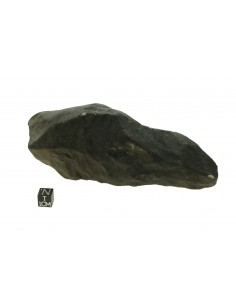
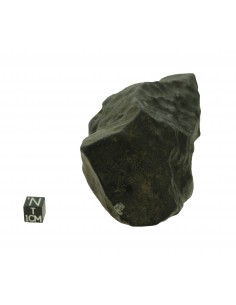
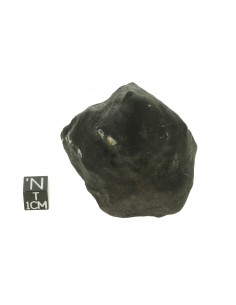
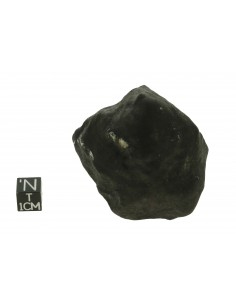
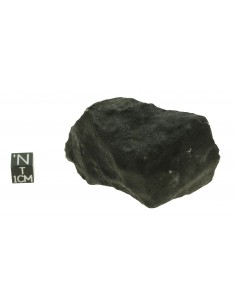
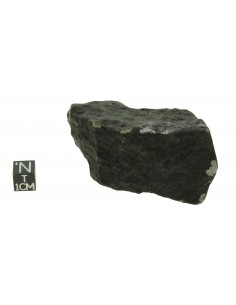
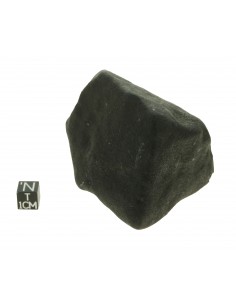
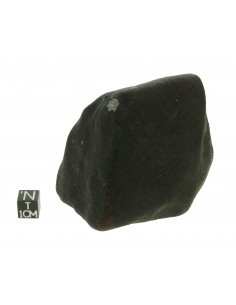
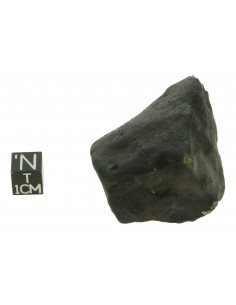
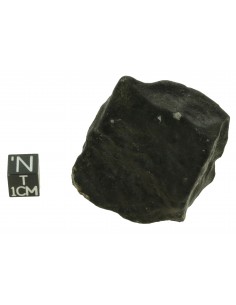
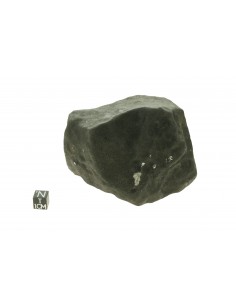
This 12.864 kg specimen from the Libyan meteorite Hammadah al Hamra 346, also known as Ghadames, is an outstanding example of aerodynamic orientation during atmospheric entry. Its overall geometry clearly reveals a stable flight attitude, with a well-defined leading face and a comparatively flatter rear surface typical of oriented meteorites.
The front face is covered with elongated regmaglypts that begin near the center of the shield-like surface and progressively stretch toward the outer rim. These sculpted flow features were created by intense ablation and plasma dynamics while the meteorite was descending through Earth’s atmosphere at hypersonic speed.
Impact Traces Preserved on the Fusion Crust
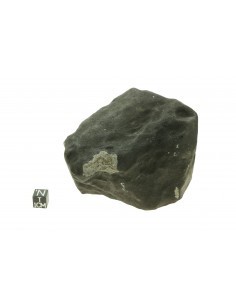
What makes this individual especially remarkable is the presence of numerous pale impact traces visible across the front face. These white marks are deposits originating from the calcareous desert ground struck during impact, most likely linked to Cretaceous limestone formations present in the region.
Such impact signatures are highly evocative because they directly record the final collision between the meteorite and the Earth’s surface. Rather than diminishing the specimen, these traces contribute to its authenticity and historical character, preserving evidence of the violent landing event.
A Fresh Modern Sahara Meteorite
Ghadames (HaH 346) is an officially classified L6 ordinary chondrite discovered in Libya after the spectacular 2018 fireball event observed over the region. The meteorite is considered exceptionally fresh, with matte black fusion crust and minimal terrestrial weathering. :contentReference[oaicite:0]{index=0}
Large oriented individuals of this quality are extremely uncommon. The combination of complete fusion crust, aerodynamic shaping, elongated regmaglypts and preserved impact traces makes this specimen both scientifically important and visually striking.
A Meteorite Featured in Europa Star
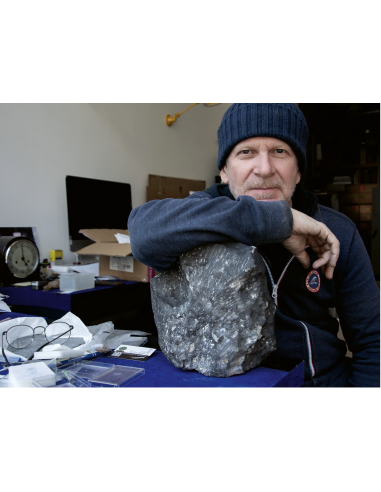
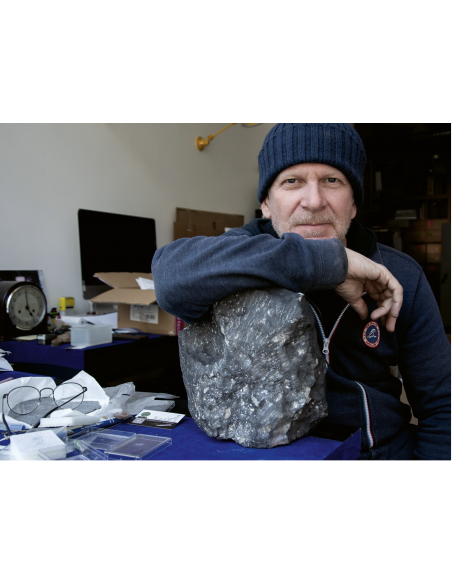
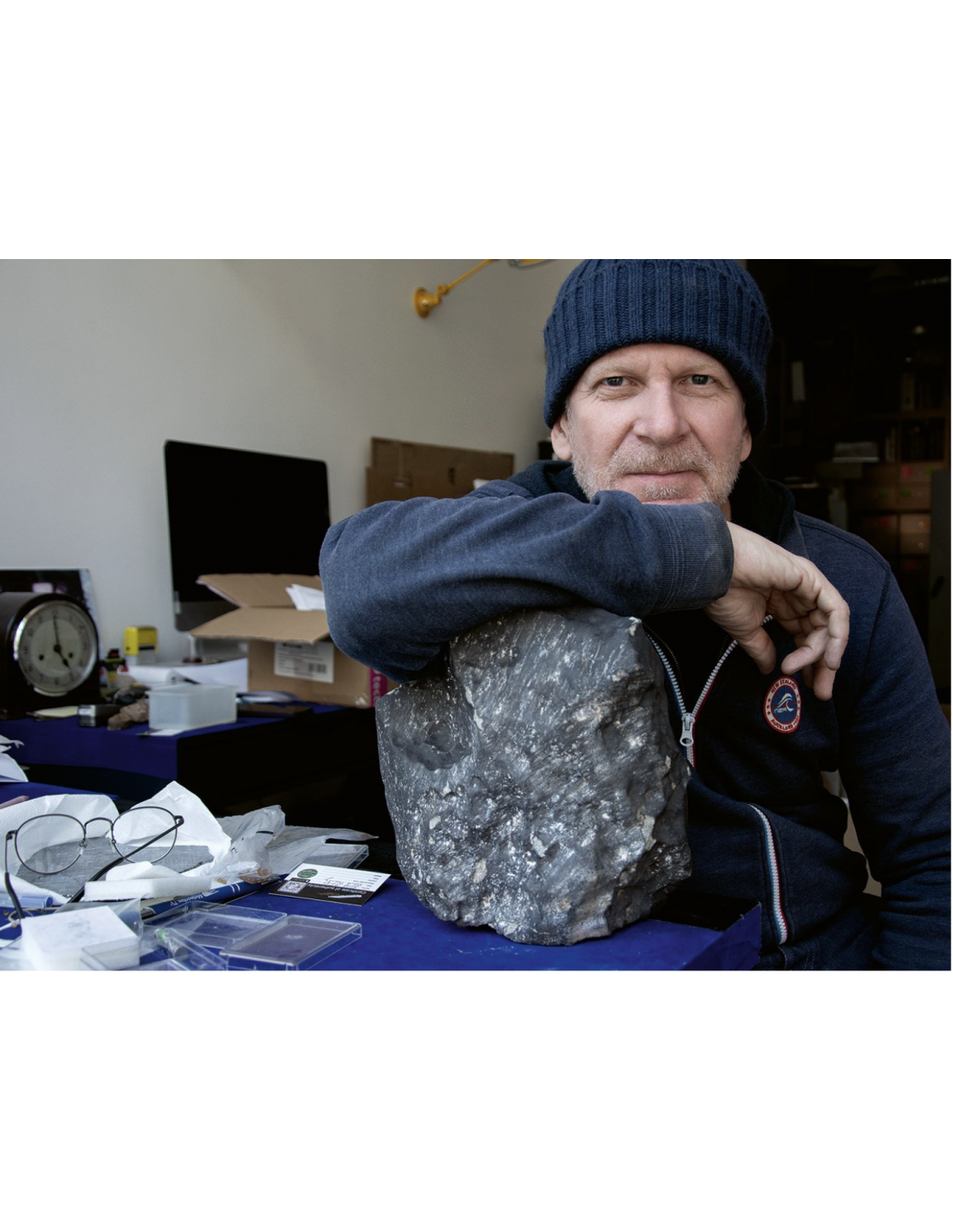
This meteorite was photographed in Luc Labenne’s office for the luxury watchmaking magazine Europa Star. The published caption mistakenly described the specimen as weighing 24 kg, while its actual weight is 12.864 kg. The photograph nevertheless illustrates the impressive presence and sculptural appearance of this major oriented Ghadames individual.
Frequently Asked Questions
What makes this Ghadames meteorite oriented?
Its stable aerodynamic shape, elongated regmaglypts and flatter rear face indicate that the meteorite maintained a consistent orientation during atmospheric entry.
What are the white marks visible on the fusion crust?
These are impact traces likely originating from limestone-rich desert soil struck during landing. They are authentic surface features created at the moment of impact.
Is Ghadames an official meteorite?
Yes. Ghadames is officially classified as Hammadah al Hamra 346 (HaH 346), an L6 ordinary chondrite approved in the Meteoritical Bulletin. :contentReference[oaicite:1]{index=1}
Why are large oriented individuals rare?
Large meteorites often fragment during atmospheric entry or upon impact. Complete oriented individuals with preserved fusion crust and aerodynamic features are therefore highly sought after by collectors and institutions.