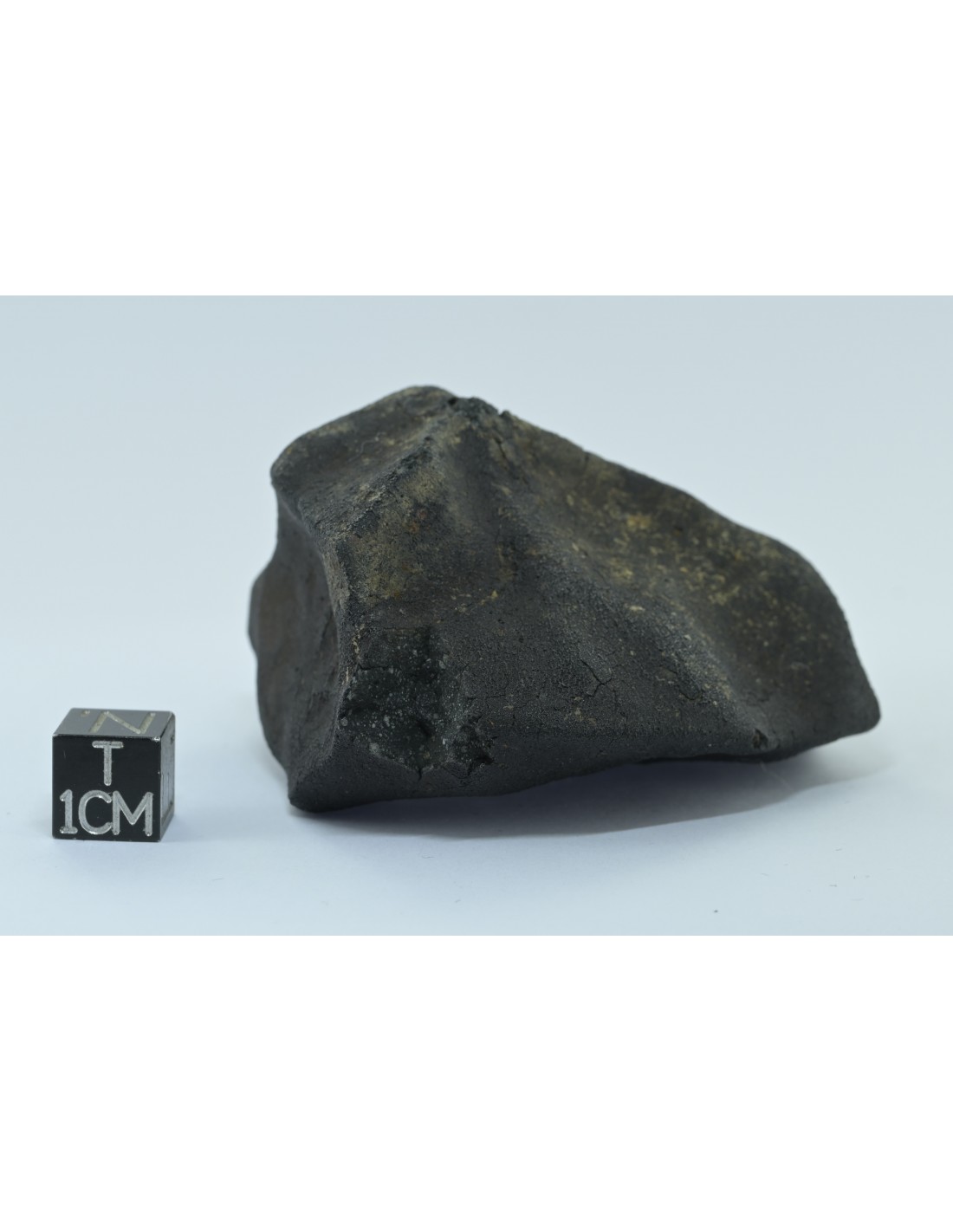
Murchison – One of the Most Important Carbonaceous Chondrites Ever Recovered
Murchison is among the most famous and scientifically significant meteorites in the history of meteoritics. This CM2 carbonaceous chondrite fell near Murchison, Victoria, Australia, on September 28, 1969, as a witnessed fall, allowing rapid recovery of exceptionally fresh material.
Since its discovery, Murchison has become one of the most intensely studied meteorites ever found and remains a fundamental reference specimen for the study of primitive Solar System material and extraterrestrial organic chemistry.
Complete Individual with Preserved Fusion Crust
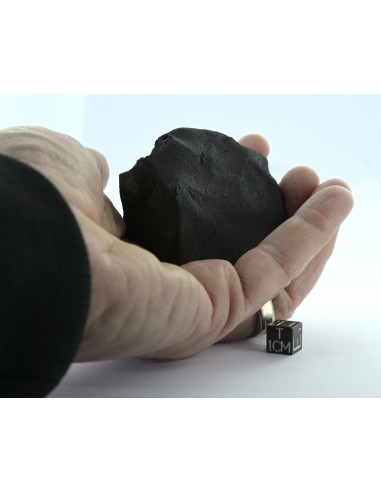
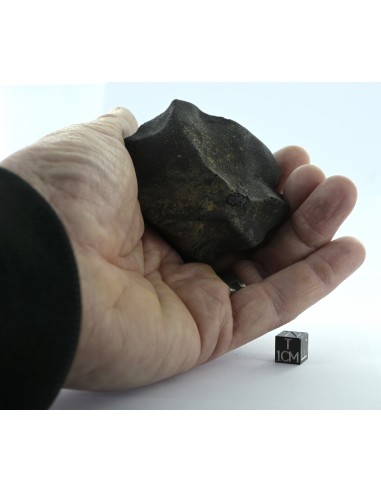
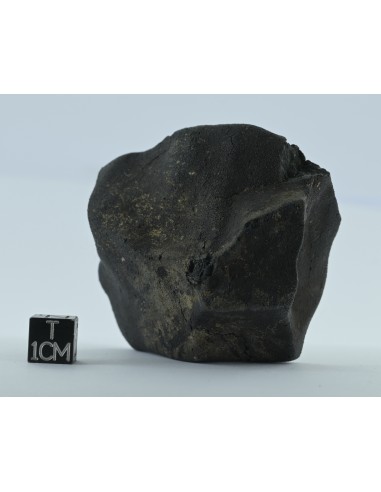
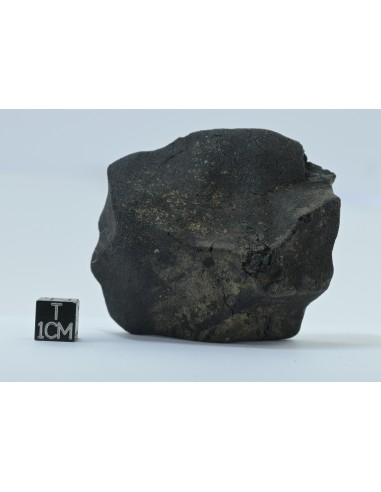
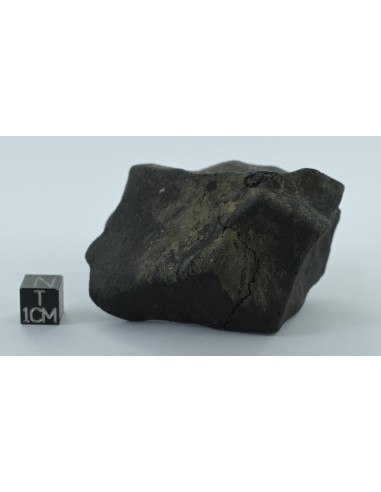
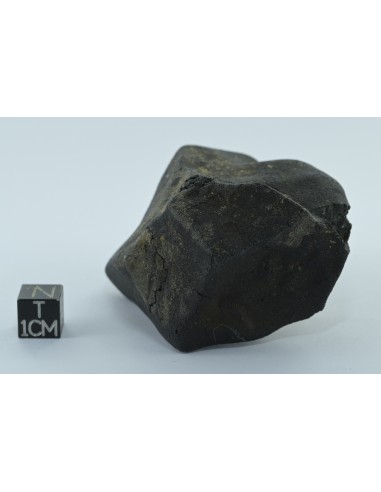
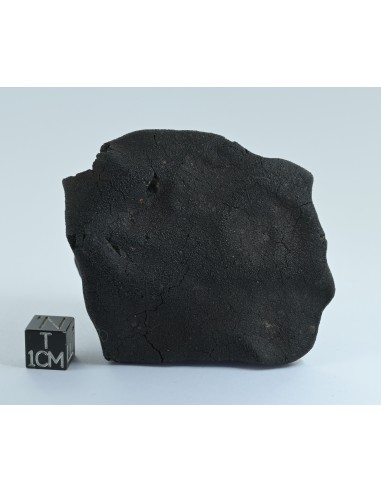
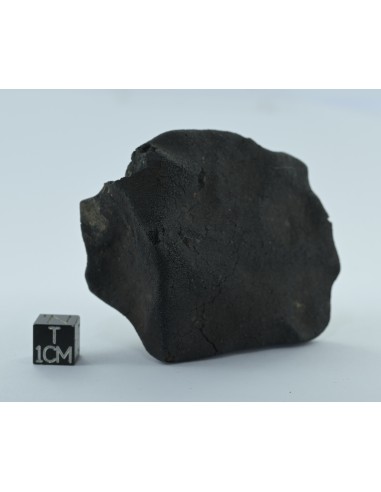
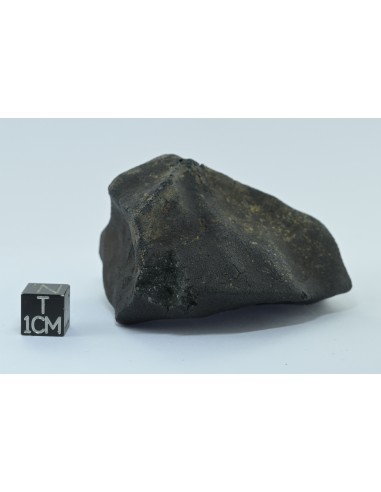
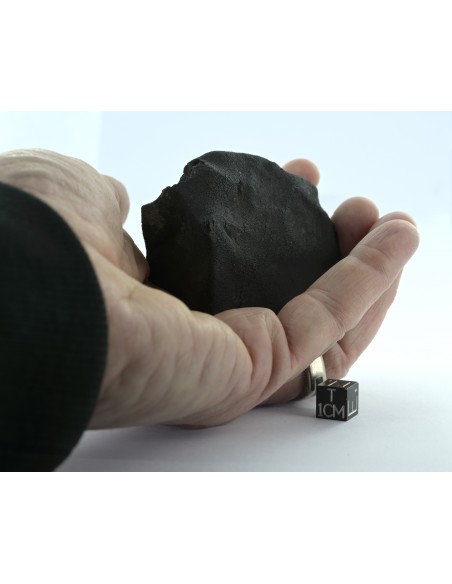
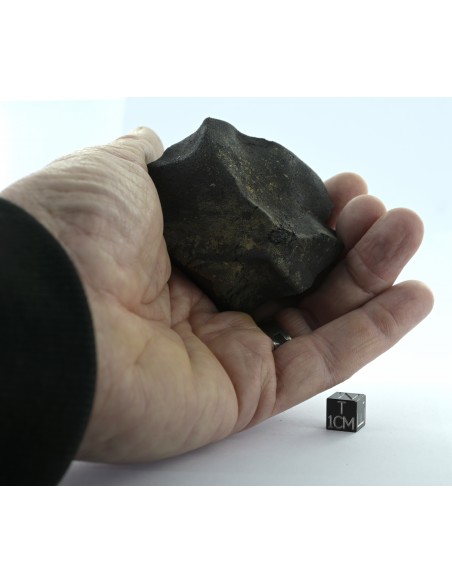
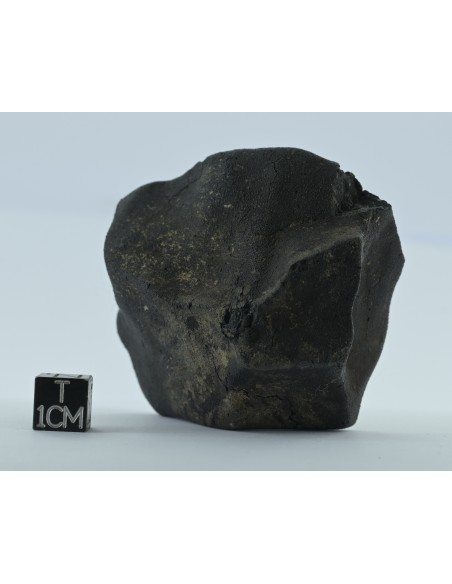
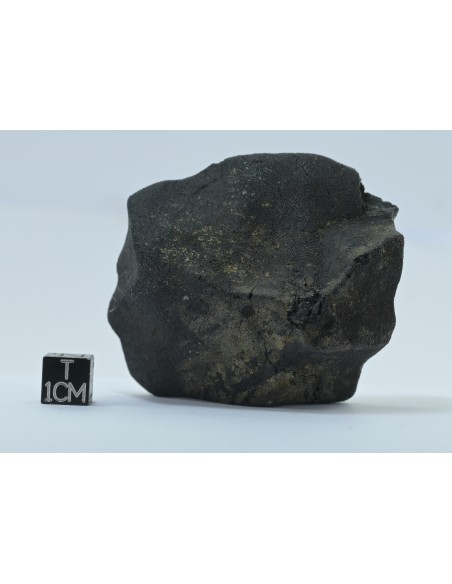
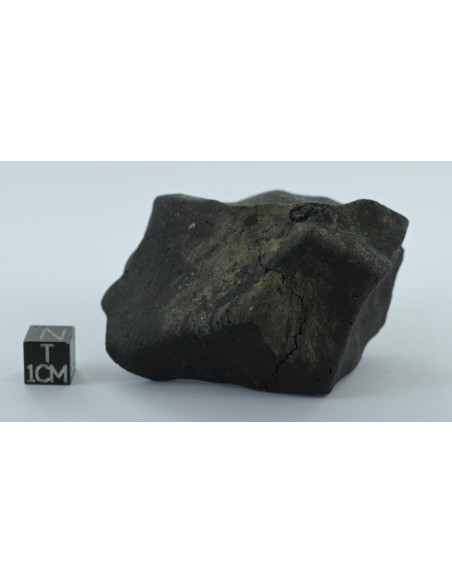
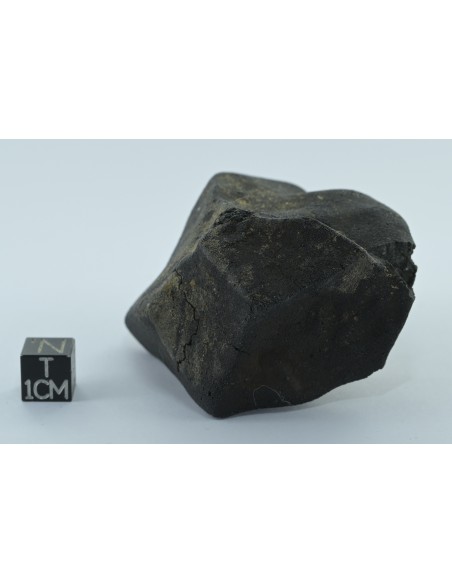
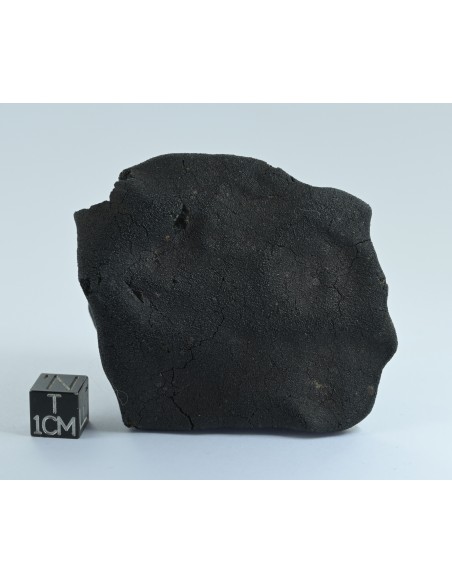
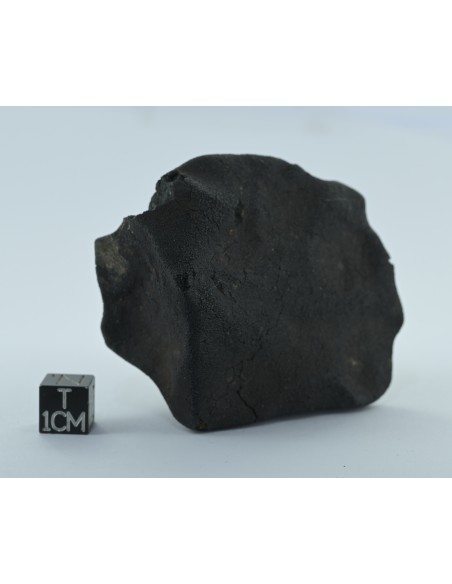
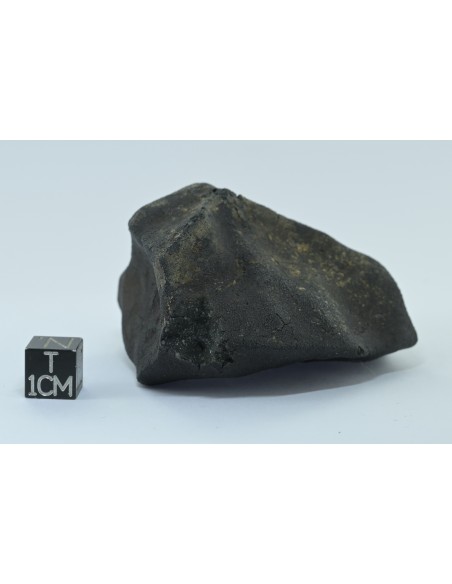
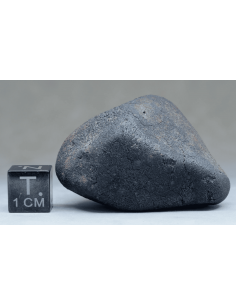
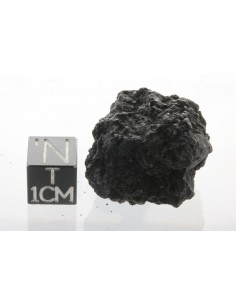
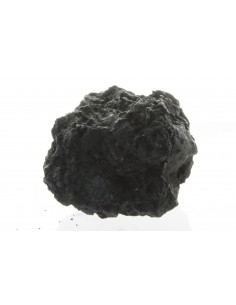
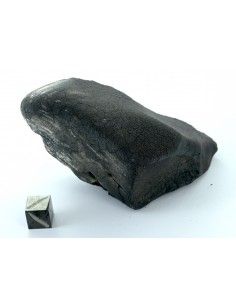
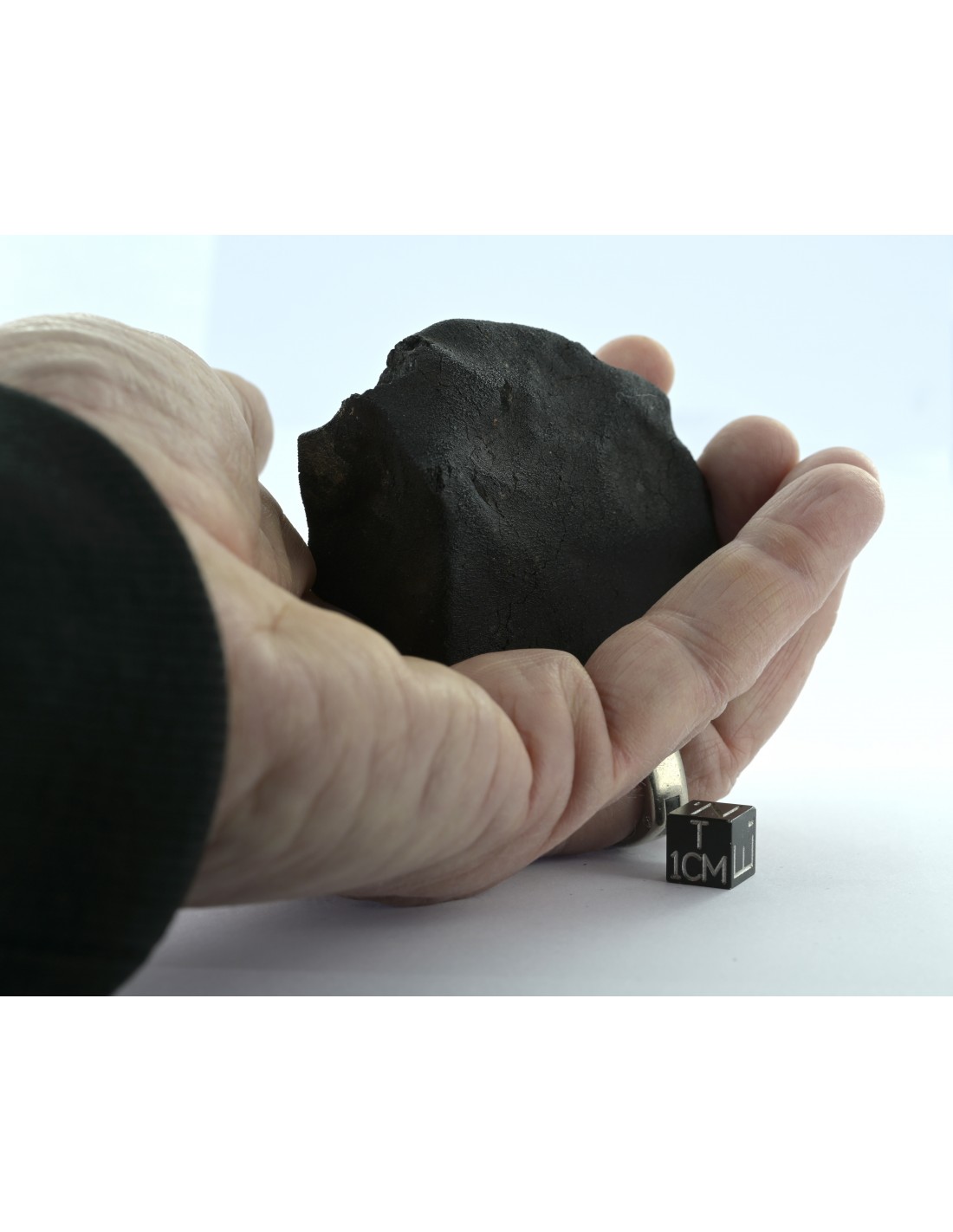
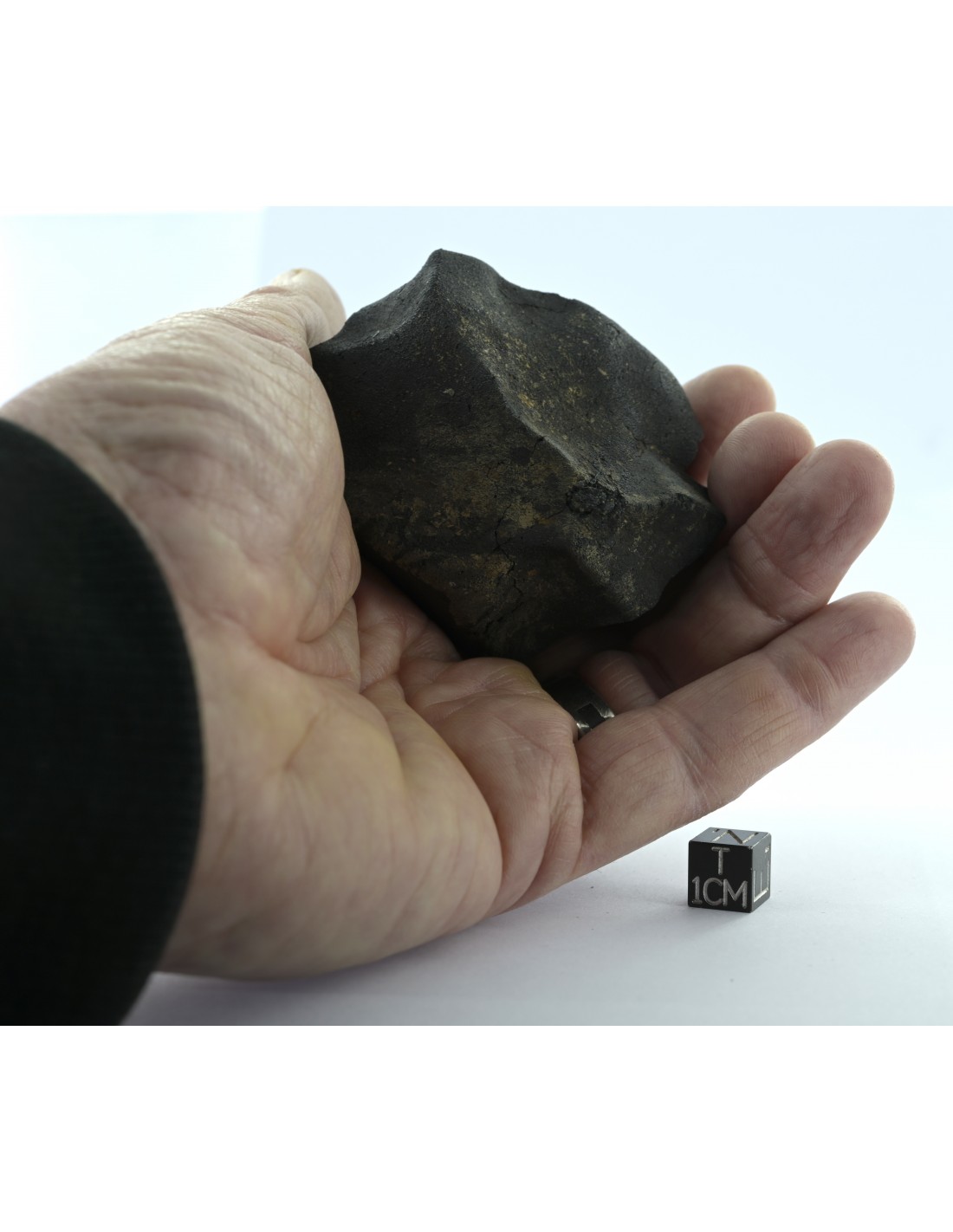
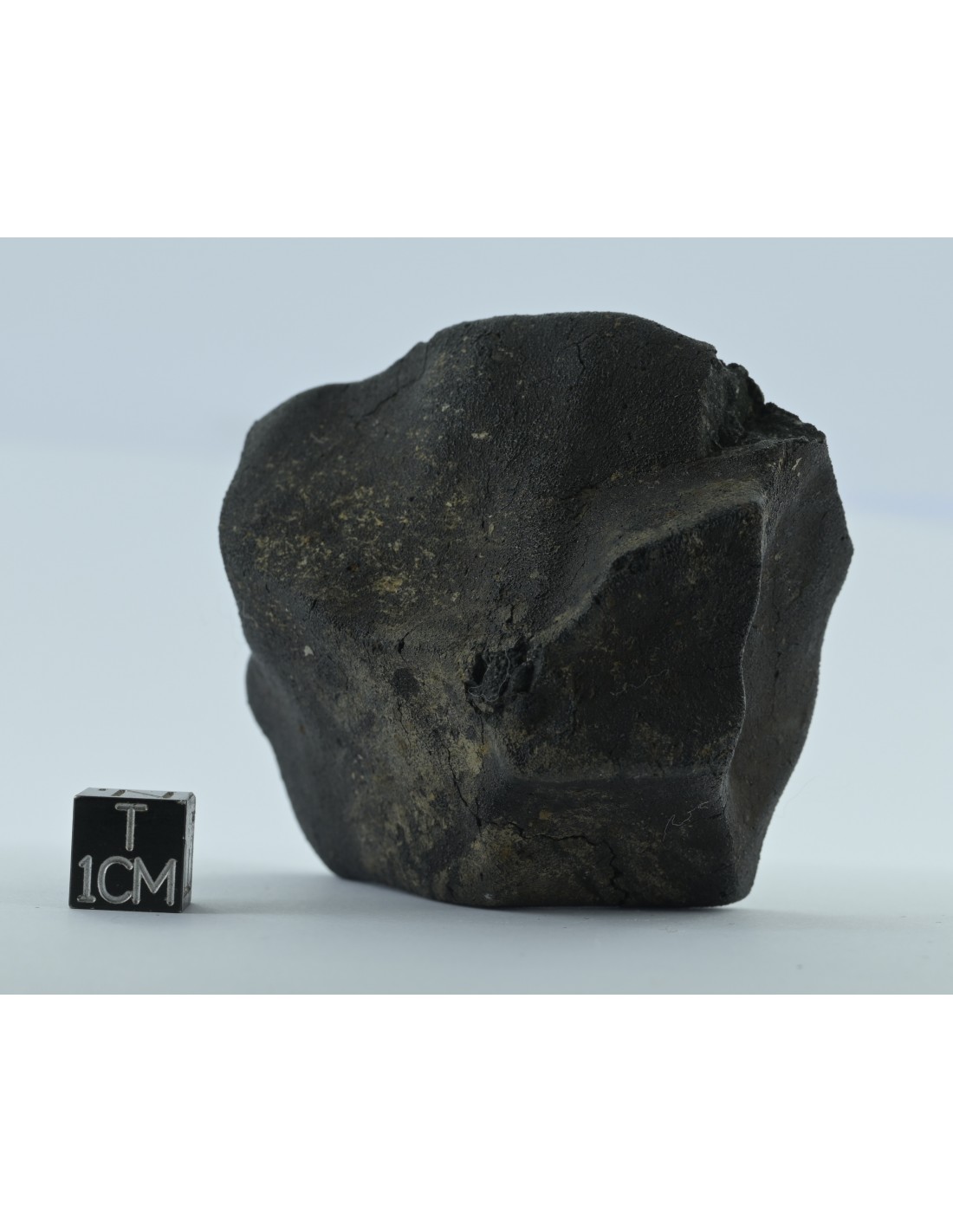
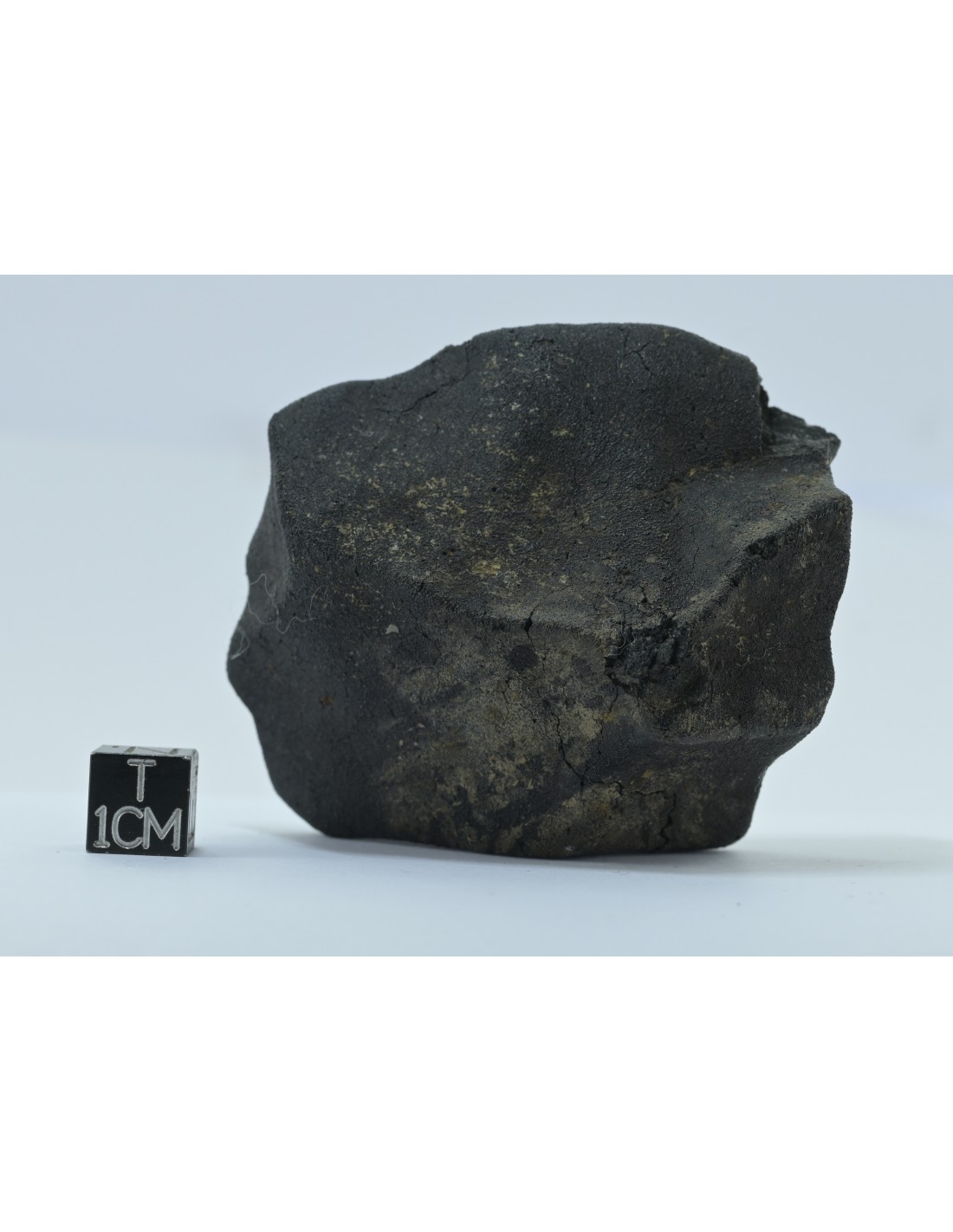
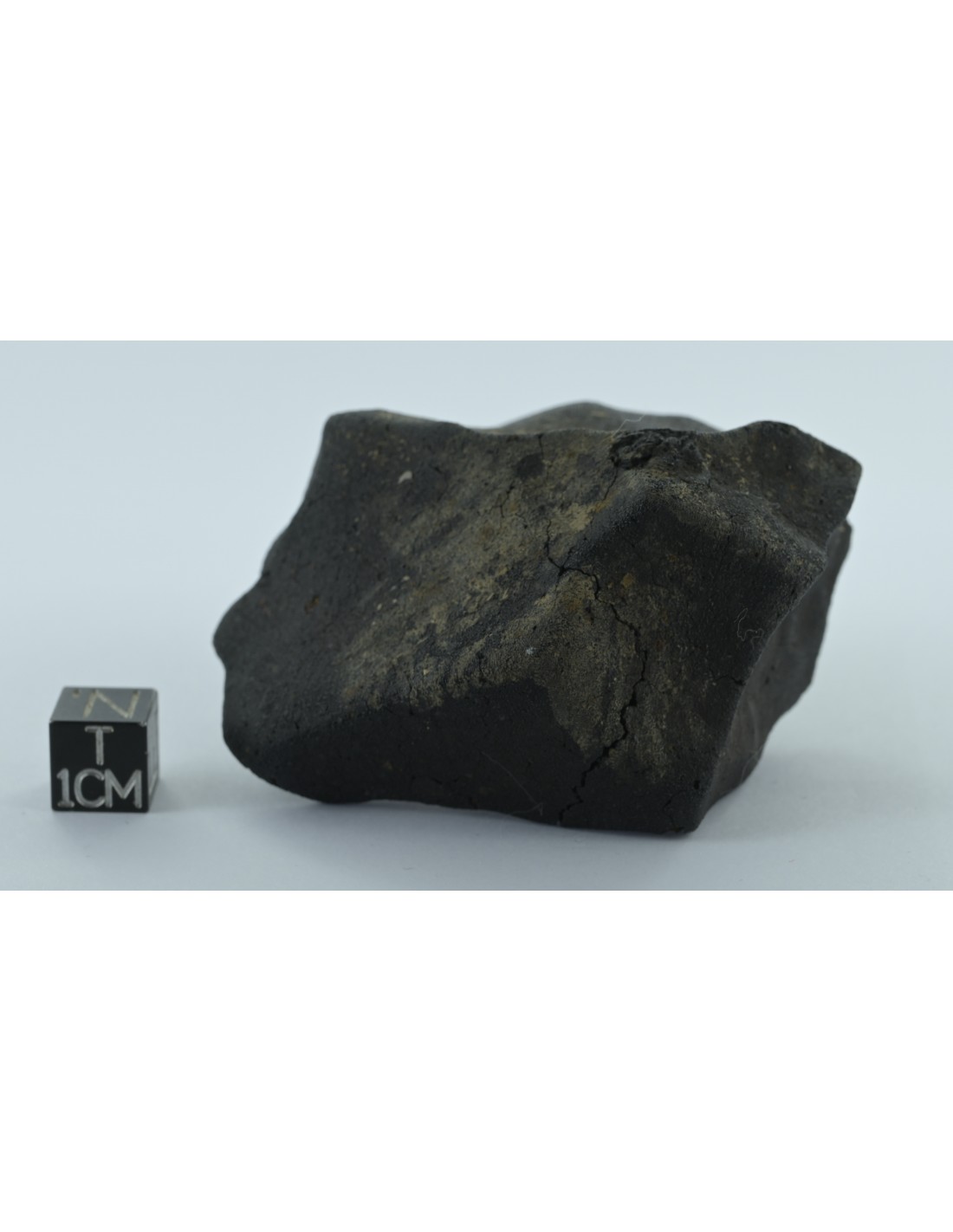
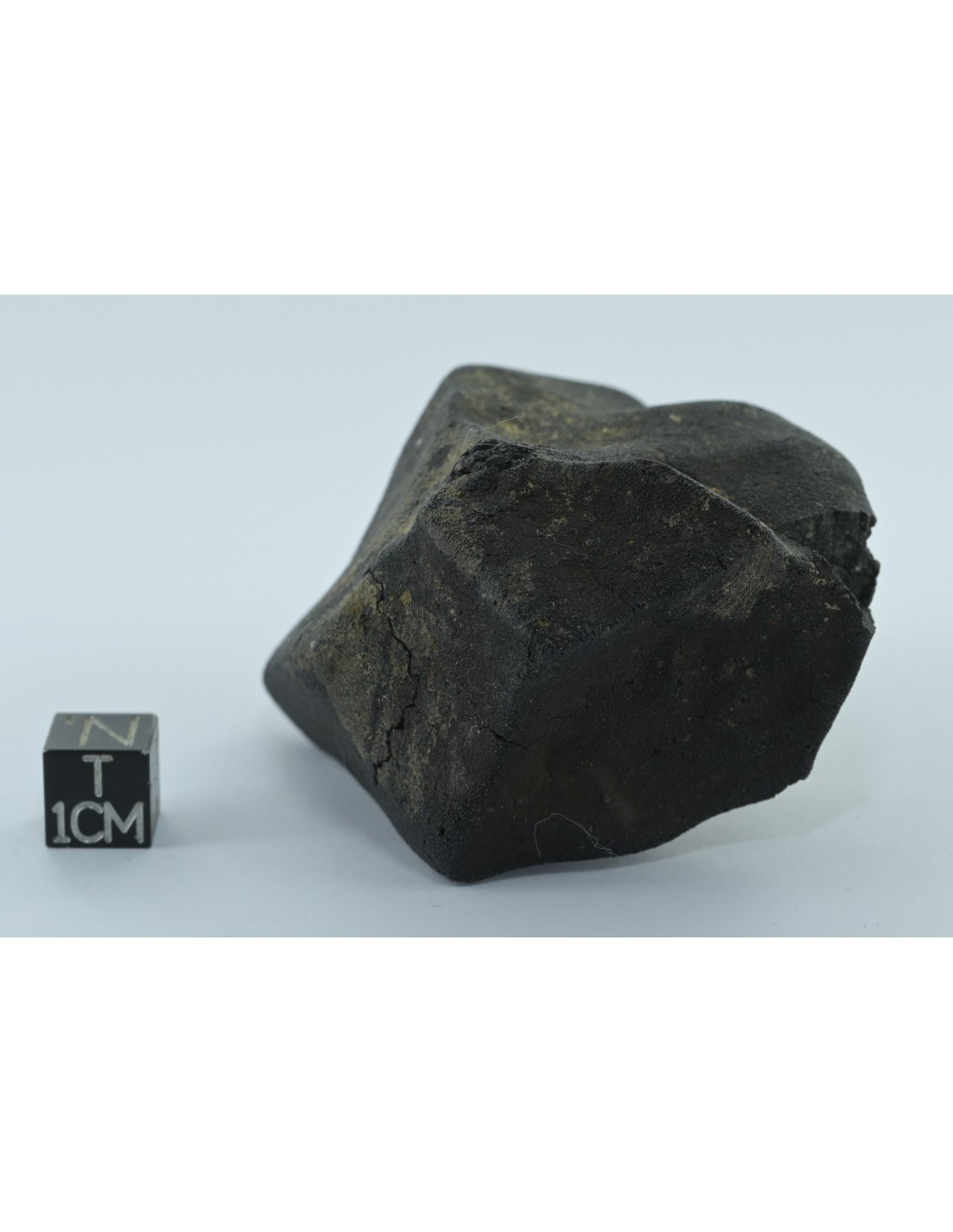
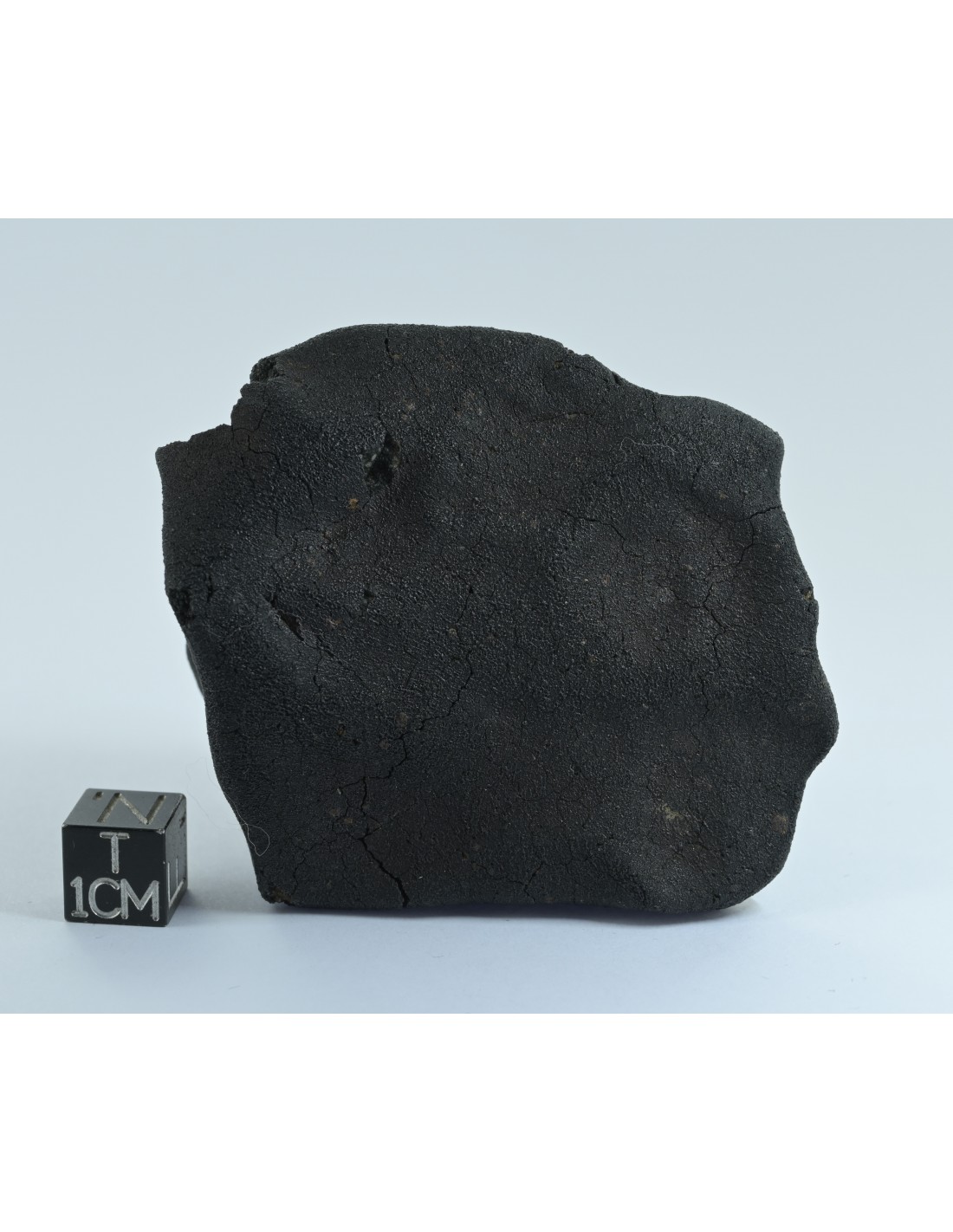
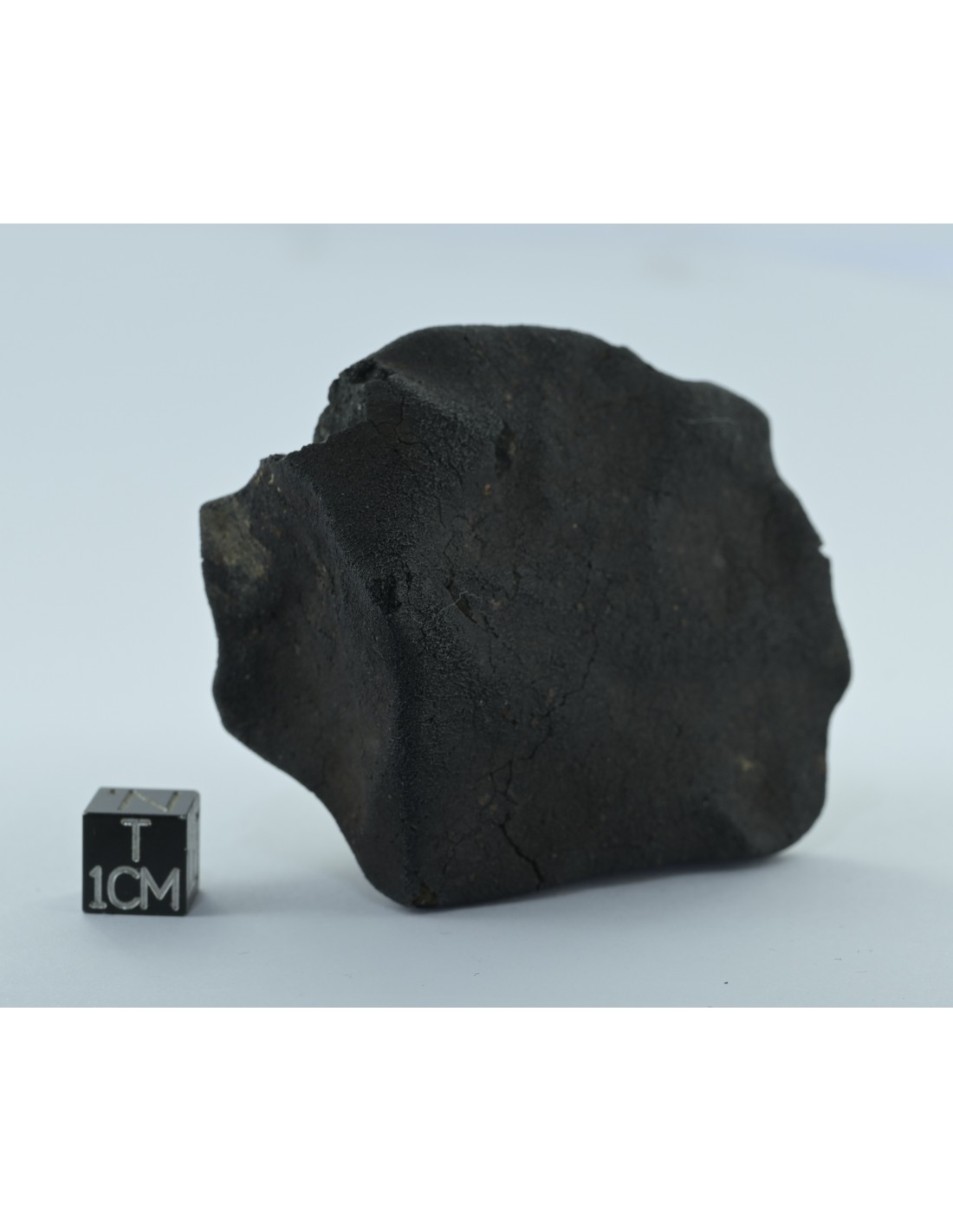
This complete 134.85 g specimen preserves nearly its entire original fusion crust, dark and finely textured, characteristic of fresh CM2 carbonaceous chondrites.
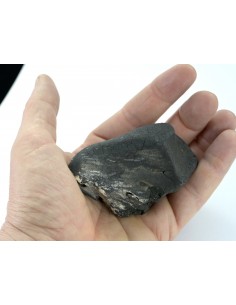
A small natural area lacking fusion crust exposes the interior matrix over a few millimeters, providing a direct view into the meteorite’s primitive internal structure without requiring any artificial cutting or preparation.
The exposed matrix displays the typical appearance of Murchison material: dark, fine-grained, and rich in primitive components formed during the earliest stages of Solar System history.
A Meteorite Rich in Amino Acids
Murchison became world famous after scientific studies revealed the presence of an extraordinary diversity of extraterrestrial organic compounds, including more than seventy amino acids.
These discoveries transformed Murchison into one of the key meteorites for understanding:
- Prebiotic chemistry
- Organic evolution in space
- Primitive Solar System material
- The origin of complex organic molecules
- Potential extraterrestrial contributions to early Earth chemistry
Its organic richness remains unmatched among most meteorites and continues to be the subject of ongoing international scientific research.
The Most Studied CM2 Carbonaceous Chondrite
Murchison is regarded as the reference CM2 carbonaceous chondrite and has been studied extensively by laboratories worldwide for decades.
Research conducted on Murchison includes:
- Organic molecule analysis
- Isotopic studies
- Presolar grain identification
- Water alteration processes
- Primitive mineralogy
- Solar System formation chronology
Few meteorites have contributed as profoundly to planetary science and astrobiology.
Collector Importance
Complete Murchison individuals of this size are highly desirable because of the meteorite’s worldwide scientific importance and the rarity of well-preserved complete stones.
Collectors particularly value:
- Witnessed fall status
- Complete preserved morphology
- Fresh fusion crust
- Visible interior matrix
- Historical scientific importance
- Organic-rich composition
The combination of a complete individual and a naturally exposed window into the interior matrix gives this specimen additional visual and educational interest.
Condition
Complete individual preserving nearly all of its natural fusion crust with a small naturally exposed area revealing the interior CM2 matrix.
An exceptional museum-grade specimen from one of the most important carbonaceous chondrites ever discovered.