Shopping Cart
There are no more meteorites in your cart
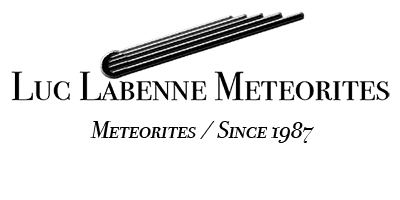
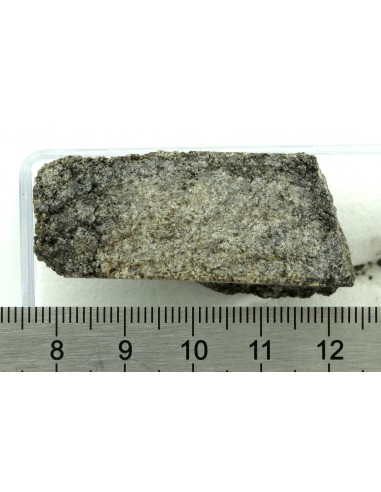
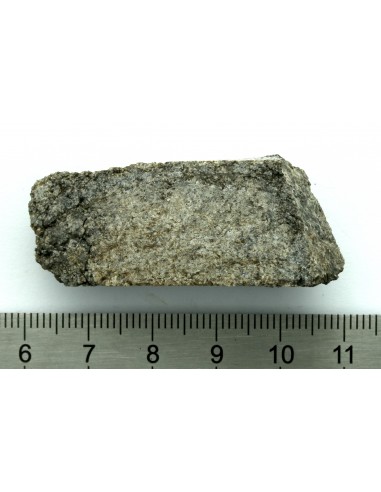
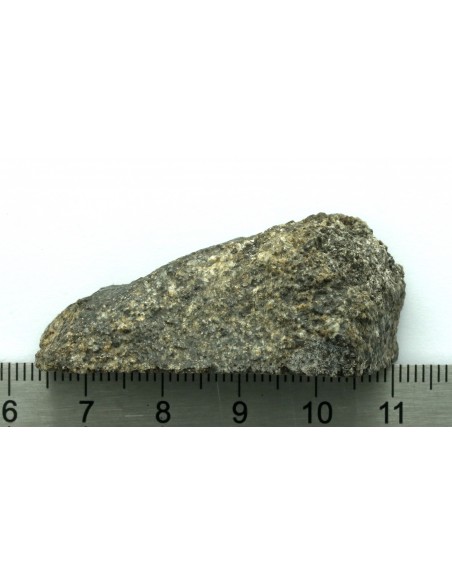
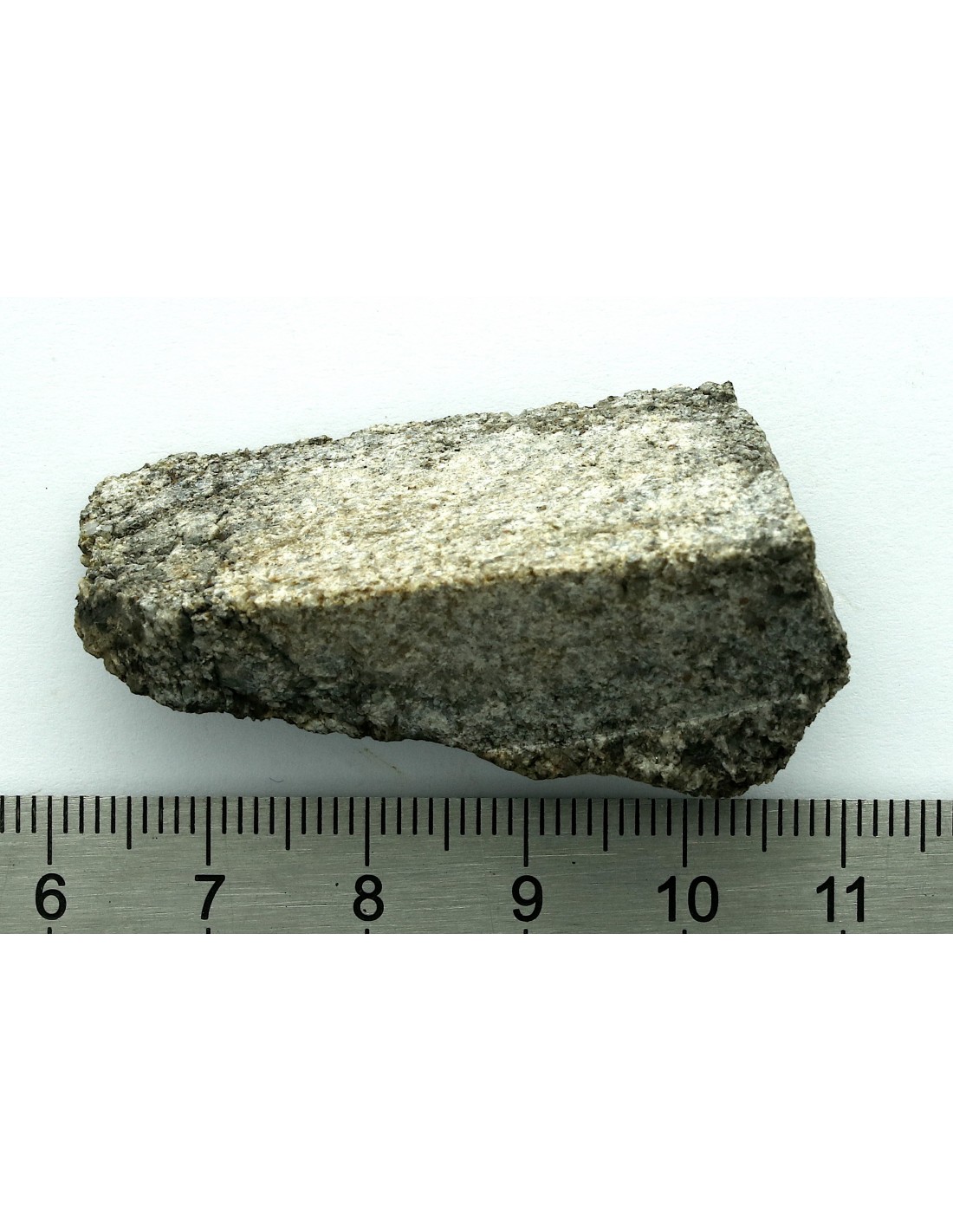
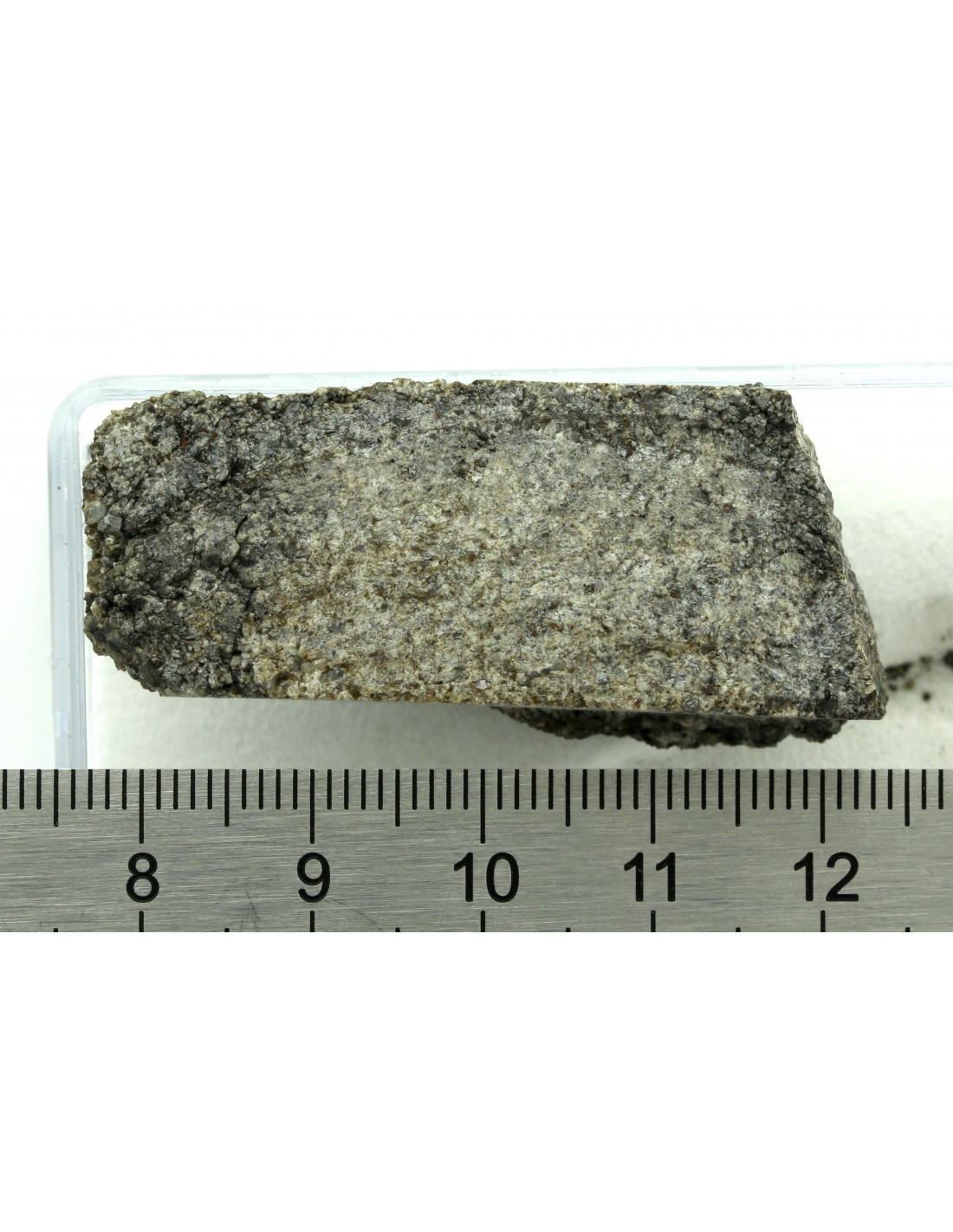
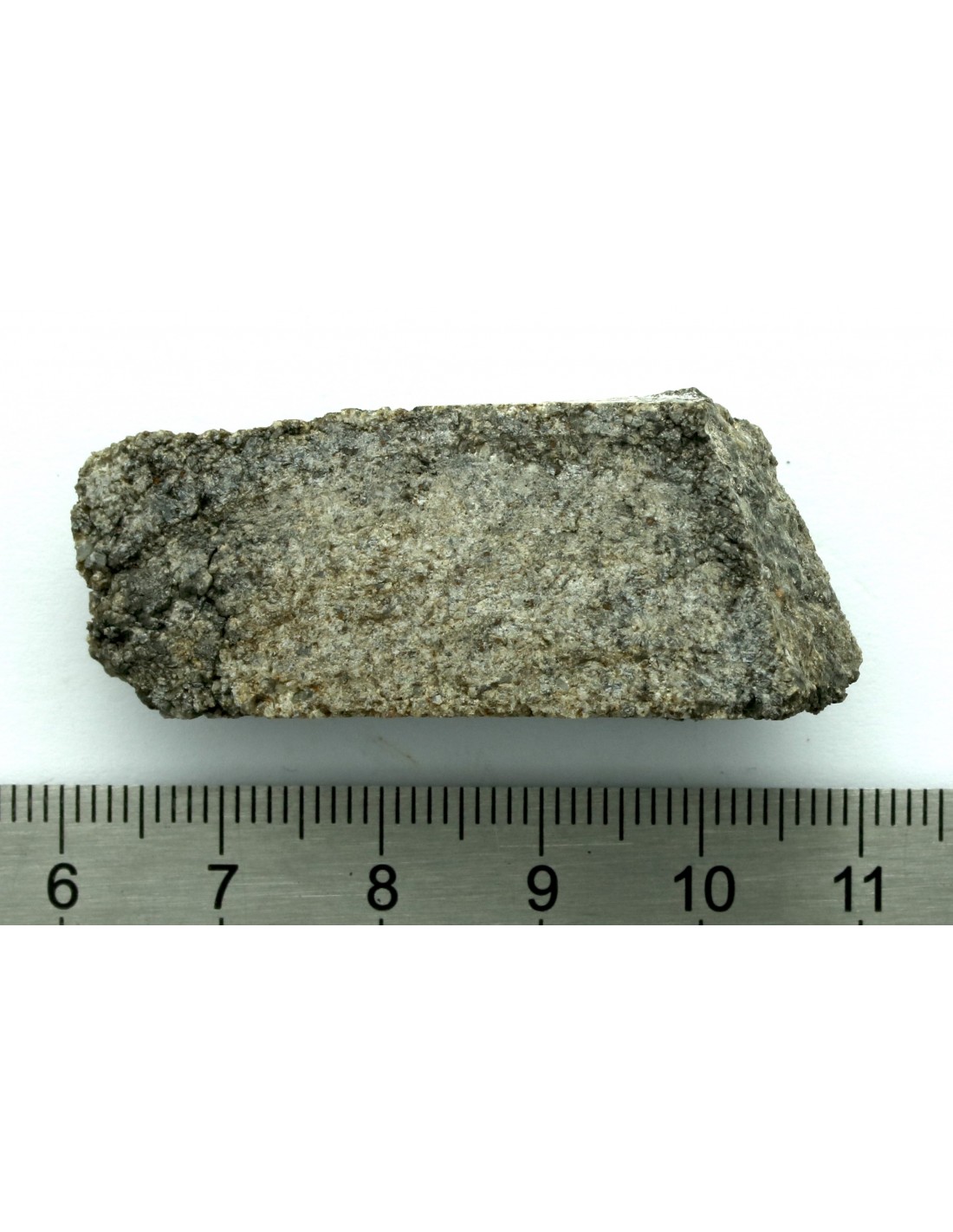
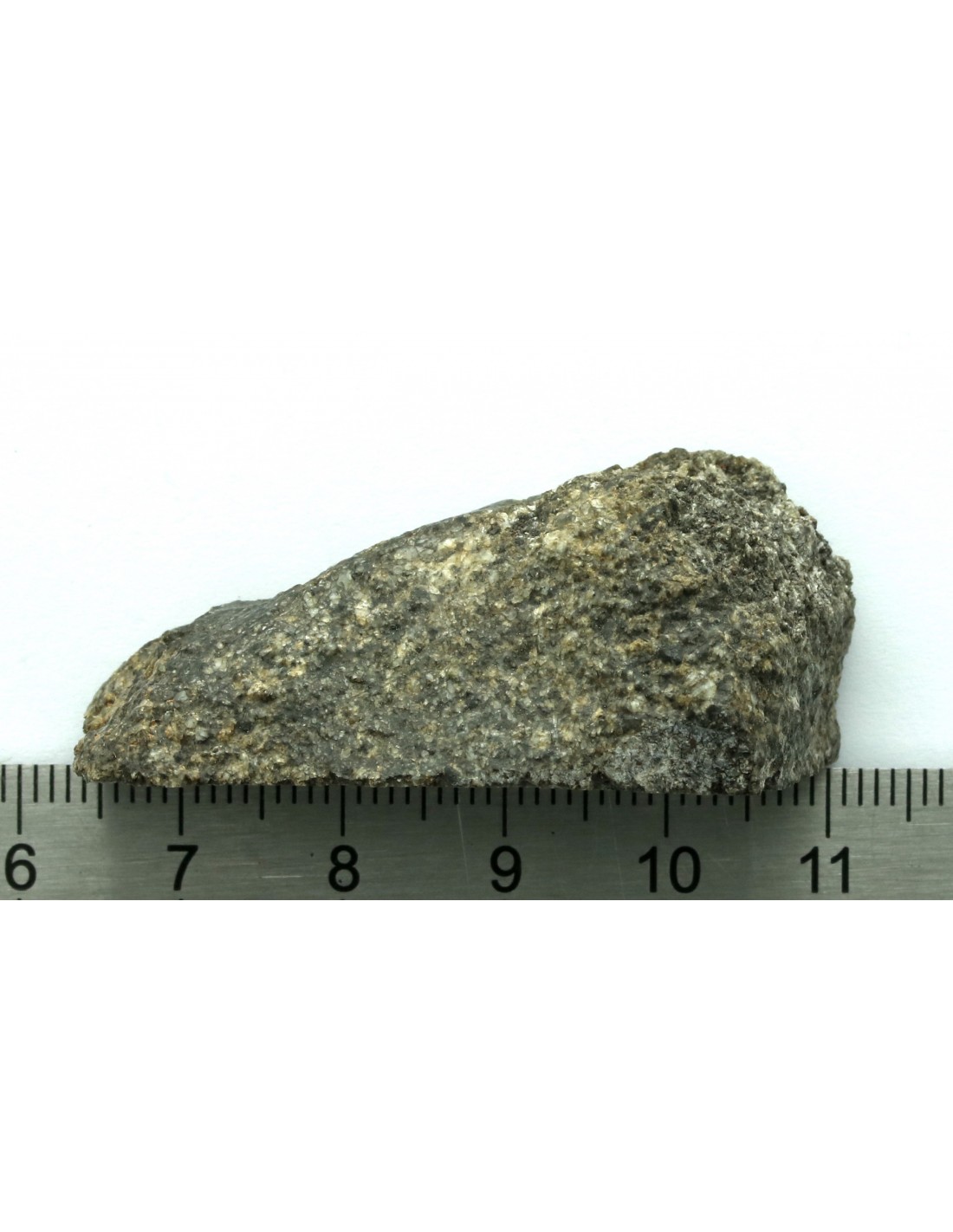
NWA 13307 Reduced Ultramafic Achondrite – End Cut with Fusion Crust – 27.47 g
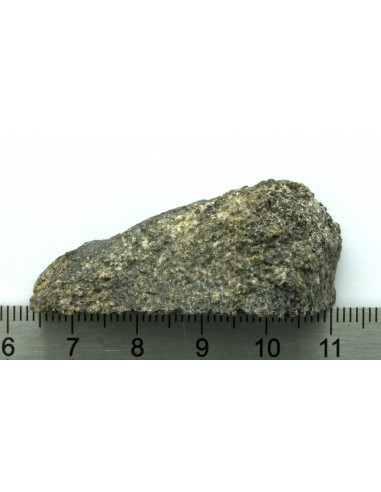
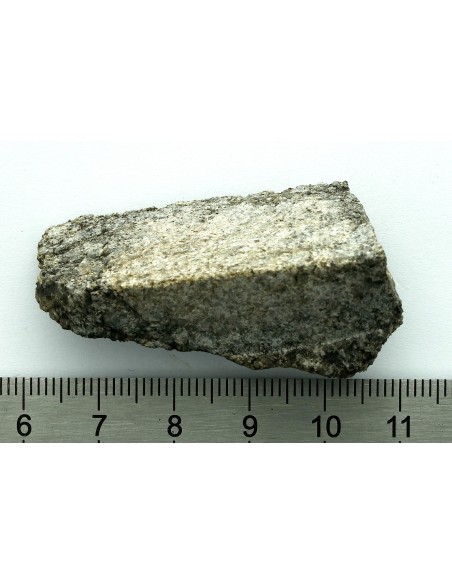
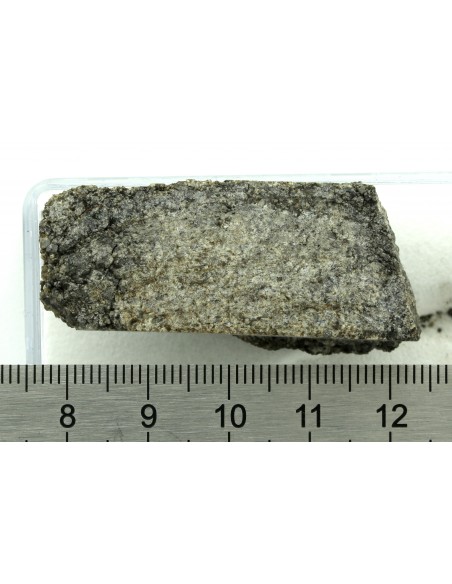
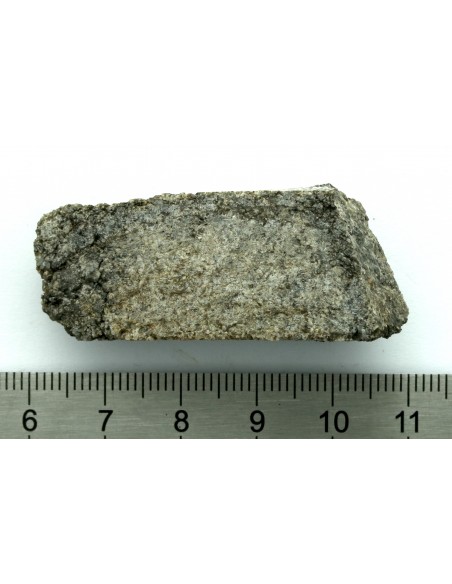
A rare 27.47 g end cut from NWA 13307, one of the most unusual reduced achondrites known. This specimen preserves part of its fusion crust while revealing the pale ultramafic interior linked to a highly reduced inner Solar System parent body.
A Rare Witness from a Reduced Planetary Body
This 27.47 g end cut of NWA 13307 offers an exceptional opportunity to study one of the rarest types of differentiated meteorites currently known. Classified as an ungrouped highly reduced ultramafic achondrite, NWA 13307 represents material formed under extremely oxygen-poor conditions in the innermost regions of the early Solar System.
The specimen preserves part of its original fusion crust while exposing the meteorite’s remarkable pale granular interior. This contrast between the dark atmospheric fusion crust and the light ultramafic matrix highlights both its extraterrestrial origin and its unusual mineralogy.
An Exceptional Mineralogical Composition
NWA 13307 is composed predominantly of nearly pure diopside and enstatite with extremely low iron content. Petrographic studies revealed accessory sulfides including daubreelite and Ti-Cr-bearing troilite, while no olivine, metal or plagioclase were observed.
Such mineralogical characteristics place this meteorite among an exceptionally rare population of highly reduced achondrites associated with Mercury-like planetary materials formed close to the young Sun.
A Scientific and Collectible Specimen
The preserved fusion crust confirms the meteorite’s atmospheric passage, while the cut surface allows direct observation of the coarse ultramafic texture of this enigmatic achondrite. End cuts such as this are especially valued because they simultaneously display both the external fusion crust and the internal structure.
NWA 13307 is not simply a rare meteorite — it is likely a fragment of an unknown differentiated planetary body from the earliest stages of Solar System evolution.
Frequently Asked Questions
What is an end cut meteorite?
An end cut is a specimen preserving both natural fusion crust and a cut surface revealing the meteorite’s internal structure.
Why is NWA 13307 important?
It belongs to a very rare group of highly reduced ultramafic achondrites believed to originate from the innermost Solar System.
Does this specimen preserve fusion crust?
Yes, this 27.47 g specimen preserves part of its original fusion crust alongside the exposed interior.
What makes its composition unusual?
The meteorite contains nearly pure diopside and enstatite with extremely low iron contents and lacks olivine, metal and plagioclase.
Tap to zoom