Shopping Cart
There are no more meteorites in your cart
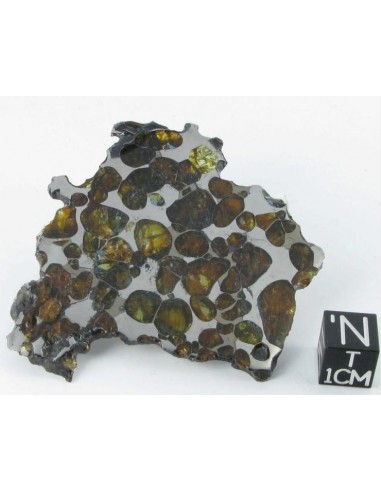
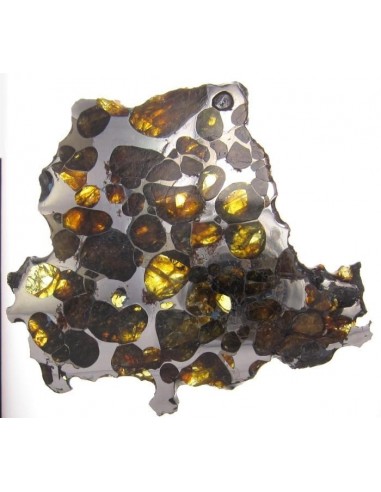
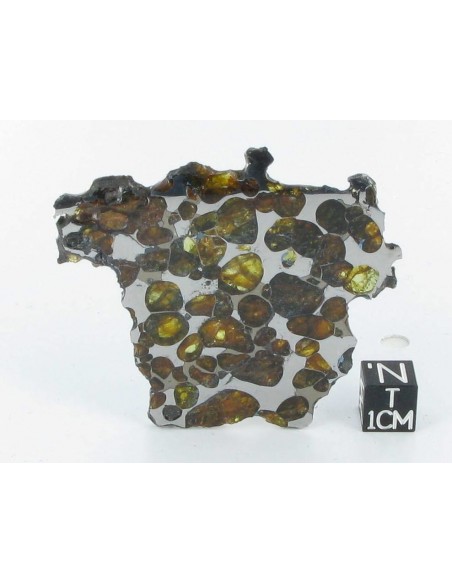
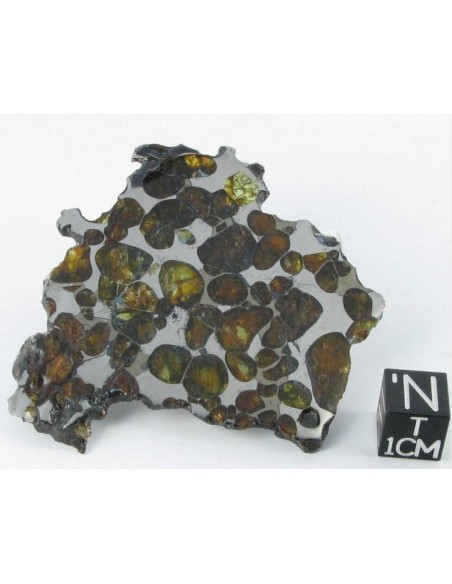
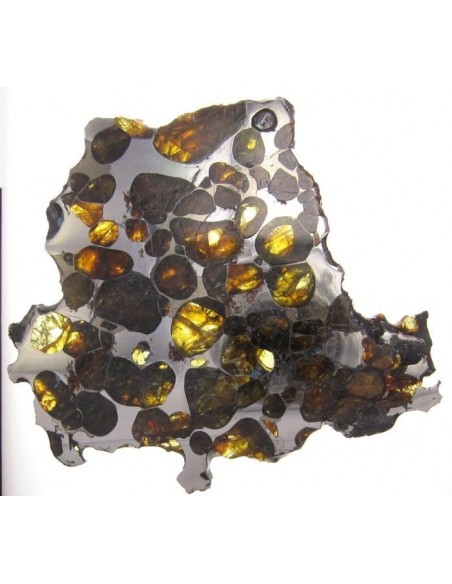
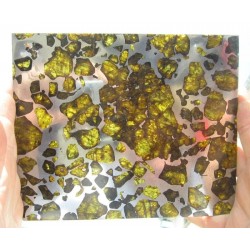
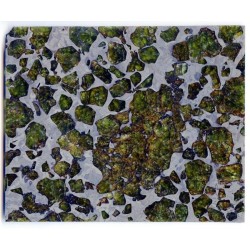
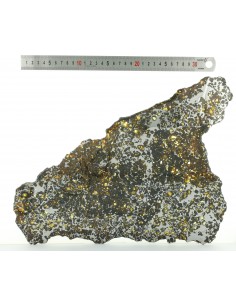
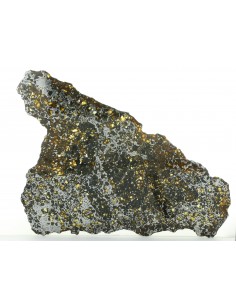
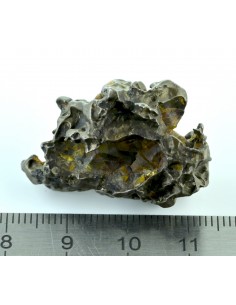
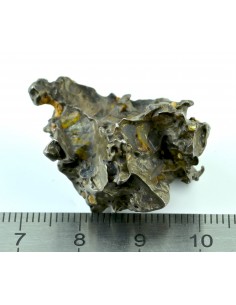
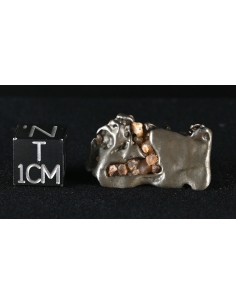
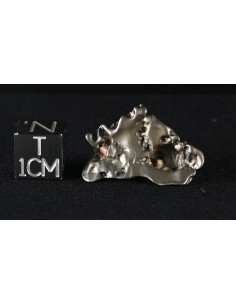
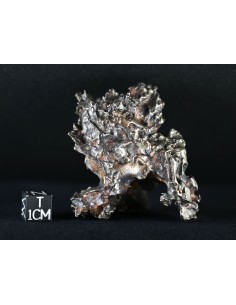
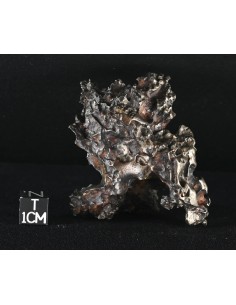
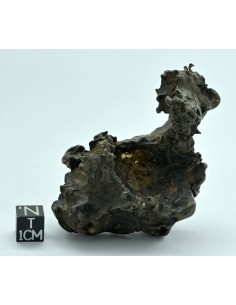
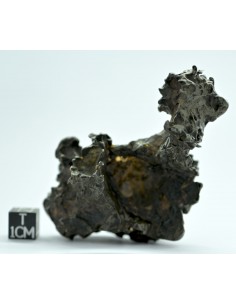
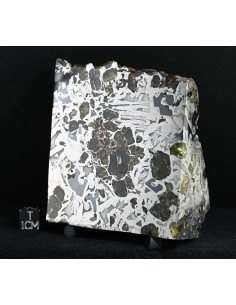
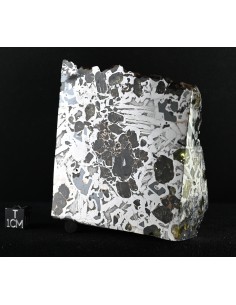
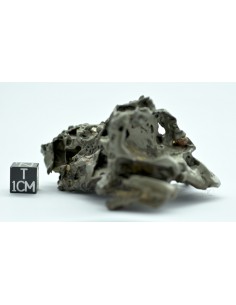
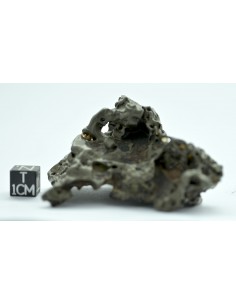
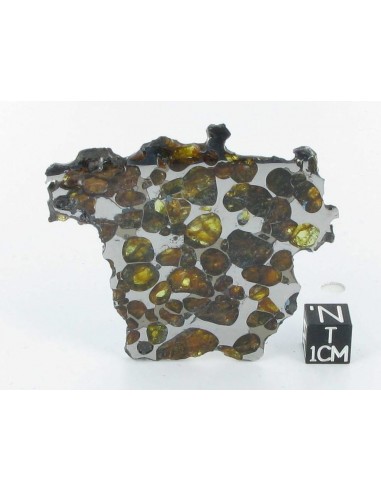
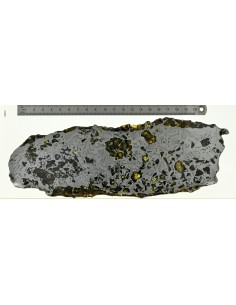
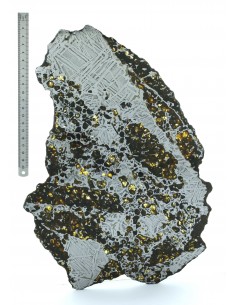
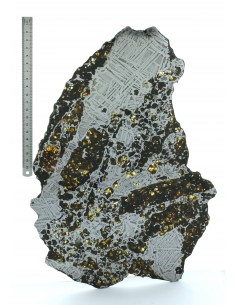
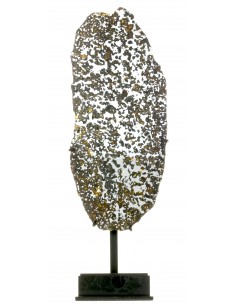
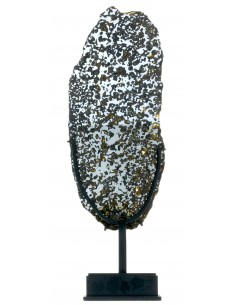
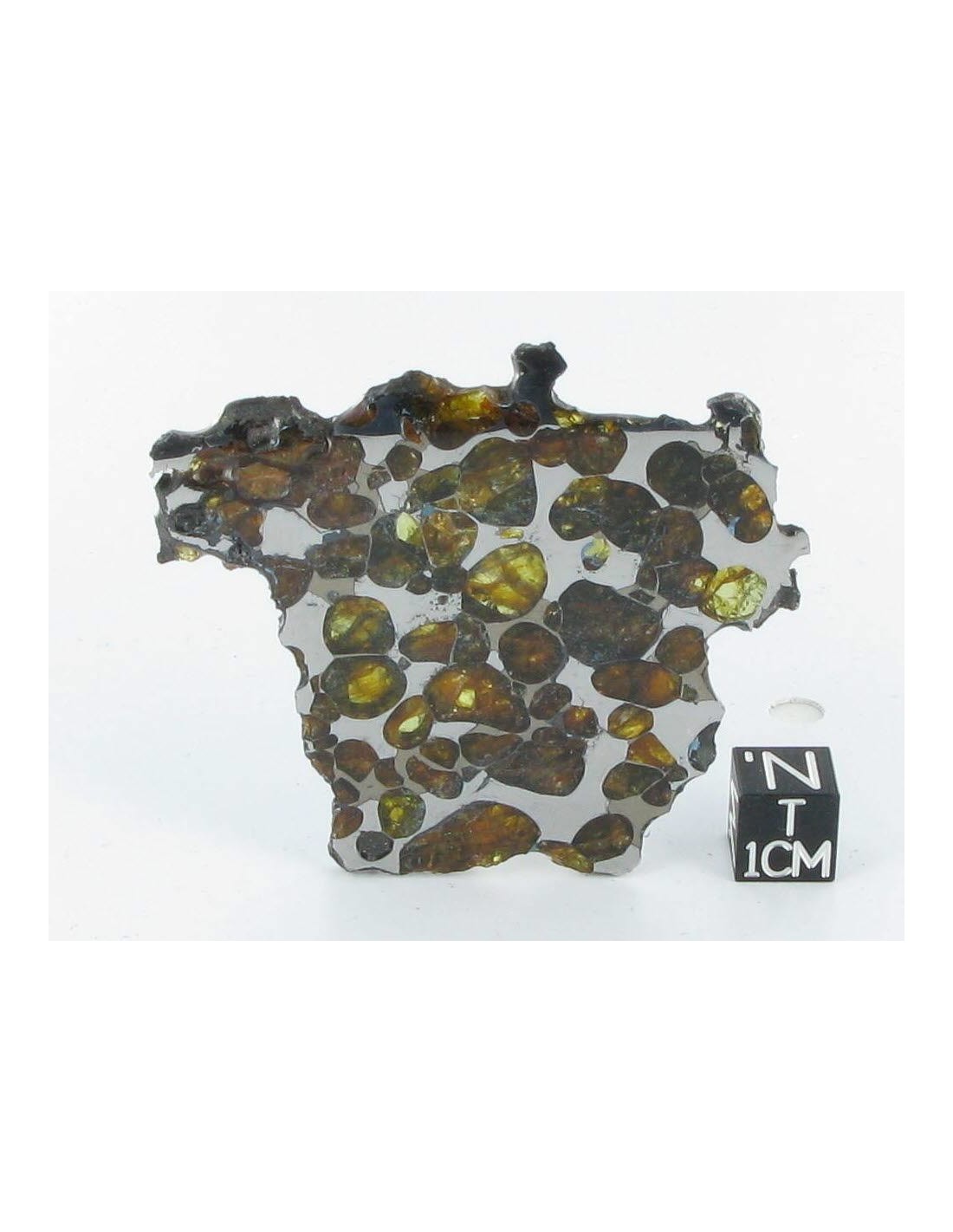
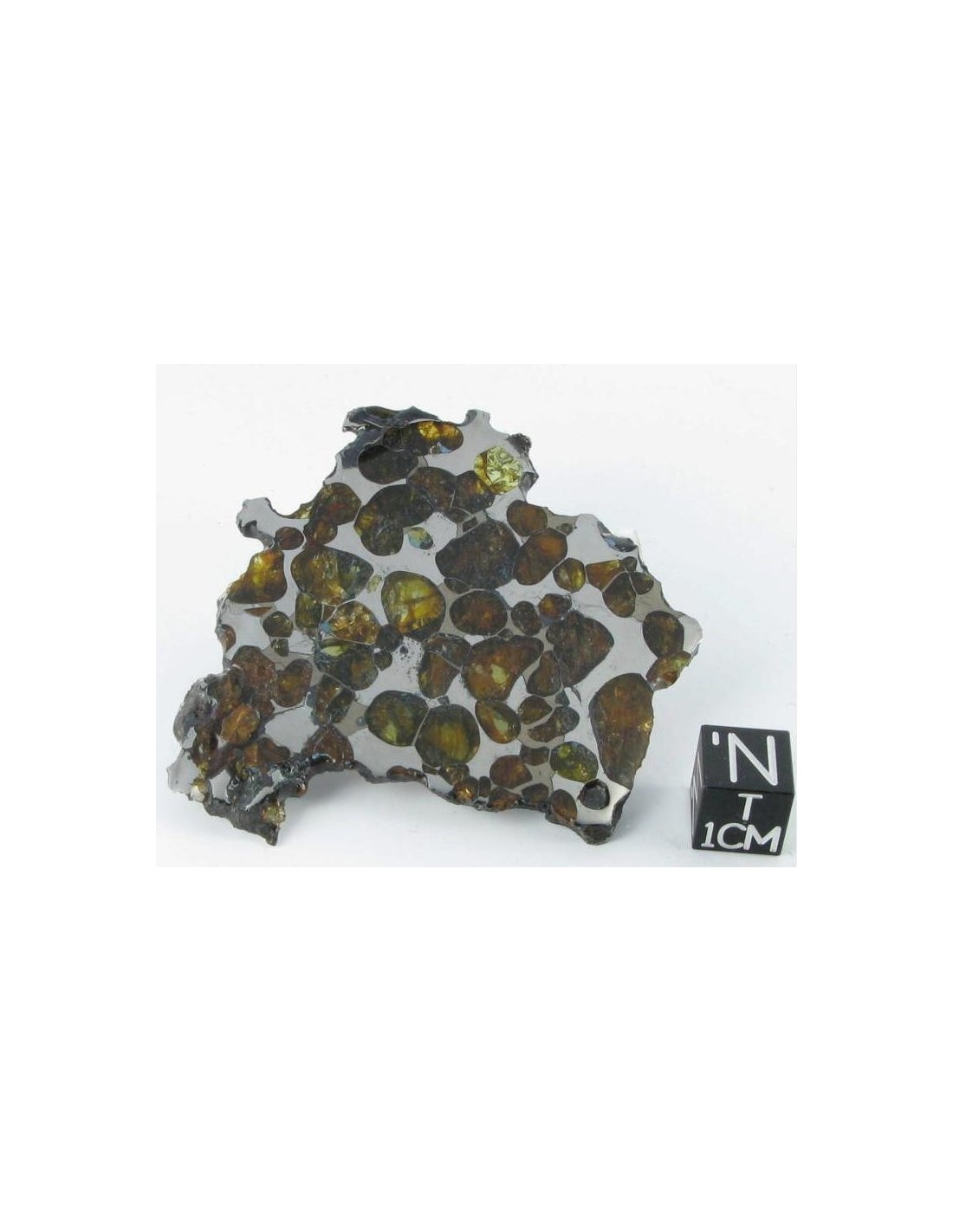
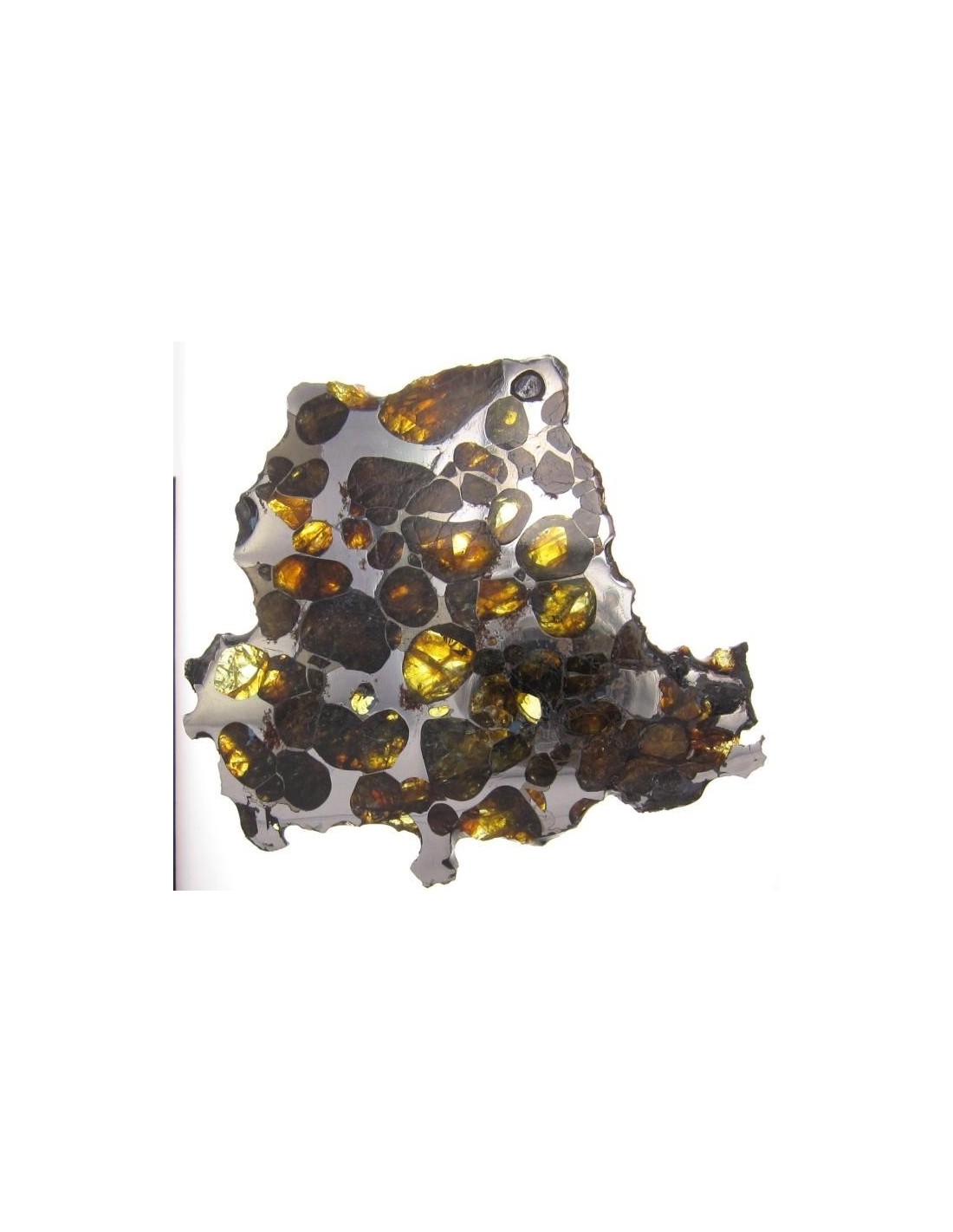
Exceptional slice of the historic Krasnojarsk pallasite weighing 24.92 g, displaying the classic association of translucent olivine crystals embedded within an iron-nickel metallic matrix. Known historically as the “Pallas Iron,” Krasnojarsk is the meteorite that gave its name to the entire pallasite class following the pioneering work of Peter Simon Pallas during the 18th century. This specimen combines strong historical significance, extraterrestrial crystalline beauty, and the rare structure characteristic of stony-iron meteorites formed near the core-mantle boundary of an ancient differentiated asteroid.
This historic slice of the famous Krasnojarsk pallasite weighs 24.92 g and preserves the classic structure that made this meteorite one of the most important specimens in the history of meteoritics.
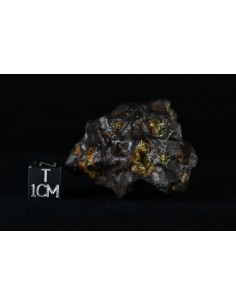
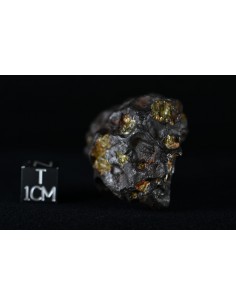
The specimen displays translucent olivine crystals naturally embedded within an iron-nickel metallic matrix, producing the characteristic texture associated with pallasite meteorites.
The contrast between silicate crystals and metallic phases creates a visually striking extraterrestrial structure formed deep within an ancient differentiated asteroid more than 4.5 billion years ago.
Krasnojarsk occupies a unique place in the history of science. During the 18th century, the German naturalist Peter Simon Pallas studied this unusual meteorite discovered in Siberia and carefully documented its extraordinary structure.
This pioneering work later led to the creation of the term pallasite, used today for all stony-iron meteorites composed of olivines within iron-nickel metal.
Krasnojarsk therefore represents the original historical reference specimen for the entire pallasite group.
The olivine crystals visible in this slice formed under extreme conditions near the boundary between the metallic core and silicate mantle of an early asteroid.
The surrounding iron-nickel matrix preserves the metallic component of this ancient planetary body, while the olivines provide transparency, color, and structural contrast highly appreciated by collectors.
Krasnojarsk specimens are particularly sought after because of their exceptional historical importance within meteoritics.
Collectors value:
Even small slices such as this specimen hold considerable scientific and historical interest due to the foundational role of Krasnojarsk in meteorite classification.
Krasnojarsk is the historic pallasite meteorite studied by Peter Simon Pallas during the 18th century.
It became the original reference specimen for all pallasite meteorites and played a major role in the development of meteoritics.
They were named in honor of Peter Simon Pallas, who studied the Krasnojarsk meteorite.
Pallasites consist mainly of olivine crystals embedded within iron-nickel metal.