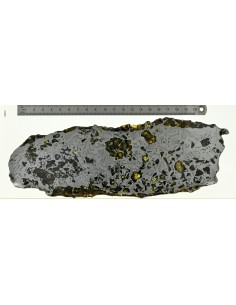
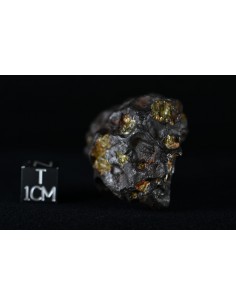
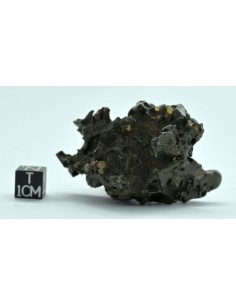
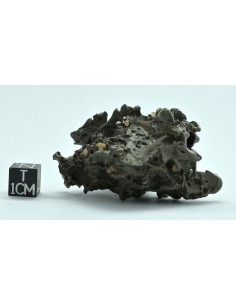
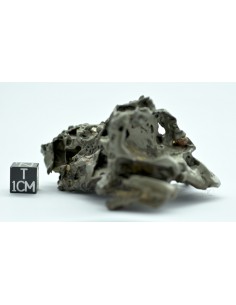
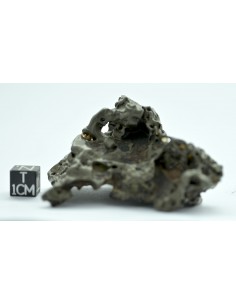
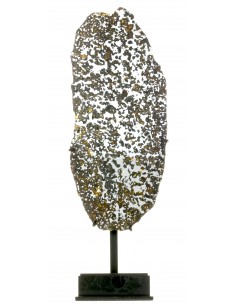
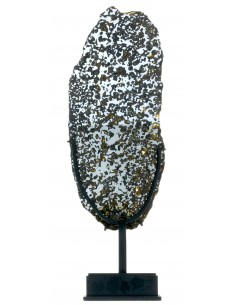
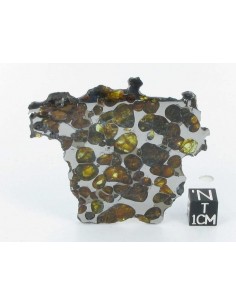
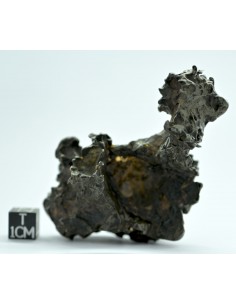
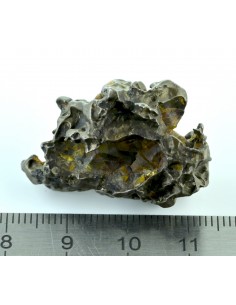
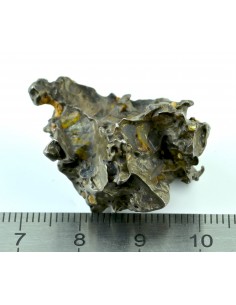
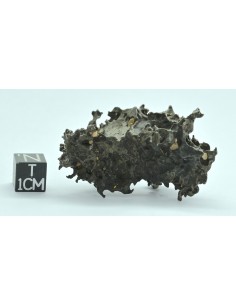
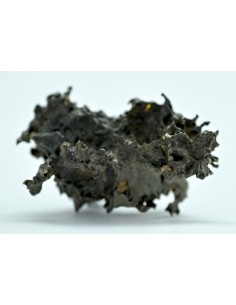
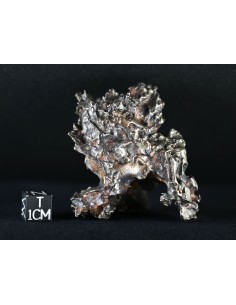
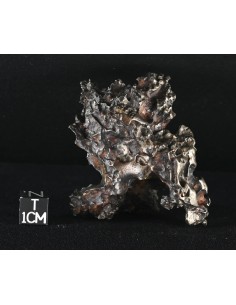
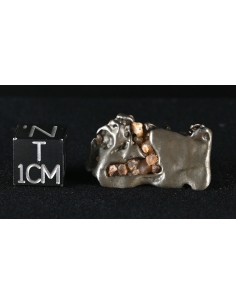
Fukang Pallasite – Etched Slice with Translucent Peridot Olivines – 622 g
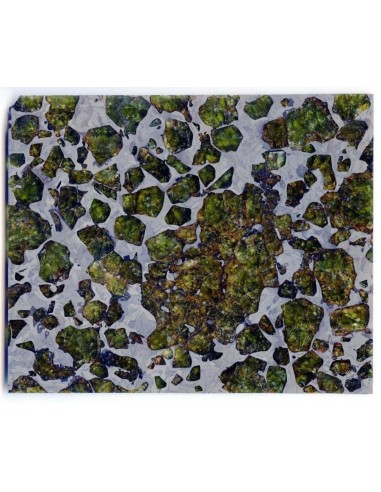
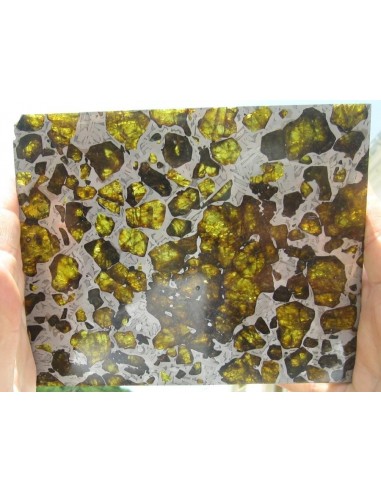
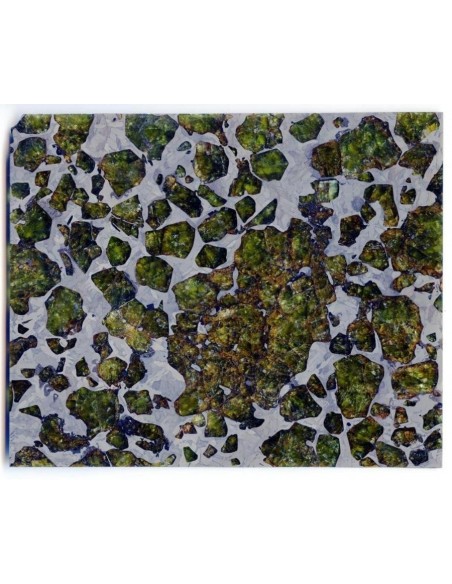
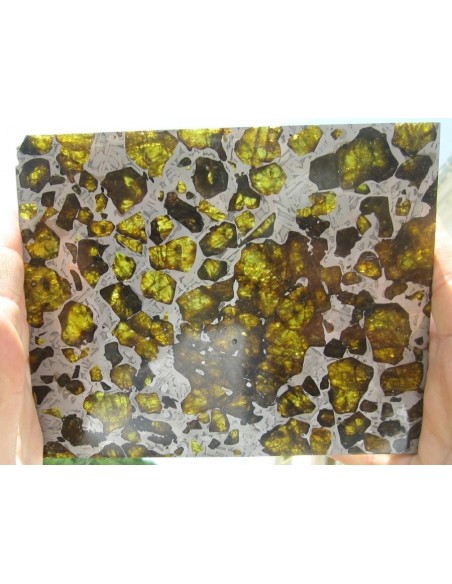
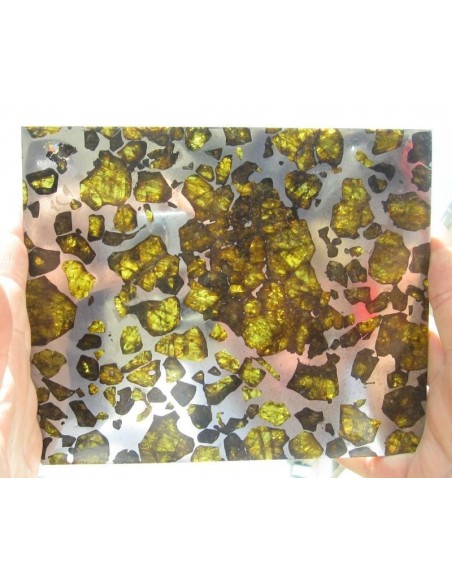
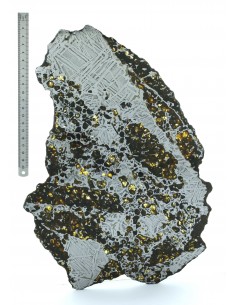
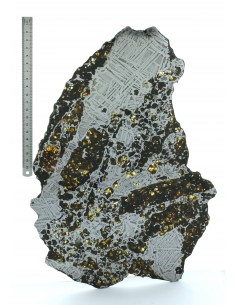
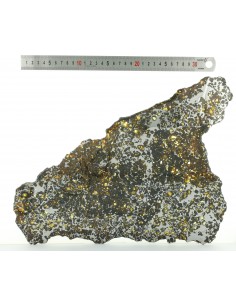
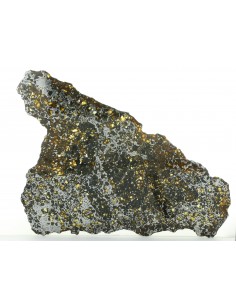
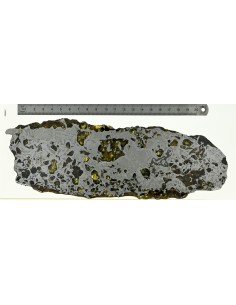
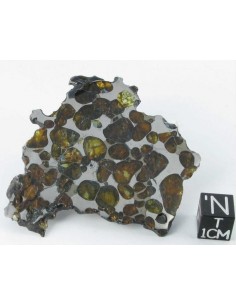
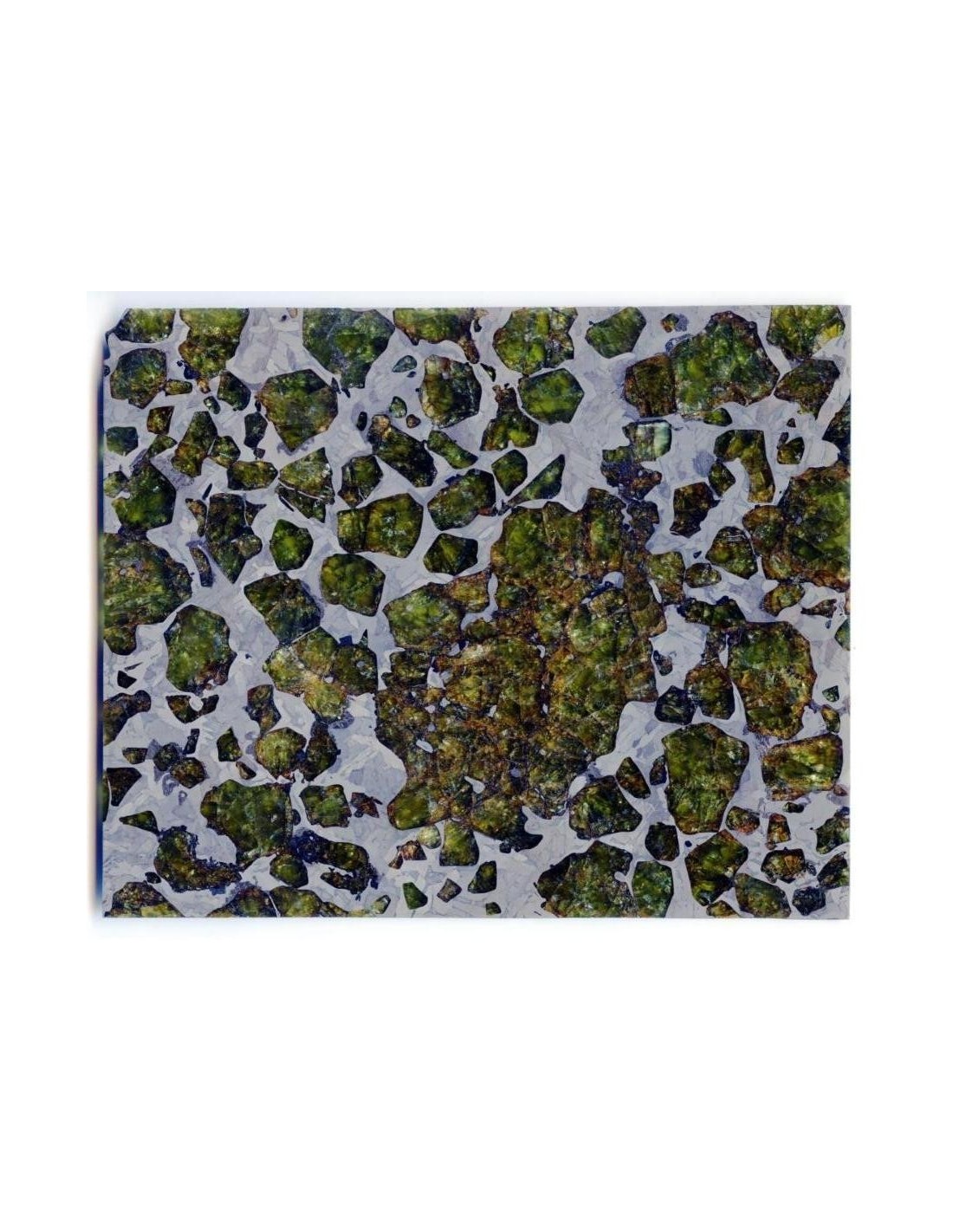
This exceptional 622 g etched slice of the renowned Fukang pallasite presents a spectacular arrangement of translucent olivine crystals suspended within an iron-nickel metallic matrix.
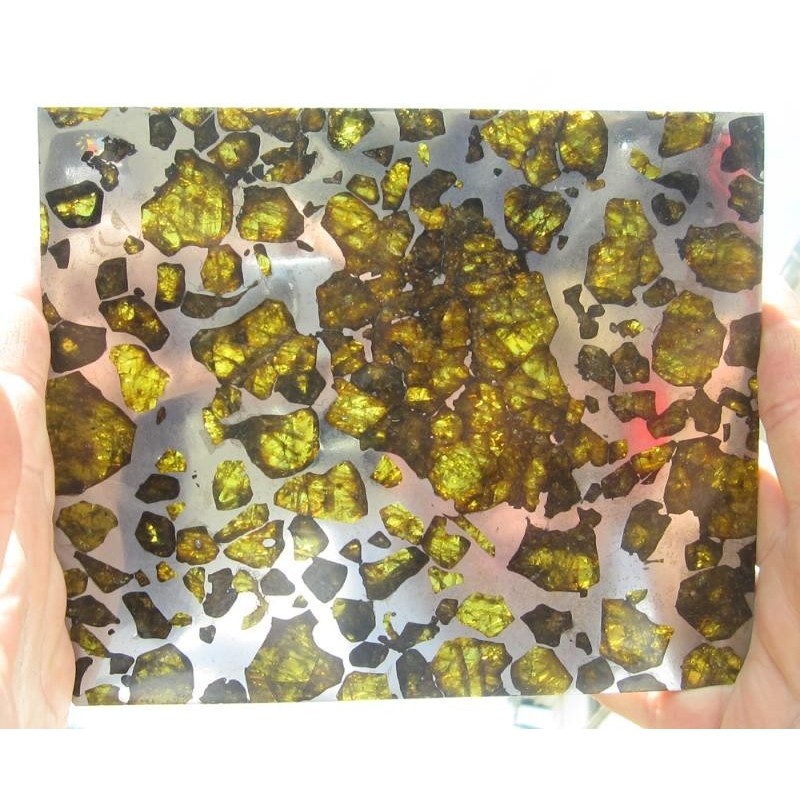
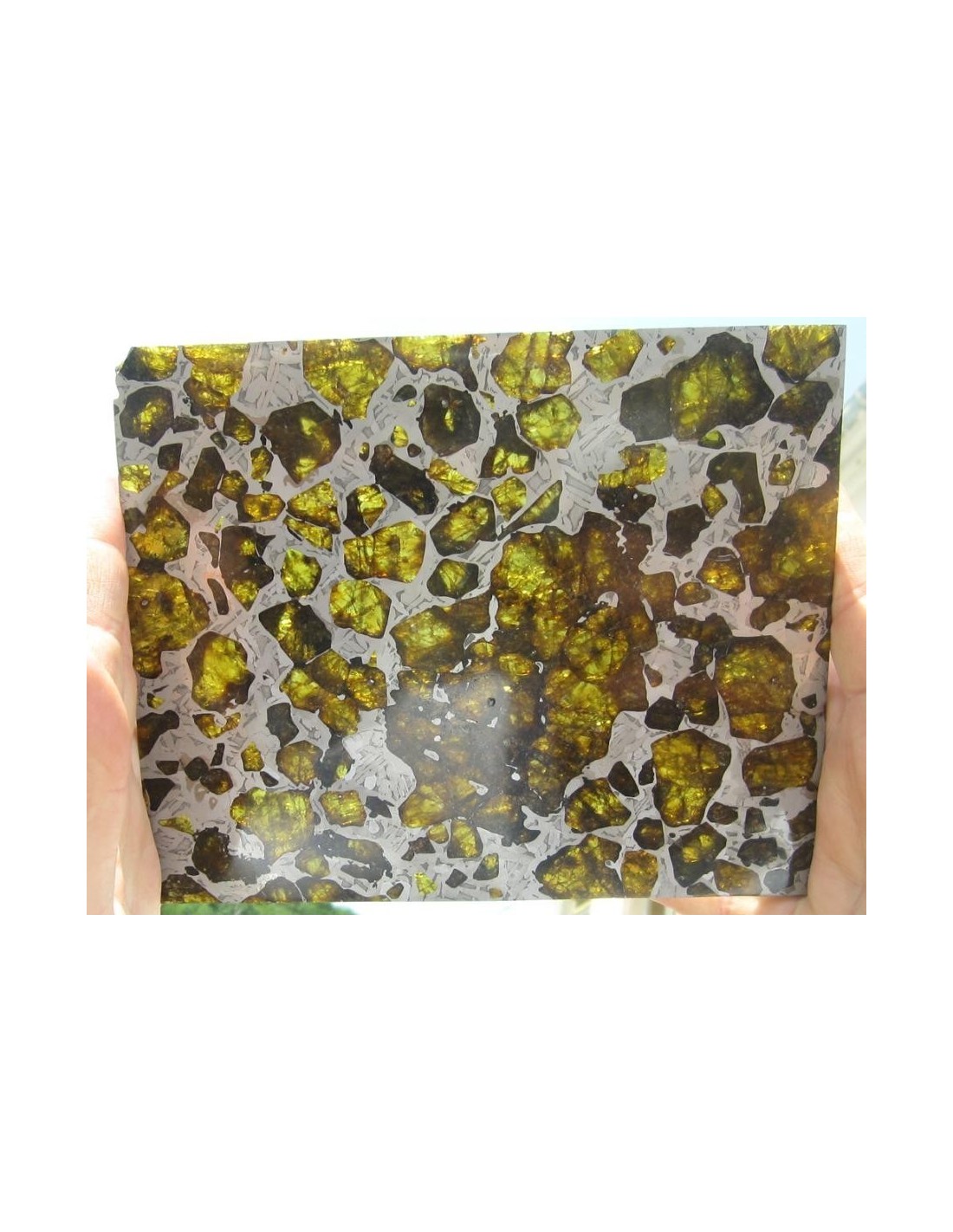
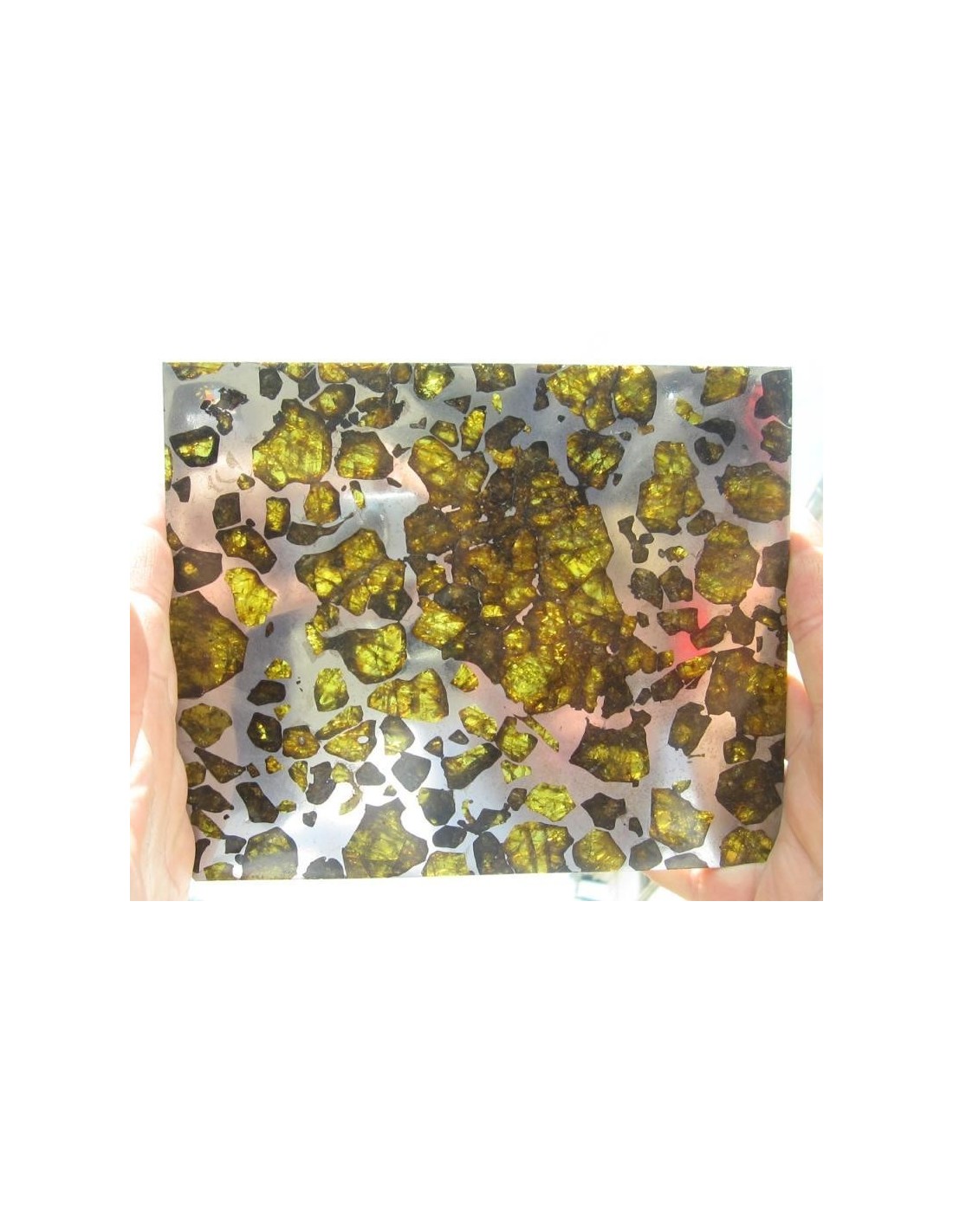
The specimen displays large peridot-quality olivines with remarkable transparency and luminous golden-green coloration when illuminated. The visual contrast between translucent crystals and etched metallic structure creates an extraordinary stained-glass appearance highly sought after among advanced collectors.
Translucent Extraterrestrial Peridots
Many olivine crystals within this slice display excellent translucency and reveal vivid green, olive, golden, and amber tones under transmitted light.
These extraterrestrial olivines formed more than 4.5 billion years ago inside a differentiated asteroid and represent some of the most visually spectacular silicate crystals found in meteorites.
The balanced distribution of crystals across the slice creates a highly aesthetic composition with exceptional luminosity and depth.
Etched Iron-Nickel Structure
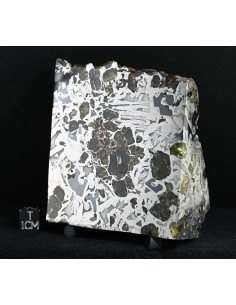
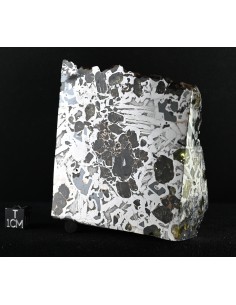
The iron-nickel matrix has been carefully etched to reveal the internal metallic structure of the meteorite.
This preparation highlights the Widmanstätten pattern and enhances the contrast between metallic phases and olivine crystals, producing remarkable structural complexity throughout the specimen.
The combination of etched metal and translucent olivines gives the slice exceptional visual richness and display quality.
The Fukang Pallasite
Fukang is one of the most famous pallasites ever discovered and is considered among the most beautiful meteorites available to collectors.
Discovered in the Xinjiang region of China, Fukang belongs to the main-group pallasites, a rare class of stony-iron meteorites believed to originate from the boundary zones between the metallic core and silicate mantle of early differentiated asteroids.
Its large translucent olivines and strong visual contrast have made Fukang a reference specimen among high-end pallasites.
Collector and Display Interest
This large Fukang slice combines several highly desirable characteristics:
- Large translucent peridot-quality olivines
- Strong backlit transparency
- Etched Widmanstätten metallic structure
- Excellent crystal distribution
- Large display size
- Outstanding visual contrast
Its impressive dimensions and luminous appearance make it particularly suitable for museum display, luxury interior presentation, or advanced meteorite collections.
Specimen Details
- Meteorite: Fukang
- Type: Stony-iron meteorite – Main-group pallasite
- Weight: 622 g
- Form: Etched slice
- Features: Translucent olivines, etched metal, Widmanstätten structure
- Origin: Xinjiang, China
FAQ – Fukang Pallasite
What makes Fukang pallasite special?
Fukang is famous for its large translucent olivine crystals and spectacular visual contrast between metal and silicates.
What are the green crystals in Fukang?
They are olivine crystals, also known as peridot when gem quality, formed naturally inside an asteroid.
Why is the metal etched?
Etching reveals the internal Widmanstätten structure of the iron-nickel metal and enhances the visual contrast of the specimen.
Why are large Fukang slices valuable?
Large slices with transparent olivines and balanced crystal distribution are rare and highly prized for display and collection purposes.