Shopping Cart
There are no more meteorites in your cart
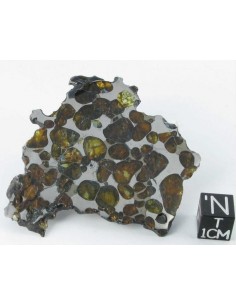
Pallasites
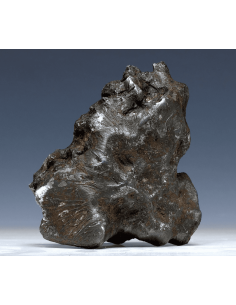
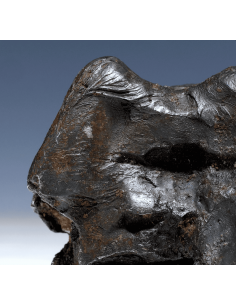
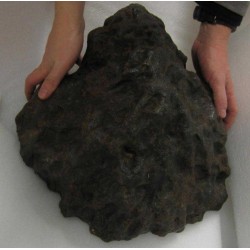
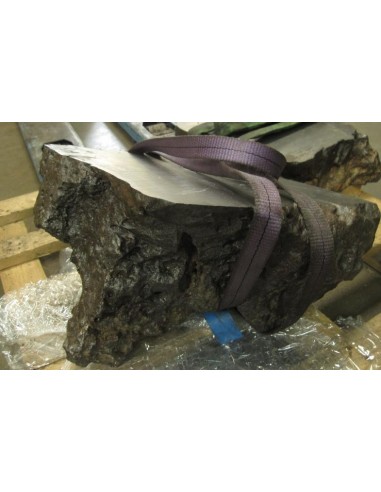
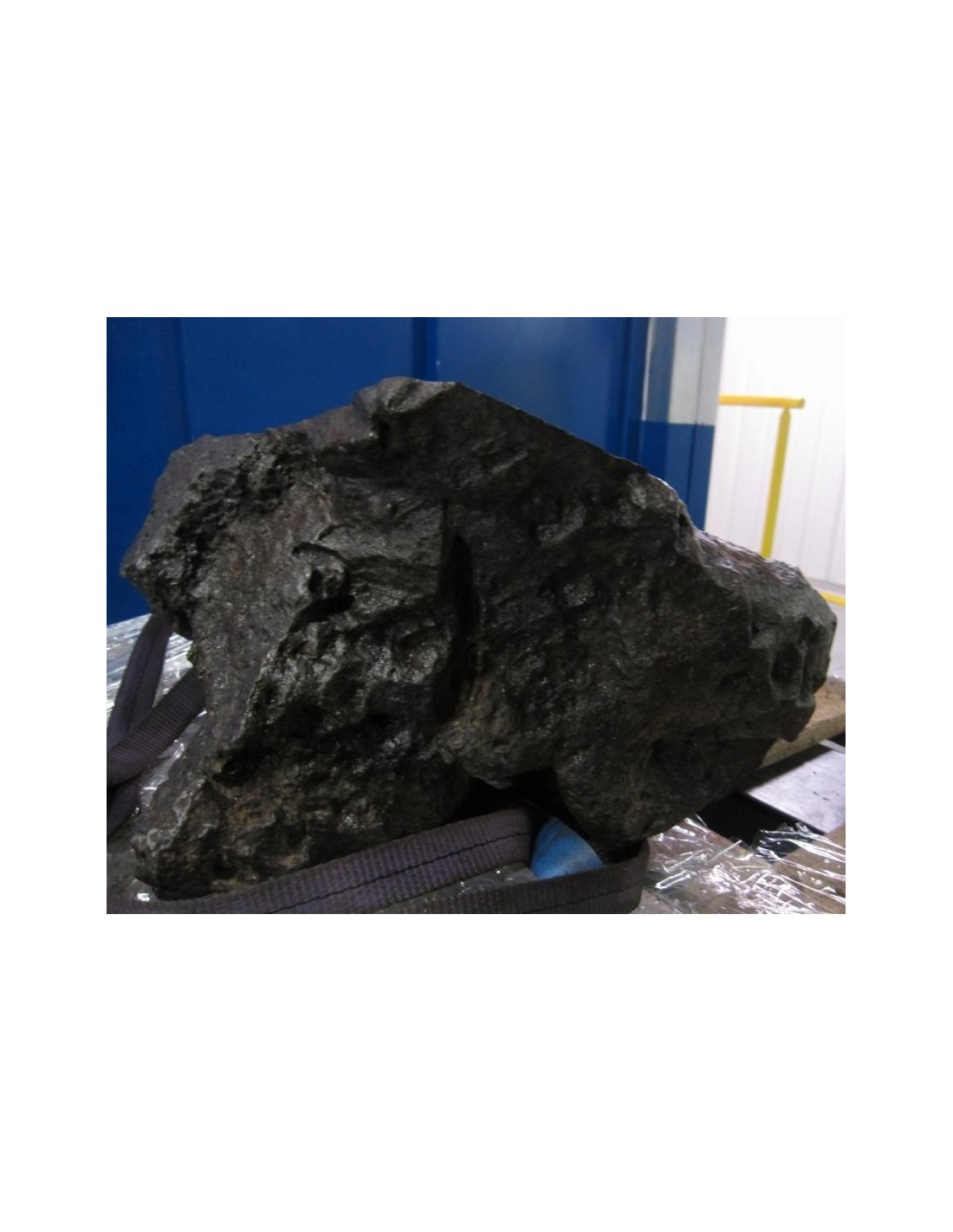
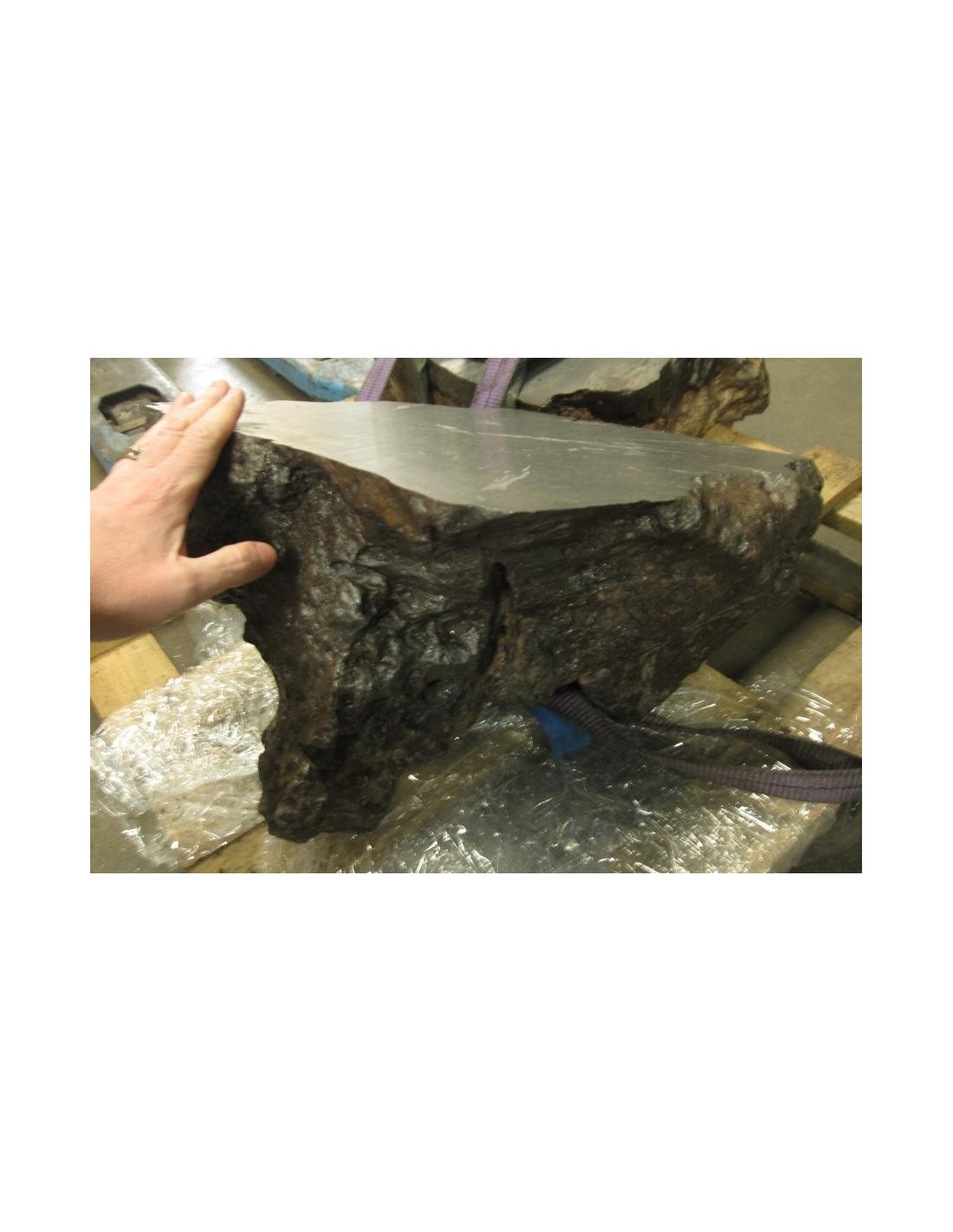
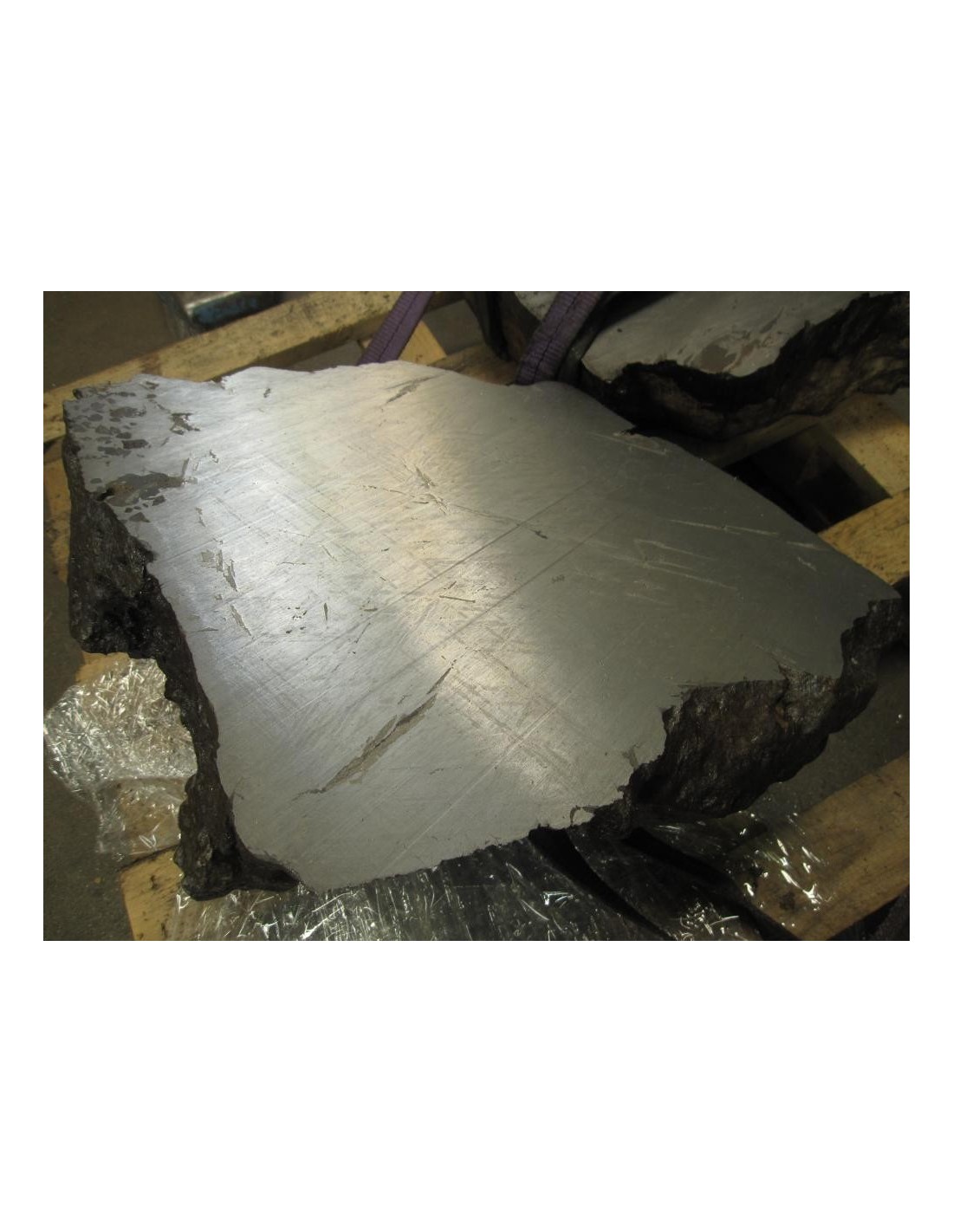
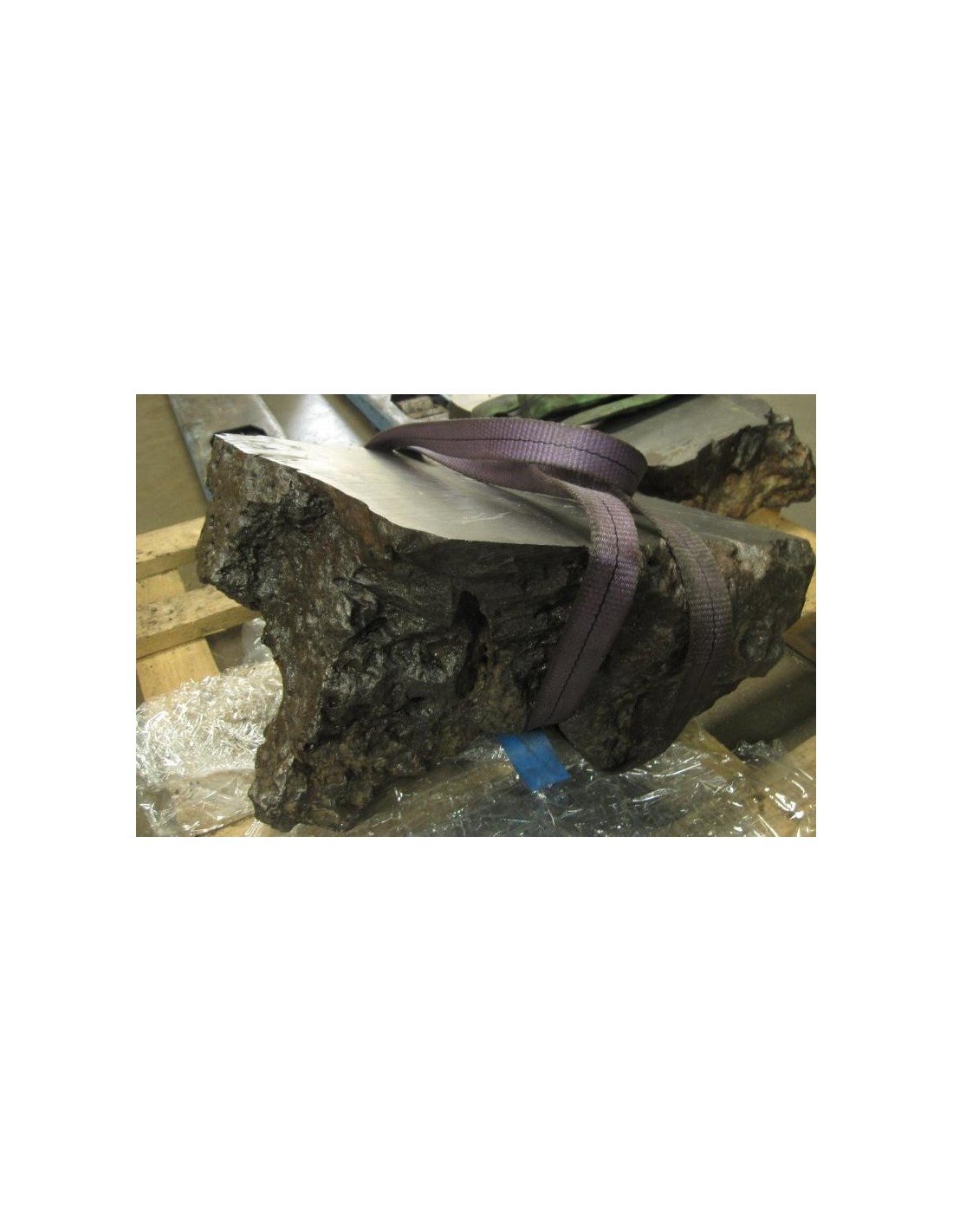
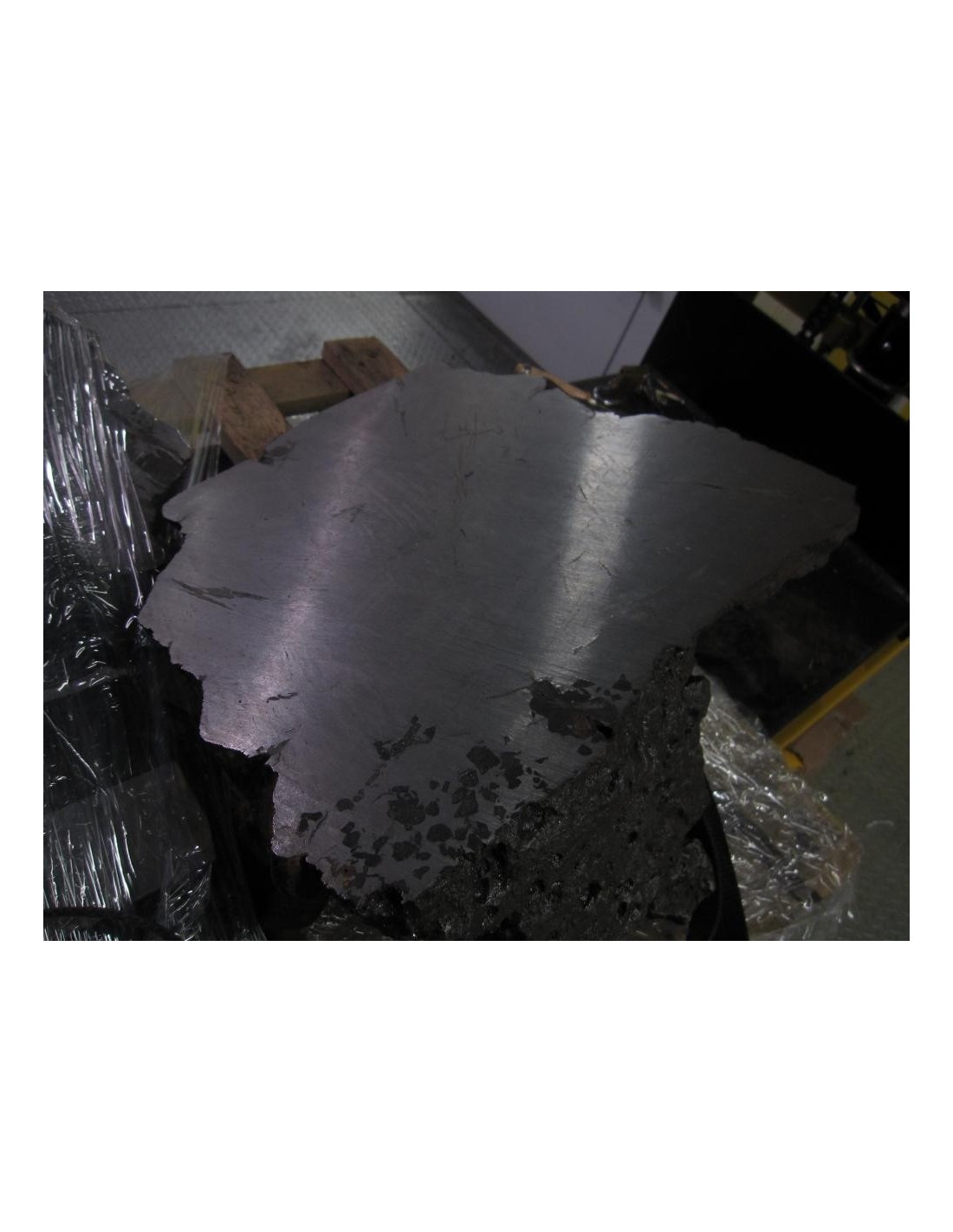
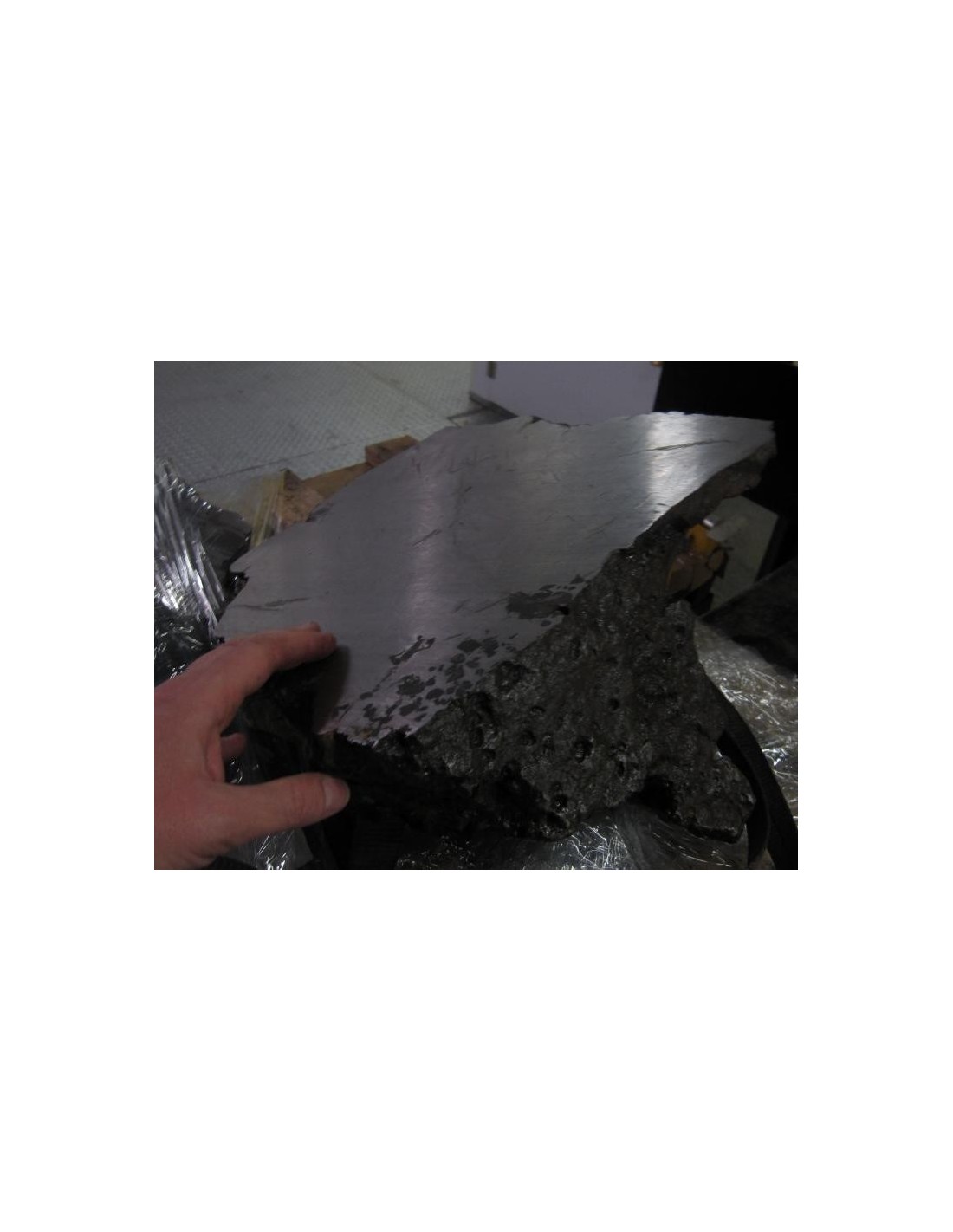
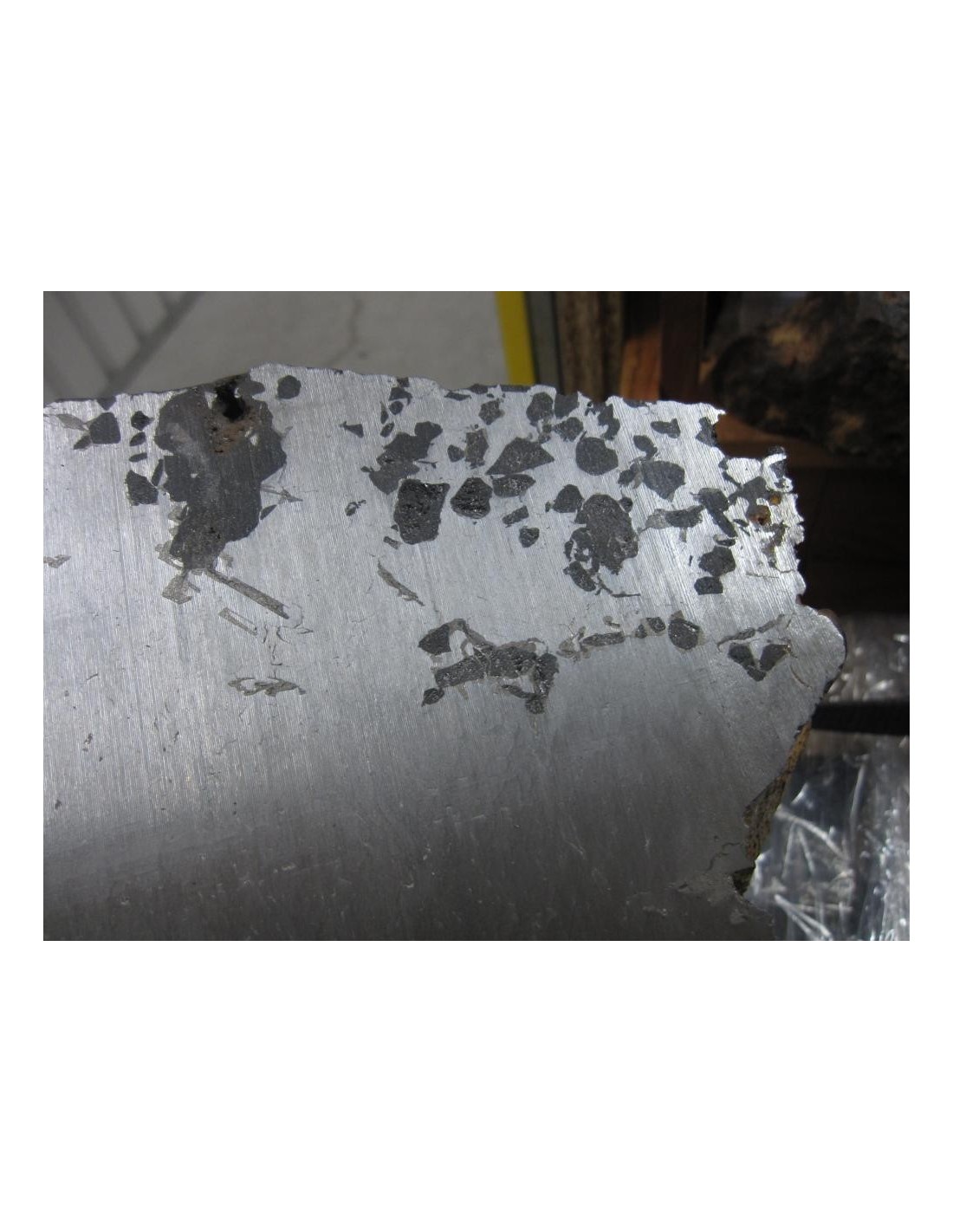
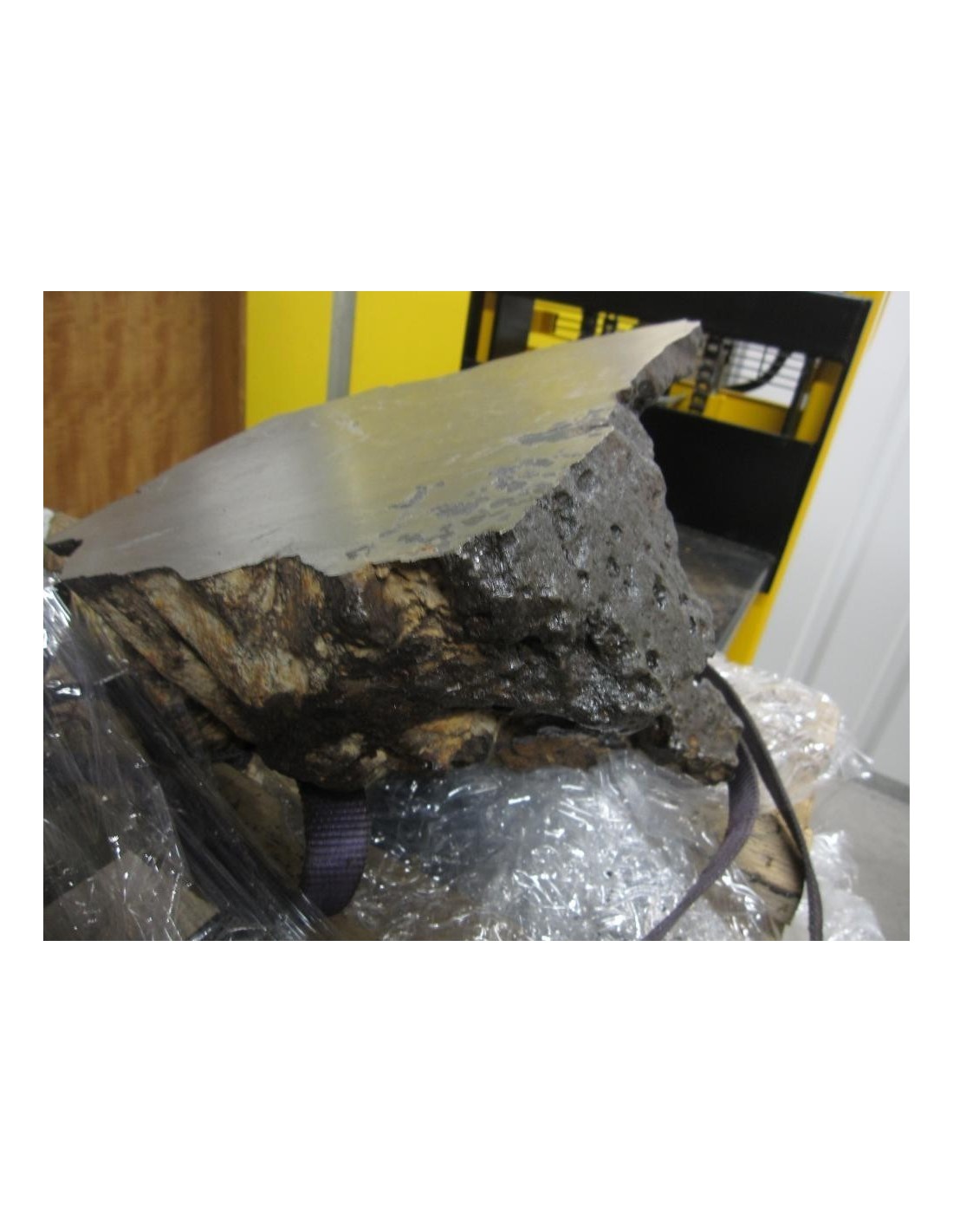
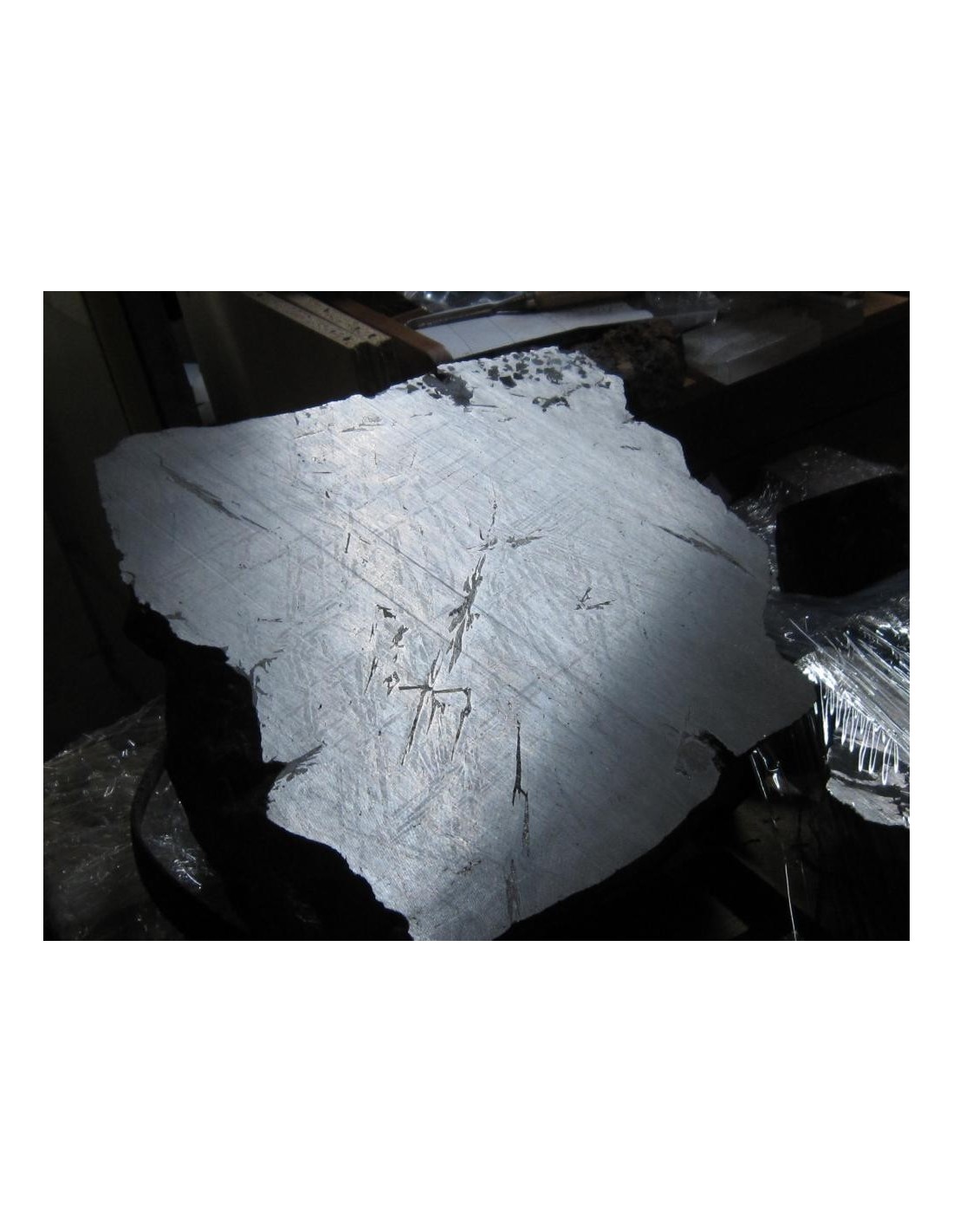
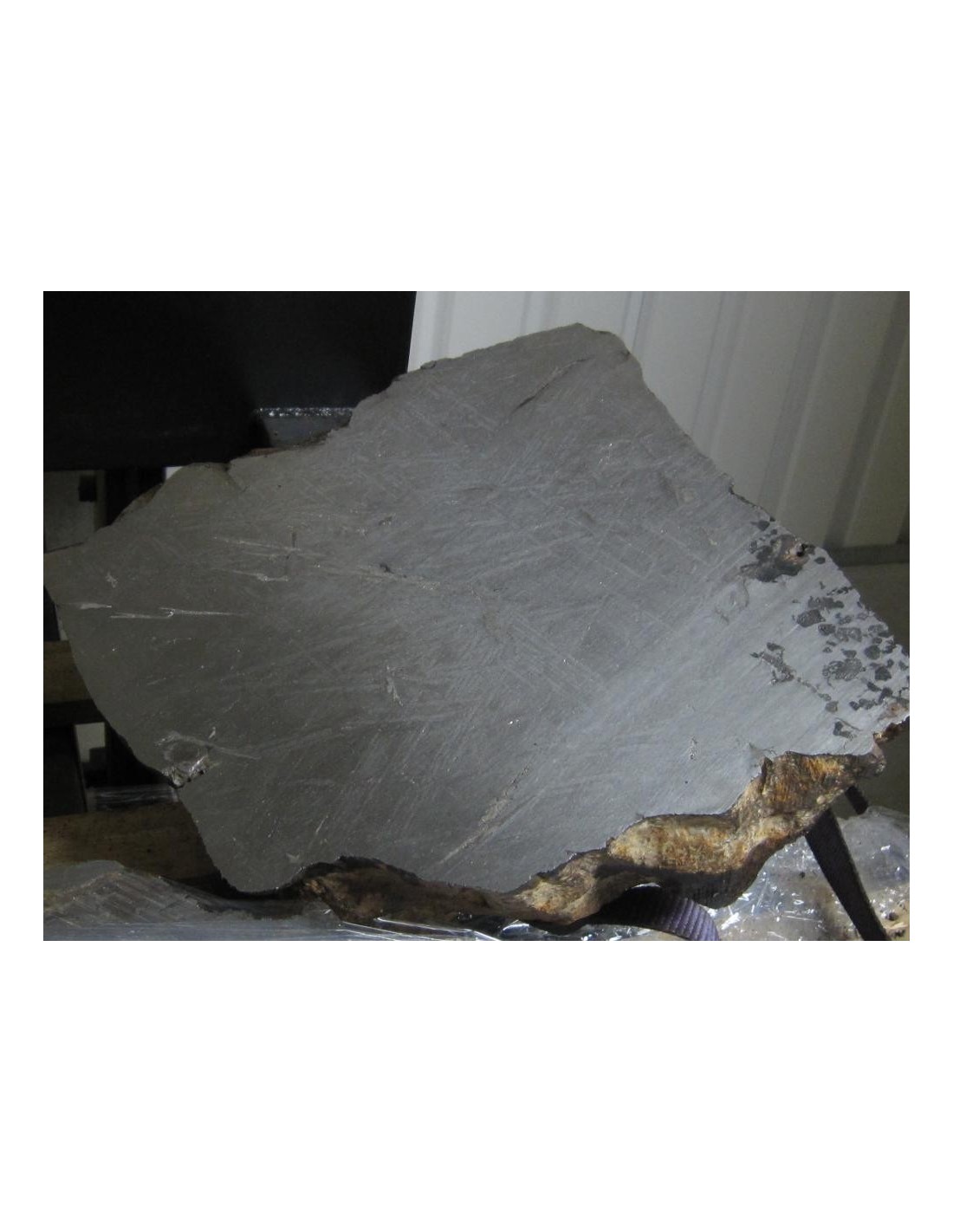
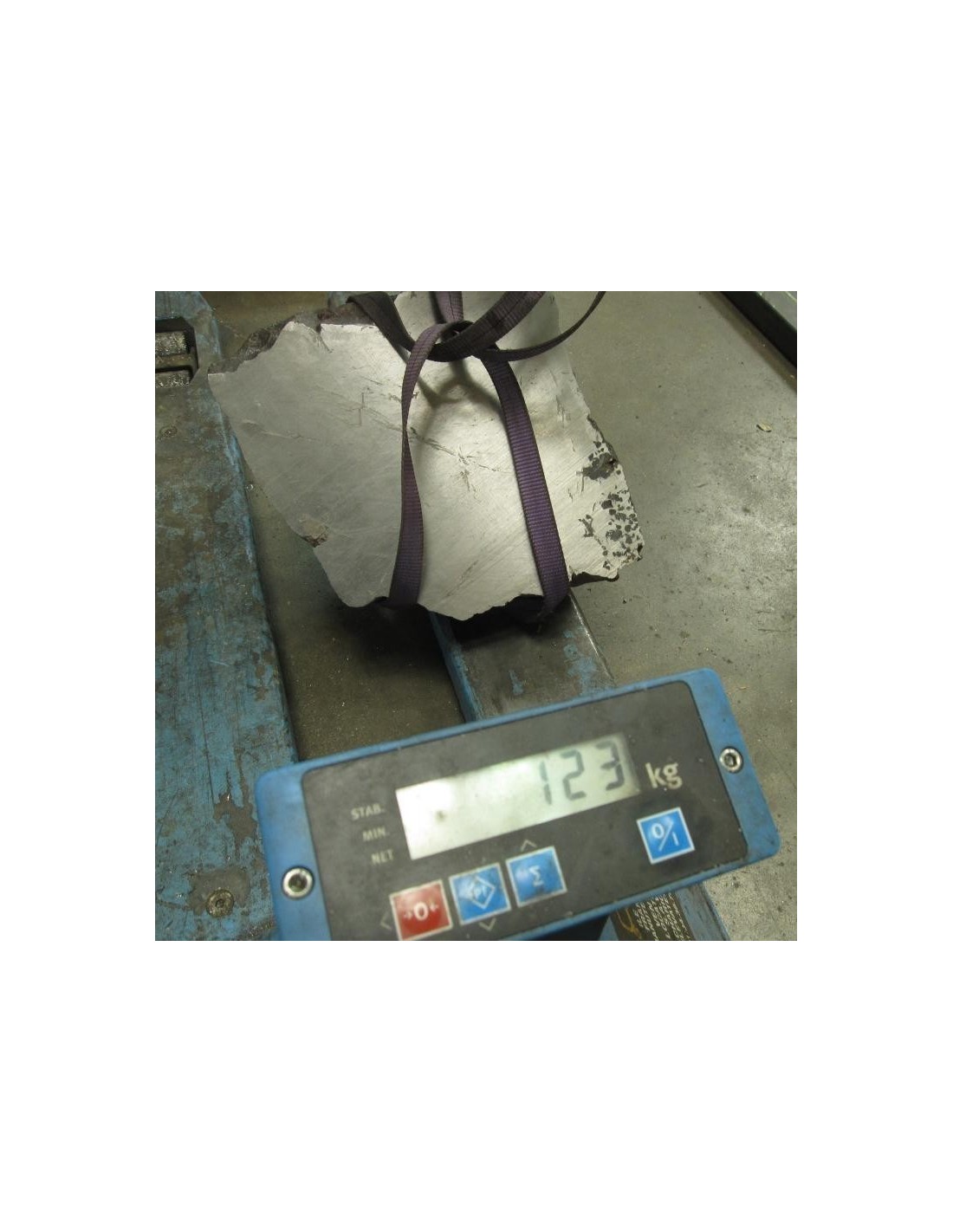
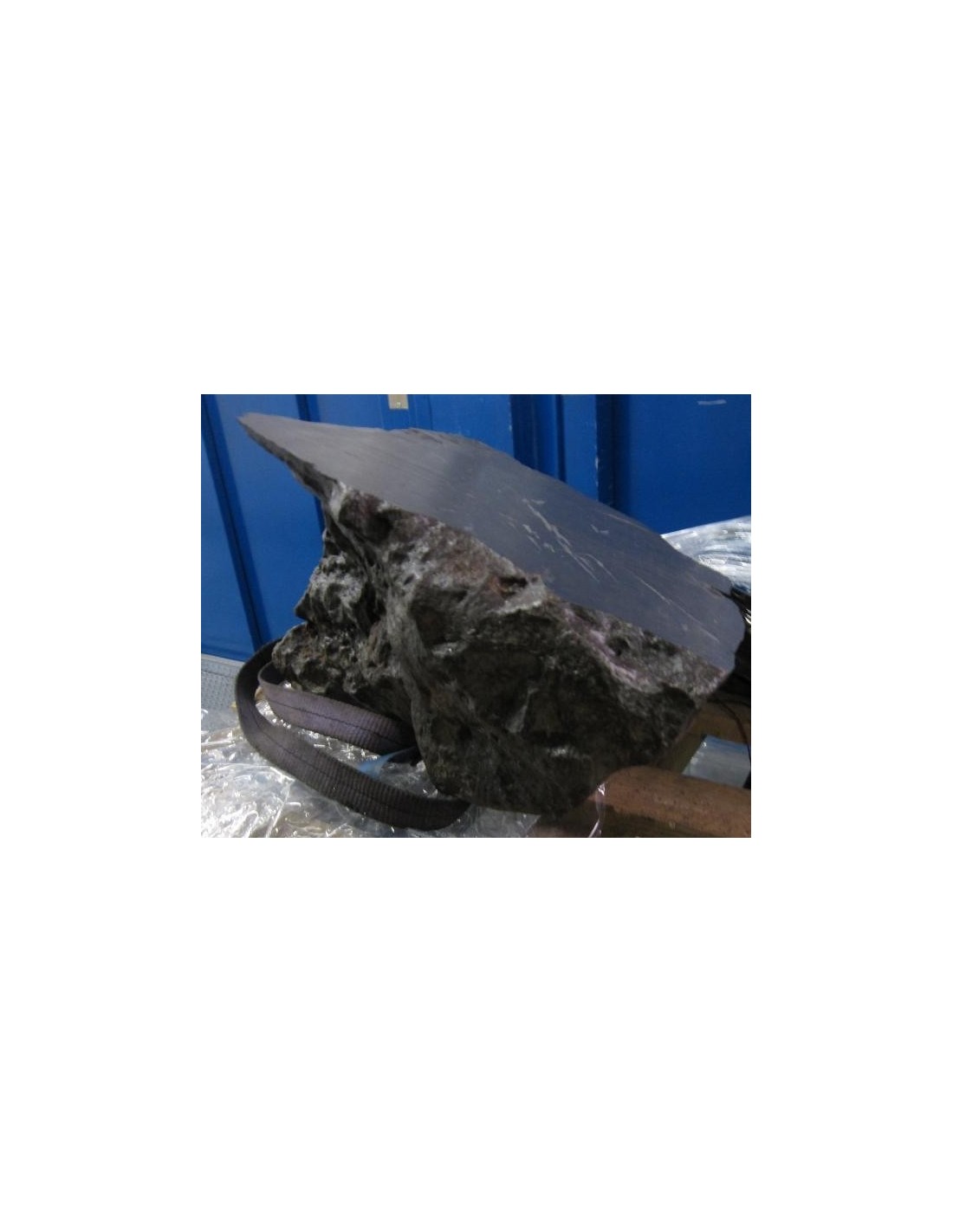
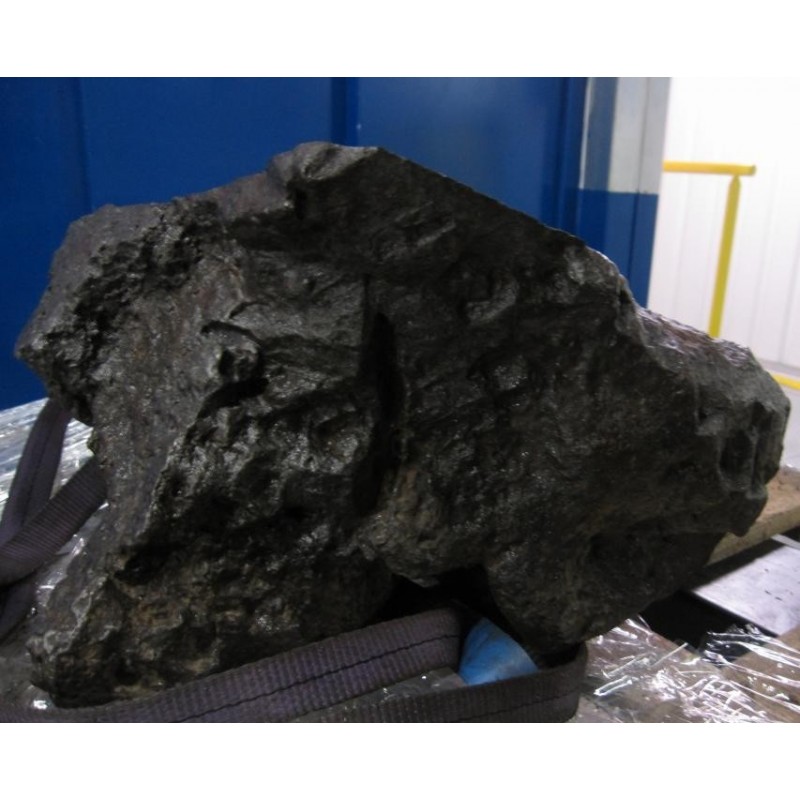
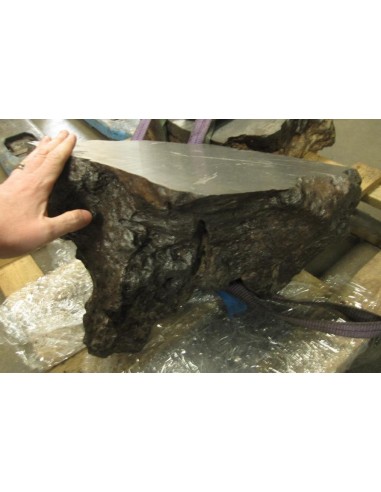
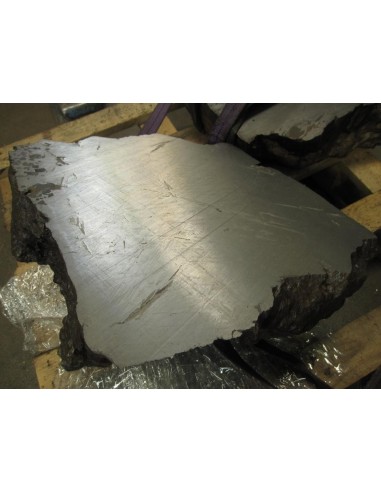
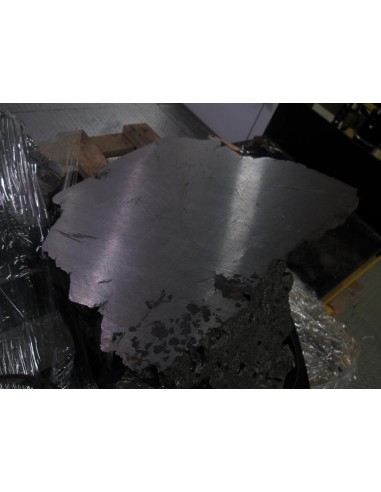
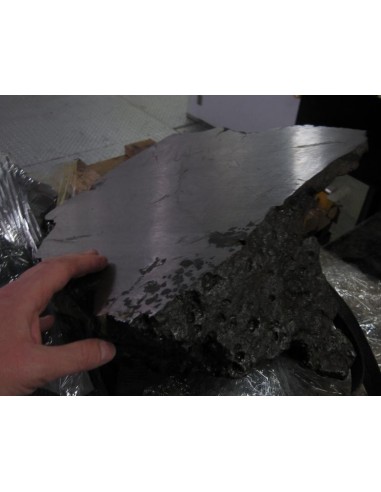
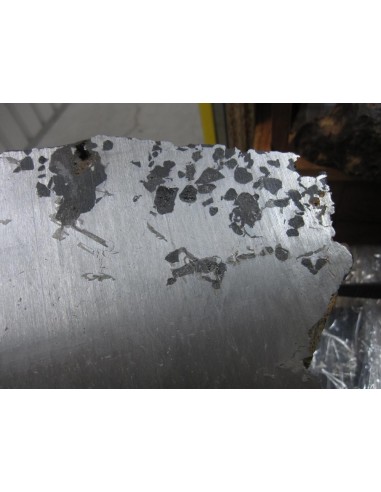
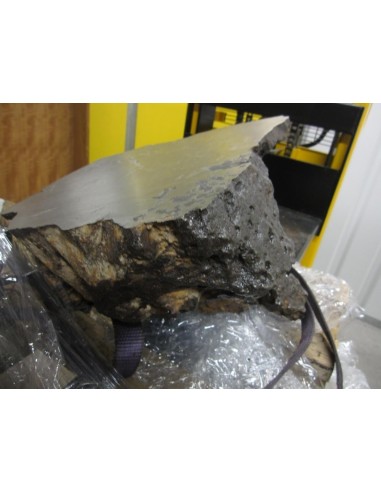
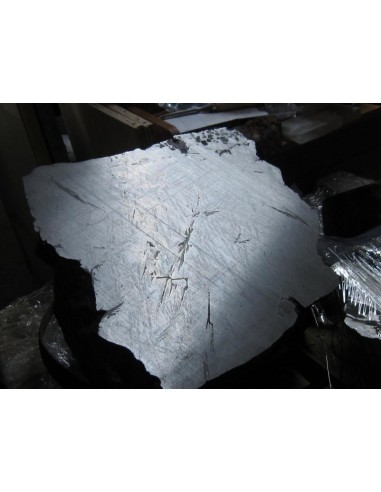
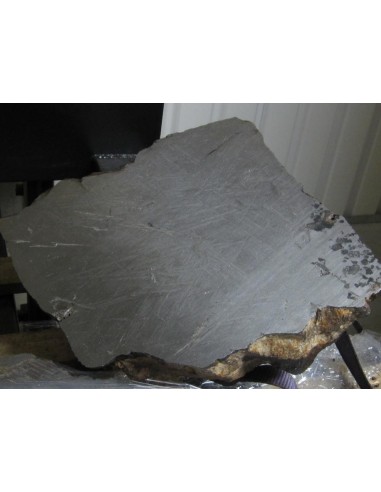
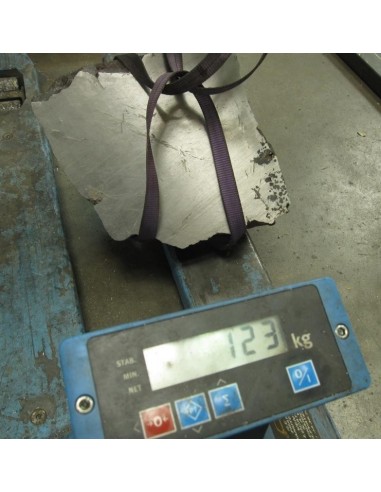
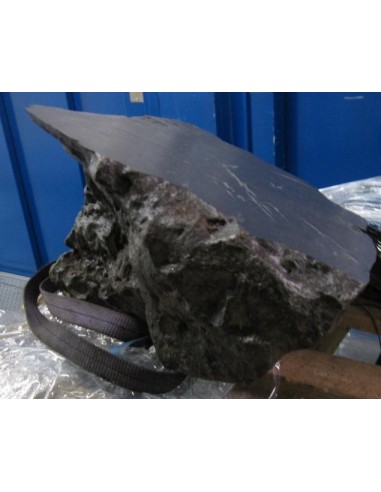
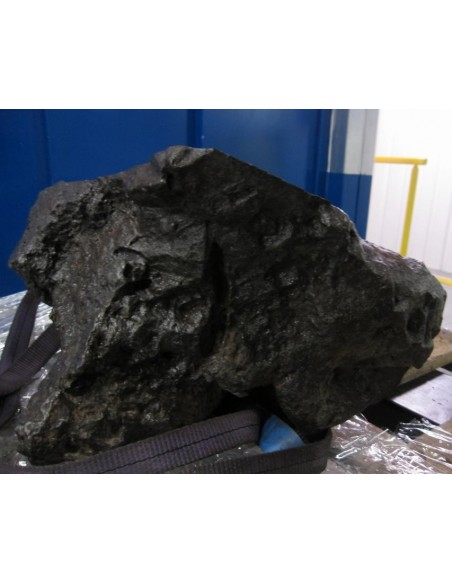
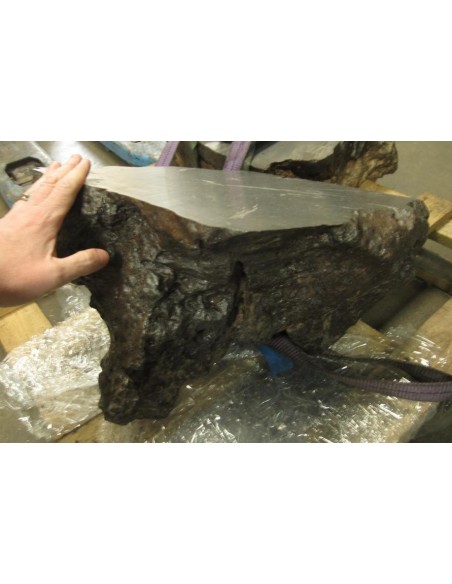
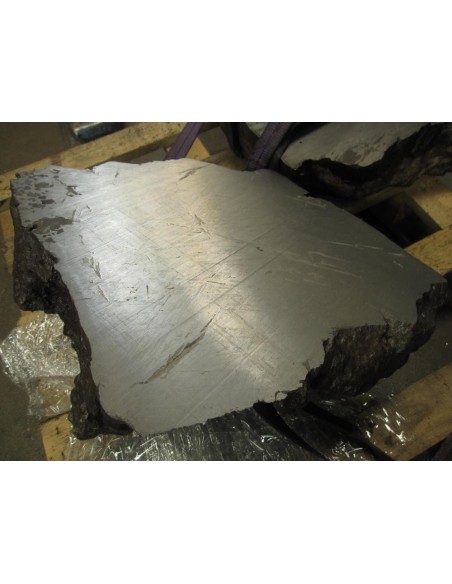
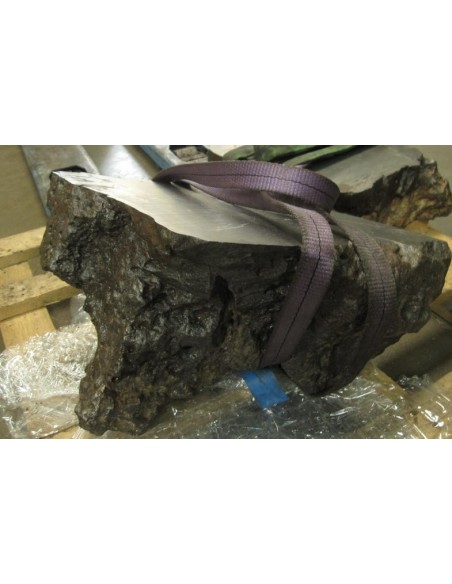
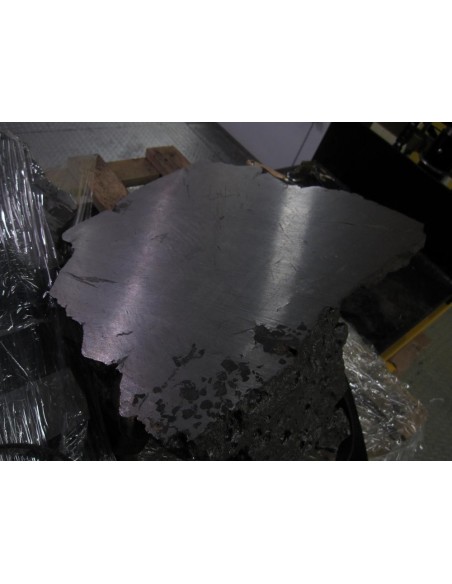
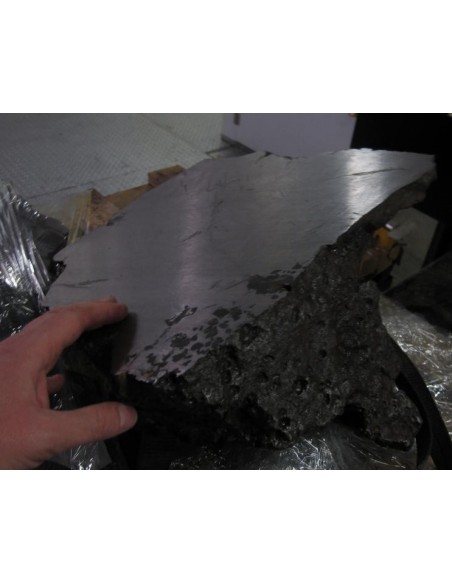
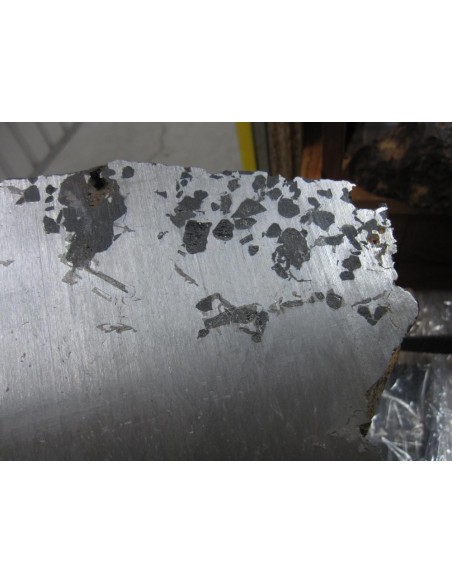
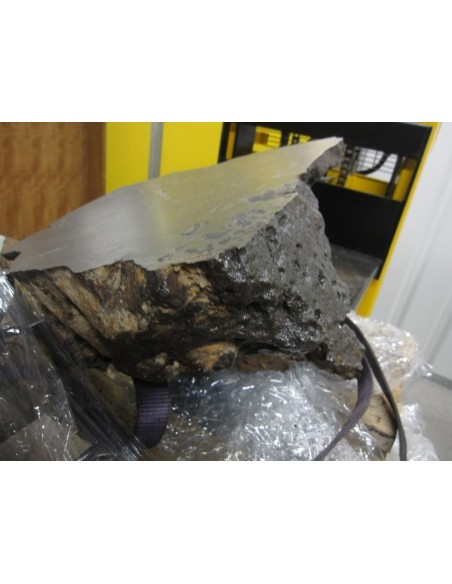
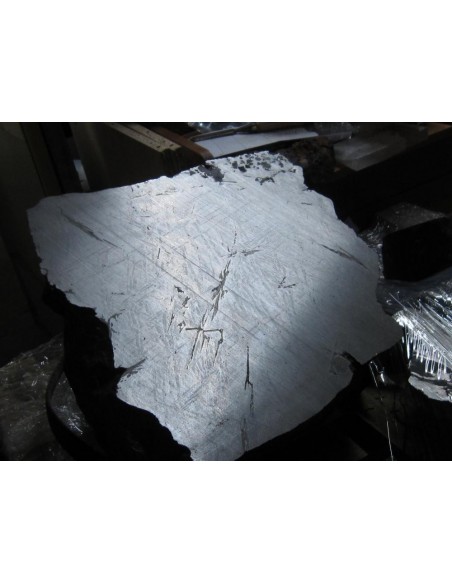
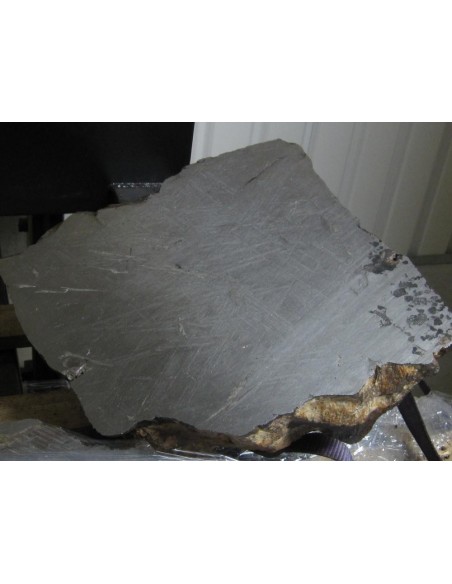
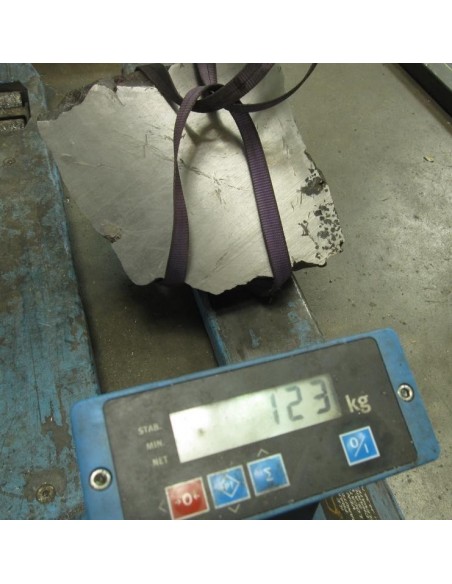
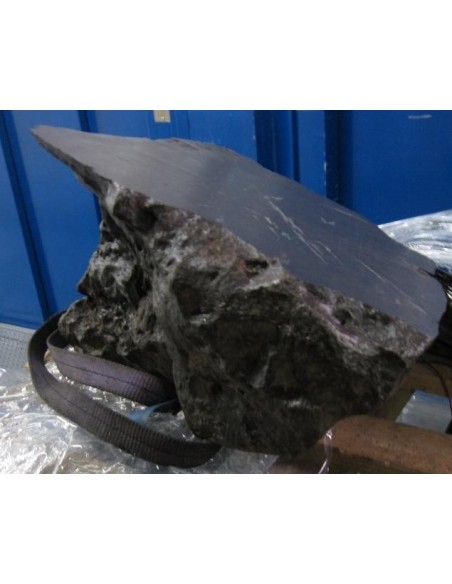
Exceptional 123 kg Seymchan meteorite end cut combining a massive natural exterior surface with a large raw cut face revealing the internal metallic structure of this famous pallasitic iron meteorite. The specimen preserves deep natural regmaglypts across its exterior while the sawn section already displays visible Widmanstätten structures and a few olivine-bearing zones near the edge. The cut surface remains in a raw preparation state, retaining some traces of wire-saw cutting and offering significant potential for future polishing and etching. A monumental display specimen combining sculptural natural aesthetics, scientific interest, and exceptional preparation potential.
This exceptional 123 kg Seymchan meteorite end cut combines an impressive natural exterior surface with a massive exposed cut face revealing the internal metallic structure of this famous Siberian meteorite.
The specimen presents the characteristic appearance of a meteorite end cut, preserving one large sawn surface while maintaining the remaining exterior surfaces in their natural state.
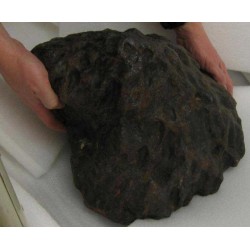
Its monumental dimensions and strong visual contrast between raw natural crust and exposed metallic interior make this specimen particularly impressive for advanced collections, exhibition spaces, or museum presentation.
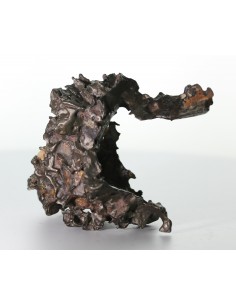
The exterior surface preserves the classic sculpted appearance associated with large iron meteorites, displaying deep regmaglypts and natural relief features developed through atmospheric ablation and terrestrial weathering.
The dark natural patina and broad sculptural morphology provide strong visual impact and preserve the authentic character of the original meteoritic mass.
The combination of natural relief and exposed interior structure creates a highly educational and visually powerful specimen.
The large cut surface exposes the metallic interior of the meteorite and already reveals visible Widmanstätten structures characteristic of Seymchan.
The surface currently remains in a raw preparation state and still preserves some visible traces from wire-saw cutting operations.
While not yet fully polished and etched, the specimen already displays the internal metallic organization that makes Seymchan highly appreciated among collectors.
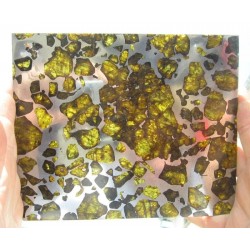
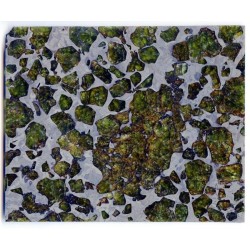
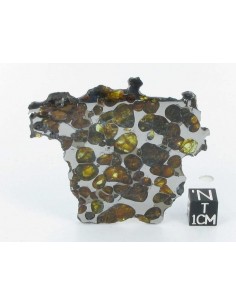
A few olivine-bearing areas are visible near parts of the cut edge, reflecting the transitional pallasitic nature found in portions of the Seymchan meteorite.
These silicate inclusions add additional scientific and collector interest by illustrating the complex internal structure of Seymchan, which contains both iron meteorite and pallasitic zones.
The cut surface offers exceptional preparation potential for collectors or institutions wishing to further enhance the specimen.
Additional polishing followed by etching using a nitric acid and ethanol solution would allow the Widmanstätten structures to emerge with far greater clarity and contrast.
Such preparation could potentially be performed on request, although it would require additional professional preparation work and separate invoicing.
Seymchan was discovered in the Magadan region of eastern Siberia and is classified as a stony-iron related iron meteorite containing both metallic and pallasitic sections.
Some portions consist almost entirely of iron-nickel metal displaying classic Widmanstätten patterns, while others contain olivine crystals characteristic of pallasitic material.
This dual nature has made Seymchan one of the most scientifically fascinating and visually desirable meteorites among modern collectors.
Large Seymchan end cuts are highly sought after because they simultaneously display:
The combination of natural sculptural aesthetics and exposed internal structure makes this specimen particularly suited for museums, advanced collections, or architectural display.
An end cut is a specimen preserving one polished or sawn face while keeping the remaining exterior surfaces natural.
They are crystalline metallic patterns visible in iron meteorites after polishing and acid etching.
Seymchan is unusual because it contains both iron meteorite zones and pallasitic olivine-bearing sections.
Yes. Additional polishing and etching could significantly enhance the visibility of the Widmanstätten structures.
Large Seymchan masses combine sculptural natural surfaces, impressive size, metallic structures, and scientific importance.