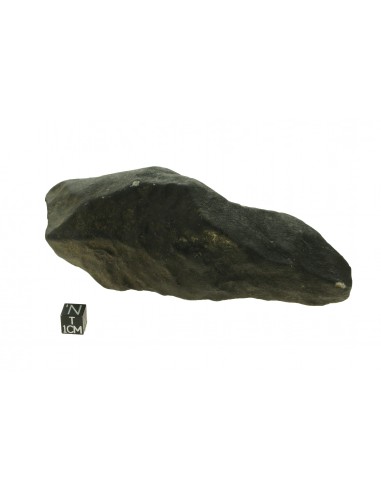
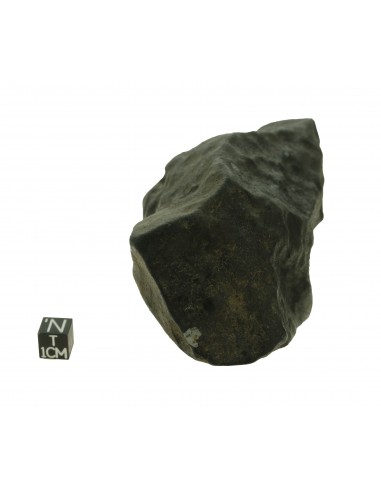
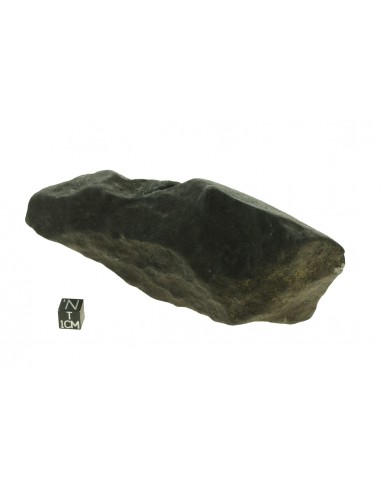
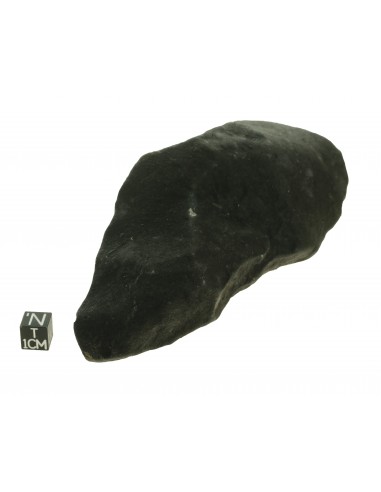
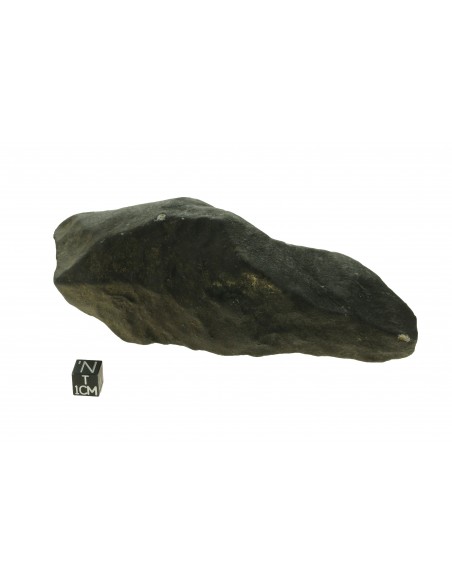
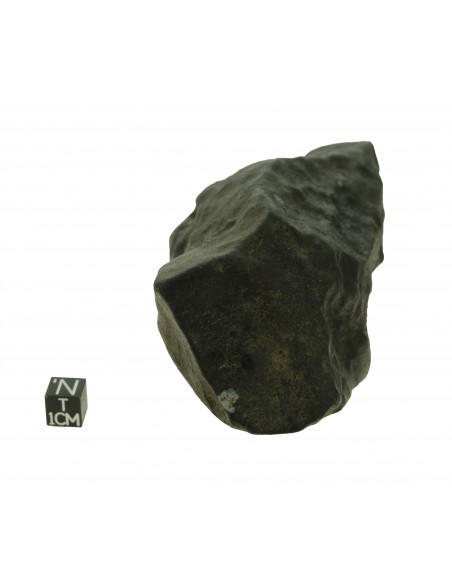
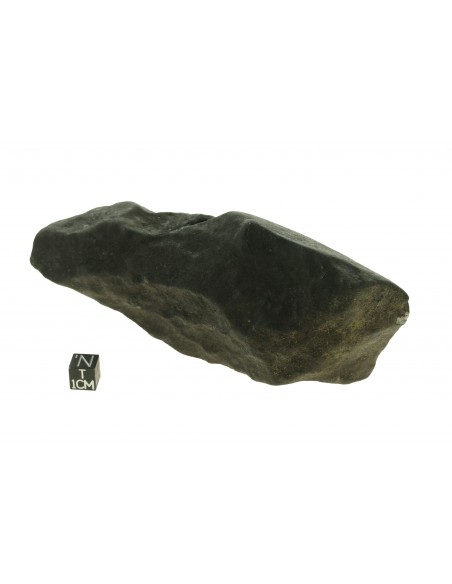
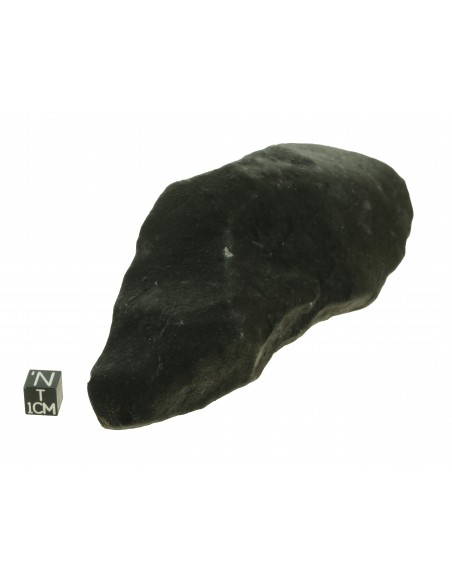
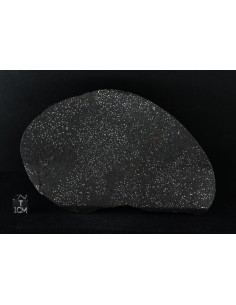
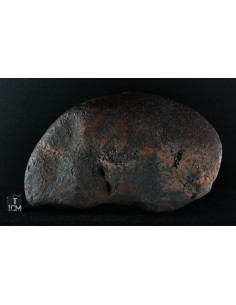
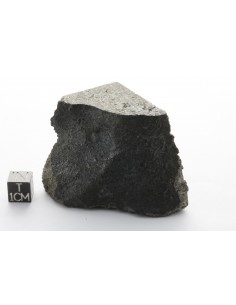
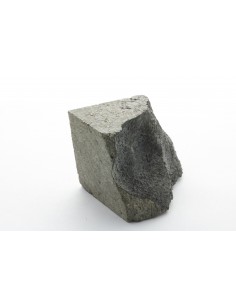
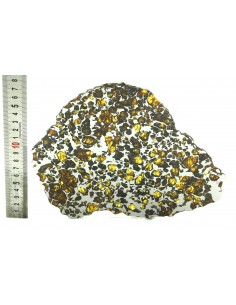
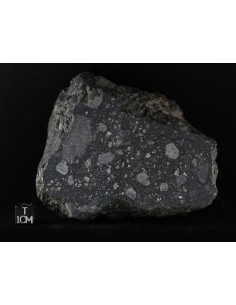
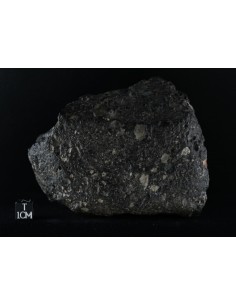
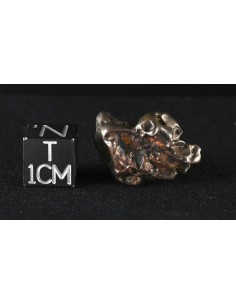
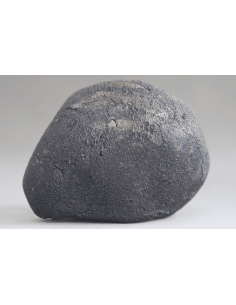
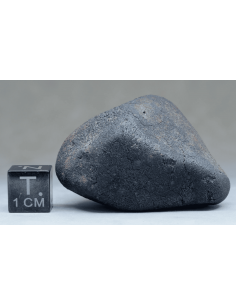
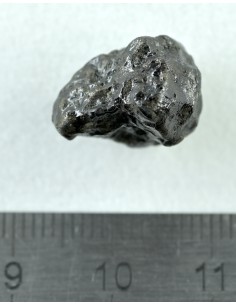
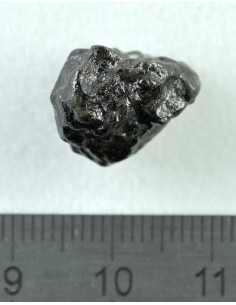
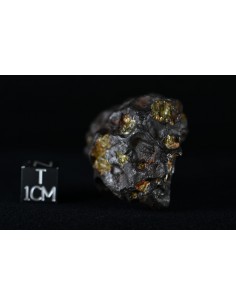
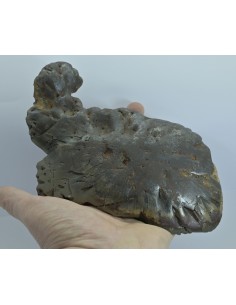
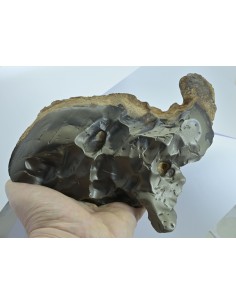
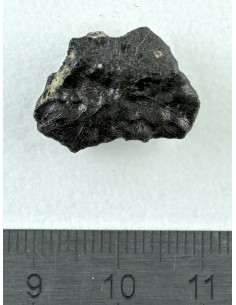
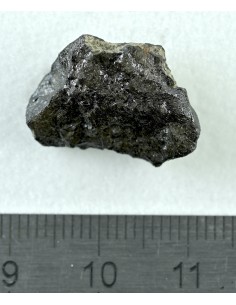
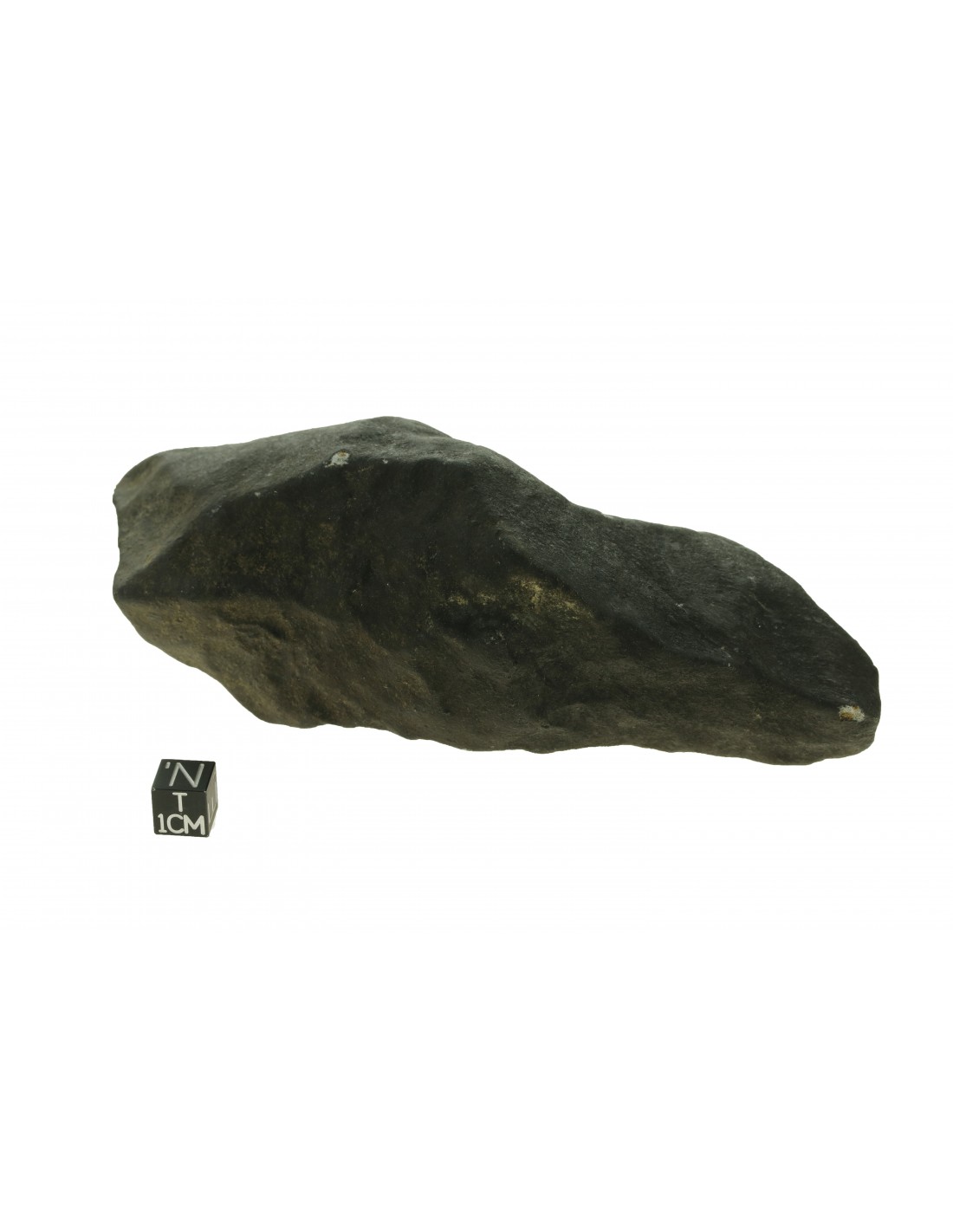
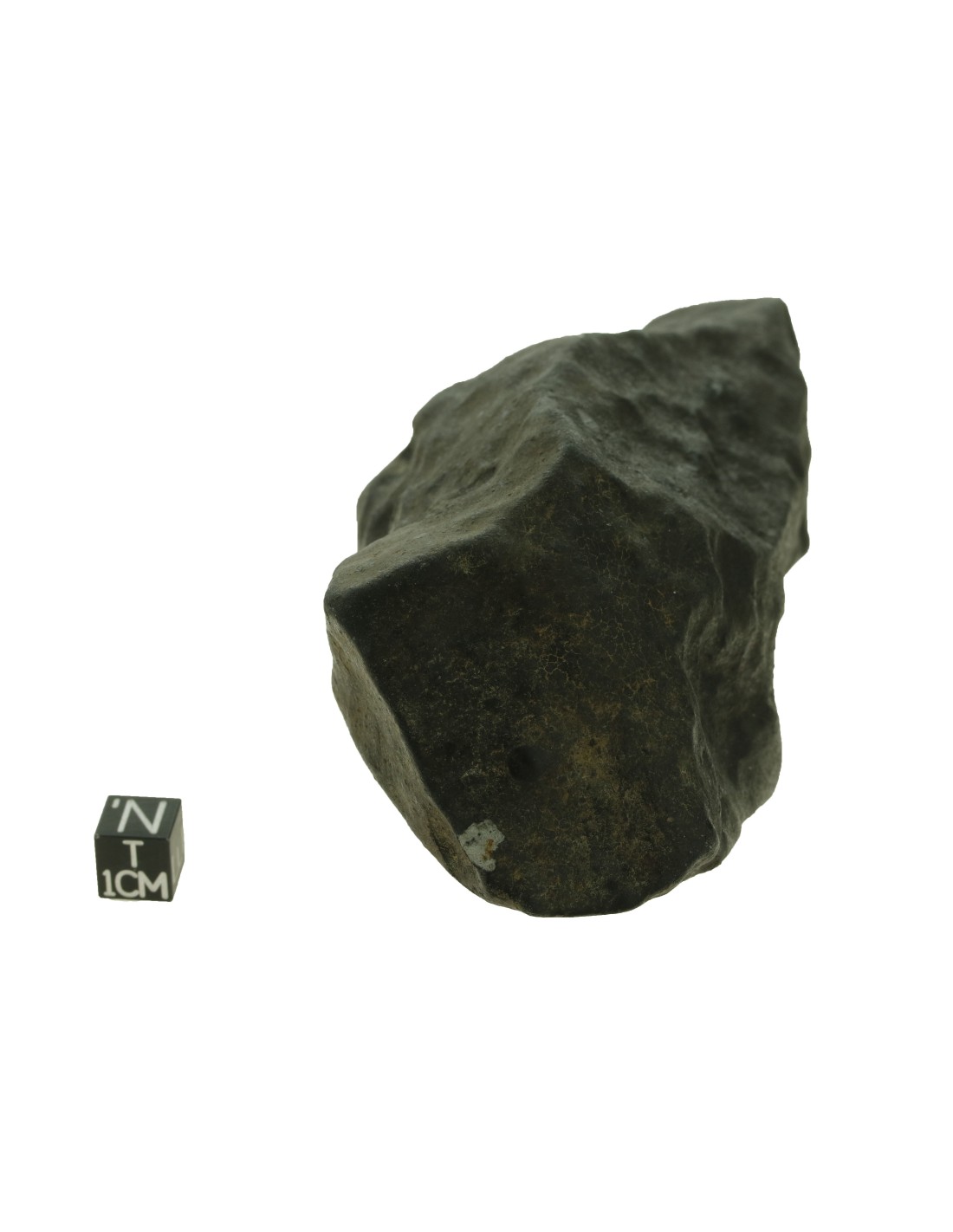
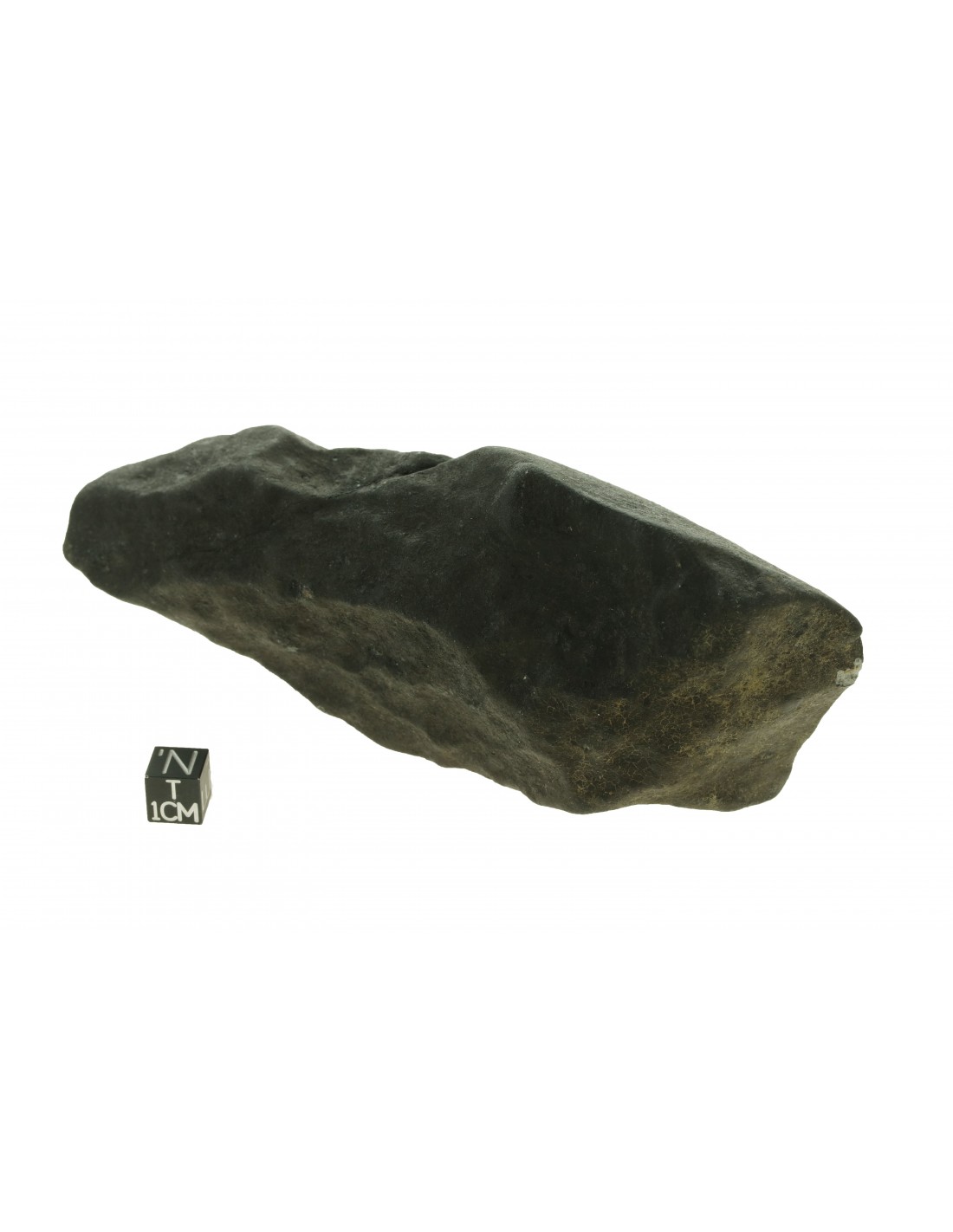
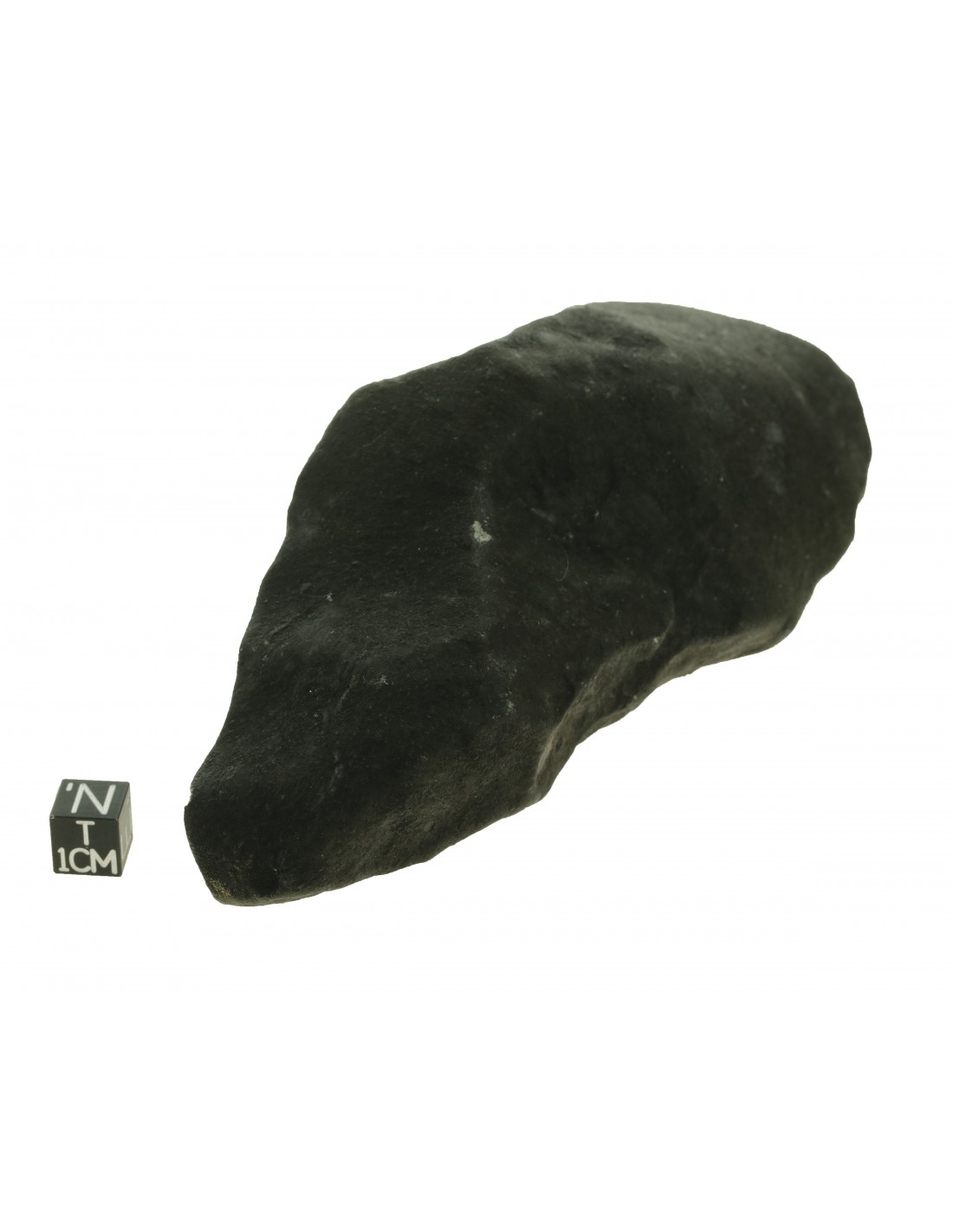
This 770 g meteorite from the Benenitra fall (Madagascar) is a rare and compelling witness to a recent celestial event where astronomy and human perception unexpectedly converged.
On July 27, 2018, Madagascar experienced an extraordinary evening: the total lunar eclipse—the famous “Blood Moon.” That same night, a brilliant fireball and the subsequent meteorite fall occurred near Benenitra.
Against this dramatic sky, illuminated by the deep red glow of the eclipsed Moon, luminous fragments streaked through the atmosphere before reaching the ground. The stones were collected almost immediately by local inhabitants.
What surprised them most was not only the coincidence with the lunar eclipse, but also the physical sensation upon handling the meteorites: they were cold. This is entirely consistent with meteorite physics—only the outermost millimeters are heated during atmospheric entry, while the interior preserves its cosmic cold.
Because of this unique context—the eclipse, the visual spectacle, and the unexpected temperature—early witnesses genuinely believed they had recovered fragments of the Moon itself. The association was so strong that the first messages received shortly after the fall even proposed these stones as “pieces of the Moon.”
This specimen retains a well-preserved fusion crust, dark and finely textured, with visible traces of adherent soil, confirming its rapid recovery after impact. These remnants of the Malagasy ground further reinforce its authenticity as a fresh fall, untouched by prolonged terrestrial alteration.
Beyond its scientific value, this meteorite embodies a rare moment where cosmic reality and human interpretation briefly overlapped, making it both a geological specimen and a historical artifact of perception.
🔬 Scientific Significance
- Documented recent fall (2018)
- Occurred during a total lunar eclipse (“Blood Moon”)
- Preserved fusion crust with adherent soil
- Demonstrates the thermal behavior of meteorites during atmospheric entry
- Unique example of interaction between astronomical event and cultural interpretation