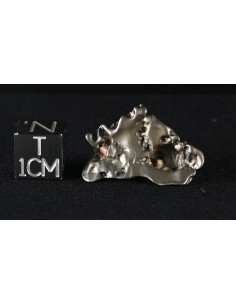
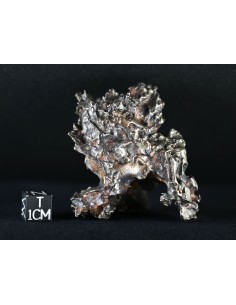
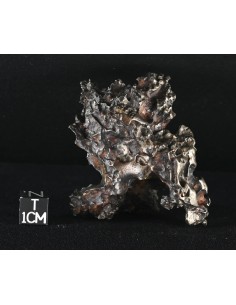
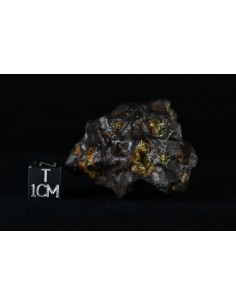
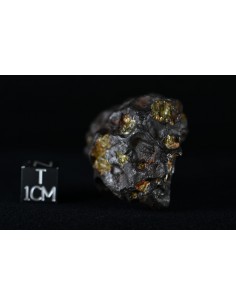
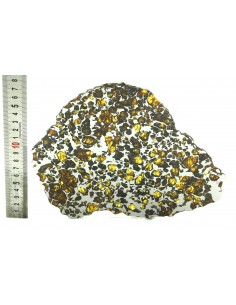
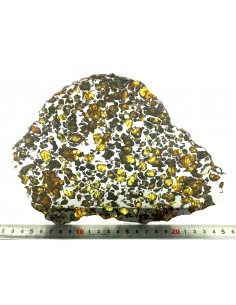
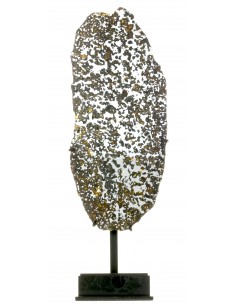
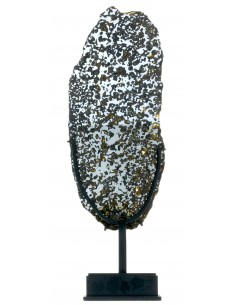
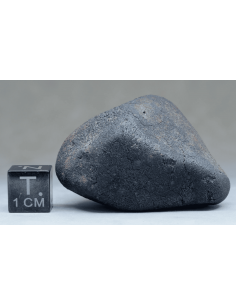
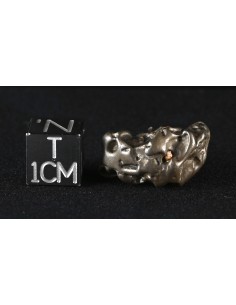
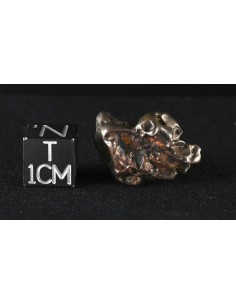
Cape York Meteorite Block – Self-Standing Iron Specimen – 1240 g
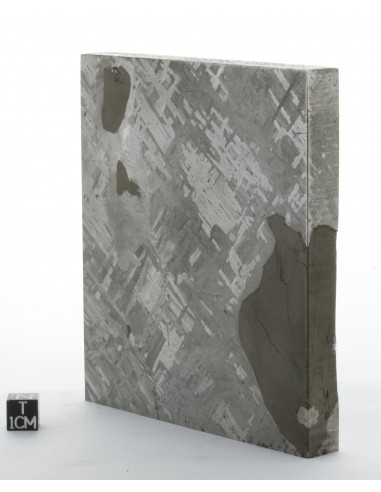
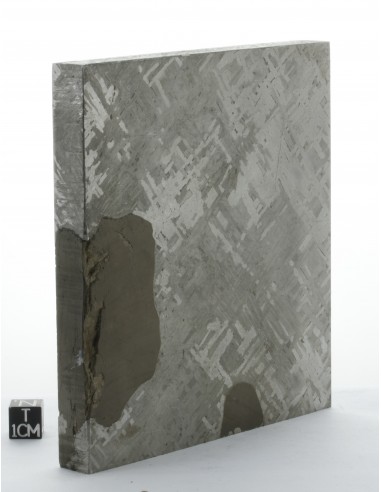
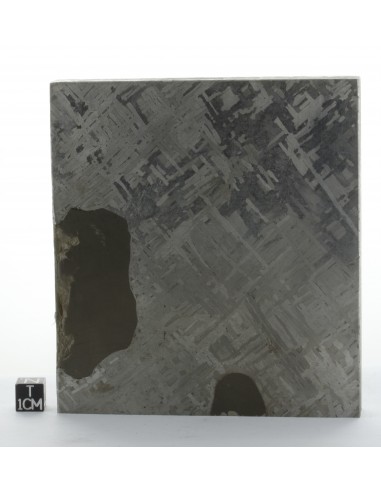
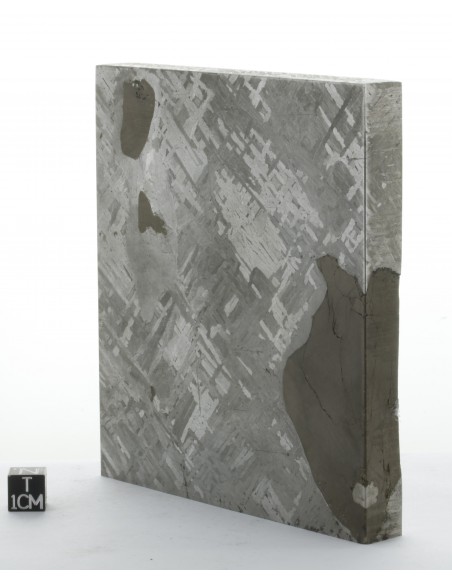
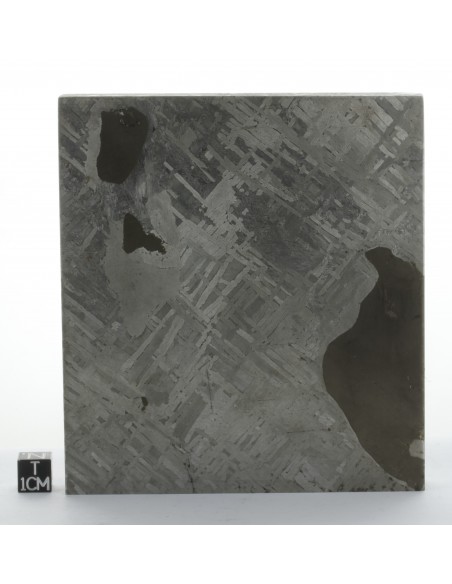
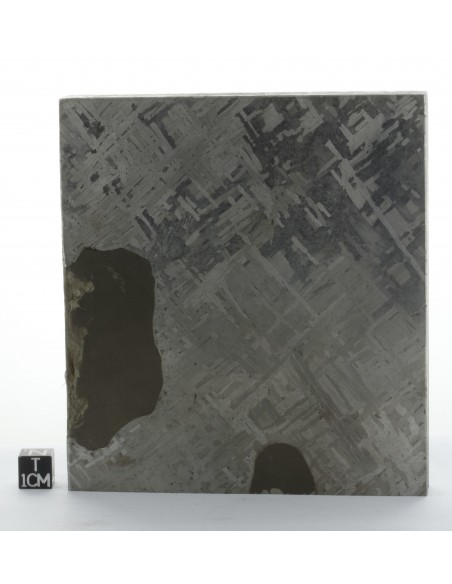
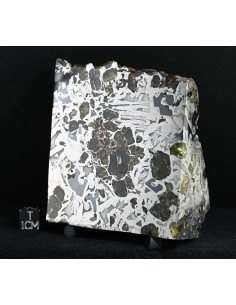
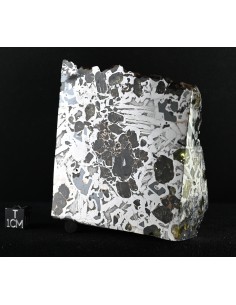
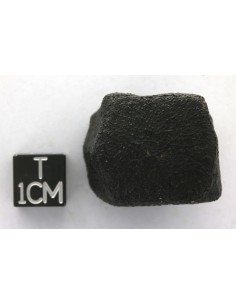
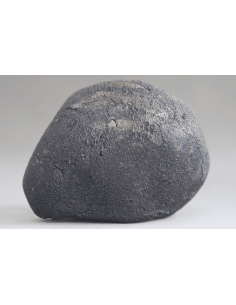
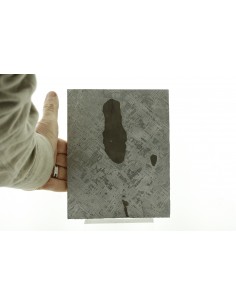
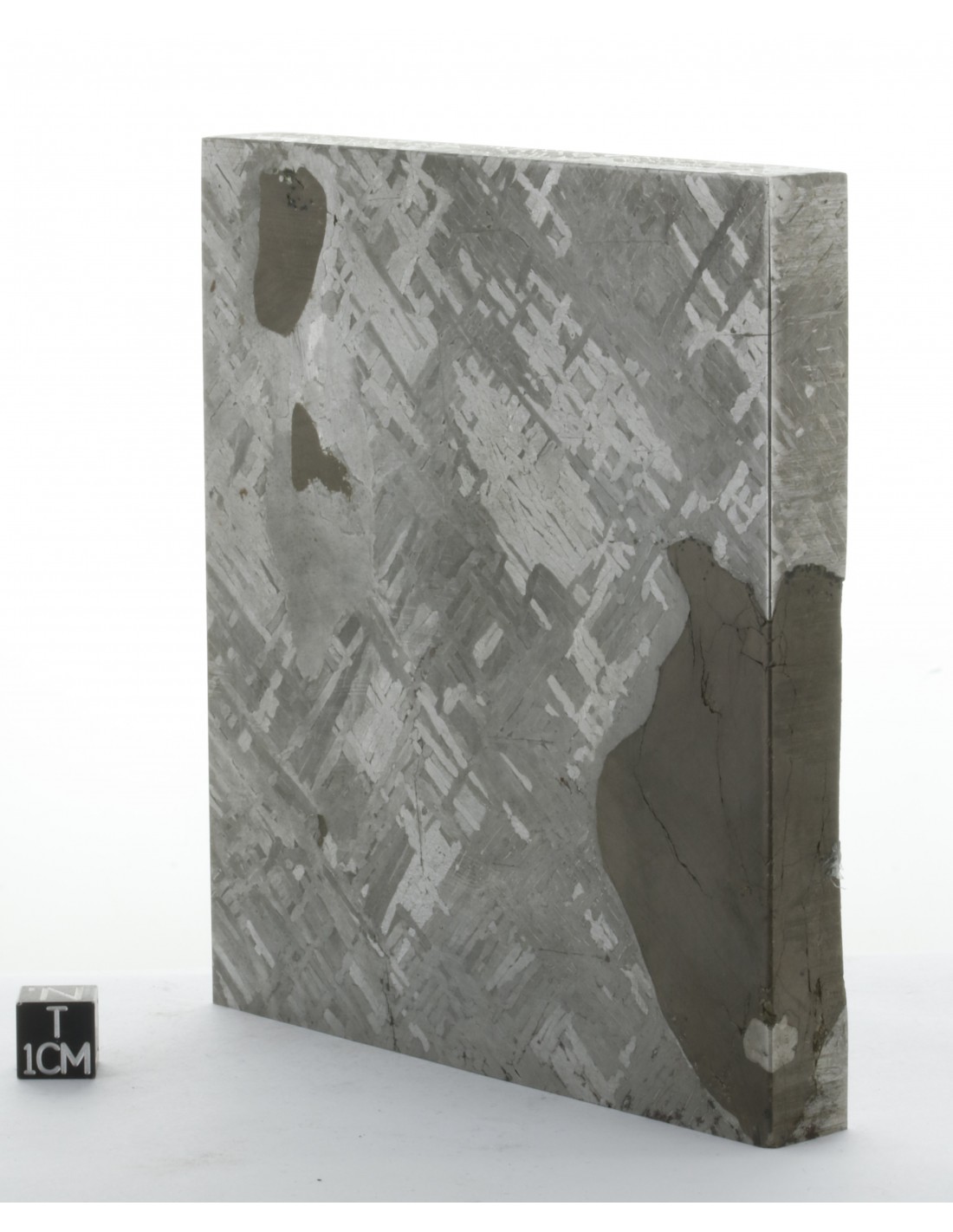
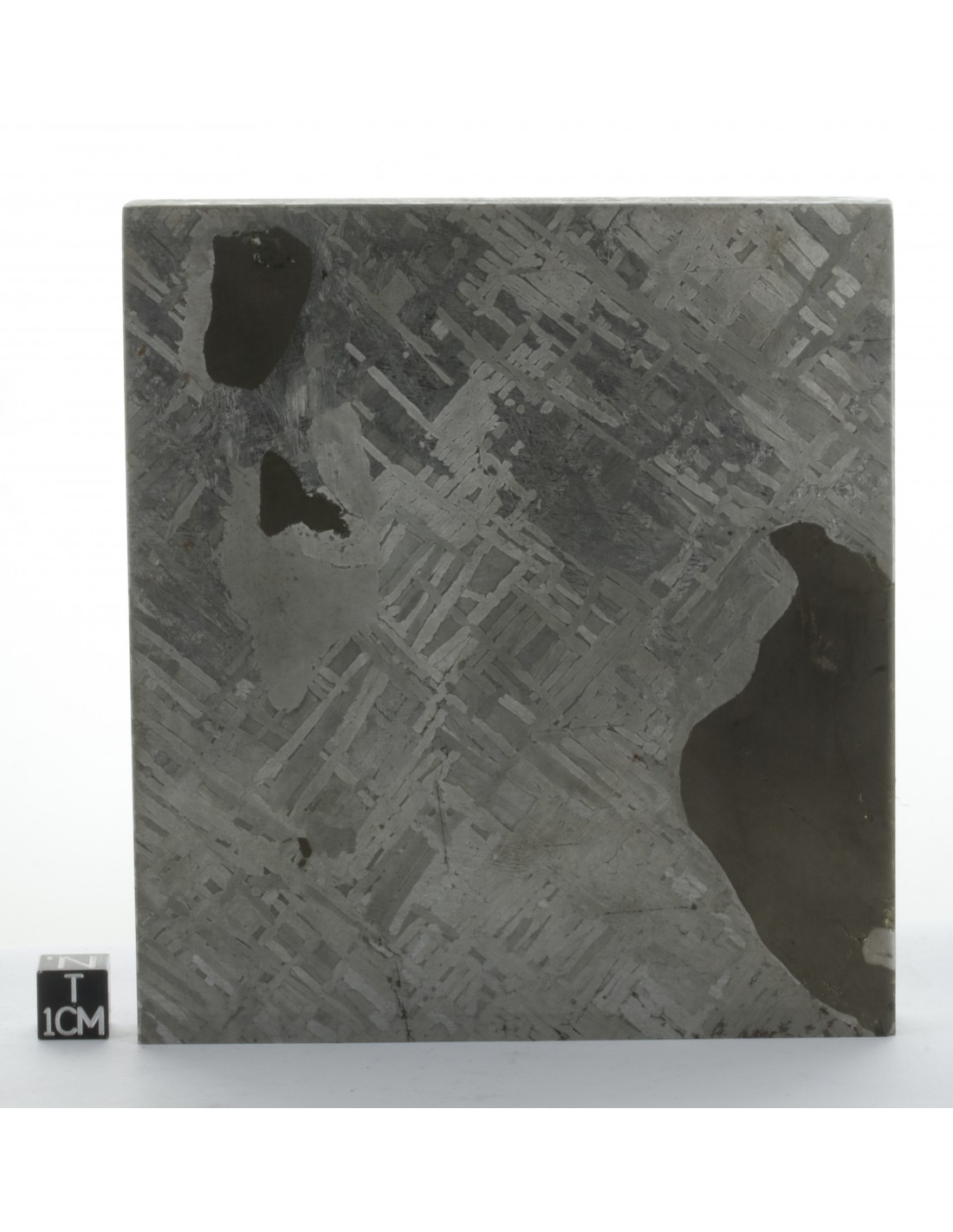
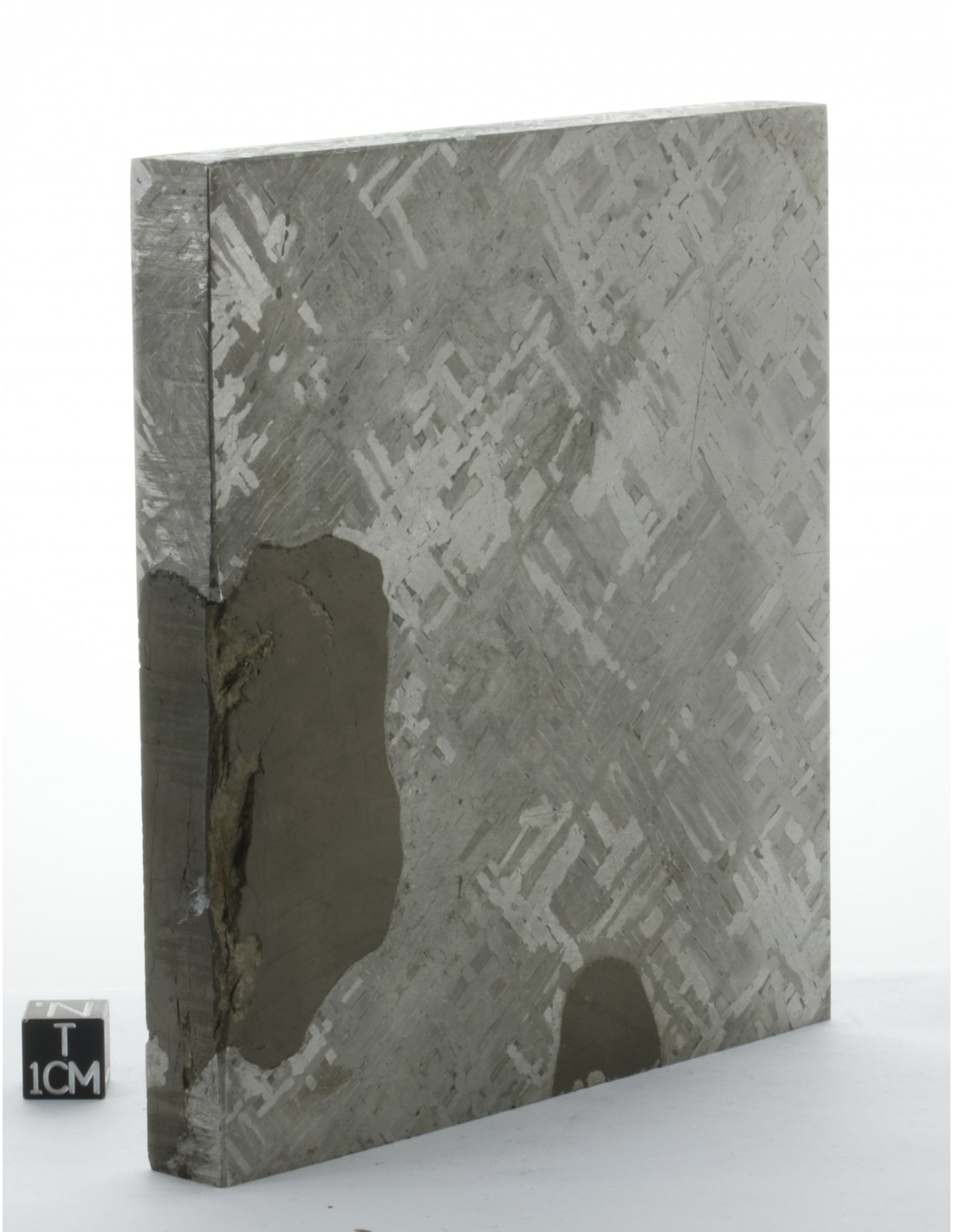
This Cape York meteorite block weighs 1240 g and measures approximately 116 × 105 mm, with a substantial thickness of 14 mm. Its proportions give it a particularly balanced and compact form, combining surface readability with real physical presence.
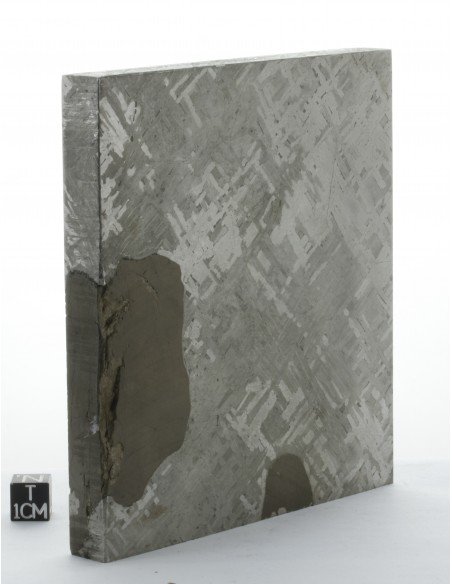
Unlike thinner slices, this specimen functions as a true self-standing block. It can be displayed upright without support, giving it a more sculptural and independent character, closer to an object than a simple section.
A Naturally Self-Standing Format
The geometry of this block makes it especially satisfying from a display perspective. Its thickness and relatively square proportions allow it to stand securely, transforming the specimen into a self-contained display piece rather than a surface that needs to be mounted or framed.
This quality is particularly desirable for collectors who prefer meteorites that can be presented directly, without intervention, and appreciated as objects with their own physical autonomy.
Widmanstätten Structure
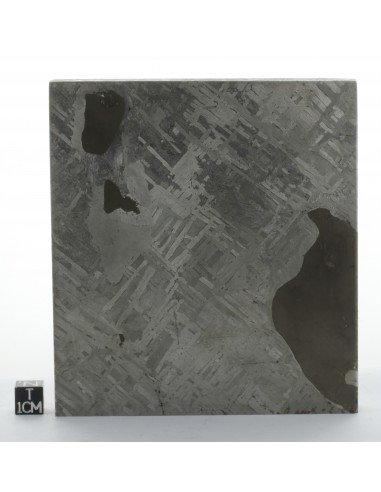
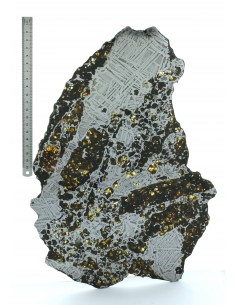
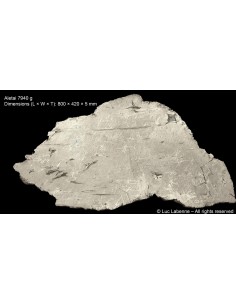
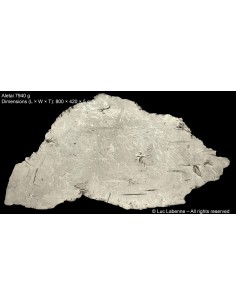
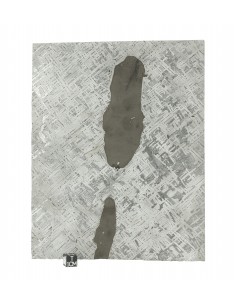
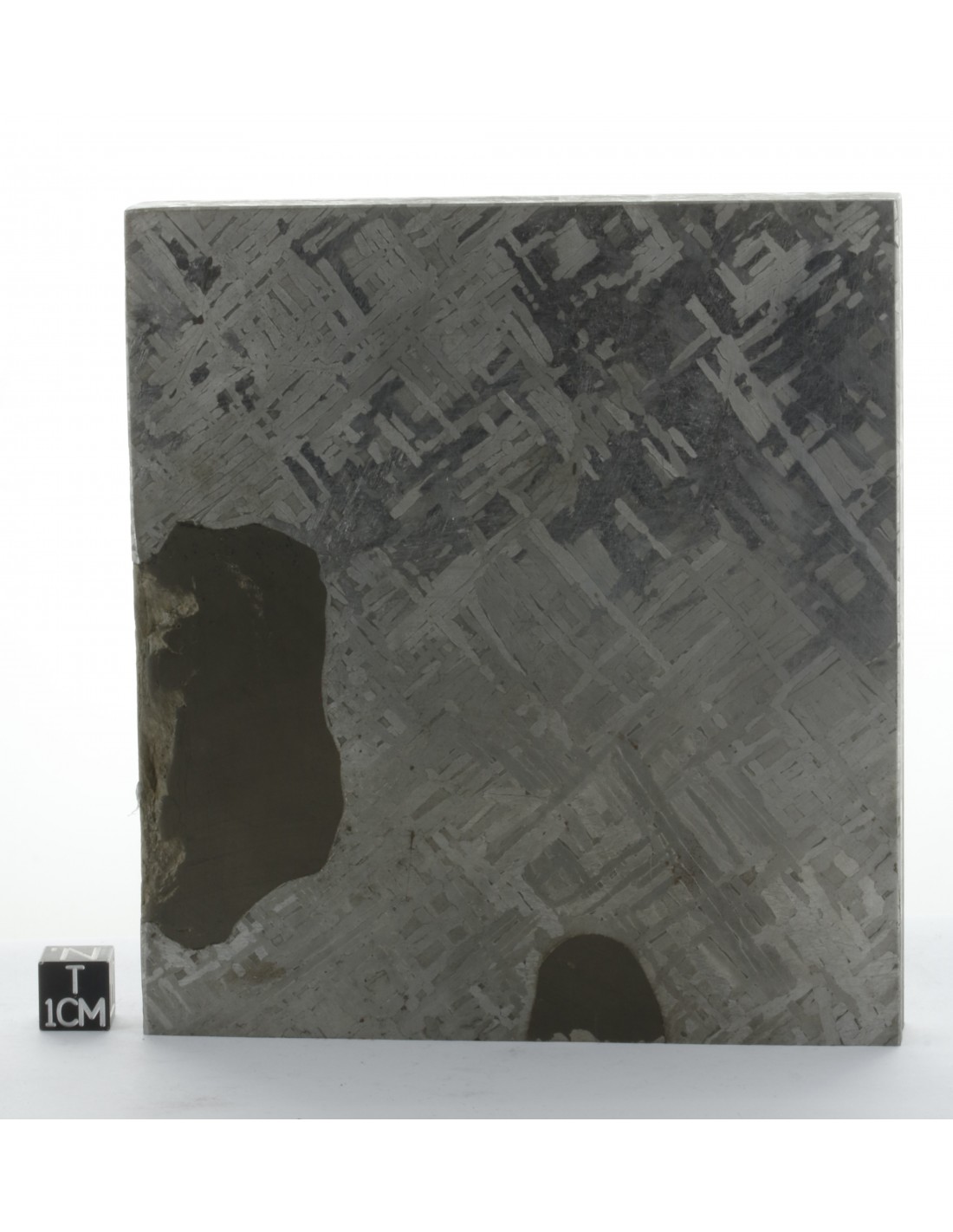
The polished and etched face reveals the characteristic Widmanstätten structure, the crystalline metallic pattern that defines many iron meteorites. These interlocking metallic lamellae are the result of extremely slow cooling within the parent body and represent one of the most iconic structural features in meteoritics.
In this specimen, the pattern is clearly visible and well distributed across the surface, giving the block a coherent and readable internal architecture. The structure enhances both the scientific interest and the visual appeal of the piece.
A Compact and Balanced Cape York Block
What distinguishes this specimen is its balance. It is neither overly thin nor excessively massive in proportion. Instead, it offers a well-calibrated combination of surface, thickness, and stability, making it especially versatile for display and collection.
The format allows the viewer to appreciate both the etched surface and the physical depth of the meteorite, giving a more complete perception of the material than a flatter slice would provide.
Sculptural Presence
Because of its self-standing nature and compact proportions, this Cape York block has a strong sculptural presence. It occupies space in a more assertive way than a flat specimen, making it particularly suitable for display in a cabinet, on a desk, or within a curated collection.
This is not only a surface to be examined, but a three-dimensional object that reflects the density and structure of meteoritic iron.
Collector Interest
This 1240 g specimen will appeal to collectors looking for a self-standing Cape York piece with both visual clarity and physical substance. Its balanced proportions, clear etched structure, and autonomous display quality make it a strong addition to any serious iron meteorite collection.
It is especially suited to collectors who value pieces that can be displayed naturally, without supports, while retaining a strong connection to the internal structure of the meteorite.
A Refined and Stable Display Specimen
Among Cape York specimens, some are defined by their surface, others by their mass. This example stands out through its equilibrium: a compact block with sufficient thickness to stand, sufficient surface to read, and sufficient presence to anchor a display.
For that reason, this 1240 g Cape York block should be regarded as a particularly refined and stable specimen, combining structure, balance, and ease of presentation.