NWA 17939 Oriented Eucrite – Shield-Shaped Complete Individual 595 g
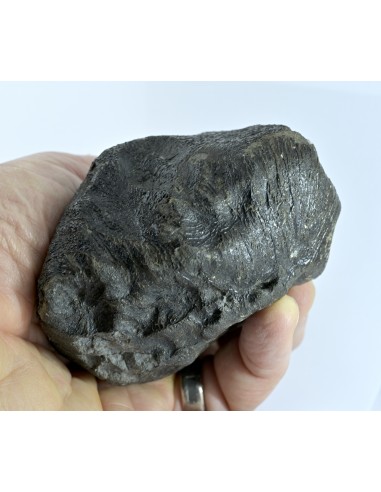
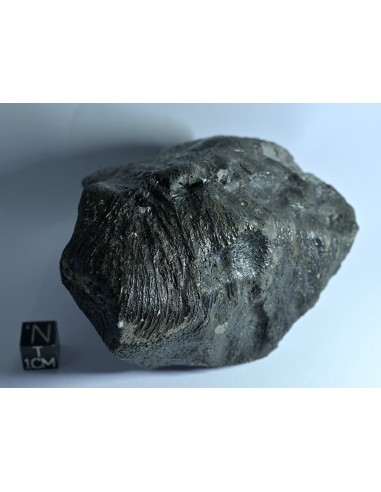
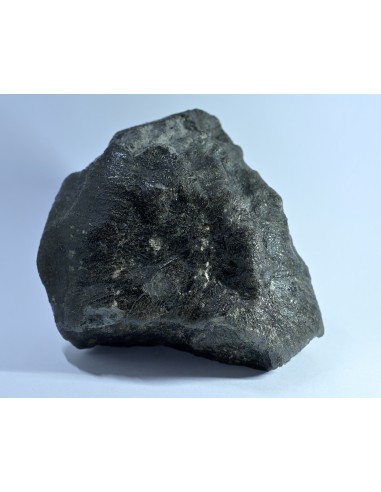
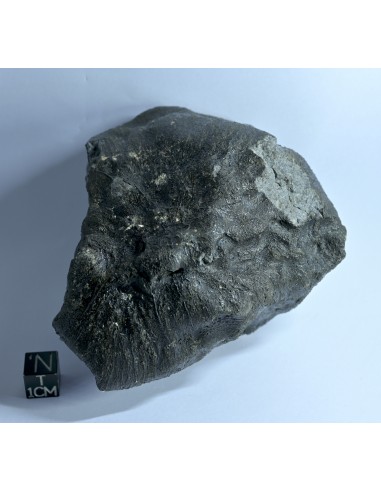
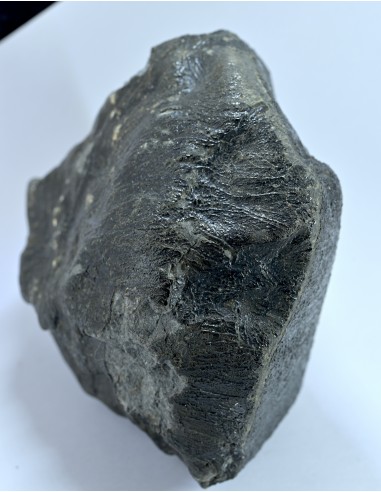
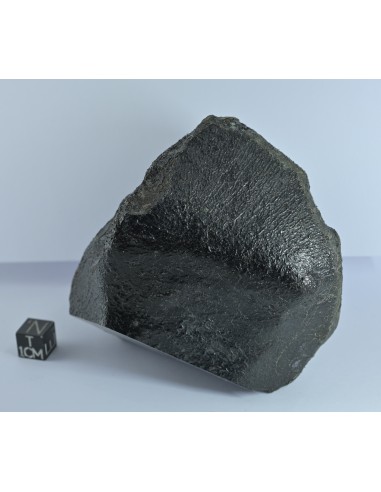
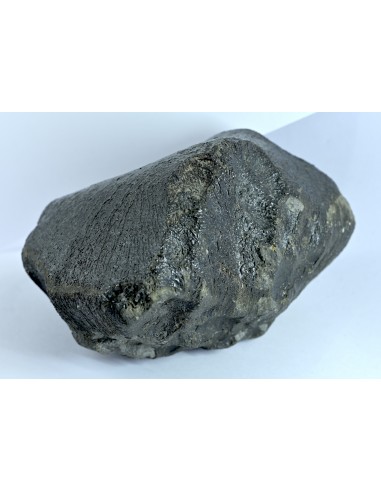
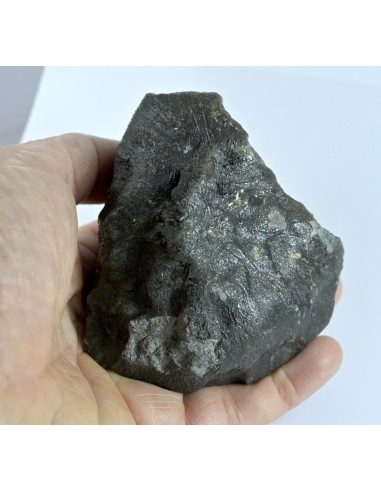
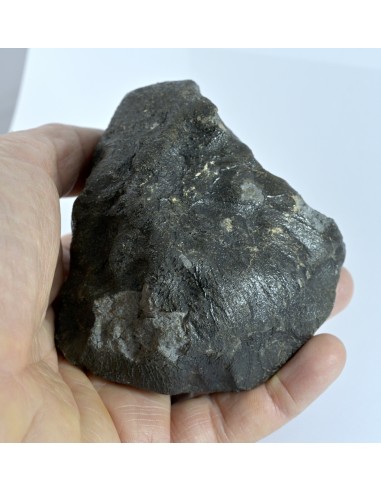
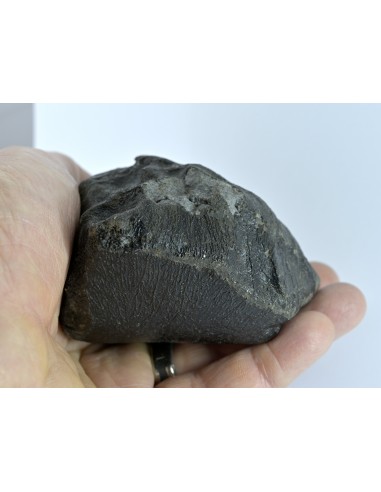
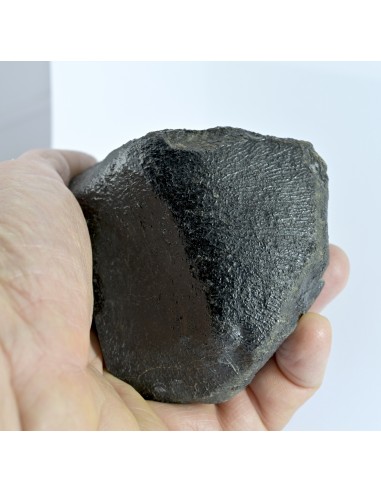
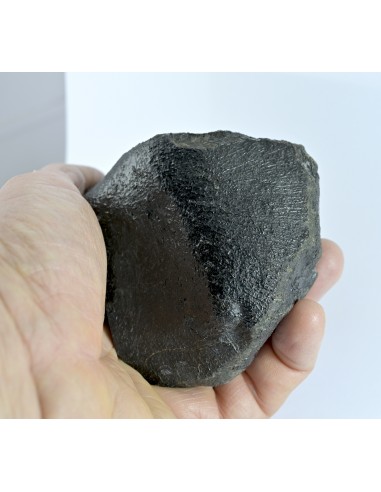
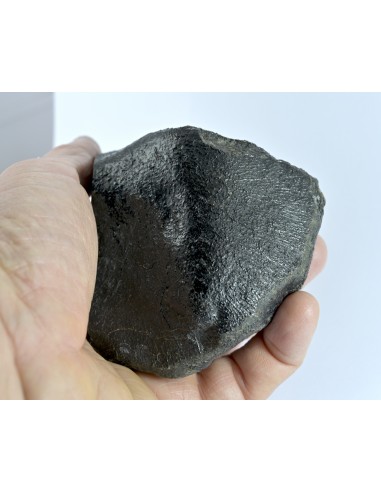
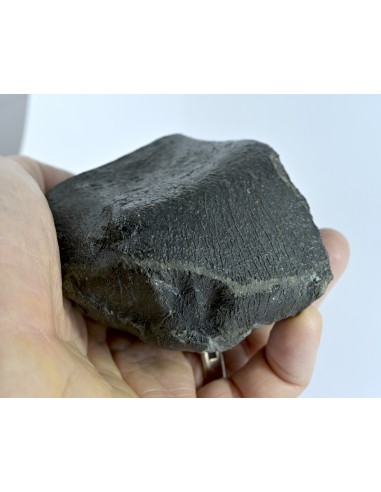
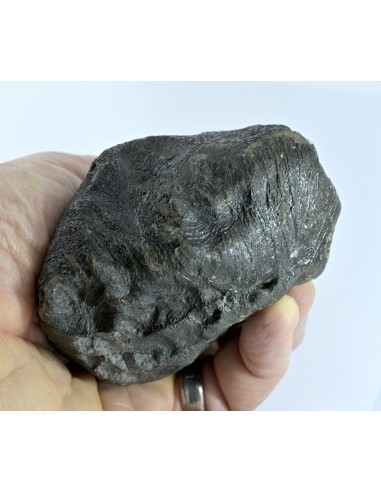
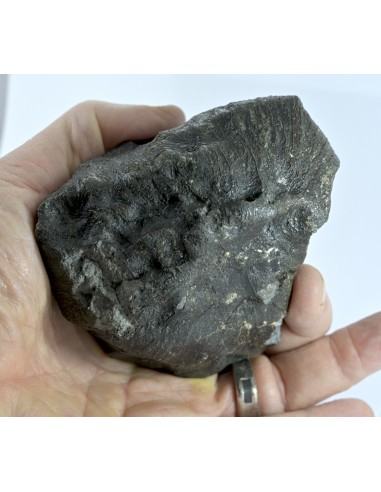
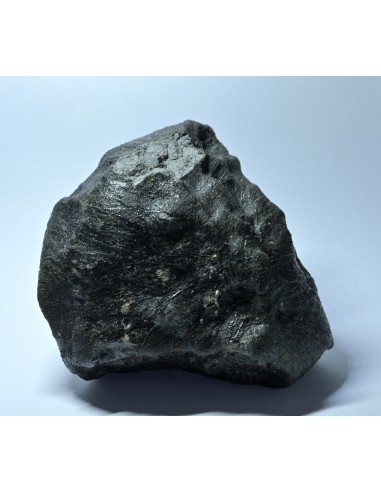
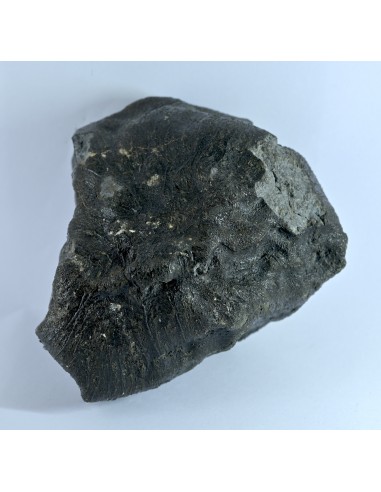
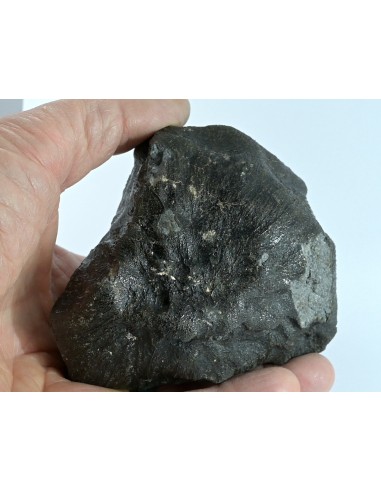
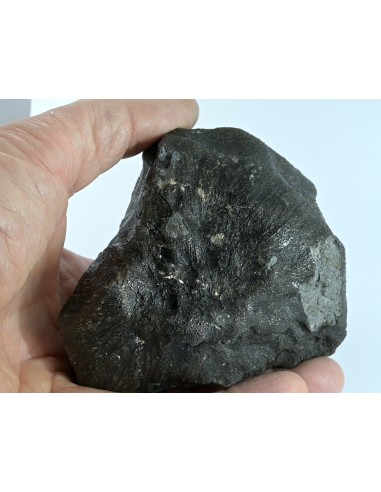
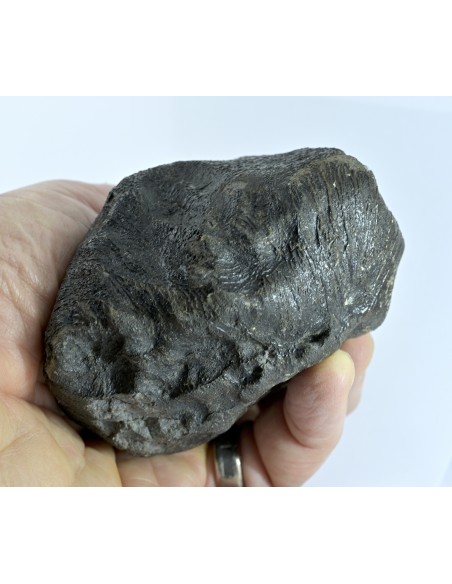
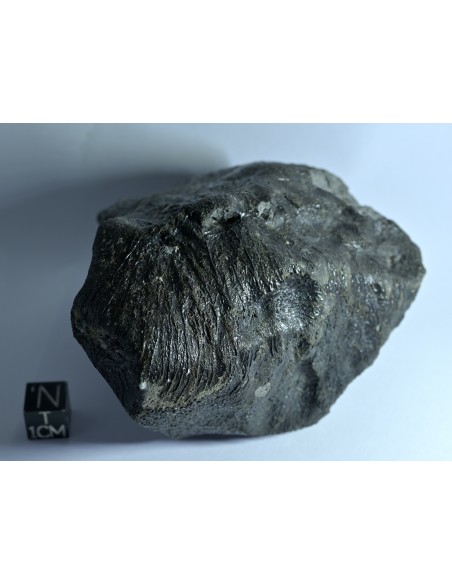
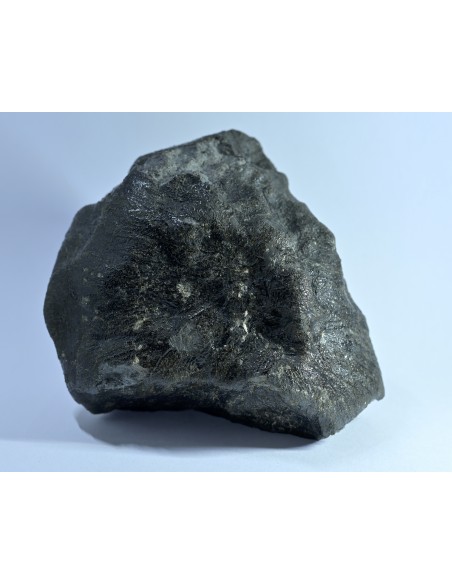
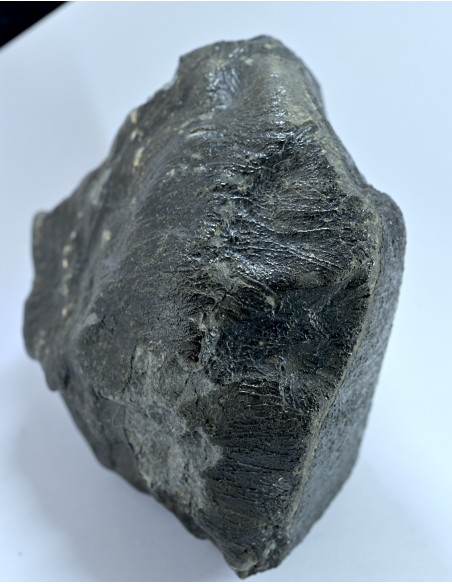
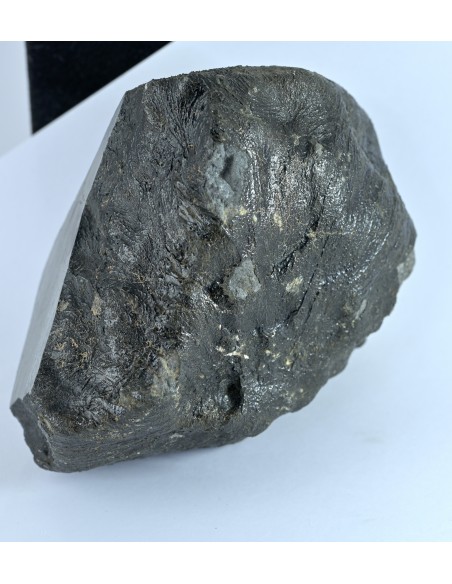
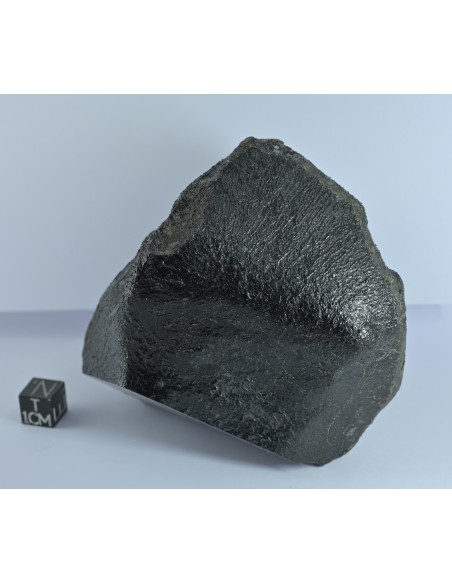
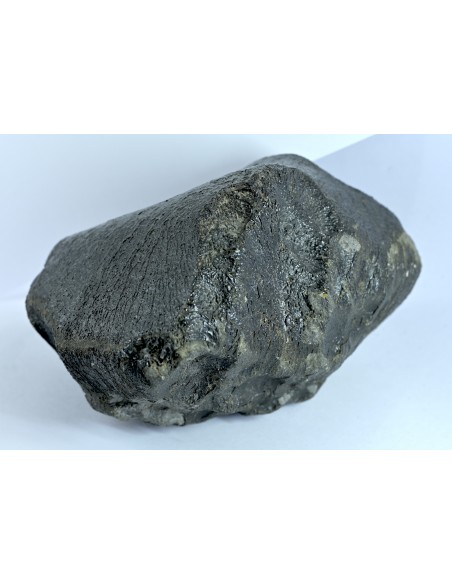
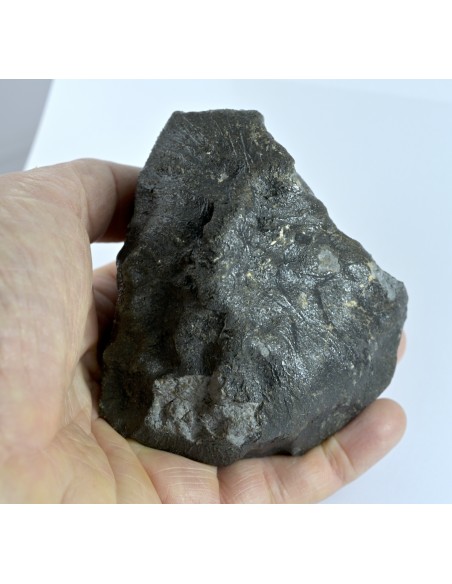
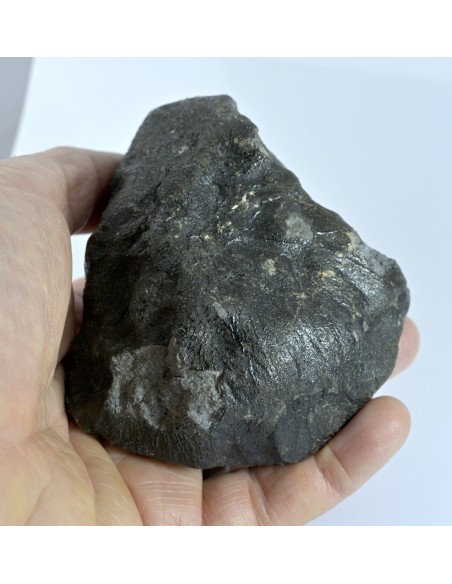
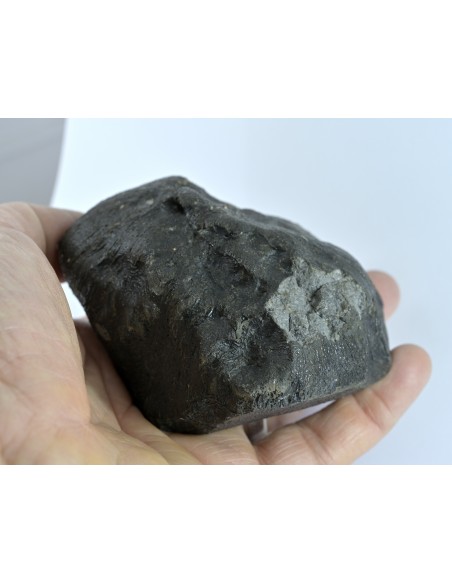
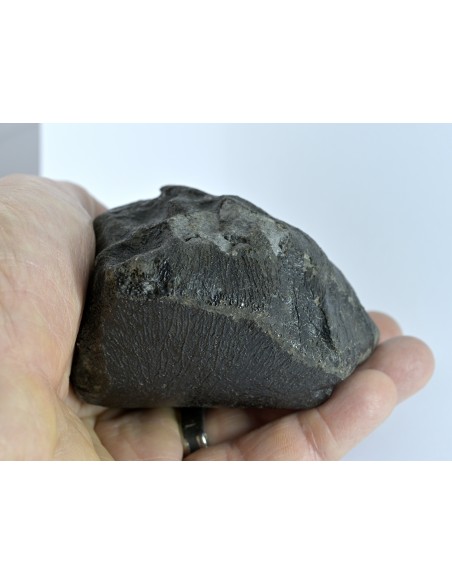
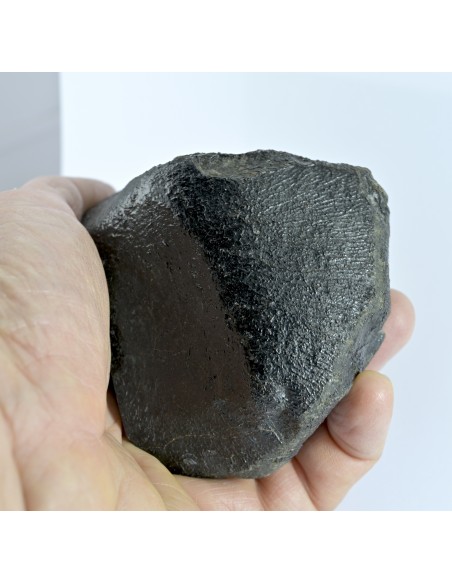
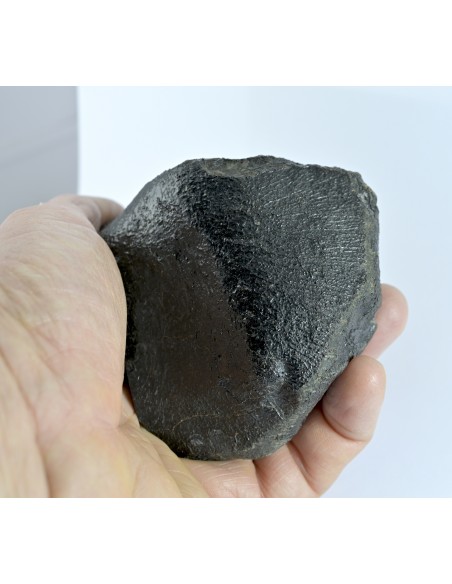
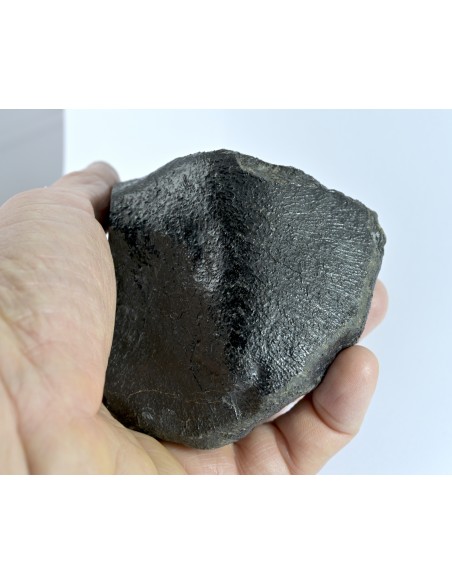
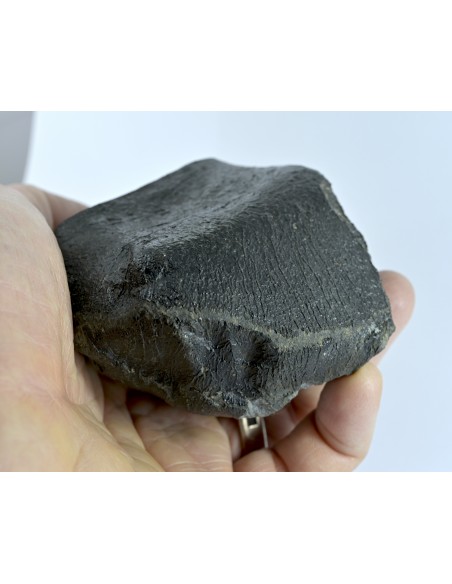
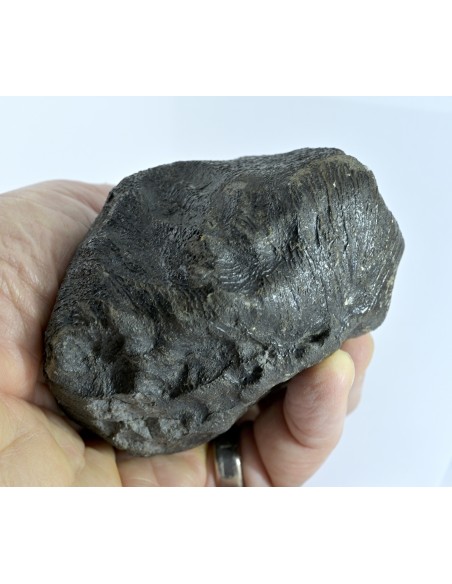
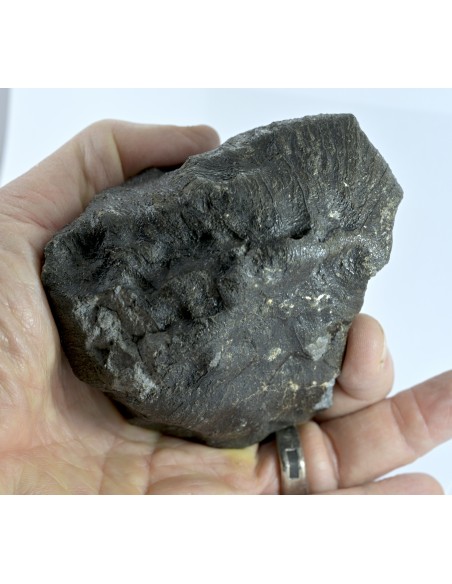
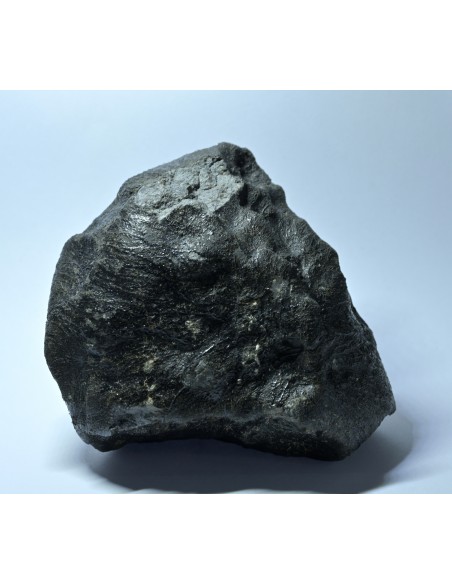
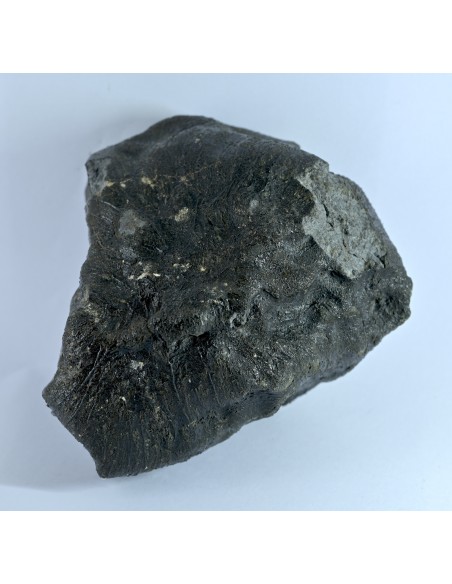
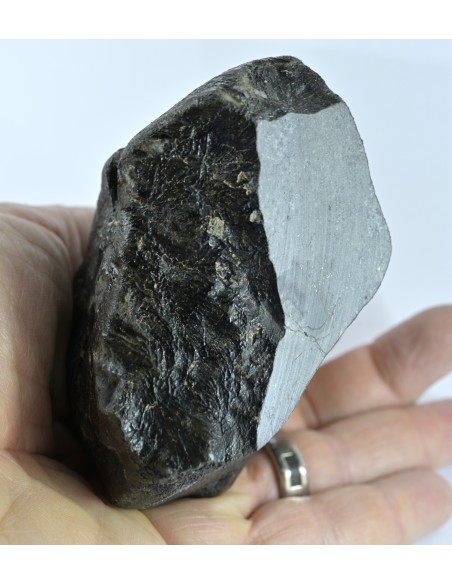
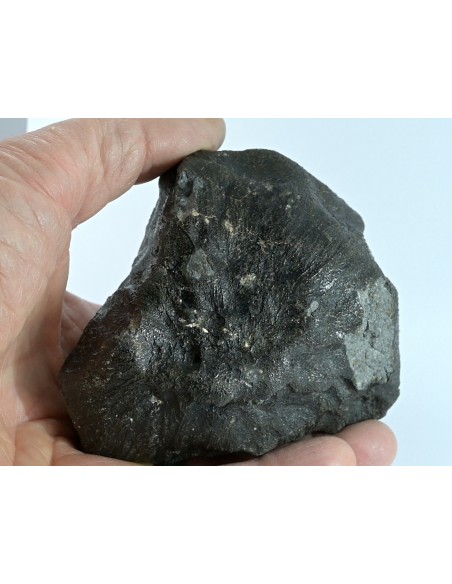
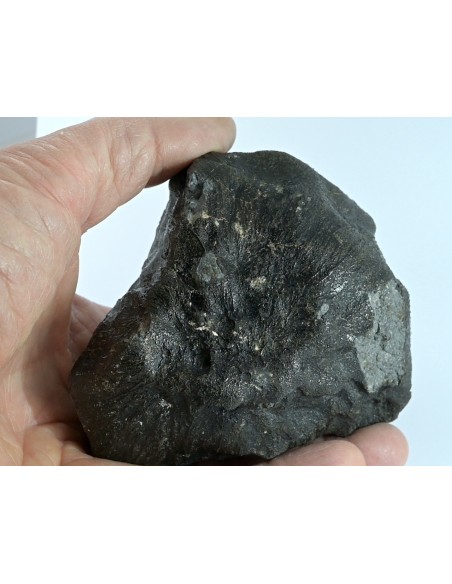
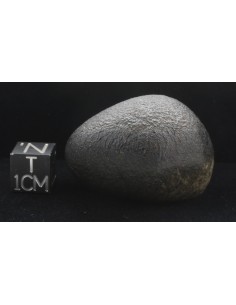
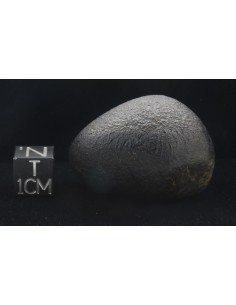
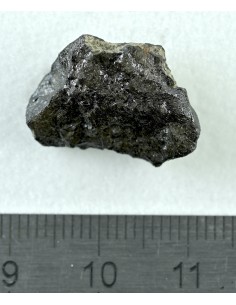
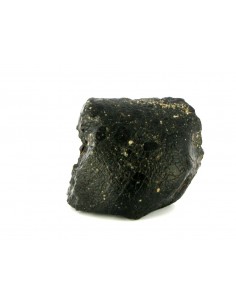
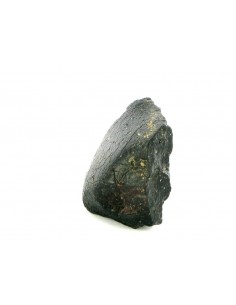
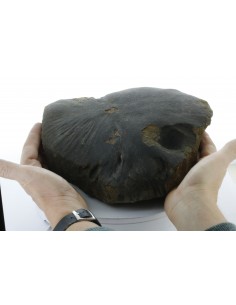
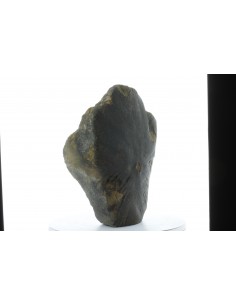
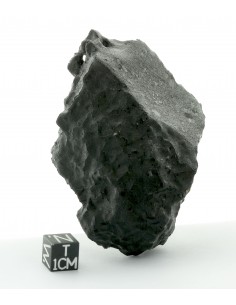
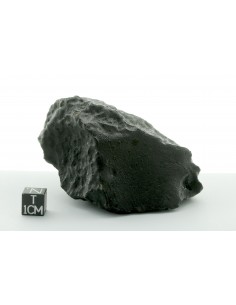
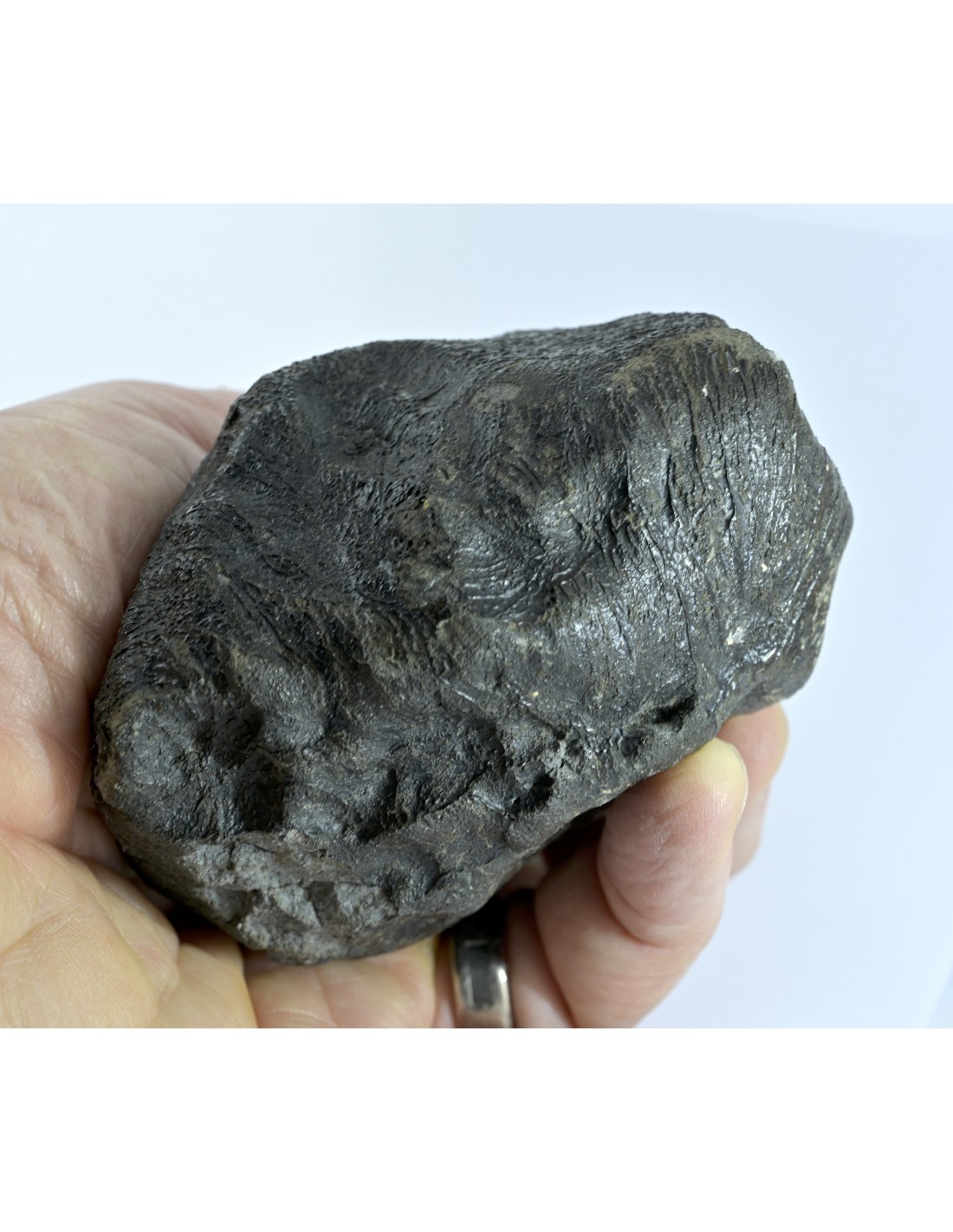
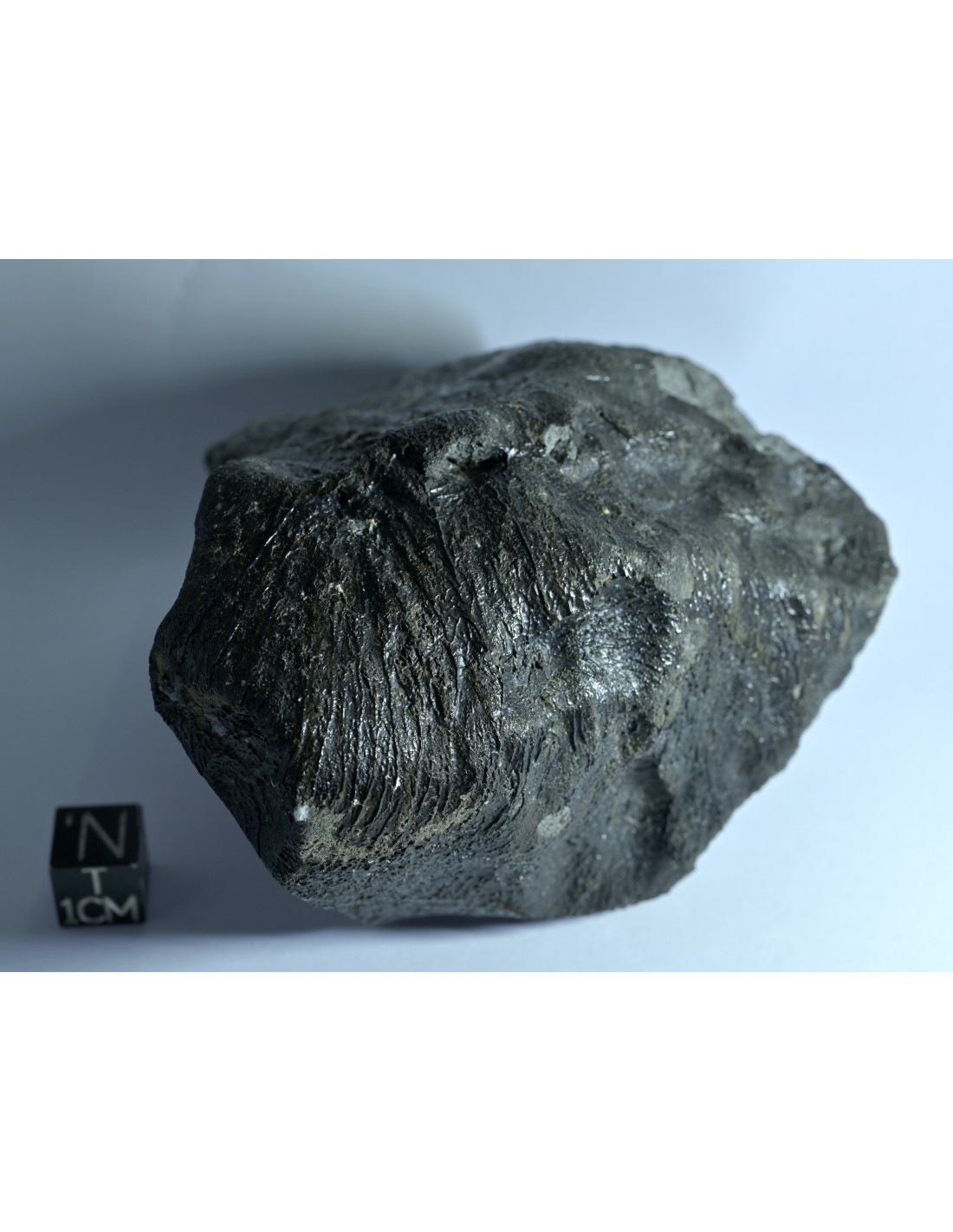
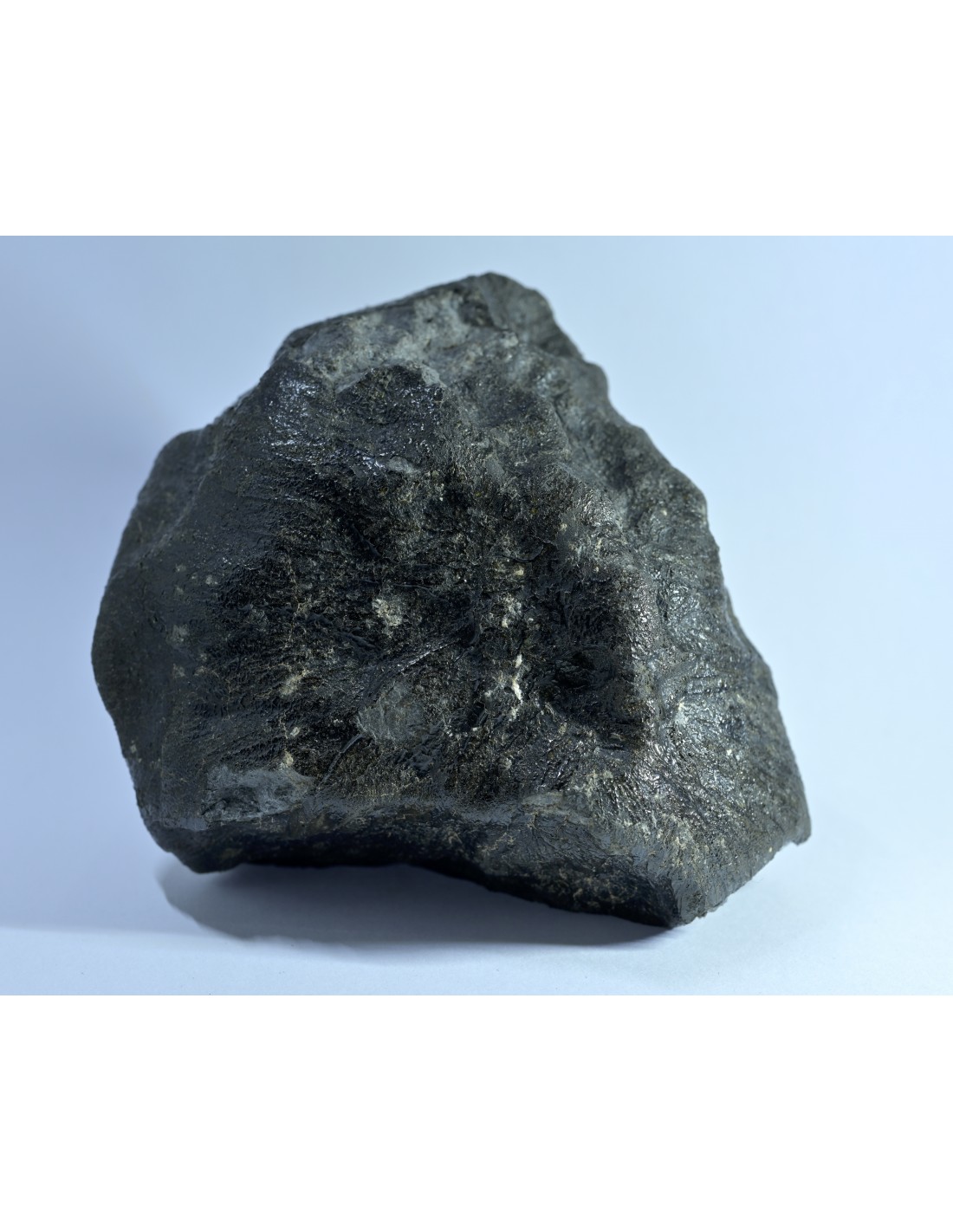
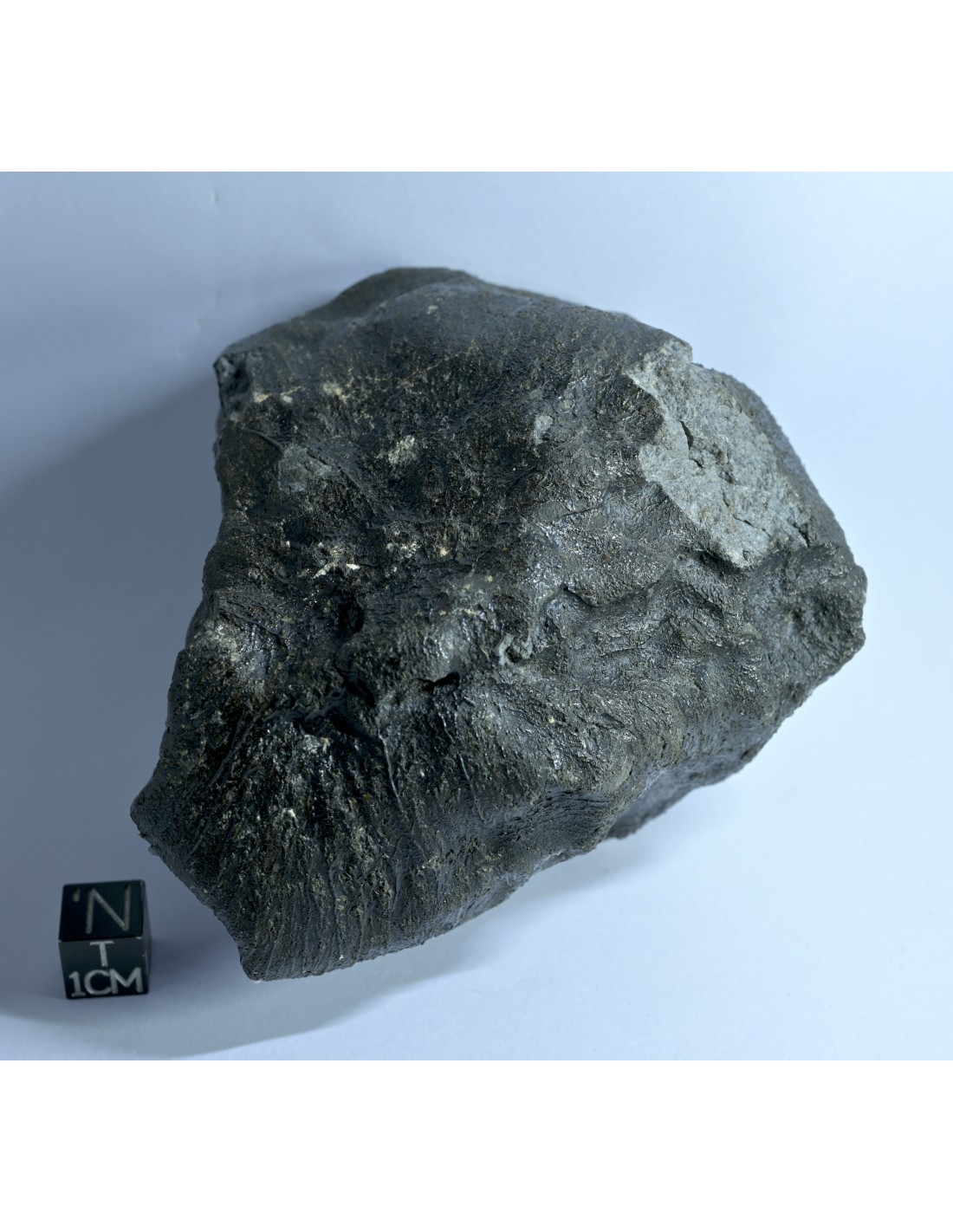
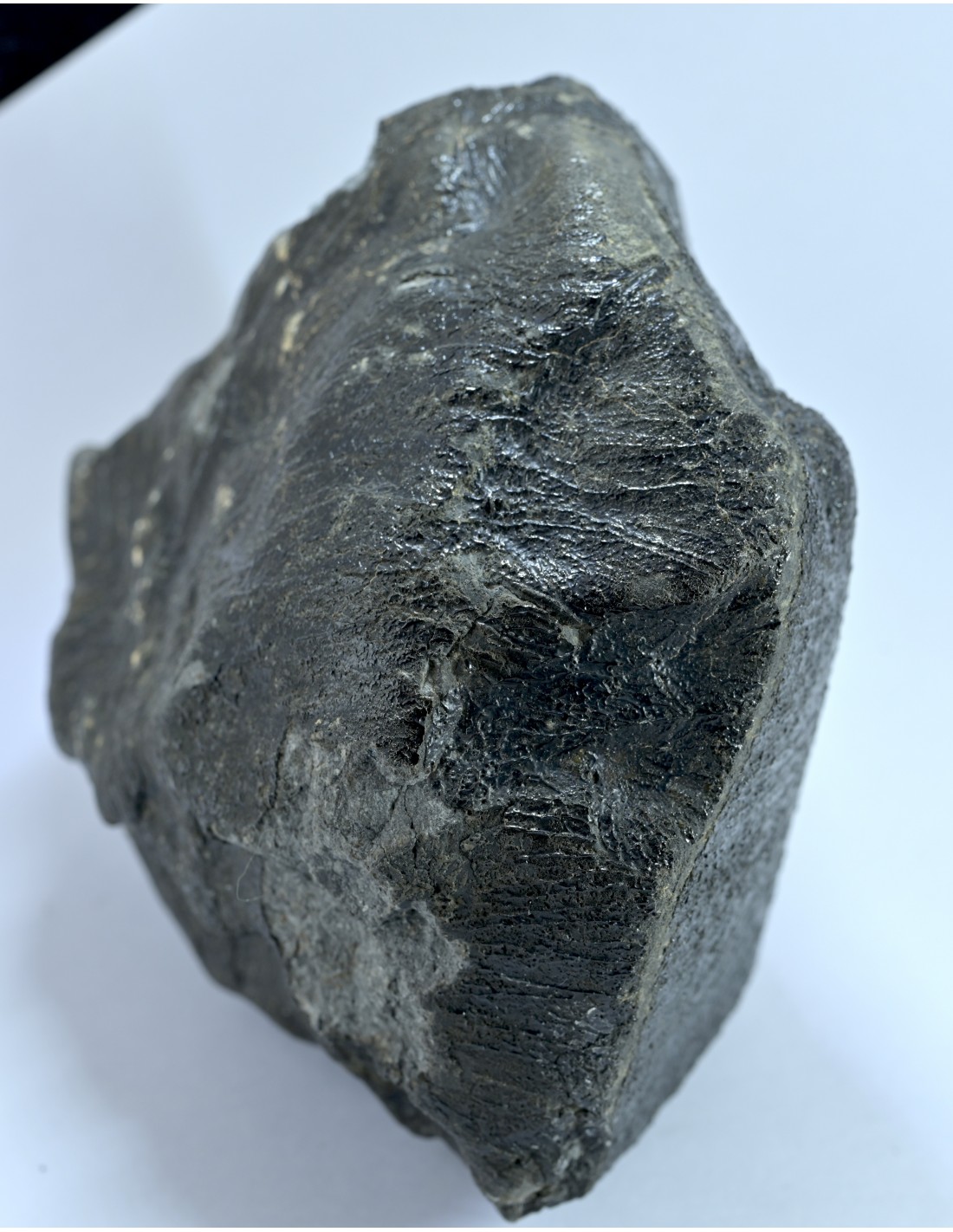
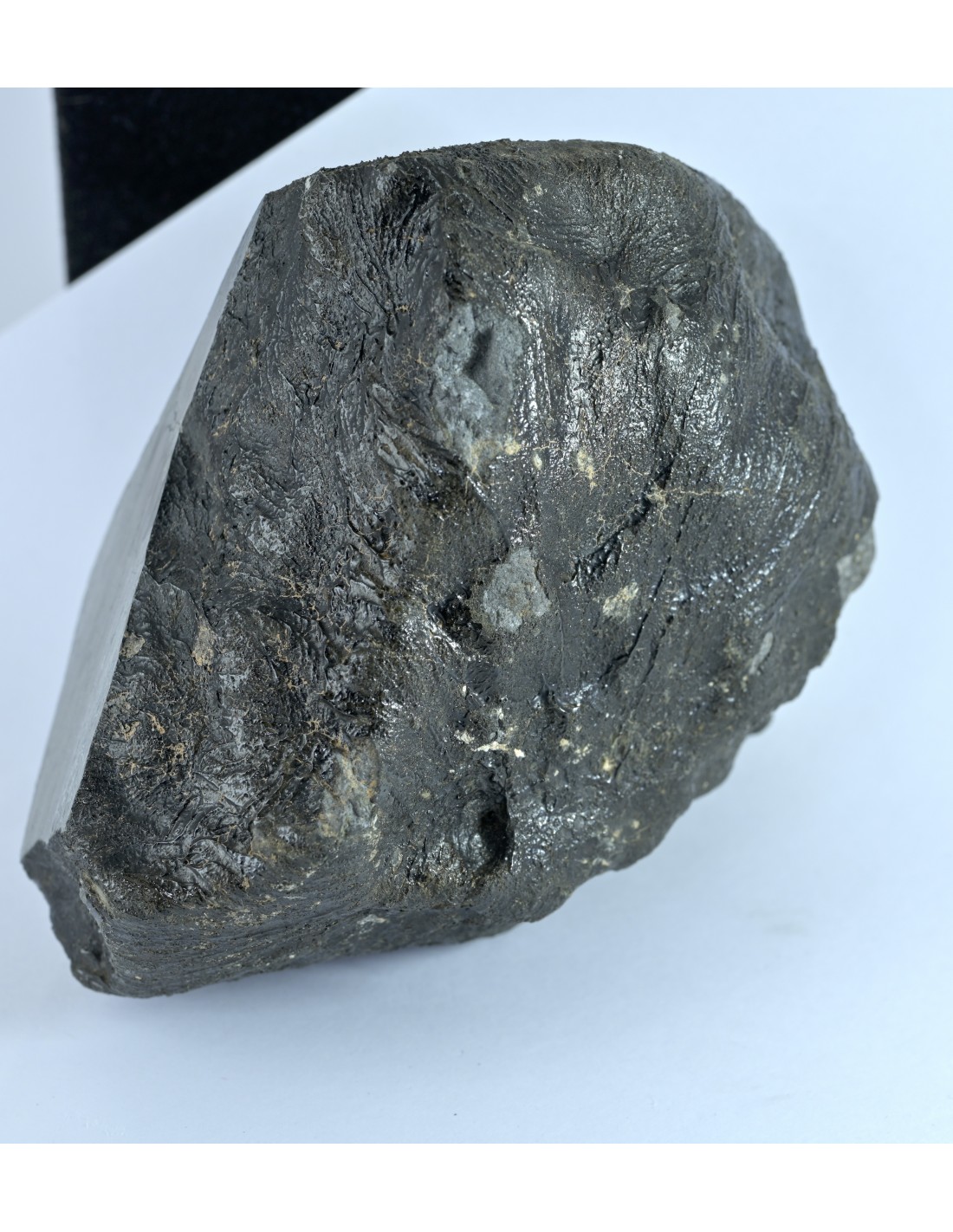
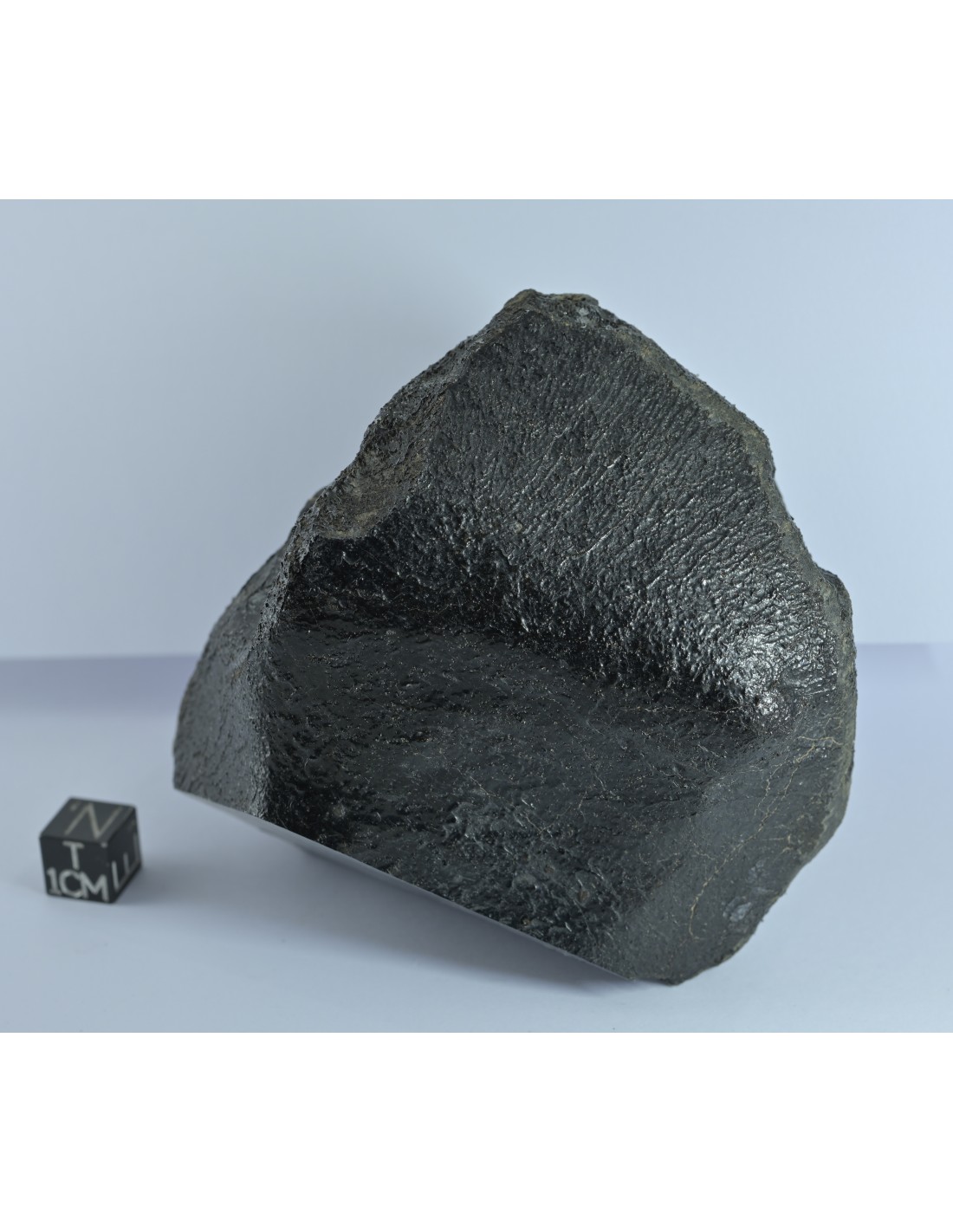
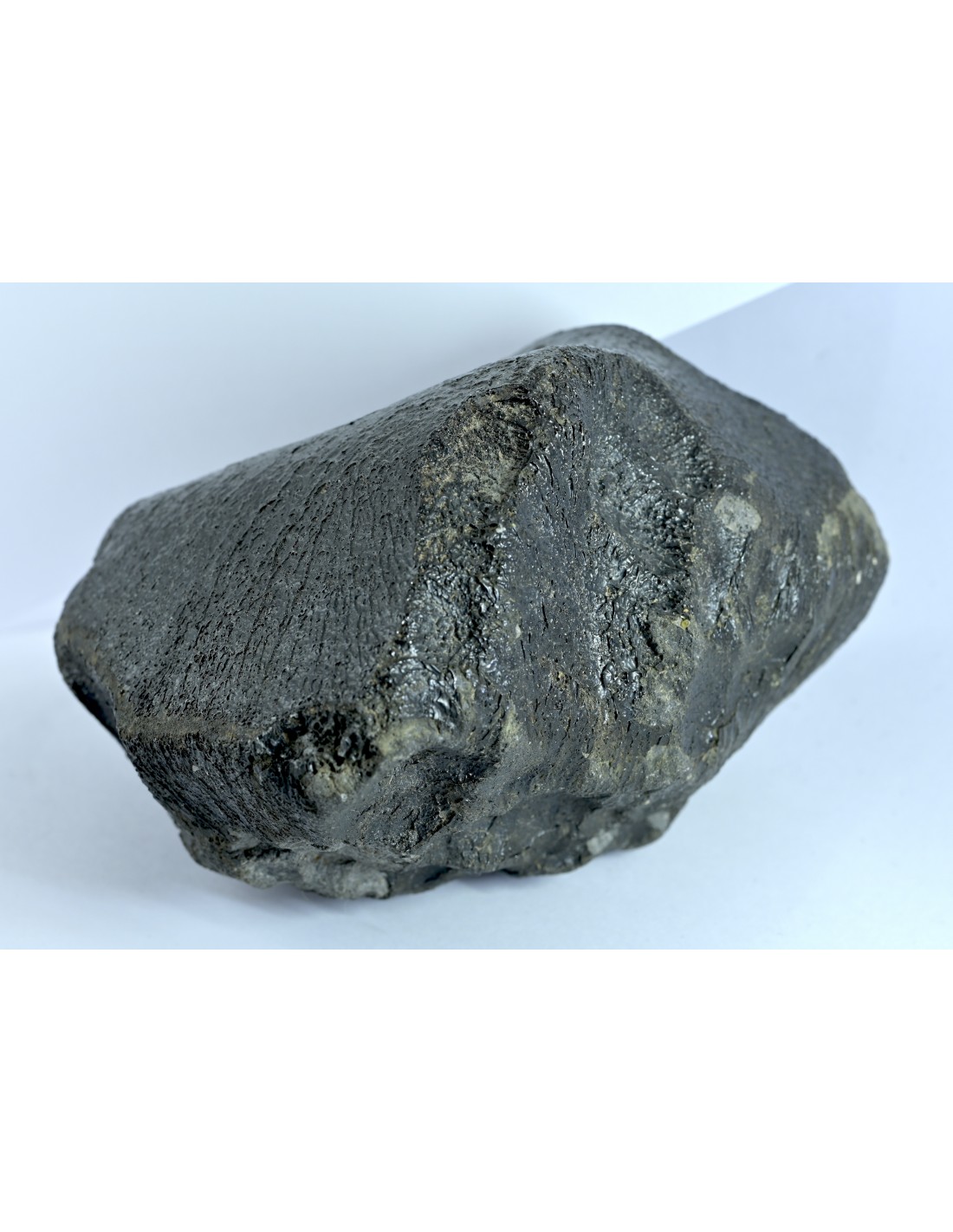
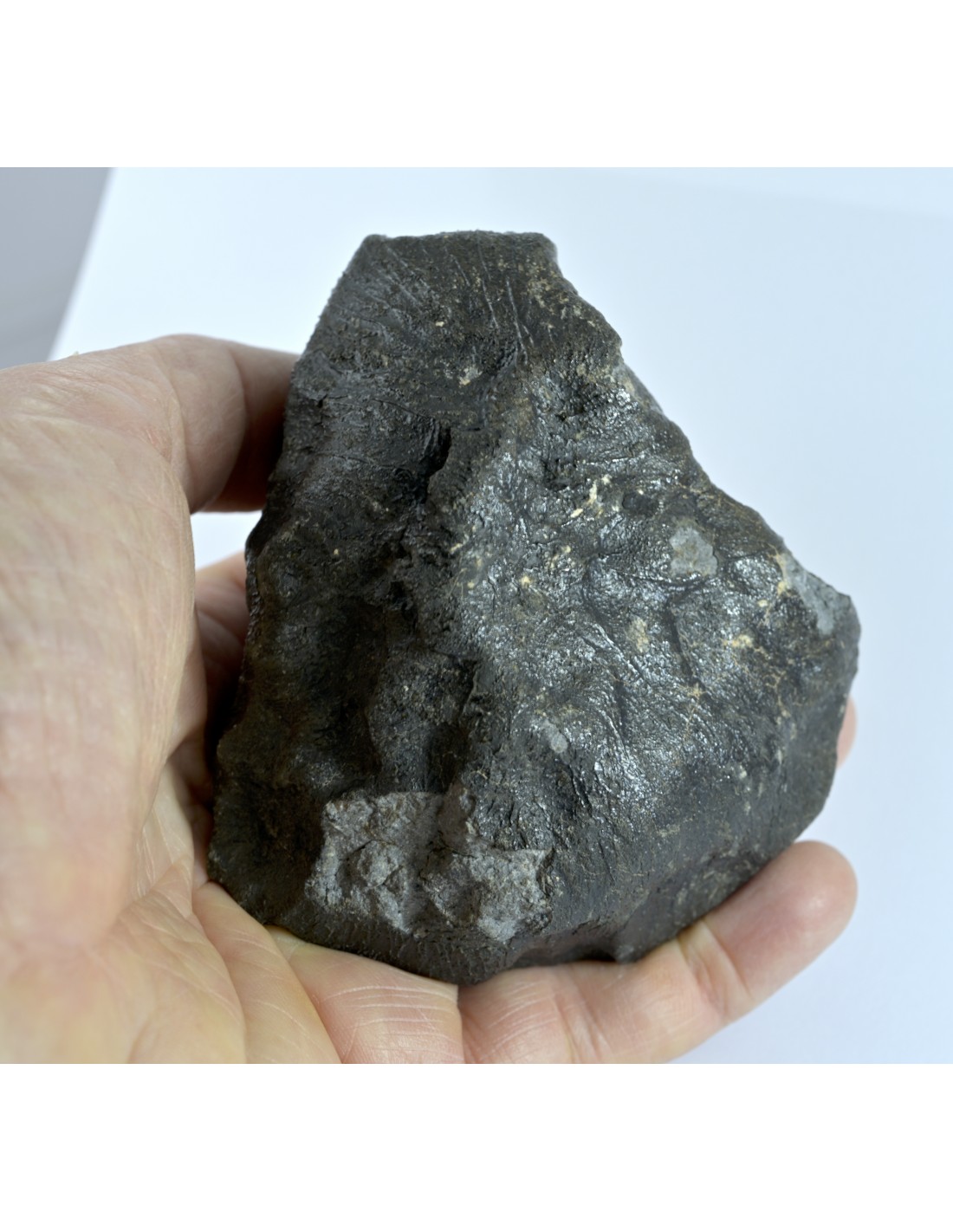
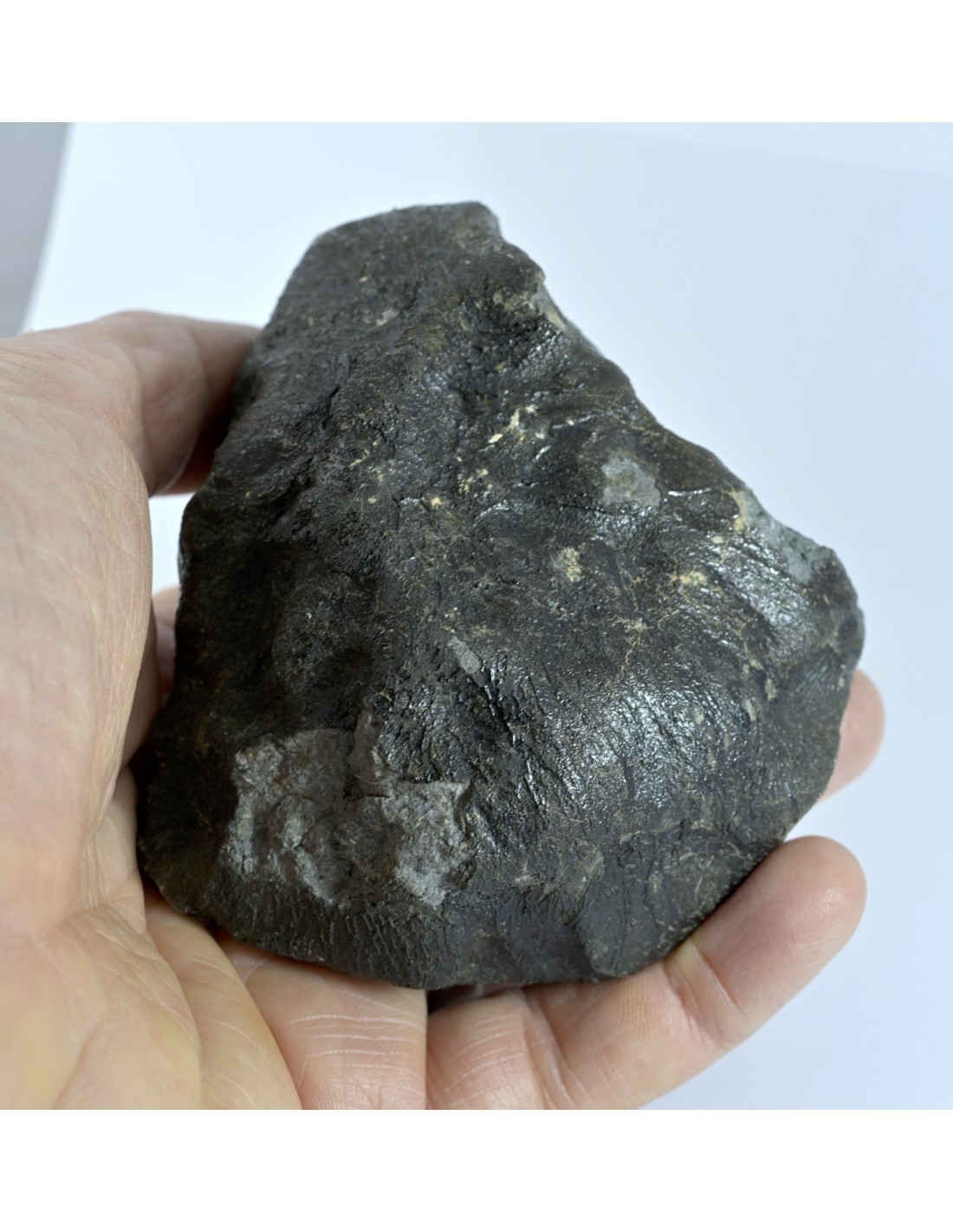
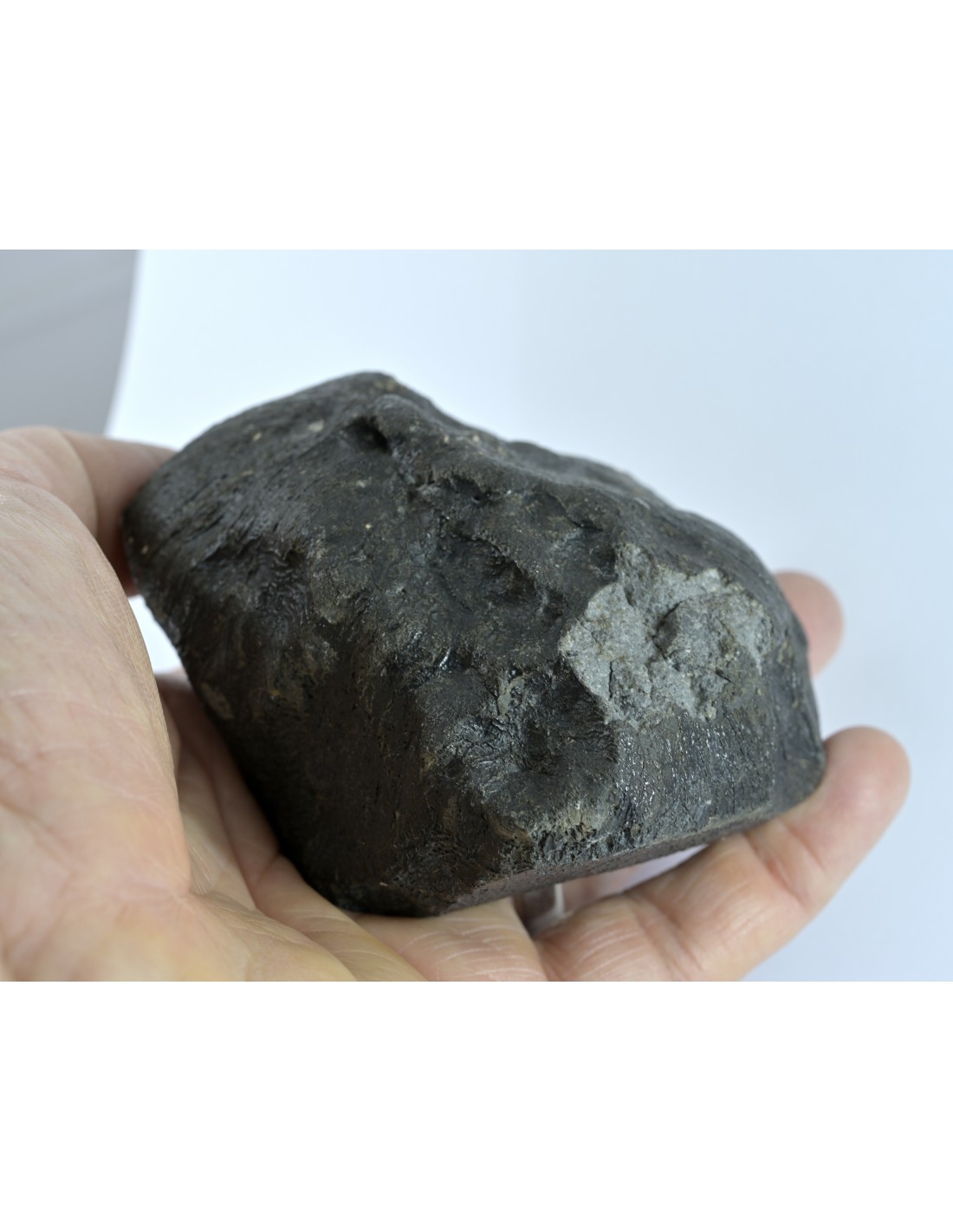
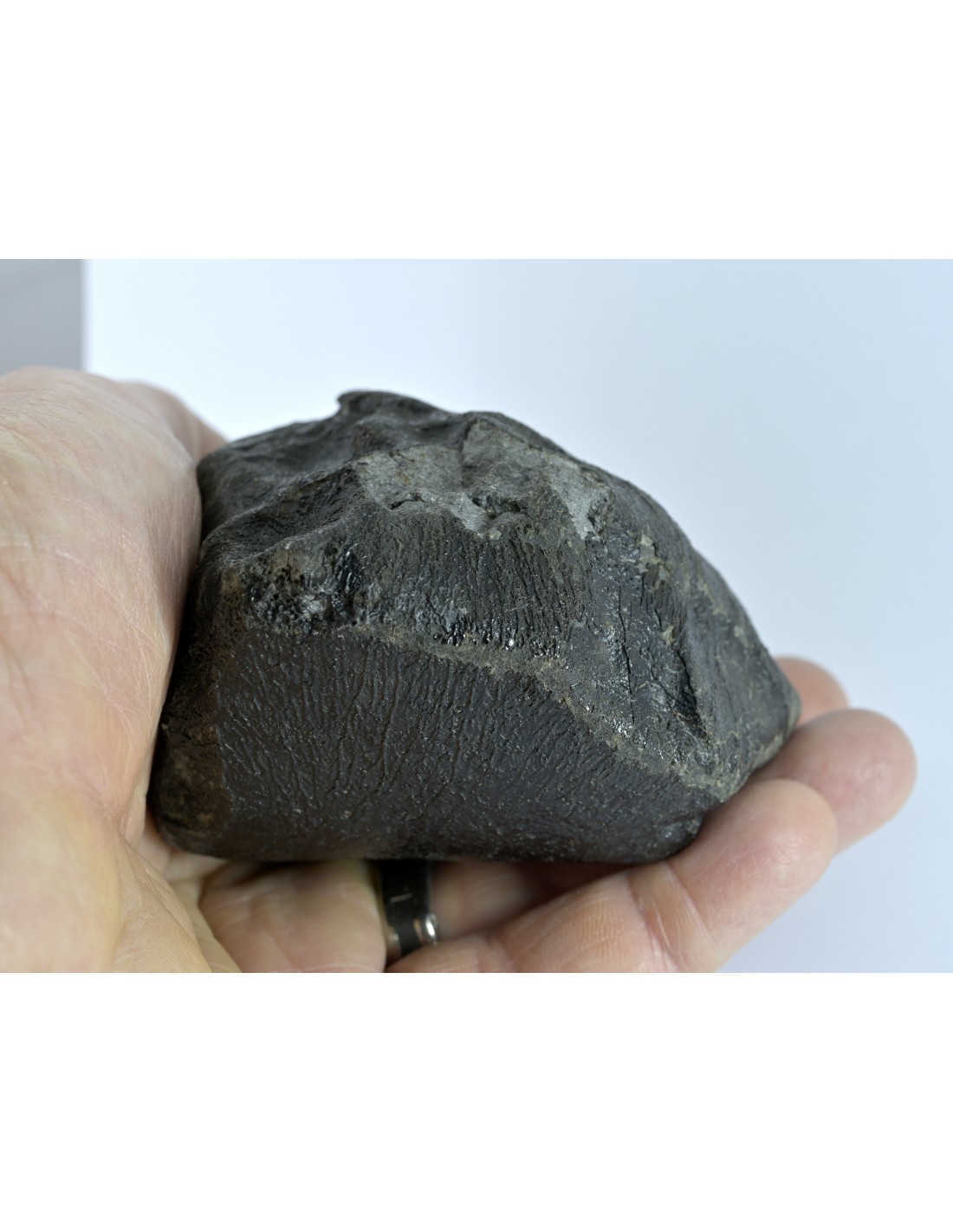
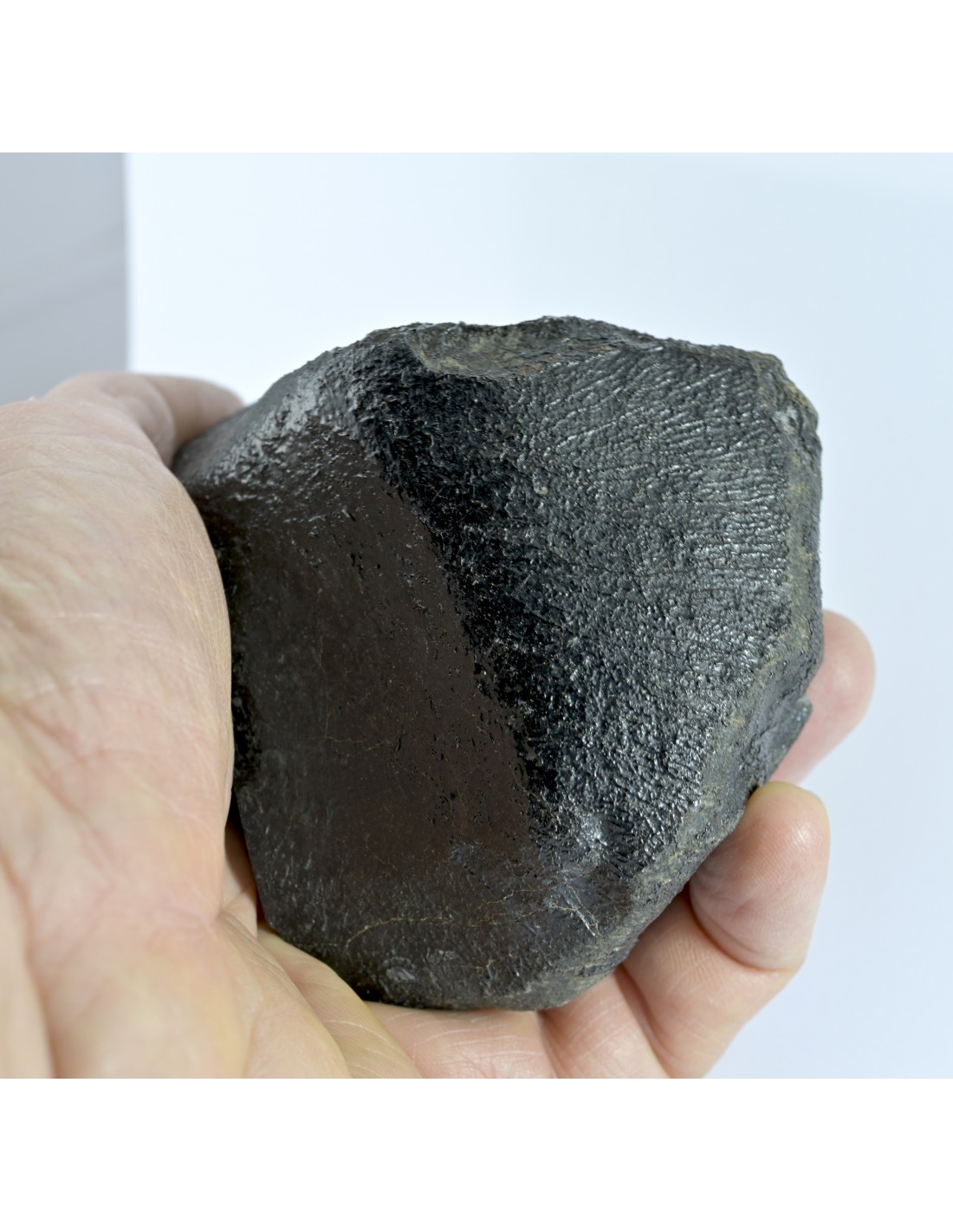
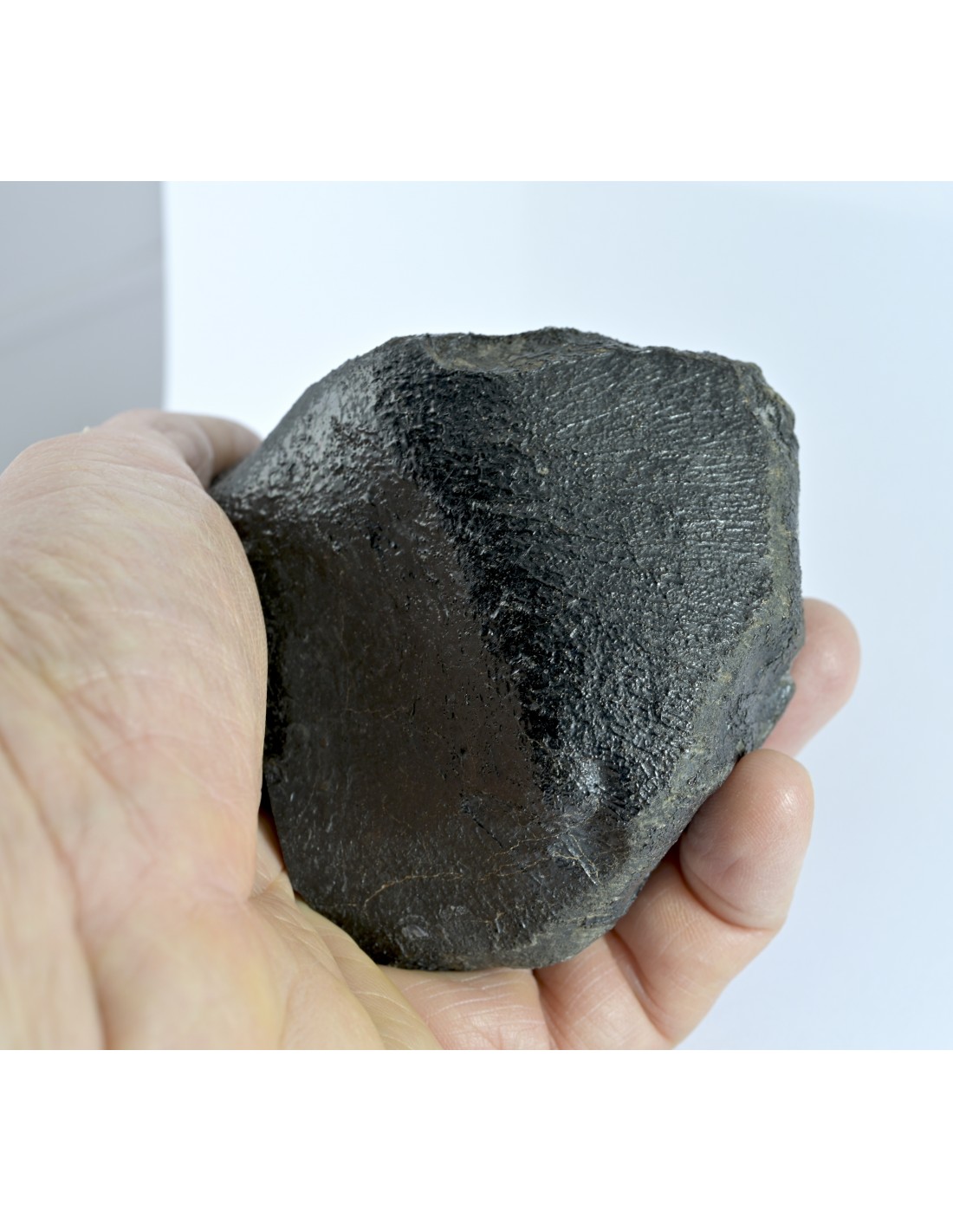
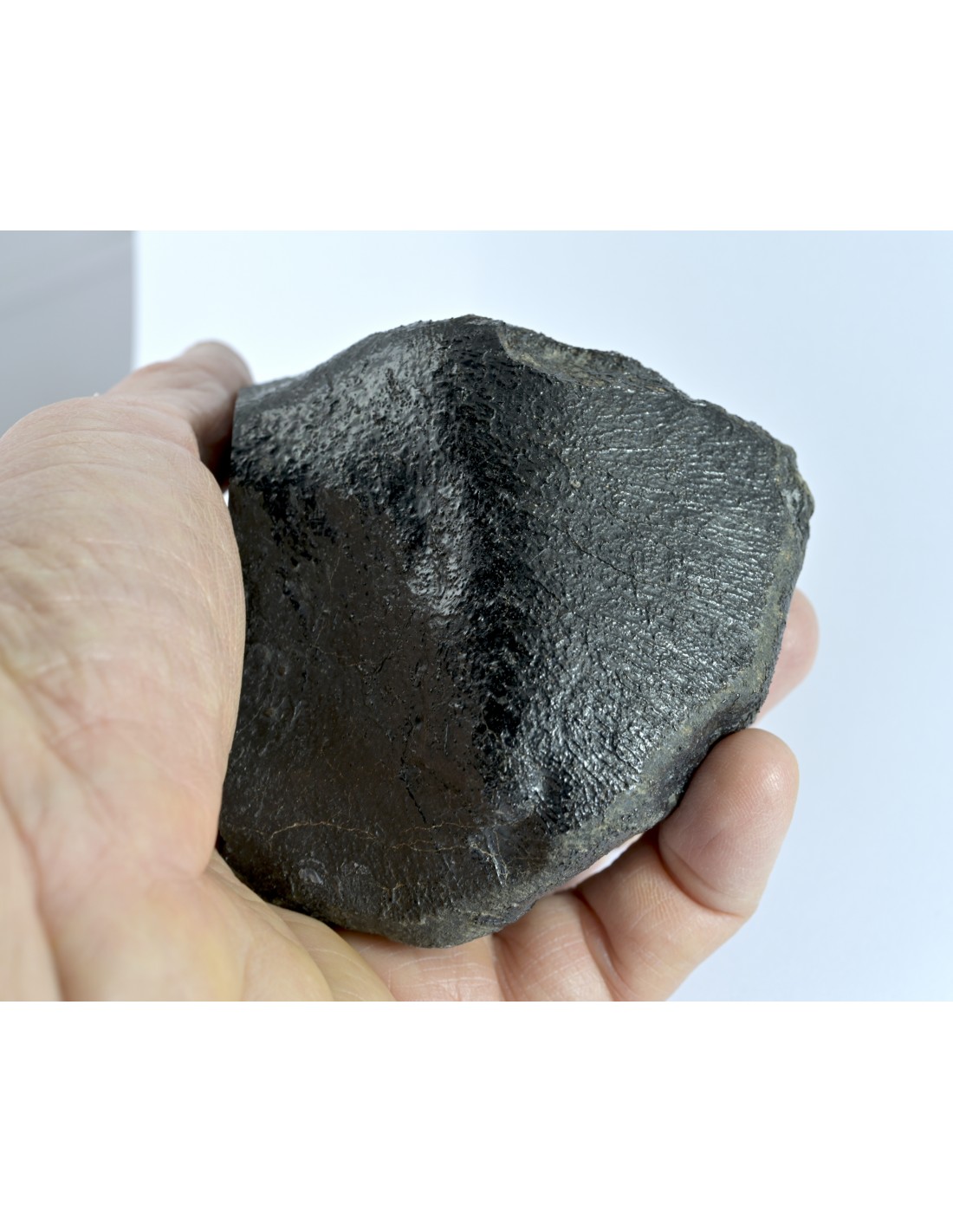
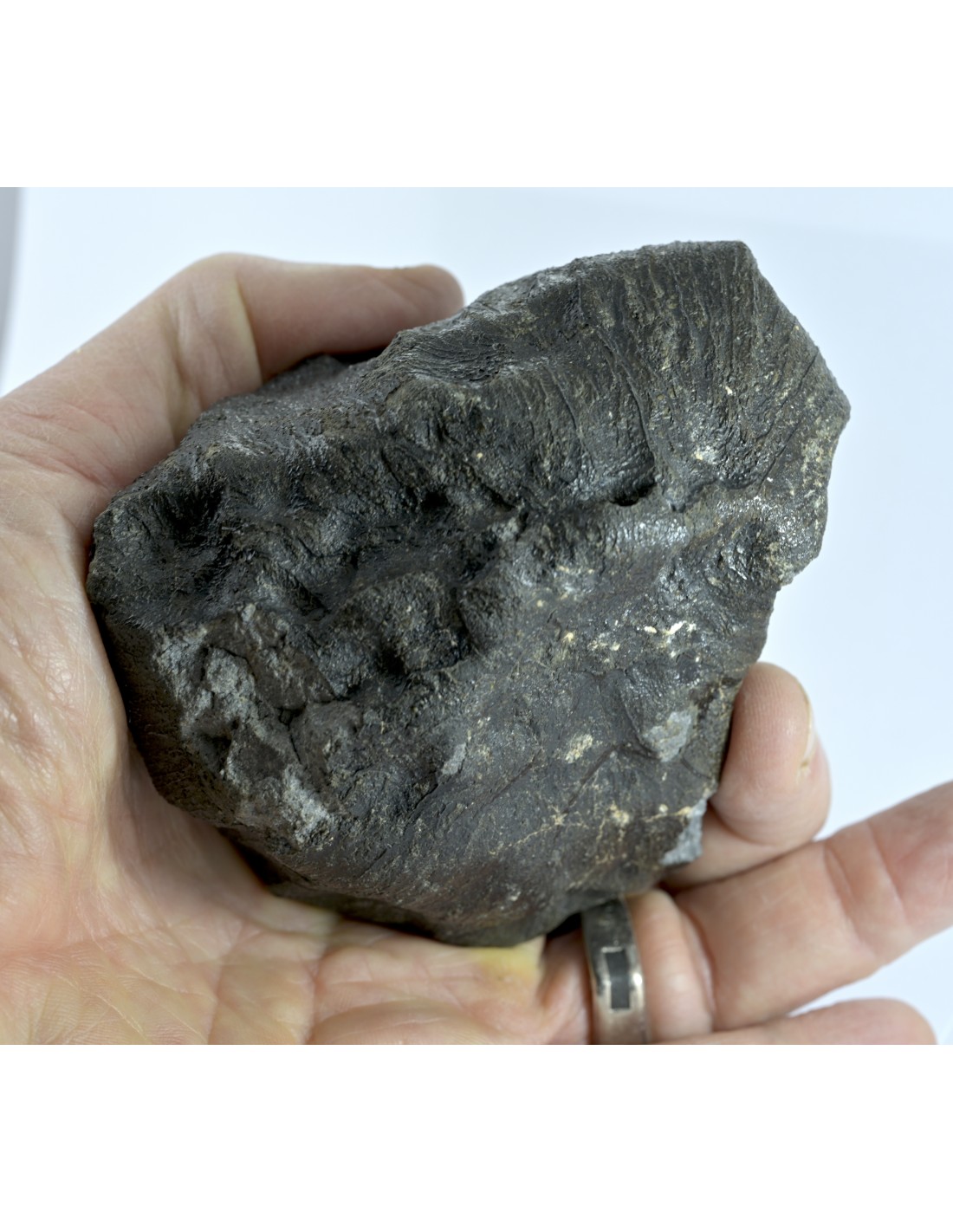
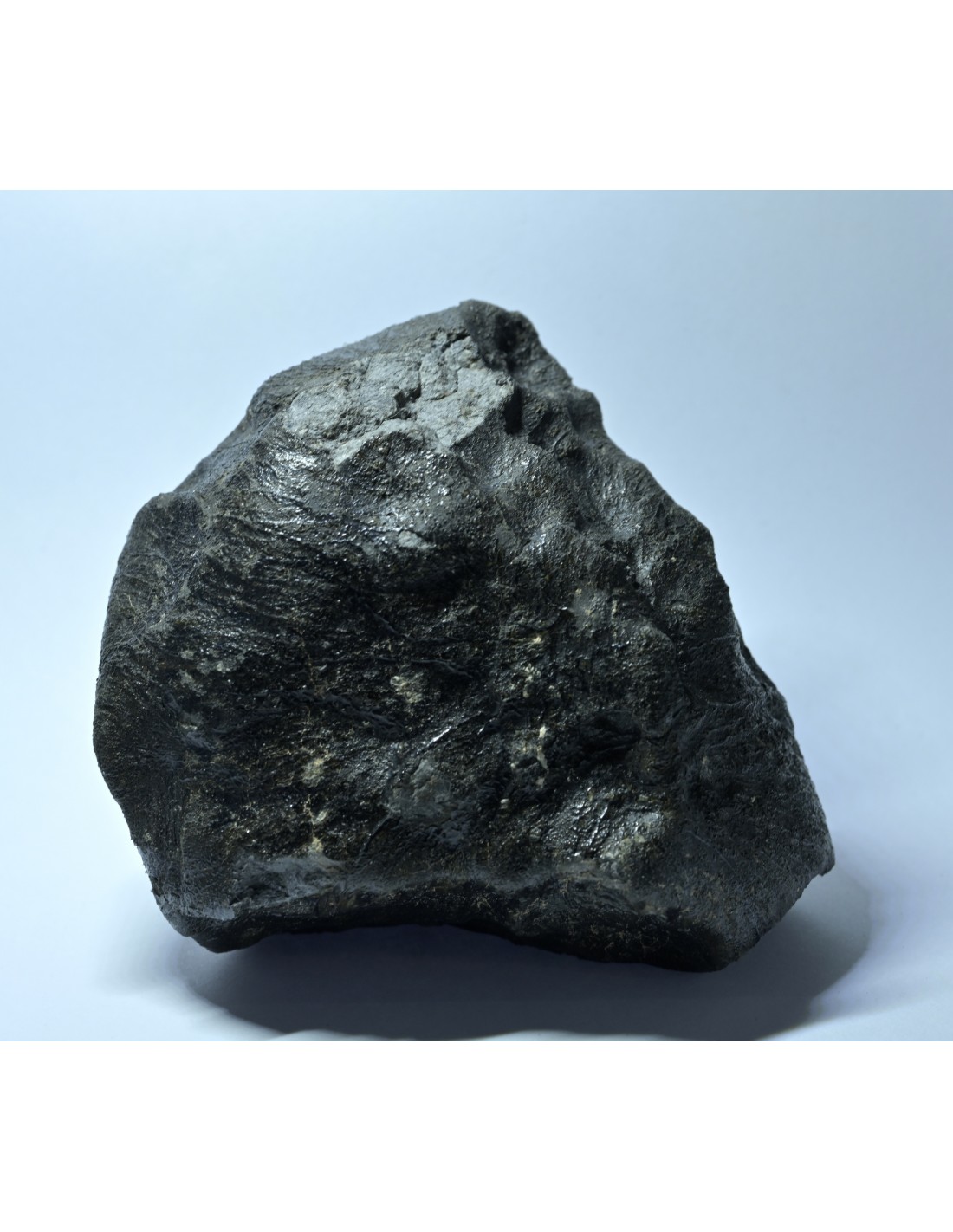
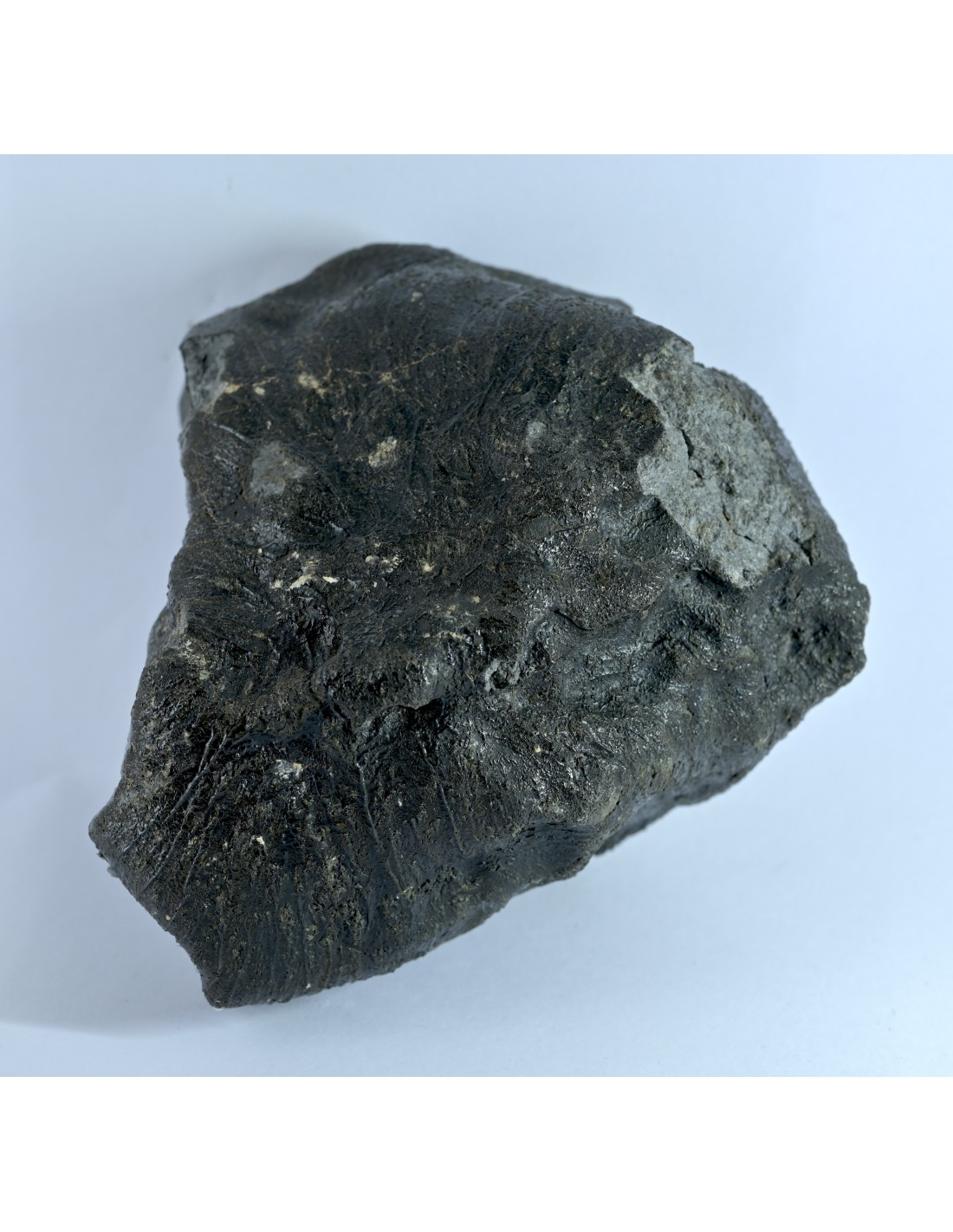
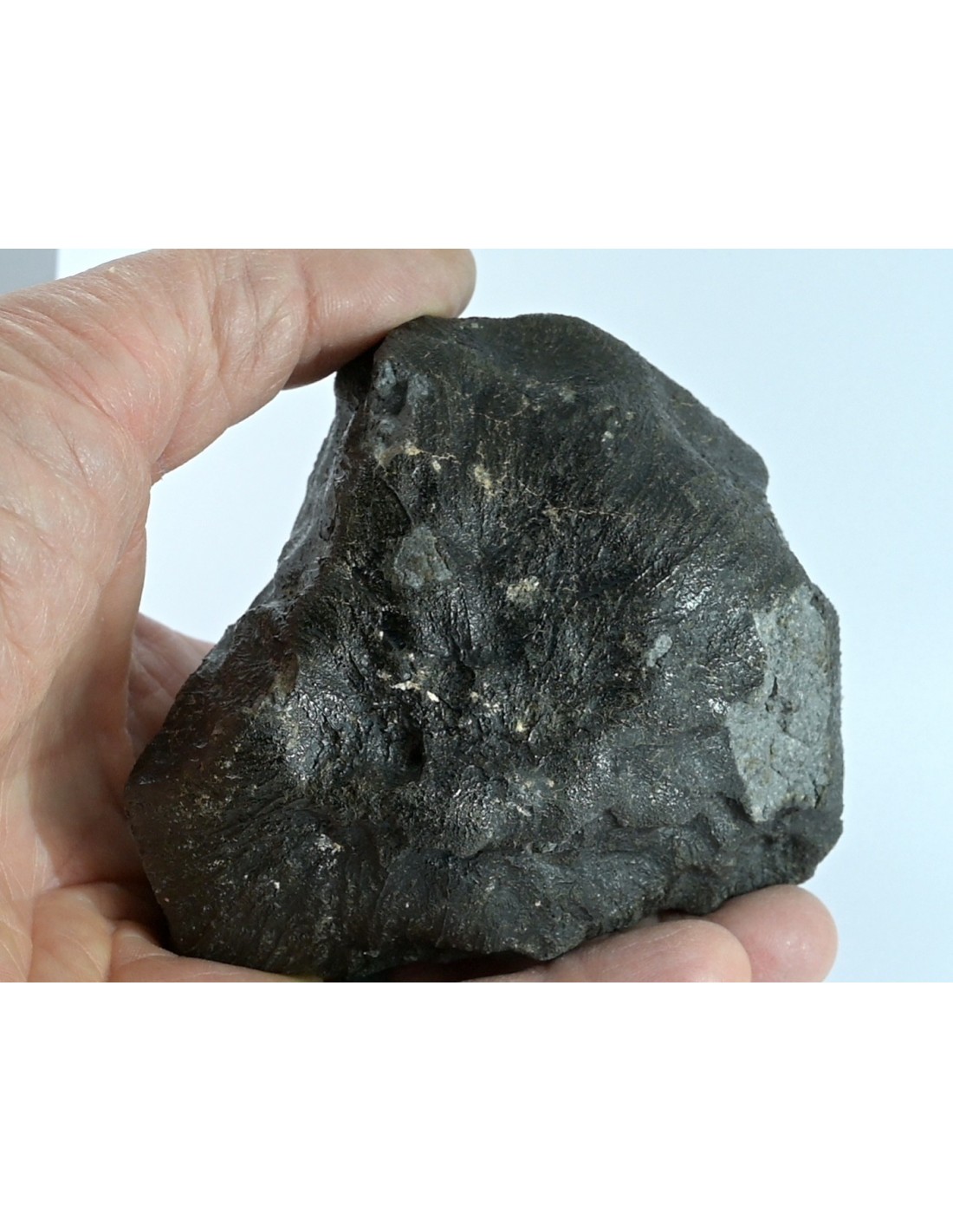
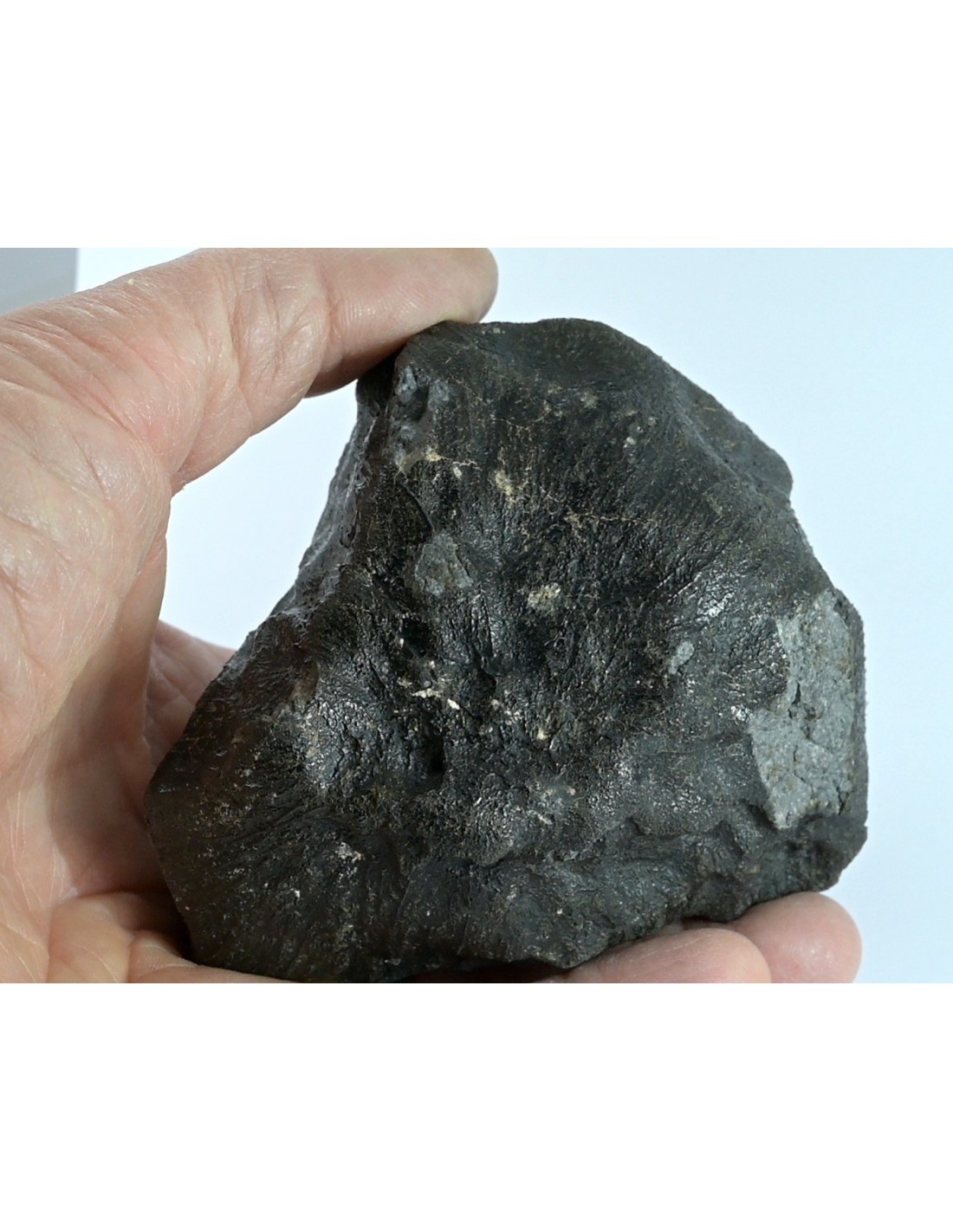
Exceptional complete oriented specimen of the rare eucrite NWA 17939, weighing 595 g and preserving a spectacular shield-shaped morphology formed during atmospheric entry. The meteorite displays remarkable radiating flow lines spreading from the apex across the glossy black fusion crust, a distinctive feature enhanced by the calcium-rich composition characteristic of eucrites. Even more unusual, flow lines are also visible on the posterior face of the stone, an exceptionally rare aerodynamic feature. Officially classified as a shock-darkened monomict eucrite with undulose extinction, NWA 17939 is currently the only known eucrite of this classification displaying such an advanced degree of orientation.
This video highlights the exceptional aerodynamic orientation of NWA 17939, including its radiating flow lines and glossy black fusion crust characteristic of calcium-rich eucrites
NWA 17939 – Exceptional Oriented Eucrite
NWA 17939 is a rare monomict eucrite distinguished both by its unusual petrological characteristics and by one of the most spectacular aerodynamic shapes known among eucrites.
This complete 595 g specimen preserves an extraordinary shield-shaped morphology produced during atmospheric flight. Its broad leading surface displays superb radiating flow lines diverging from the apex and extending across the glossy black fusion crust.
The exceptional preservation of these aerodynamic structures makes this meteorite a remarkable natural example of atmospheric sculpting.
Remarkable Shield Shape and Flow Lines
The meteorite presents a highly developed shield shape with a broad leading face and strongly organized flow structures.
The flow lines radiate outward from the apex and remain sharply visible across the dark glossy crust. This vitreous appearance is characteristic of eucrites and results from their calcium-rich composition, which commonly produces particularly lustrous fusion crusts during atmospheric ablation.
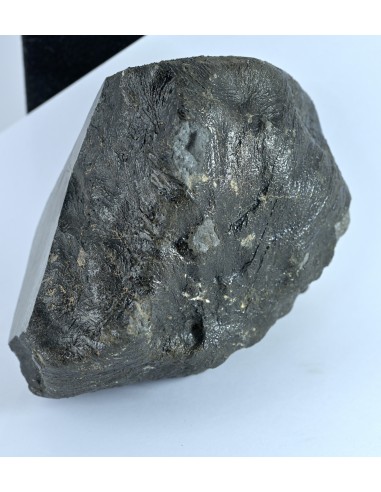
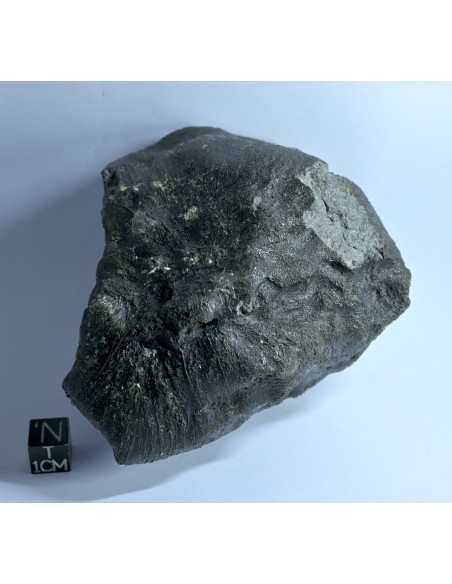
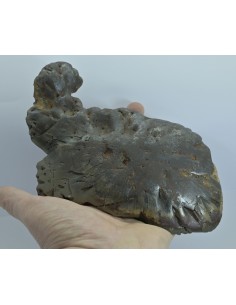
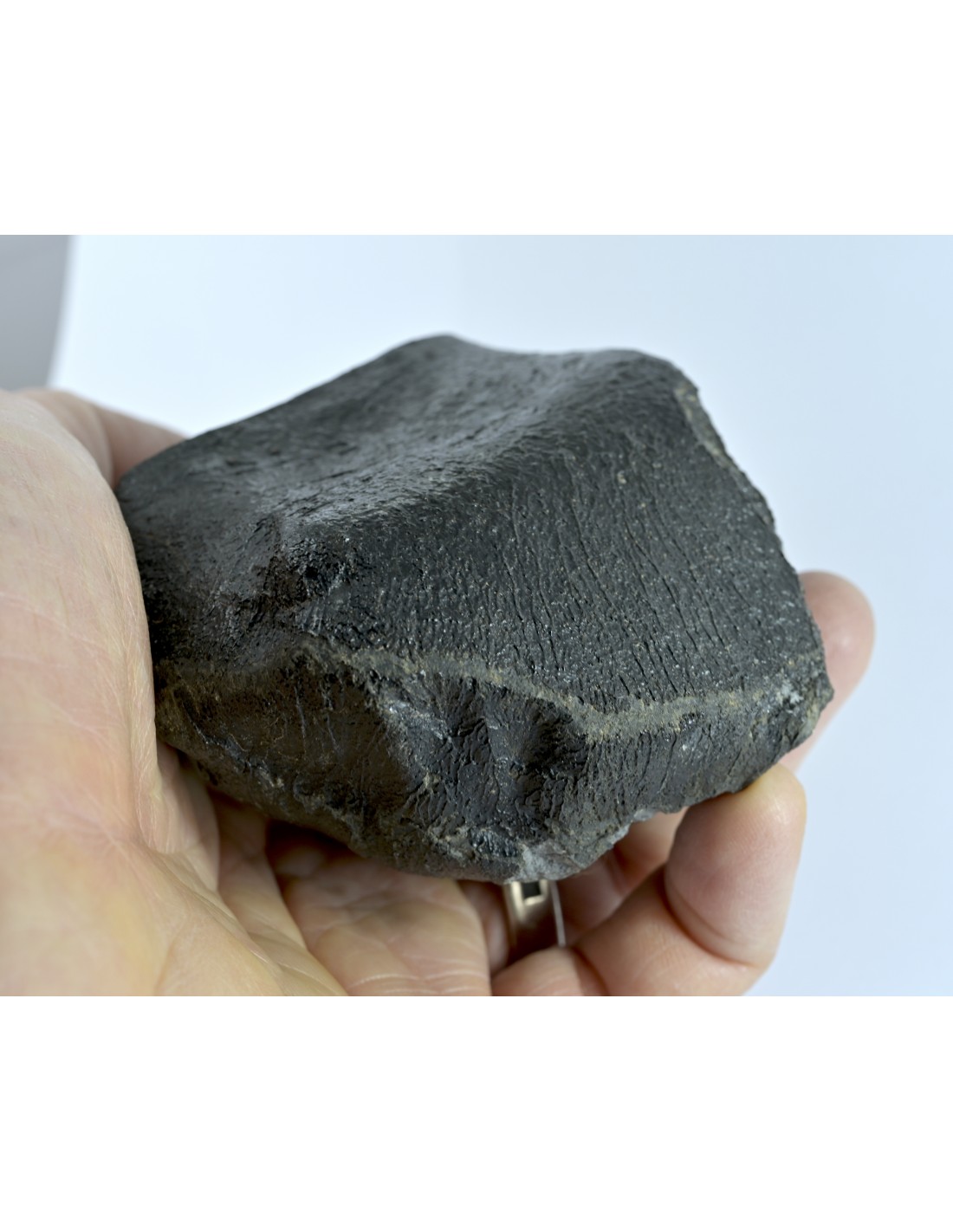
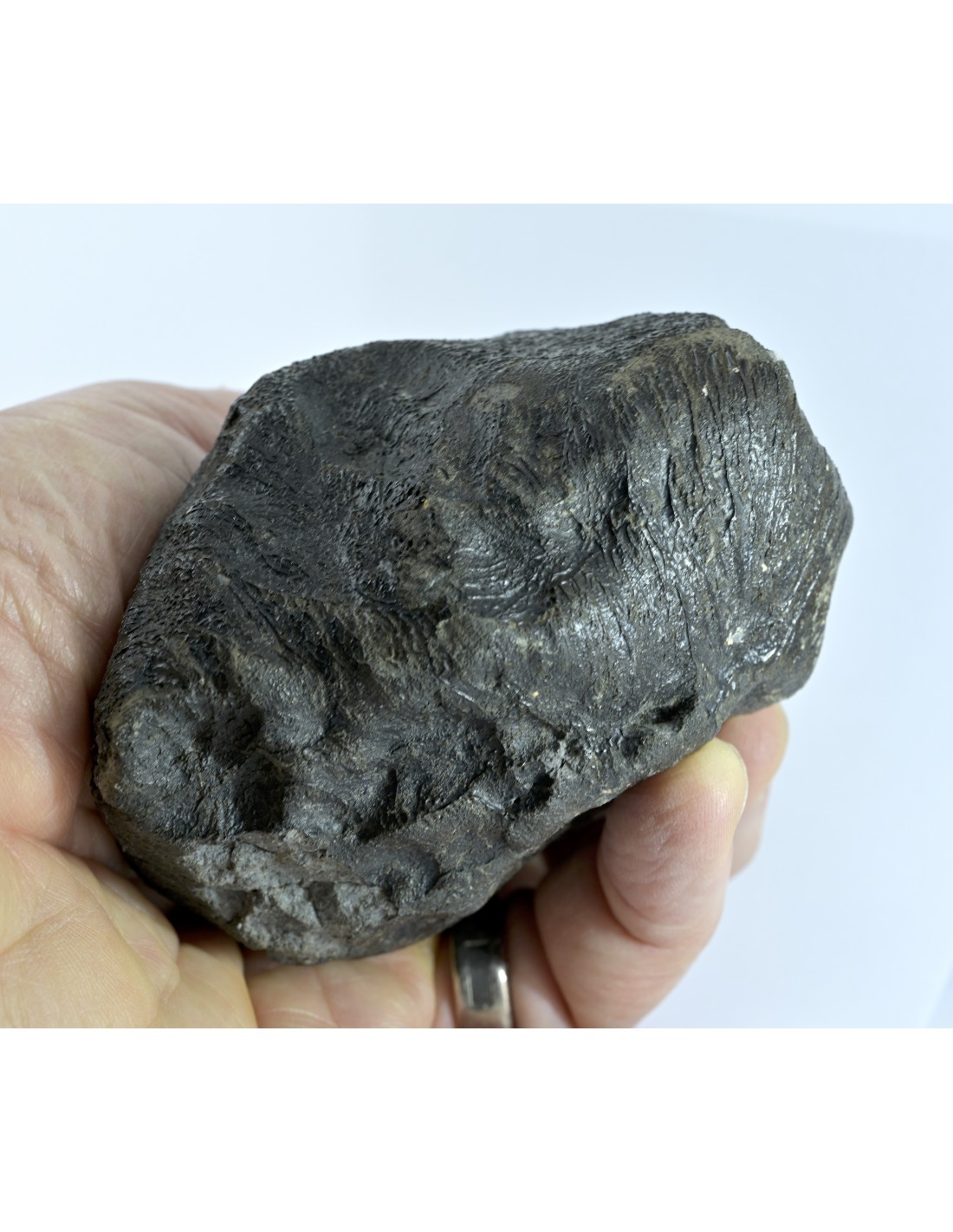
Even more unusual, flow lines are also visible on the posterior face of the meteorite. Such structures on the trailing side are considerably rarer and provide additional evidence of highly stable atmospheric orientation during flight.
The combination of:
Strong shield-shaped orientation
Radiating flow lines
Posterior flow structures
Glossy black crust
Complete preserved morphology
places this specimen among the most aesthetic oriented eucrites encountered on the collector market.
Shock-Darkened Eucrite
NWA 17939 possesses an additional scientific peculiarity. The meteorite has been officially classified as a shock-darkened monomict eucrite displaying undulose extinction.
This shock-darkened structure produces unusually darkened zones within the meteorite, reflecting intense impact processes that affected the parent body before ejection into space.
According to the classification, NWA 17939 currently represents the only known eucrite of this classification displaying this specific combination of shock-darkening and extreme orientation.
Classification Sample and Interior
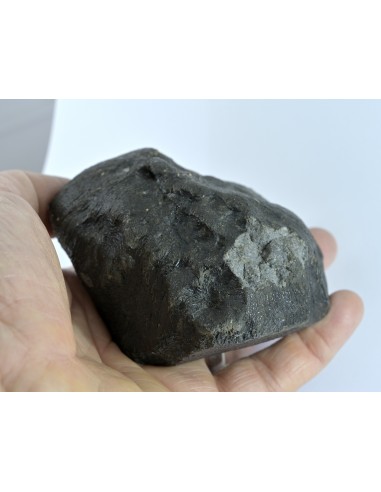
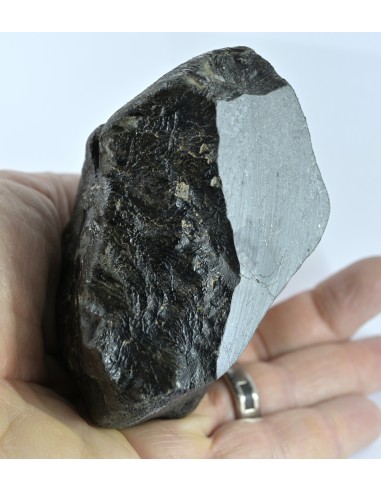
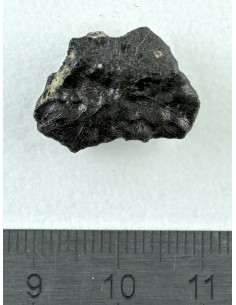
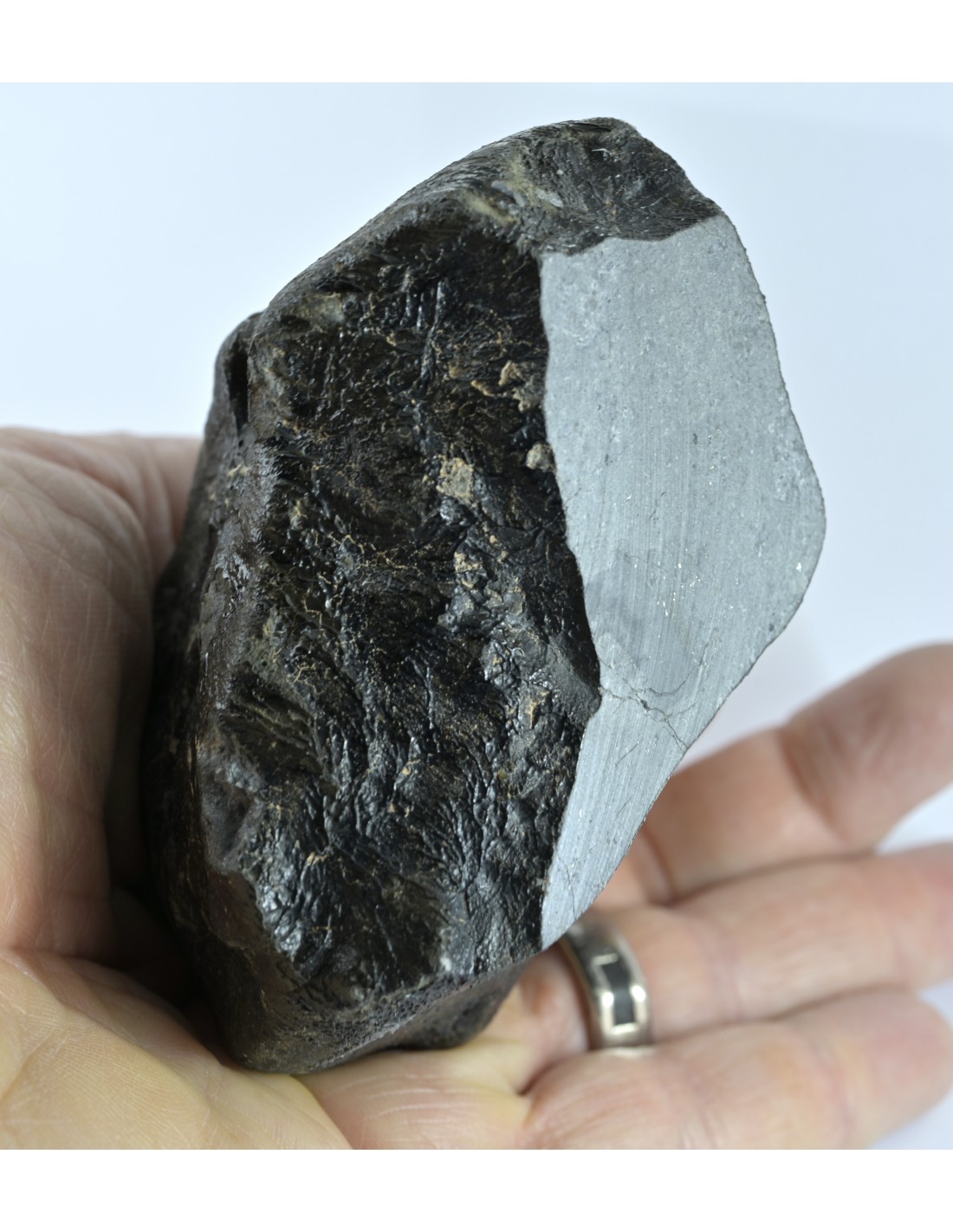
The official classification required the removal of a minimum 20 g sample from the stone. Selecting the location for this cut was particularly difficult because of the exceptional aerodynamic preservation of the specimen.
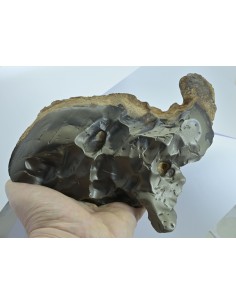
However, the sampling now provides a rare opportunity to observe the meteorite’s interior, revealing the distinctive shock-darkened structure associated with its classification.
This internal contrast between the dark shock-modified zones and the fresh eucritic lithology adds considerable scientific and visual interest to the specimen.
Eucrites and the Crust of Vesta
Eucrites are basaltic achondrites originating from the crust of differentiated asteroid 4 Vesta or from closely related bodies.
They formed through volcanic and magmatic processes early in Solar System history and represent fragments of ancient planetary crust material.
Their study contributes to understanding:
Planetary differentiation
Ancient volcanic activity
Impact processing
Asteroidal crust evolution
Shock metamorphism
Collector Importance
This specimen combines several highly desirable characteristics rarely found together in a single eucrite:
Complete oriented morphology
Strong shield shape
Radiating flow lines
Posterior flow structures
Glossy black fusion crust
Shock-darkened classification
Large display size
Scientific rarity
Oriented eucrites displaying such advanced aerodynamic development are exceptionally uncommon, especially among officially classified shock-darkened specimens.
Condition
Complete individual preserving its natural glossy fusion crust with exceptionally well-developed radiating flow lines on both leading and trailing surfaces.
An outstanding museum-grade specimen combining aerodynamic beauty, scientific rarity and exceptional preservation.