Shopping Cart
There are no more meteorites in your cart
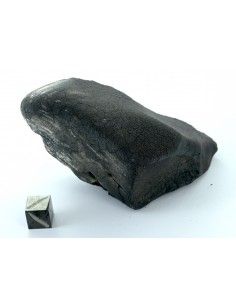
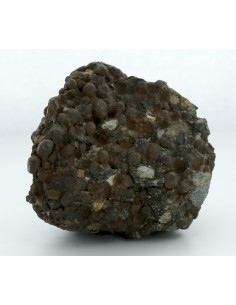
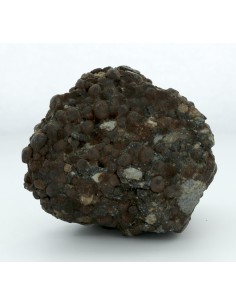
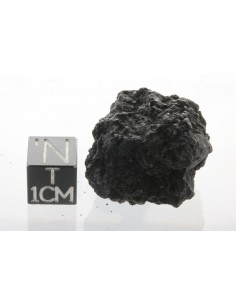
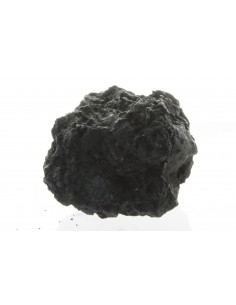
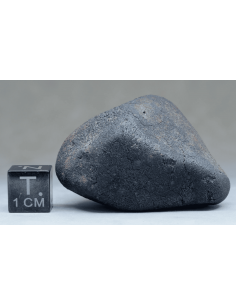
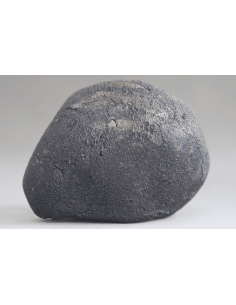
Tarda Meteorite – Carbonaceous Chondrite (C2-ungrouped)
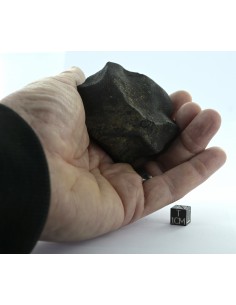
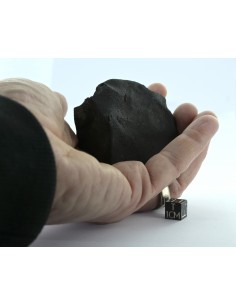
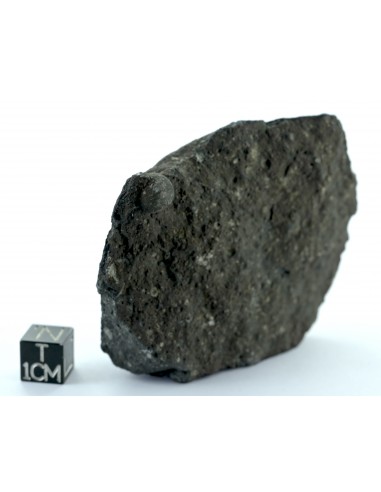
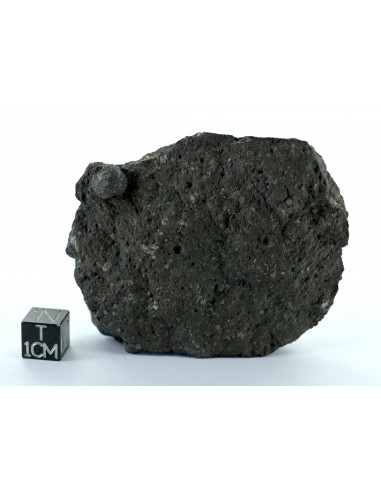
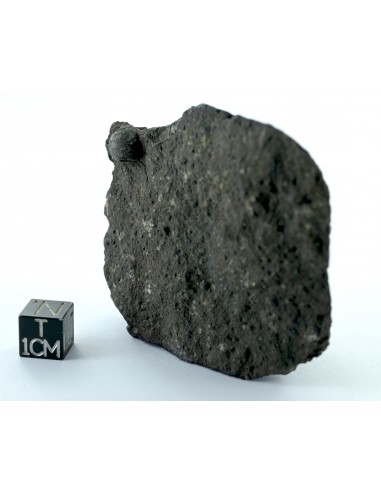
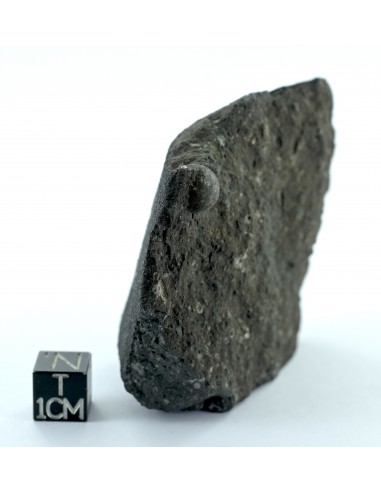
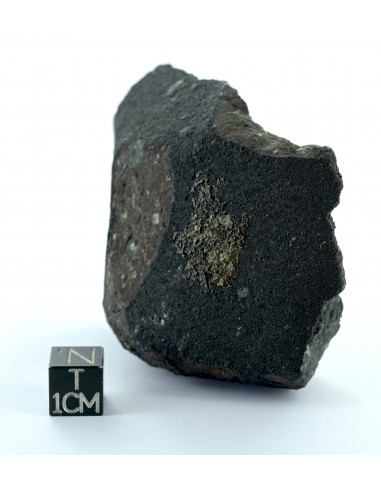
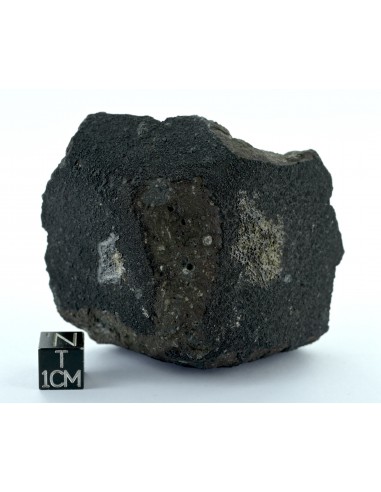
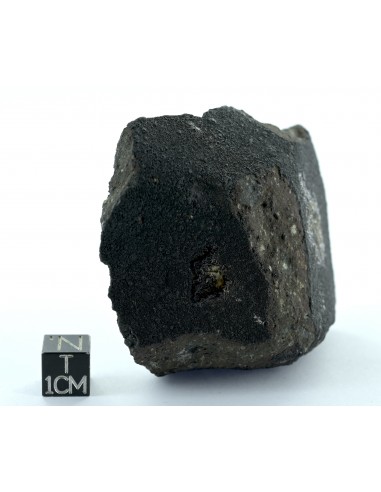
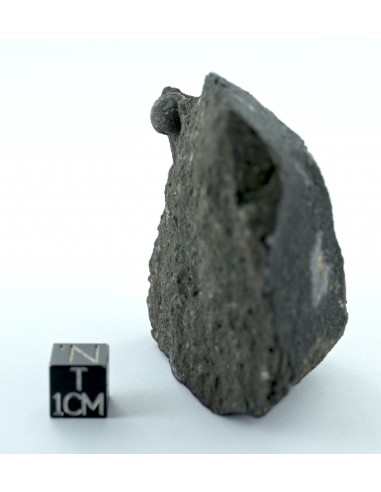
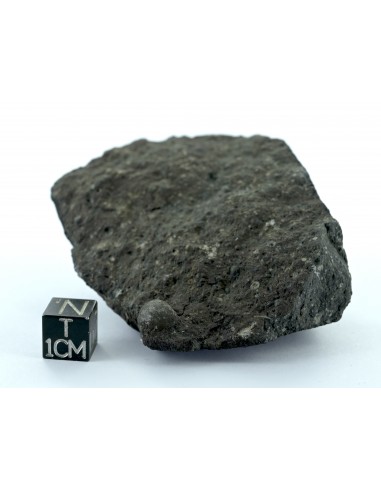
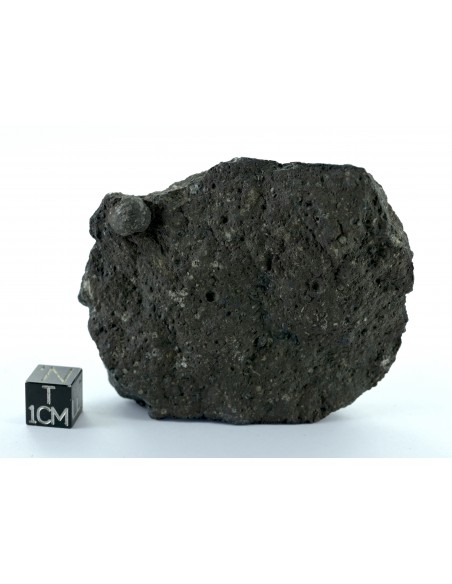
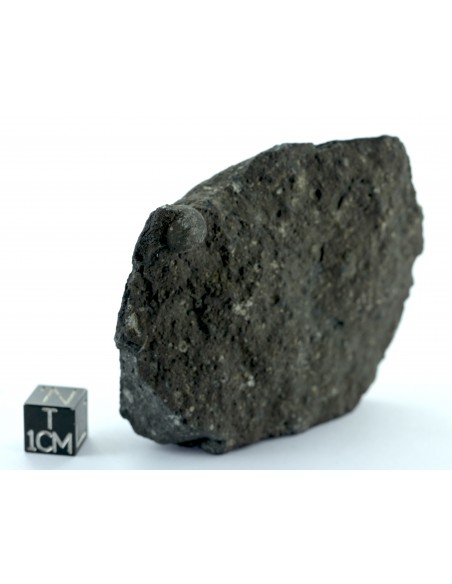
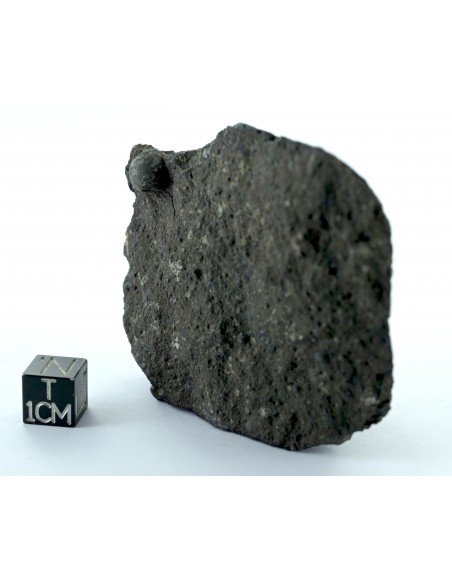
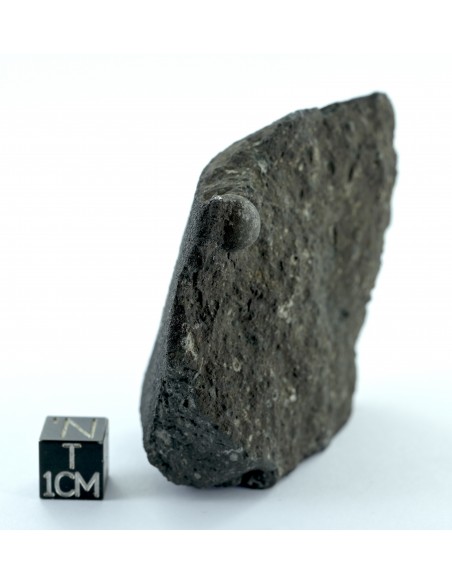
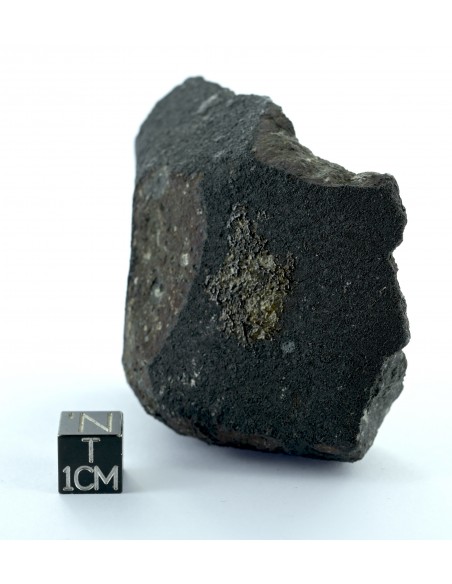
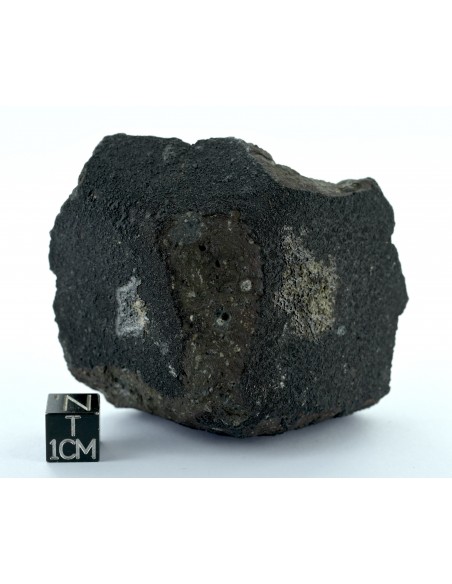
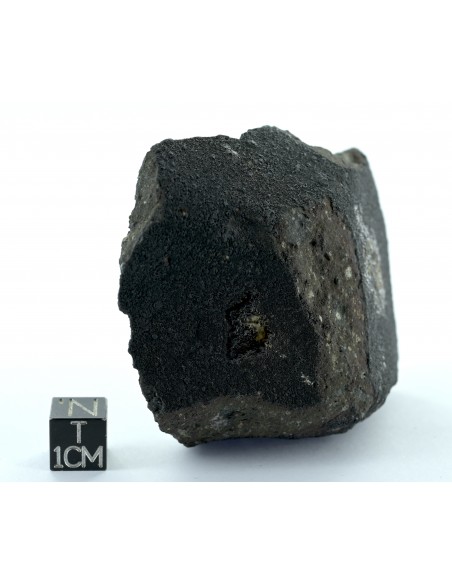
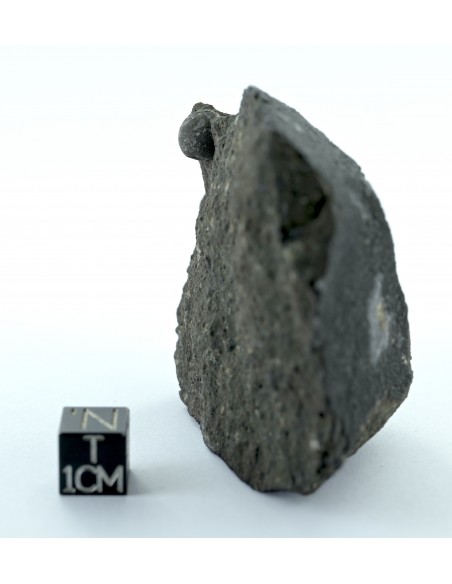
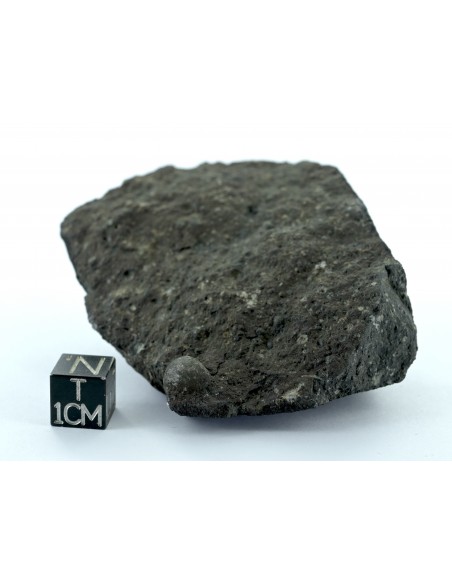
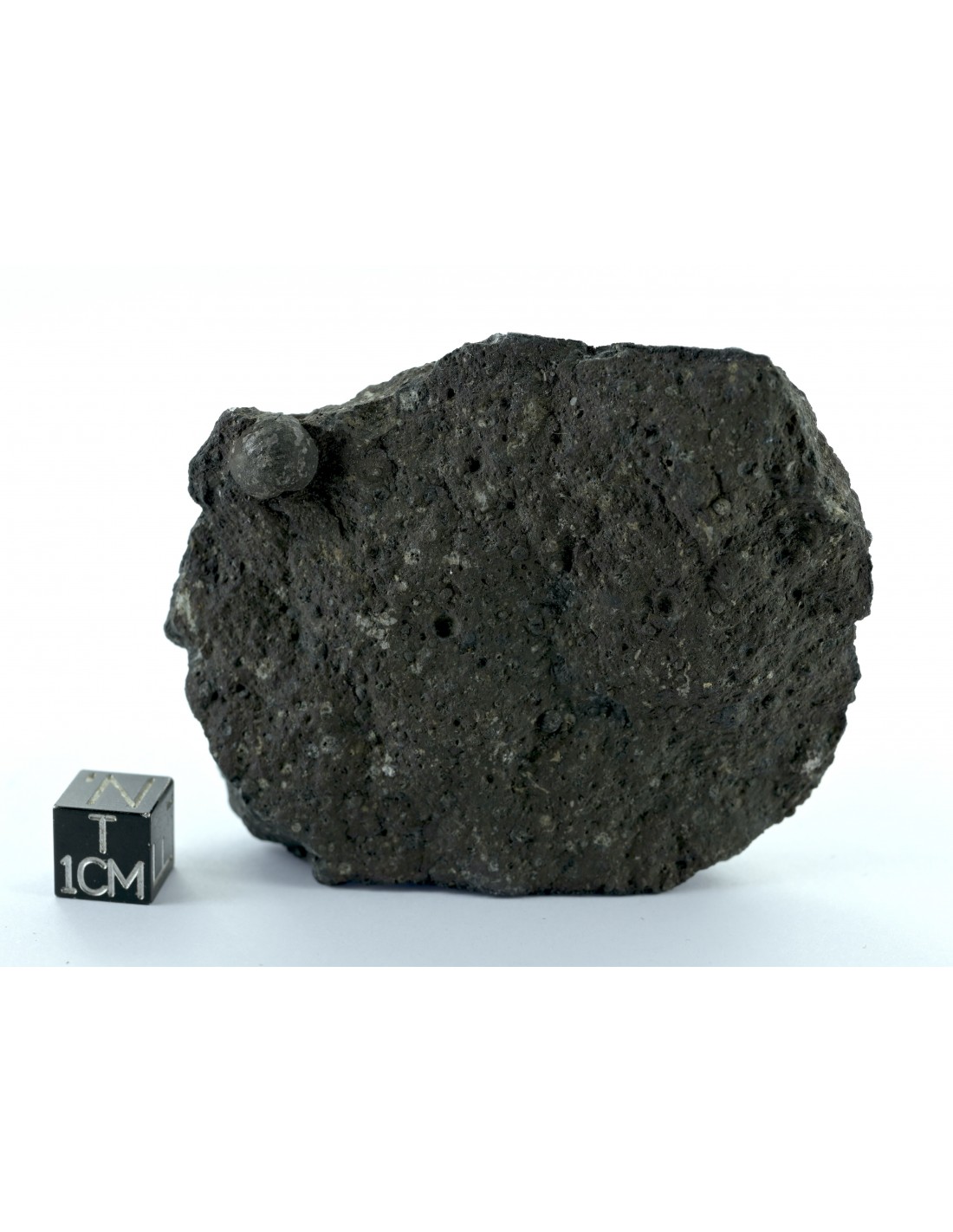
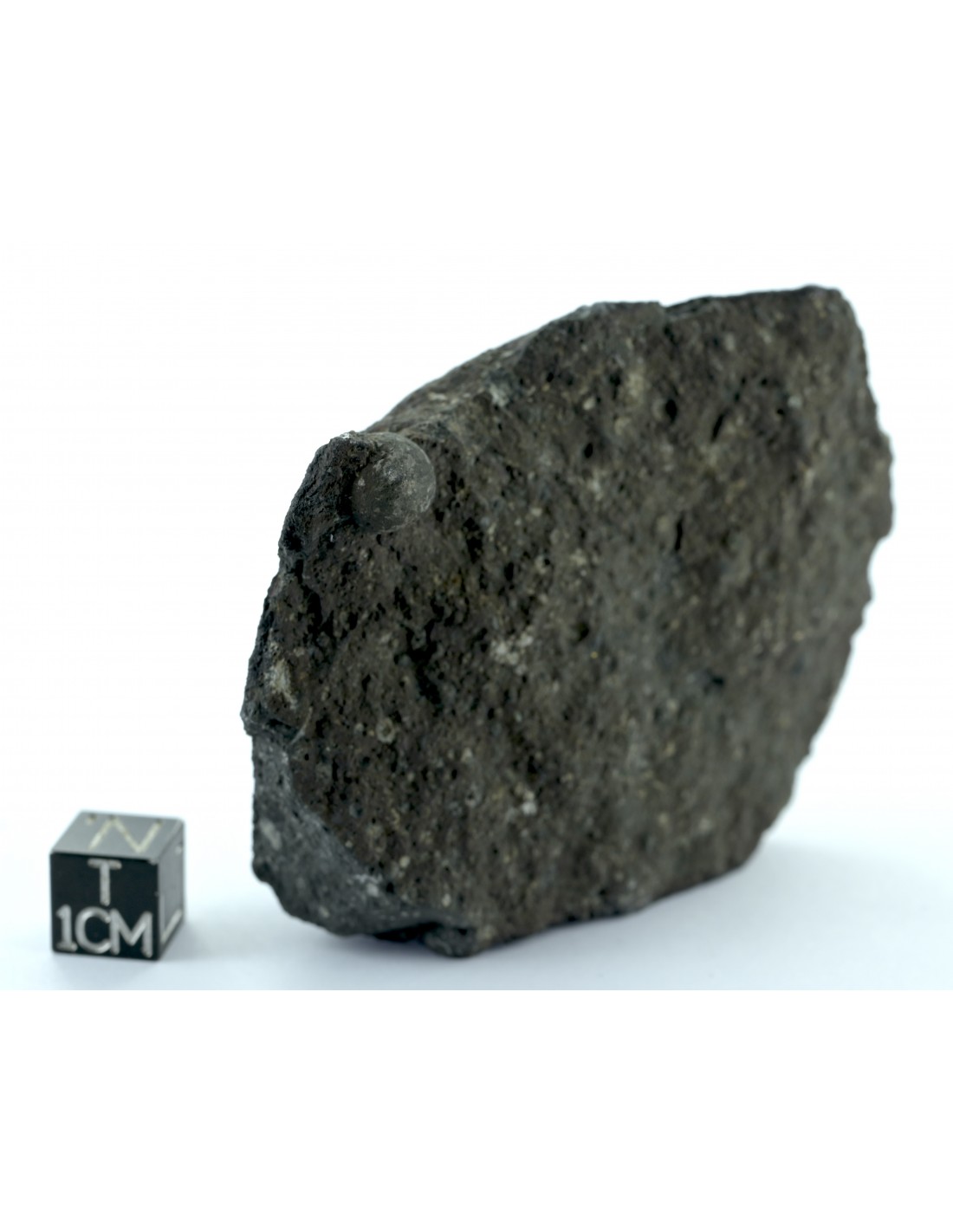
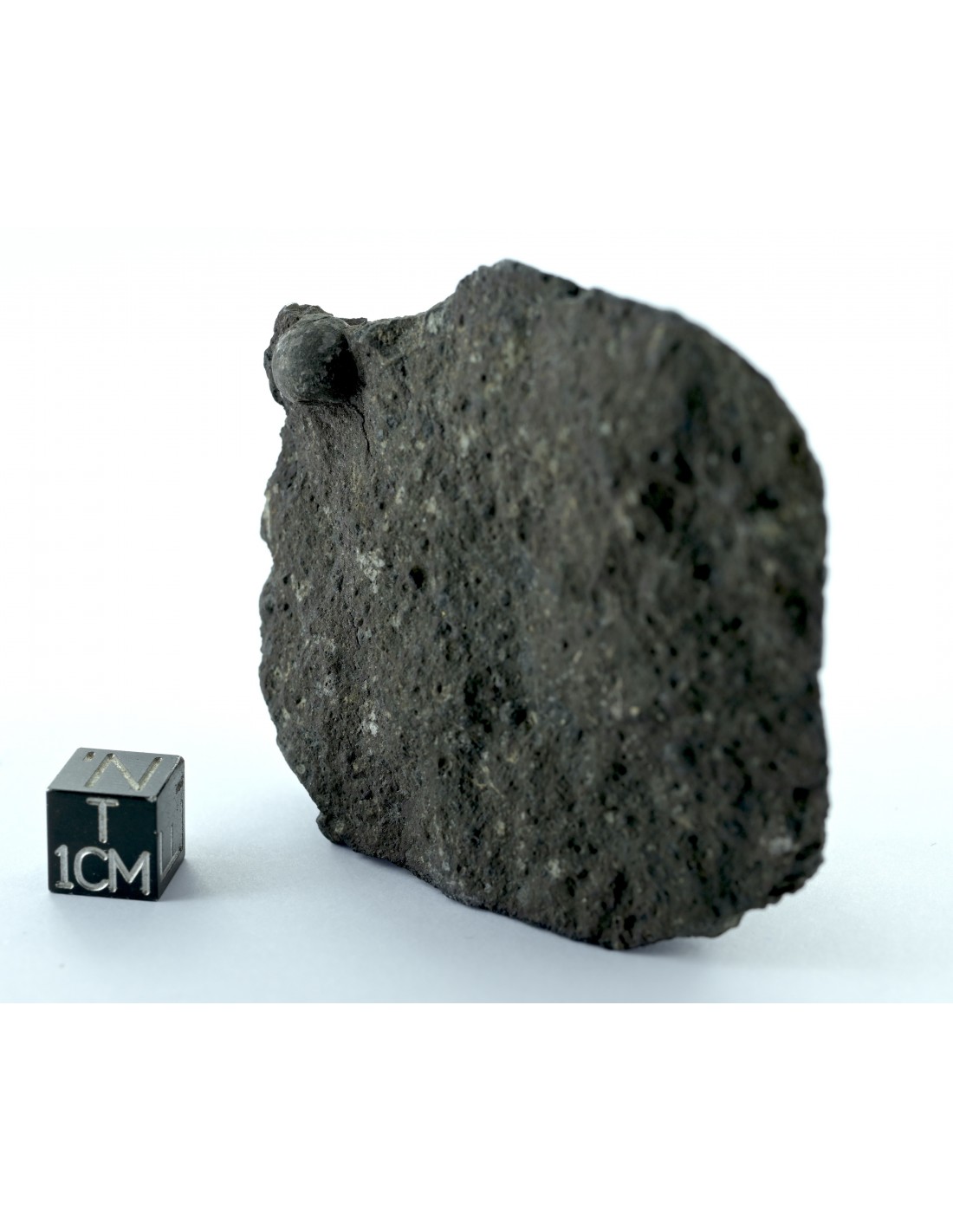
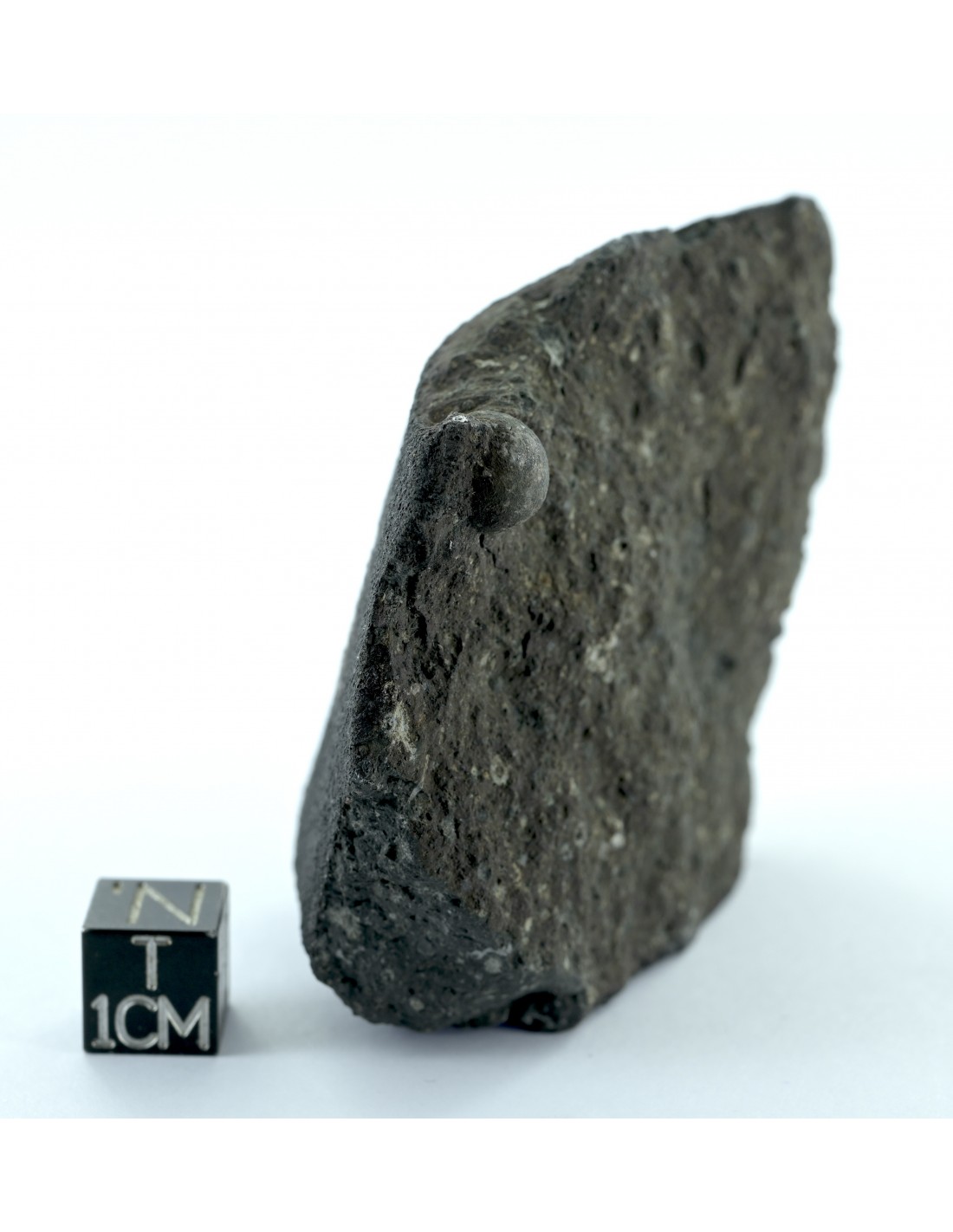
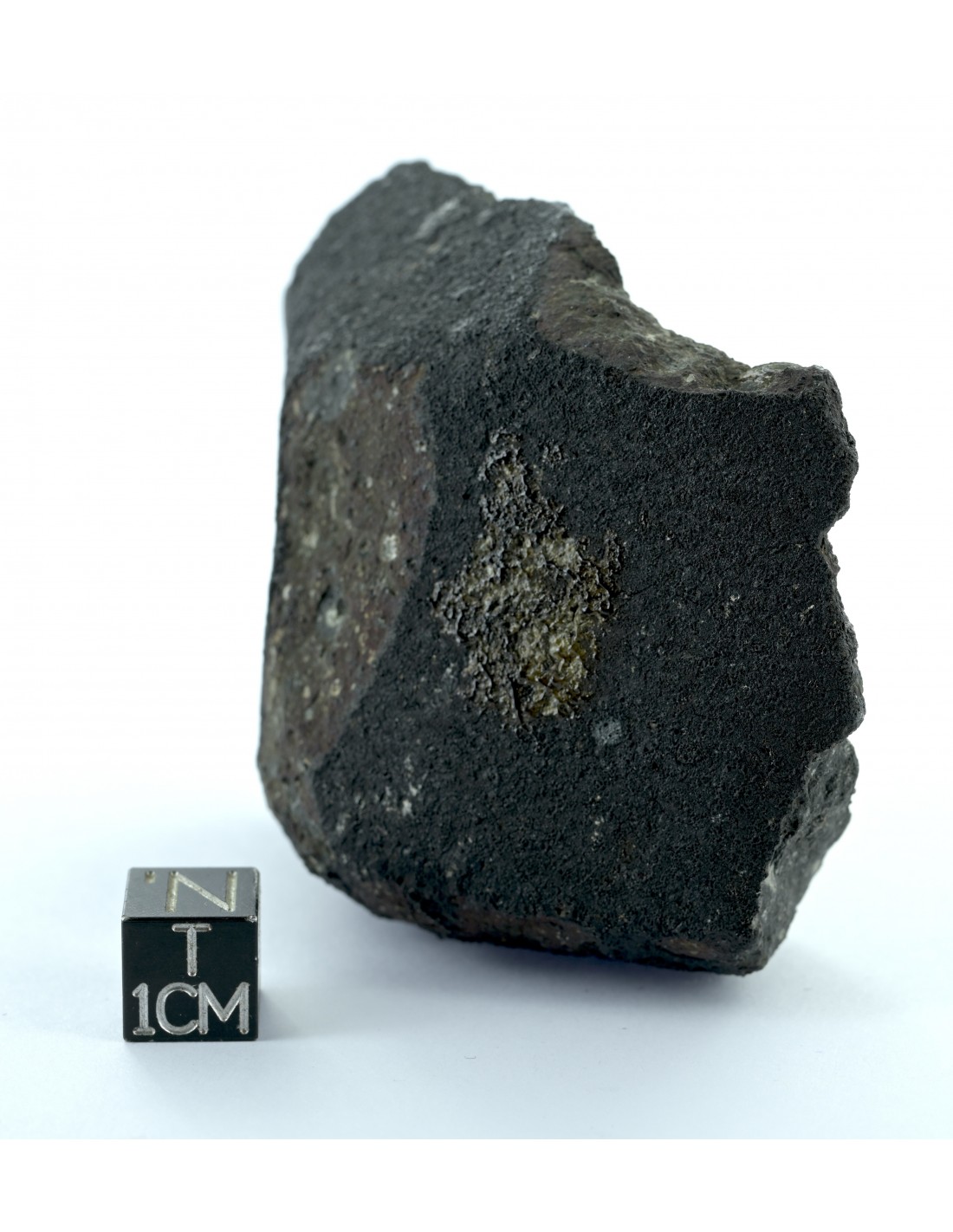
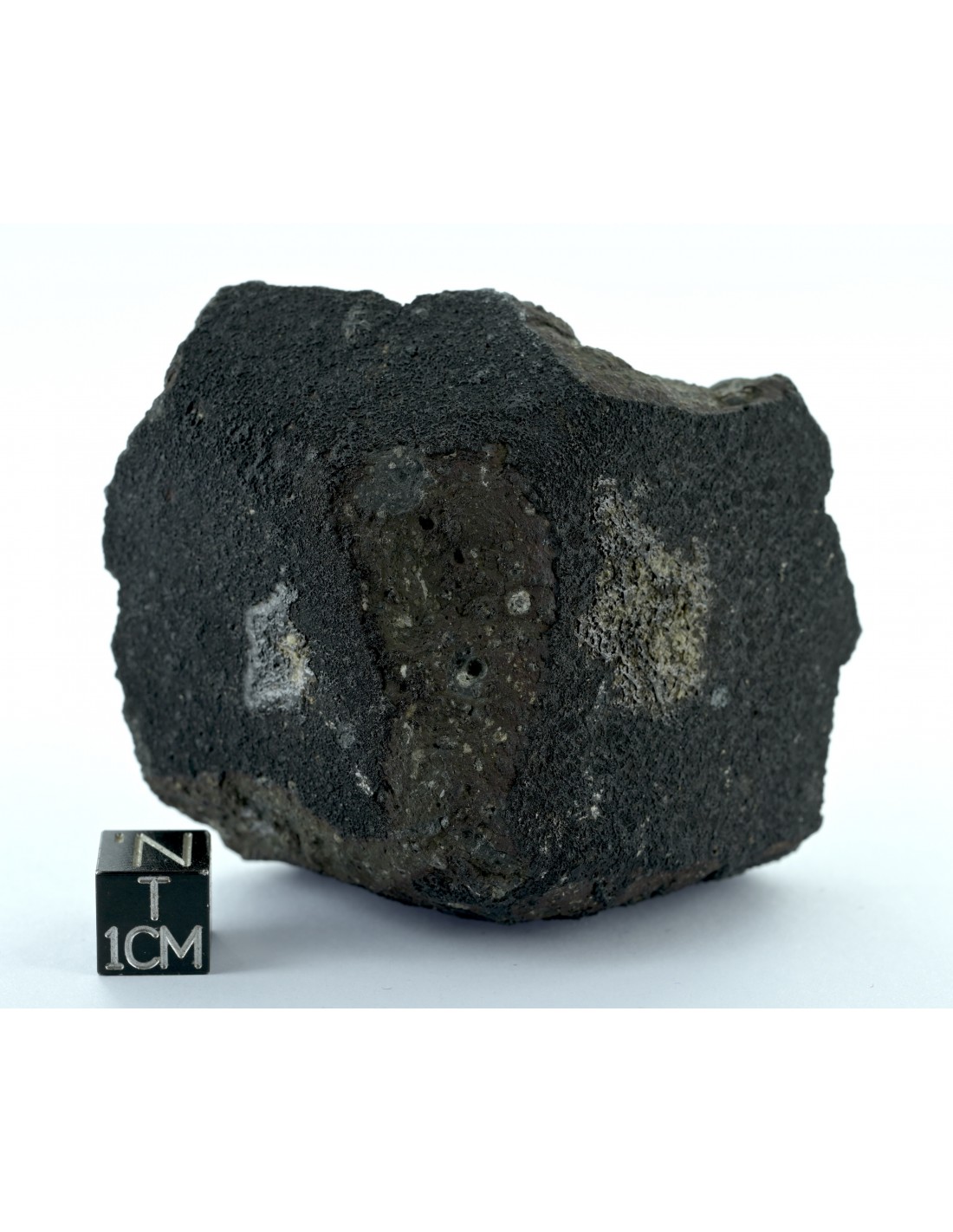
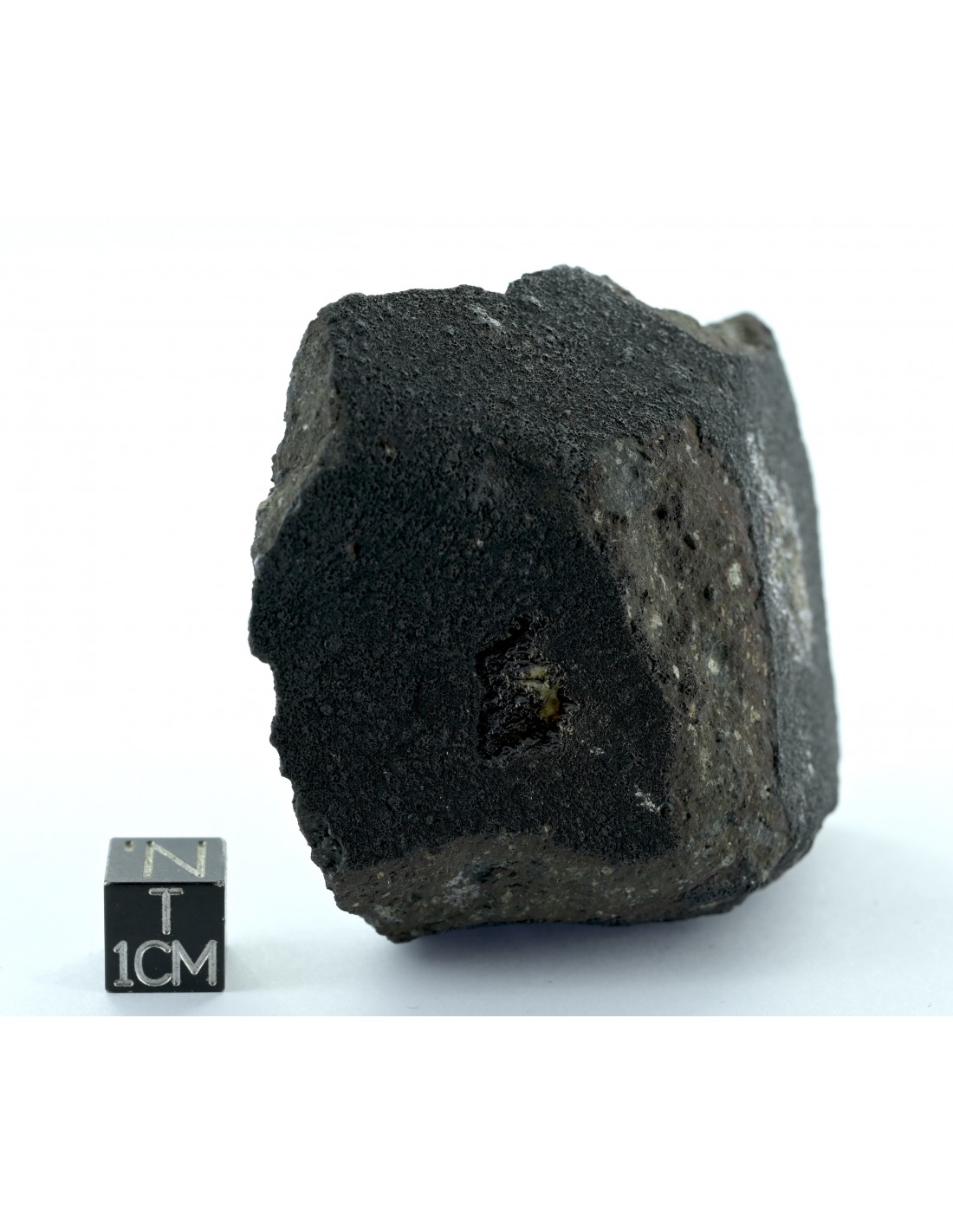
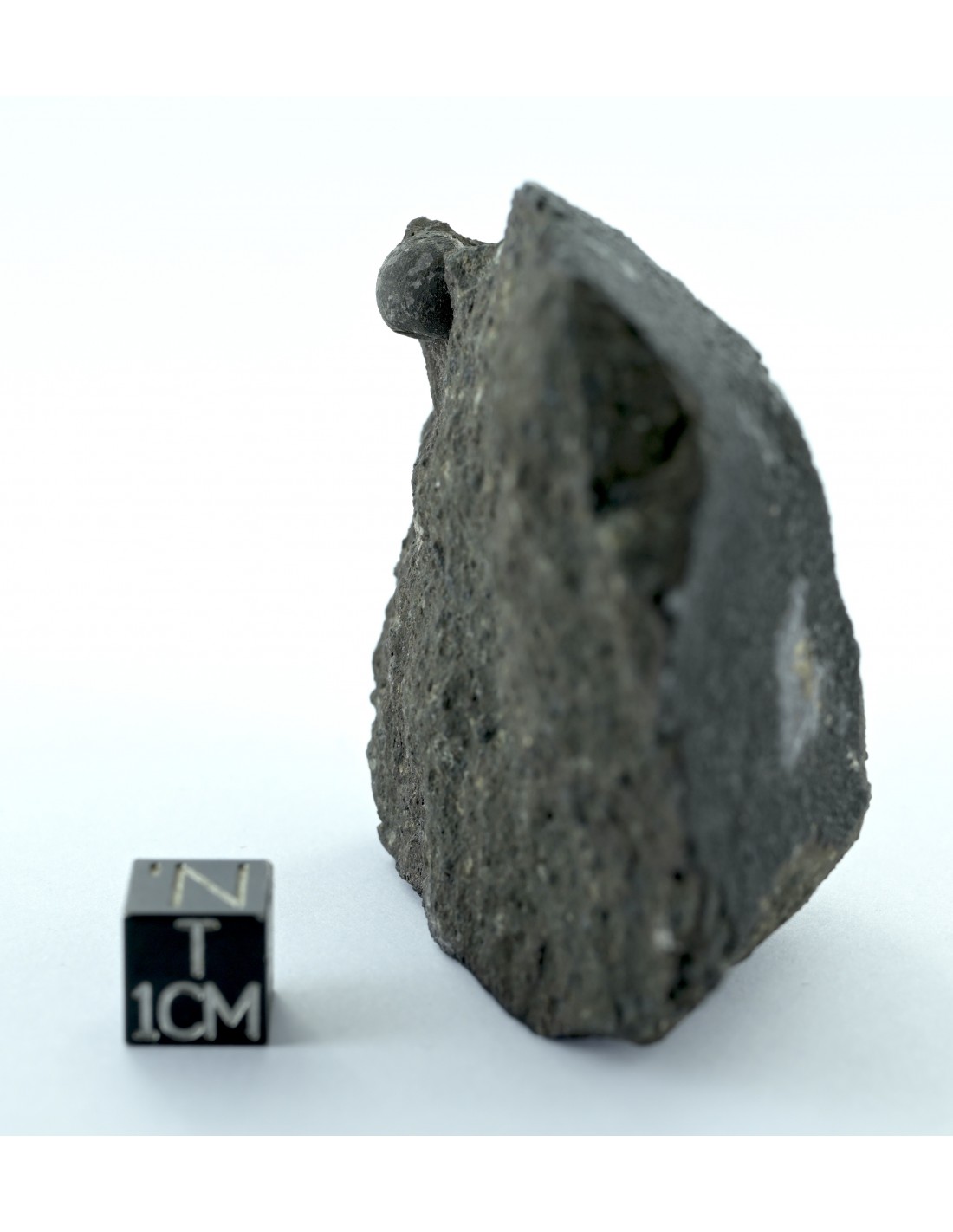
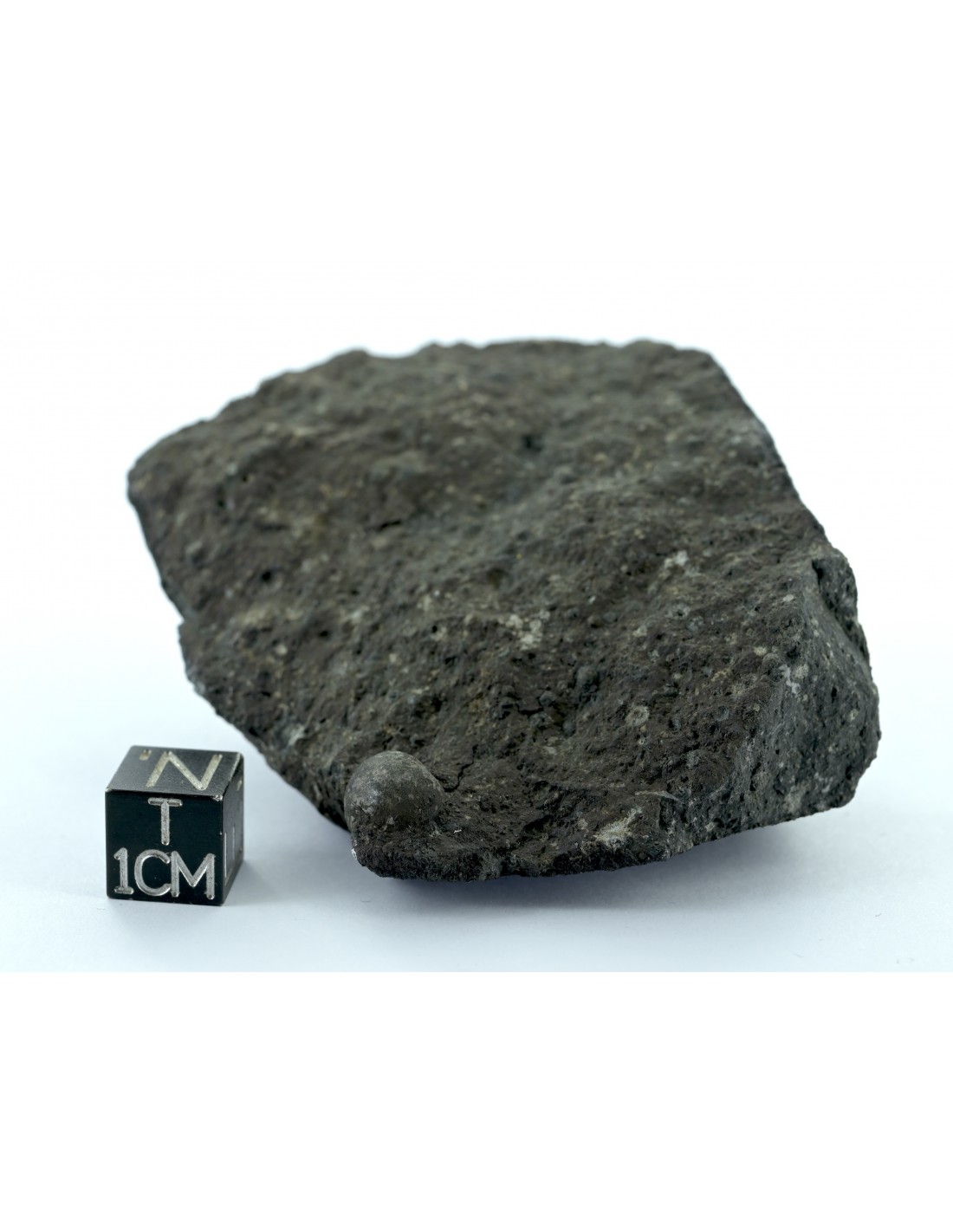
Exceptional 164.50 g specimen of the famous Allende carbonaceous chondrite, preserving extensive original fusion crust together with a fractured surface exposing the dark primitive matrix characteristic of this historic CV3 meteorite. The specimen is particularly remarkable for the presence of a very large protruding chondrule emerging prominently from the matrix near the edge of the meteorite, an uncommon and highly aesthetic feature. Allende remains one of the most scientifically important carbonaceous chondrites ever recovered, renowned for its primitive Solar System components, refractory inclusions, and major contribution to planetary science and cosmochemistry.
The Allende meteorite is among the most famous and scientifically significant meteorites in the history of planetary science. This CV3 carbonaceous chondrite fell over Chihuahua, Mexico, on February 8, 1969, producing one of the largest and most important witnessed meteorite falls ever documented.
Since its recovery, Allende has become a cornerstone of cosmochemical research due to its exceptional preservation of primitive Solar System material dating back more than 4.5 billion years.
This 164.50 g specimen preserves a large portion of the original black fusion crust characteristic of the Allende fall, contrasting beautifully with the exposed interior matrix visible on the fractured surface created during atmospheric fragmentation or impact.
The exposed matrix reveals the primitive internal structure typical of CV3 carbonaceous chondrites, including fine-grained dark material containing primitive Solar System components.
The coexistence of preserved fusion crust and visible interior provides both scientific and aesthetic interest, allowing direct observation of the meteorite’s external atmospheric surface and primitive internal composition within the same specimen.
One of the most remarkable features of this specimen is the presence of an unusually large protruding chondrule emerging prominently from the matrix near the edge of the fractured surface.
This chondrule stands in relief from the surrounding matrix and represents an exceptional visual feature rarely observed so clearly on complete Allende individuals.
Primitive chondrules such as this formed during the earliest stages of Solar System history and constitute some of the fundamental building blocks from which planets eventually accreted.
The large size and strong visibility of this protruding chondrule give the specimen additional scientific and display value.
Allende belongs to the CV3 group of carbonaceous chondrites, primitive meteorites preserving early Solar System material with limited alteration compared to many other carbonaceous groups.
Allende specimens commonly contain:
The meteorite became especially important because it contains some of the oldest known Solar System solids ever identified.
Few meteorites have contributed as profoundly to planetary science as Allende.
Research conducted on Allende includes:
Allende remains one of the primary reference meteorites used in cosmochemistry and planetary formation research.
Collectors highly value complete Allende individuals preserving fusion crust and visible primitive structures.
This specimen is especially desirable because it combines:
The prominent chondrule emerging from the fractured surface gives the specimen a highly distinctive appearance rarely encountered among Allende individuals.
Complete individual preserving extensive original fusion crust together with a fractured surface exposing the primitive matrix and an exceptionally large protruding chondrule.
An important museum-grade specimen from one of the most scientifically significant carbonaceous chondrites ever discovered.