Complete Tarda Carbonaceous Chondrite CM2
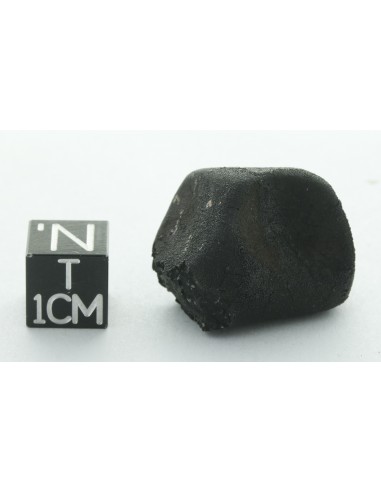
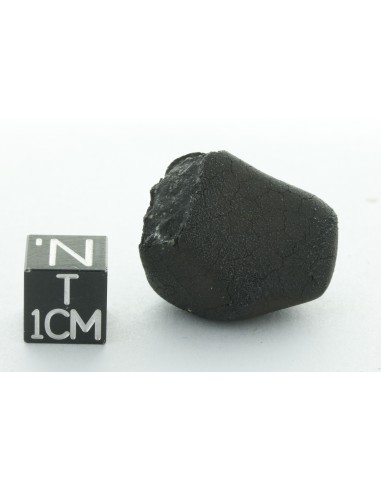
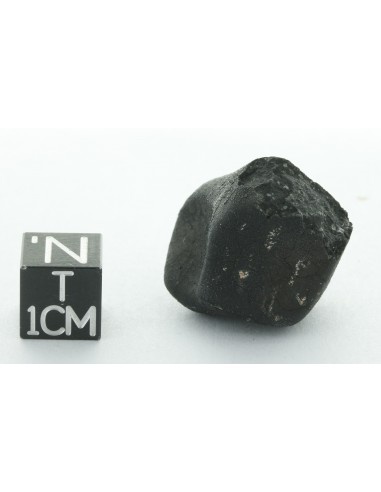
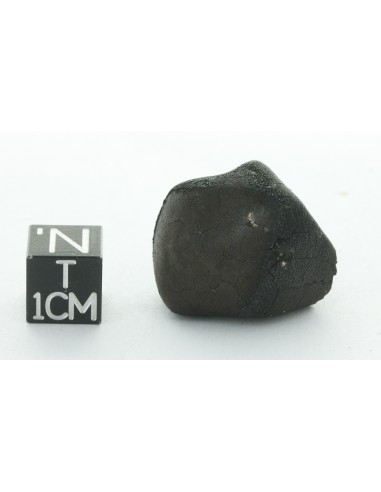
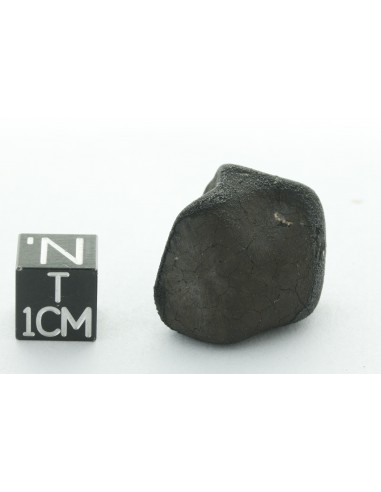
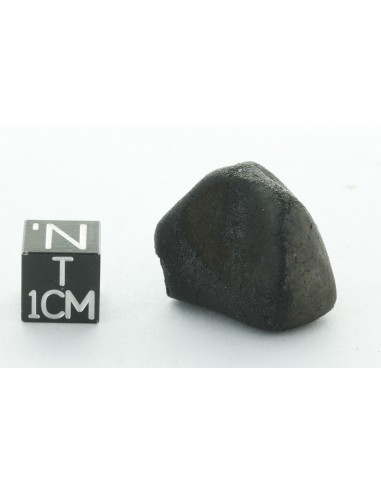
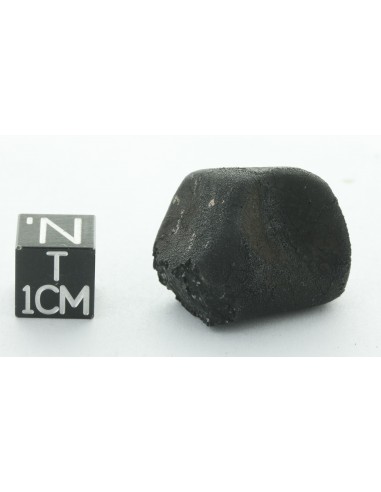
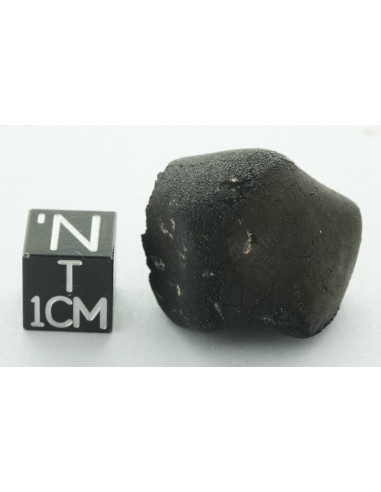
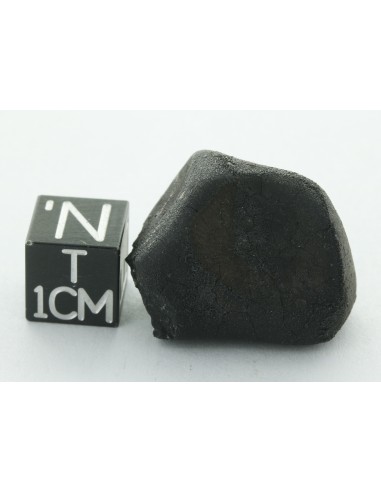
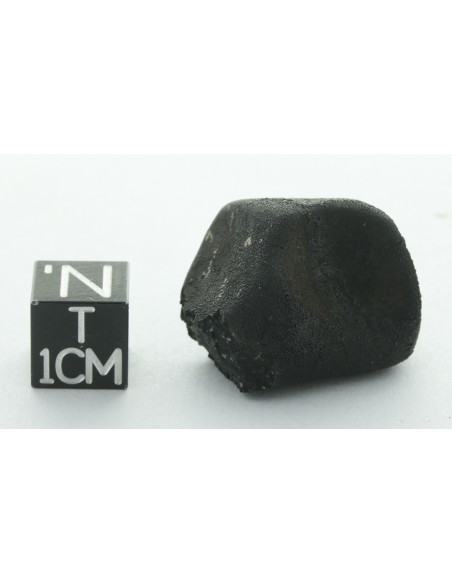
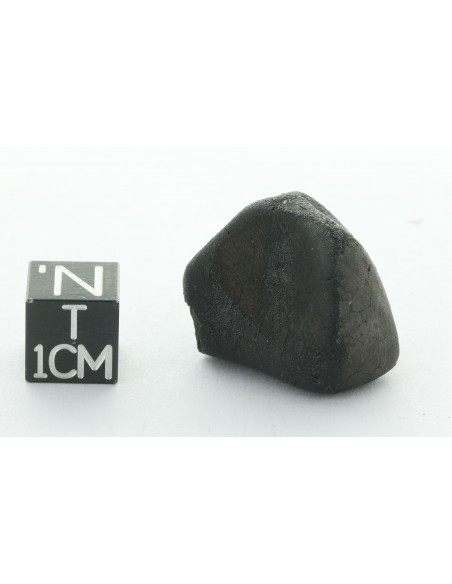
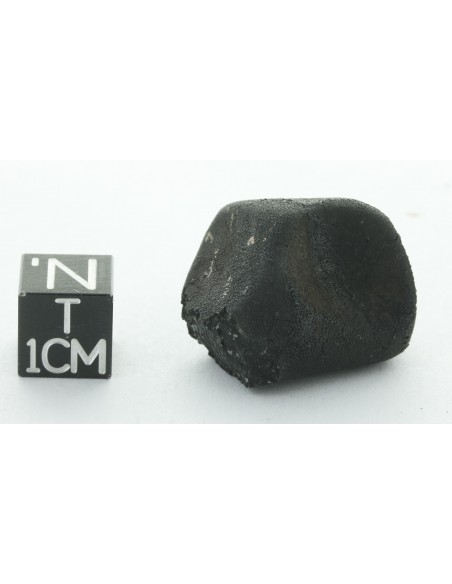
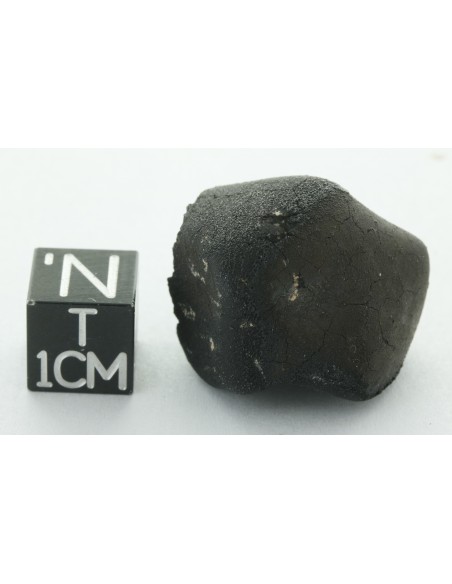
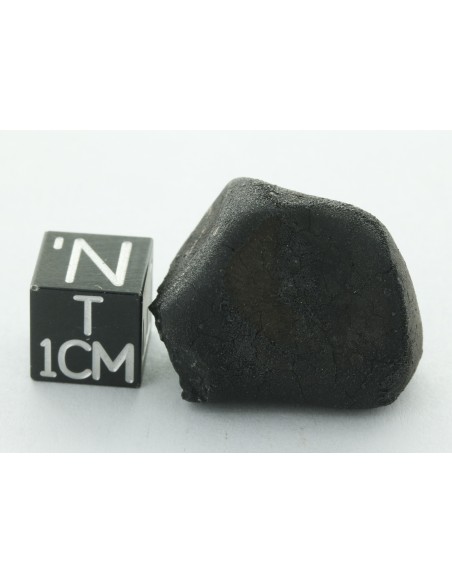
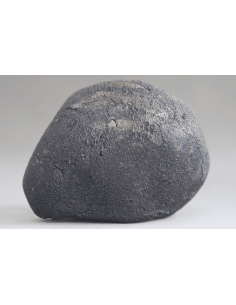
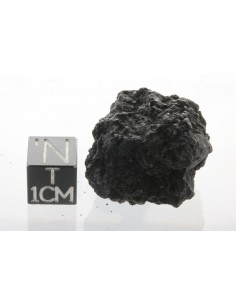
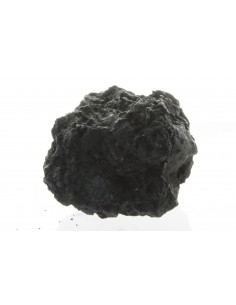
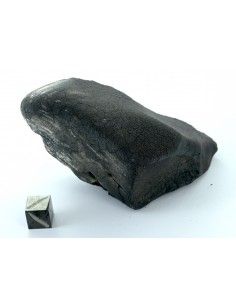
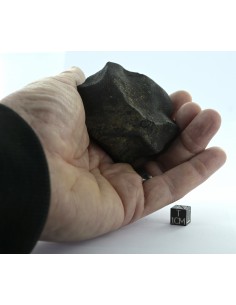
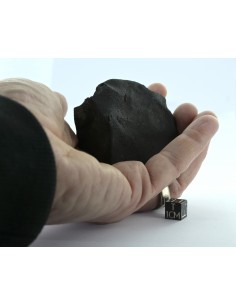
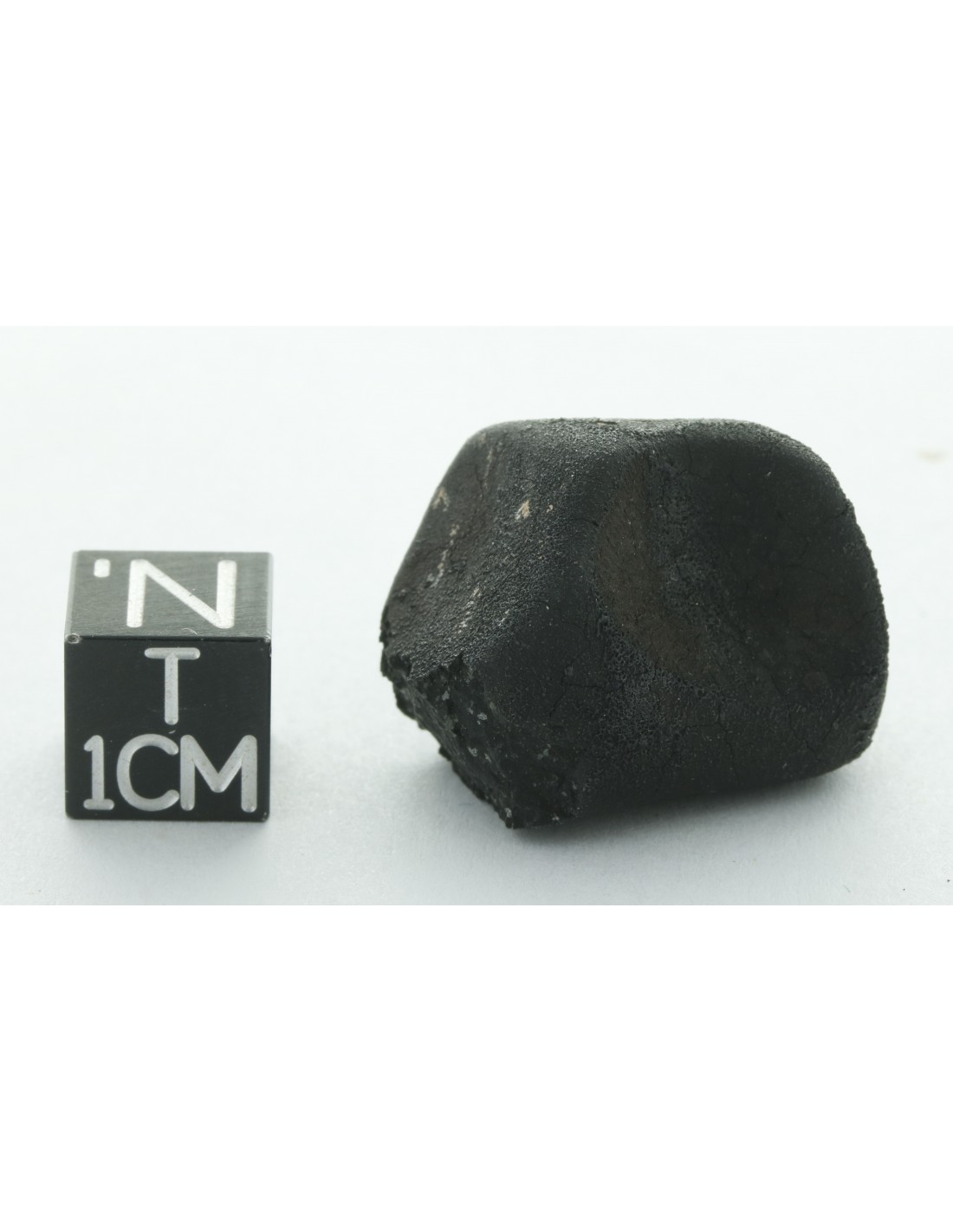
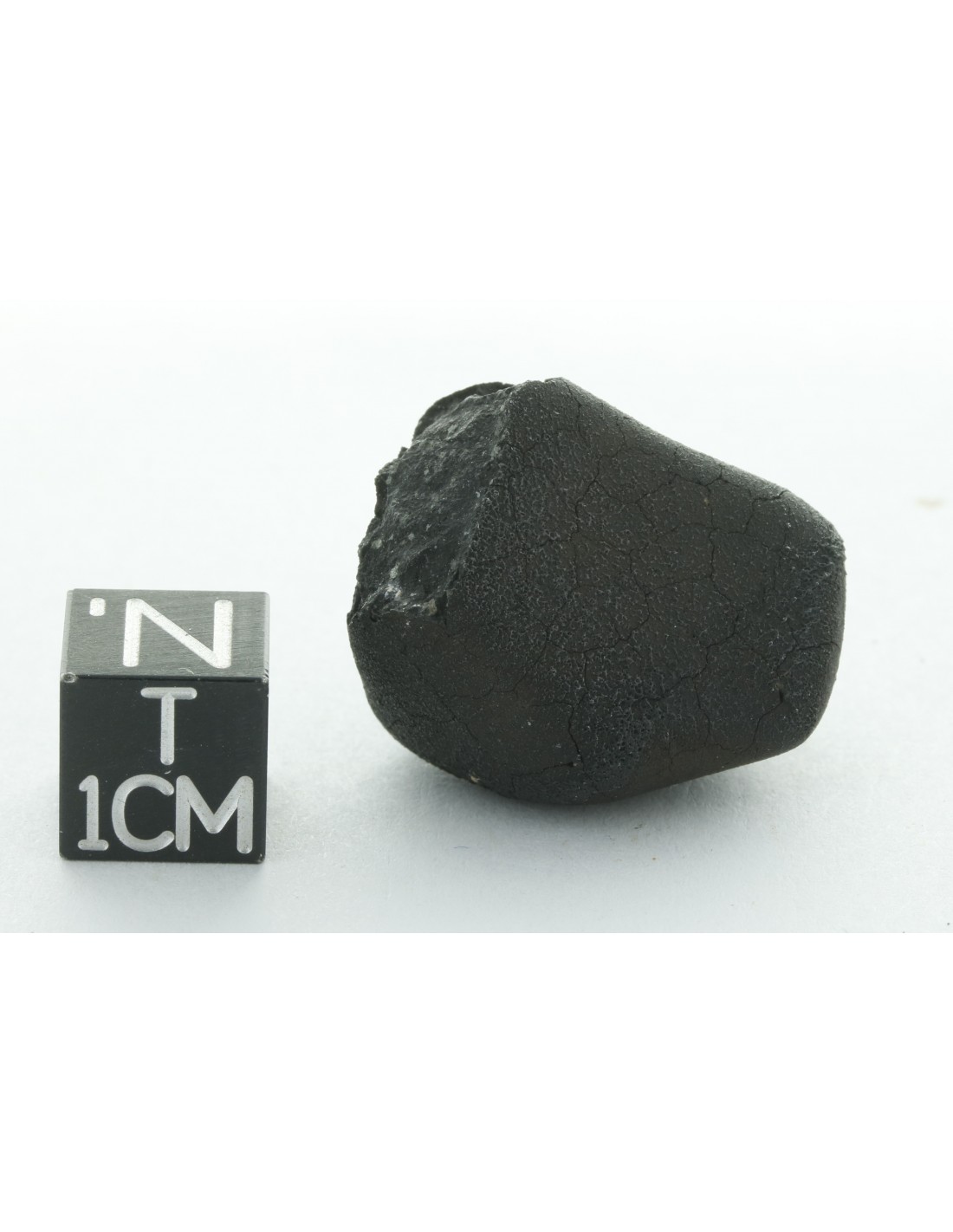
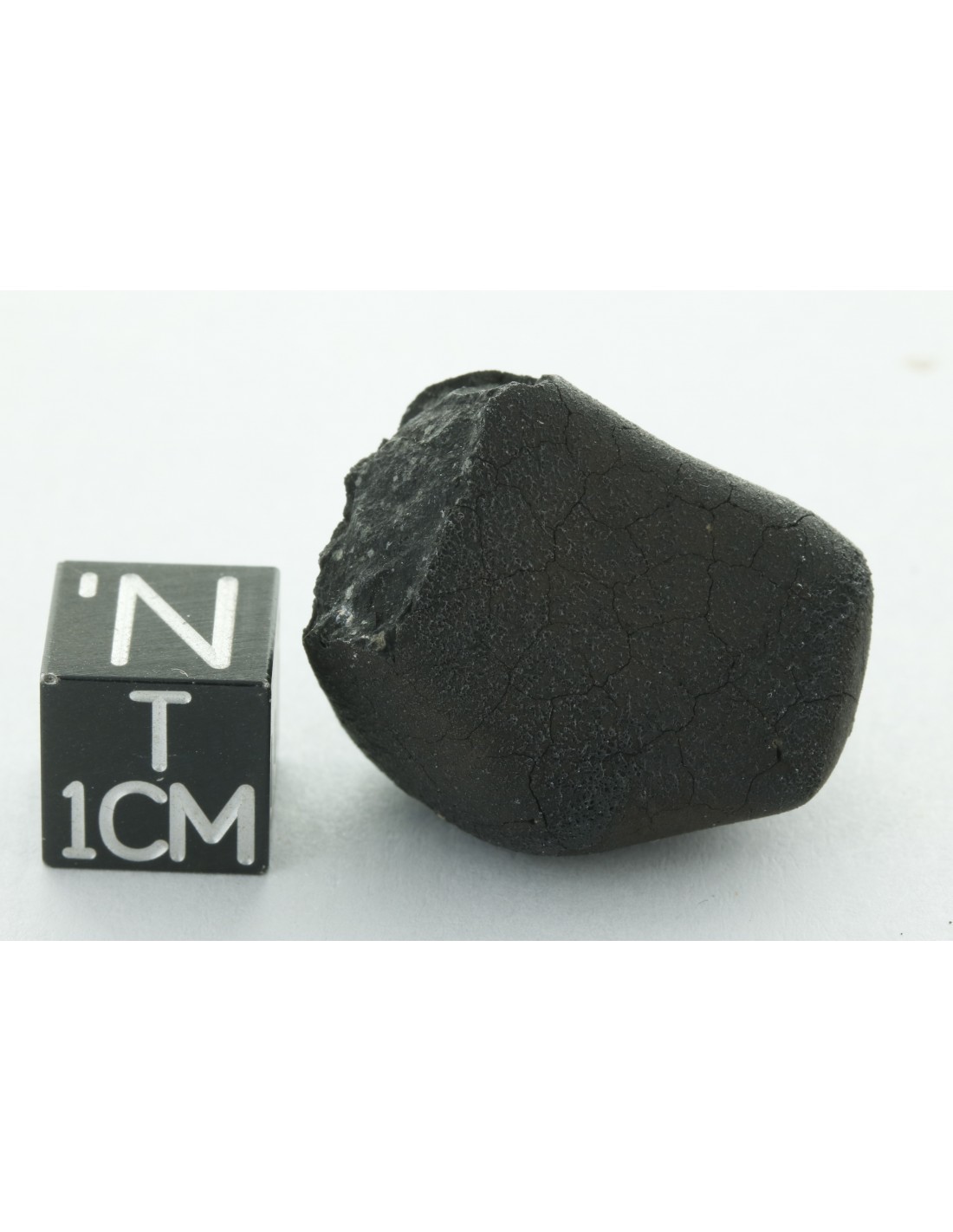
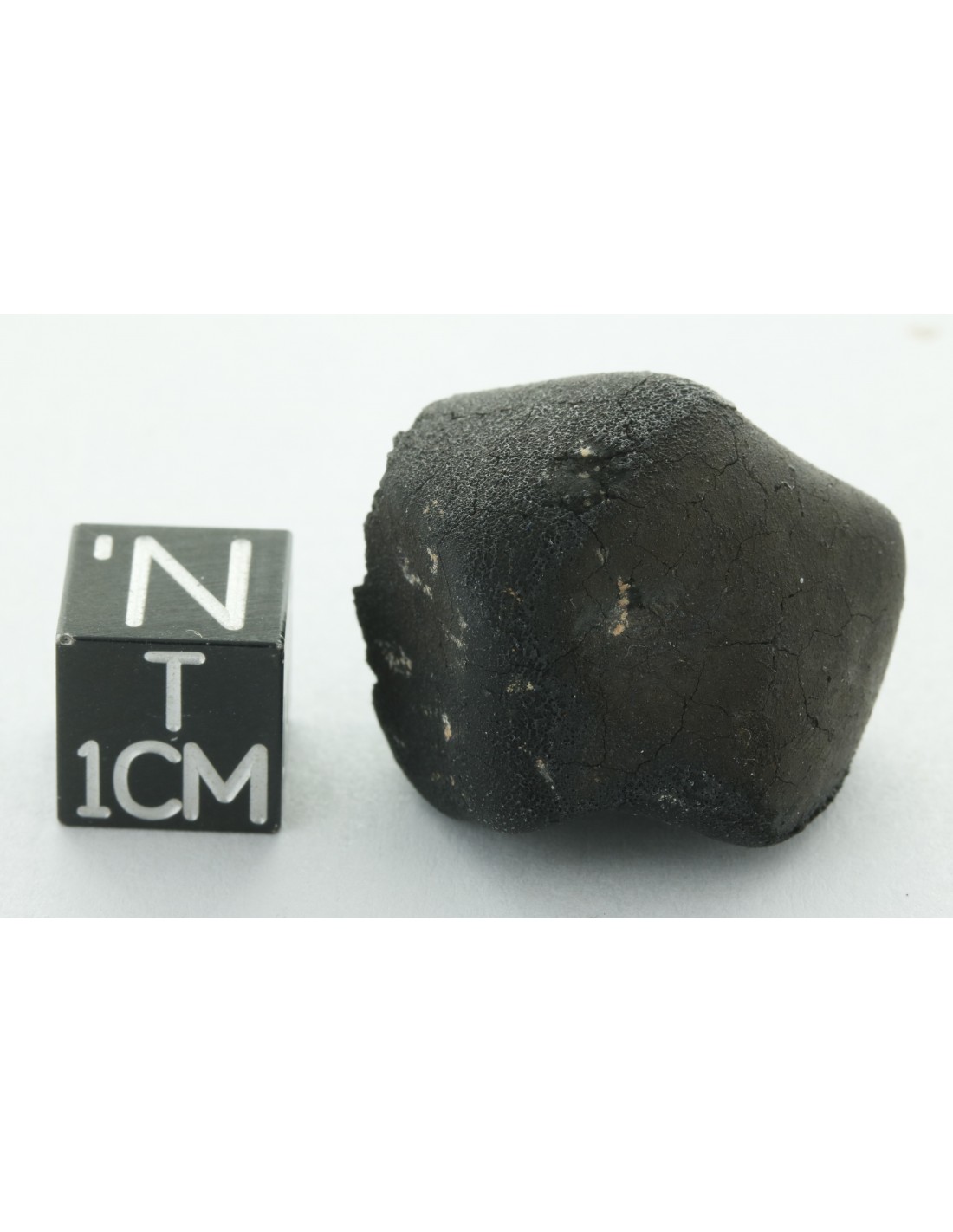
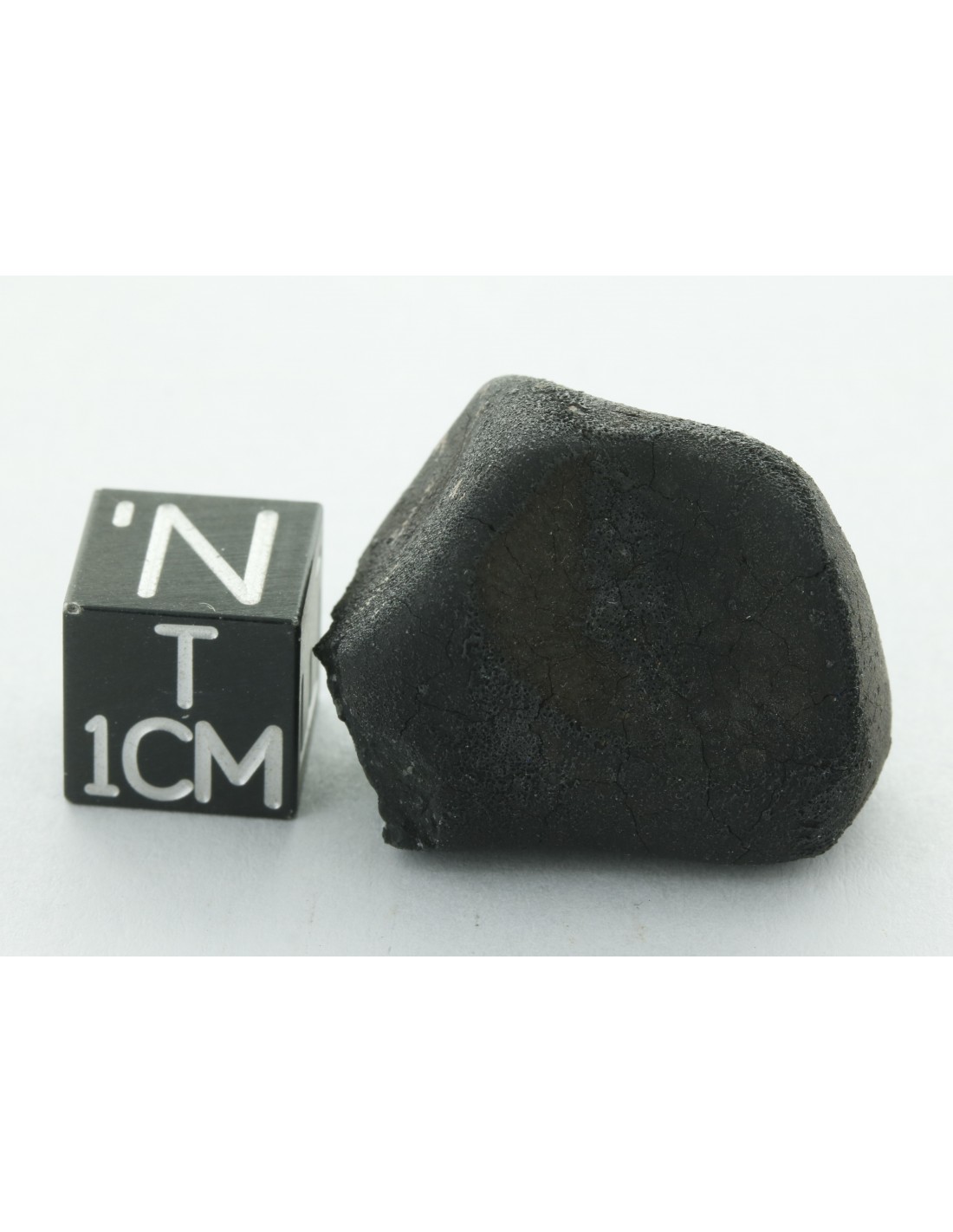
This complete 10.42 g Tarda meteorite is an excellent example of a fresh CM2 carbonaceous chondrite preserving its original atmospheric surface.
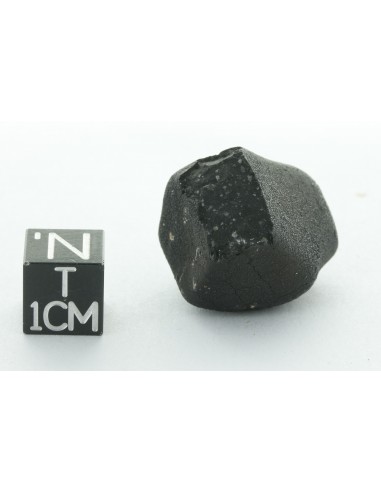
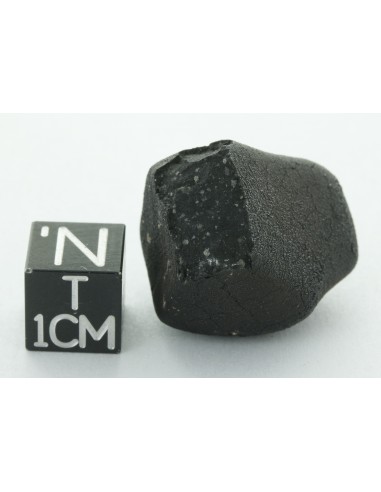
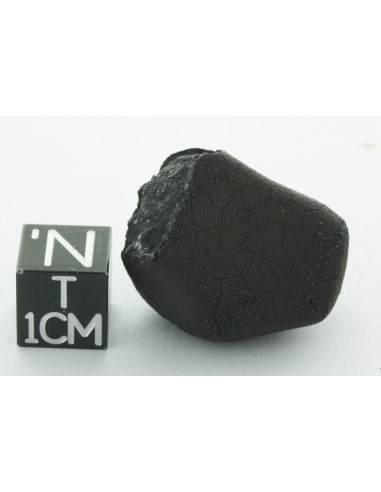
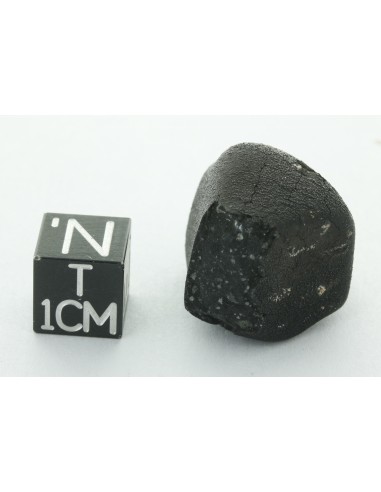
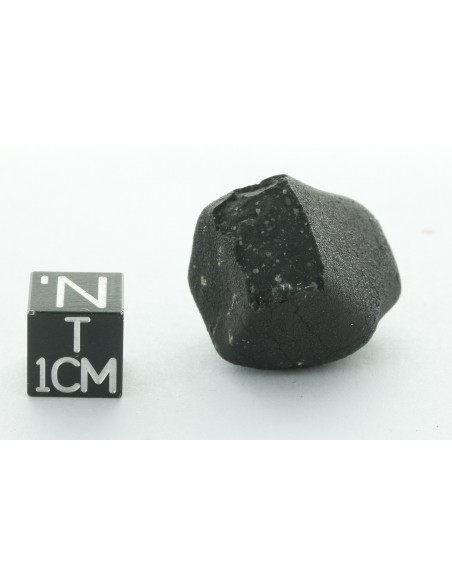
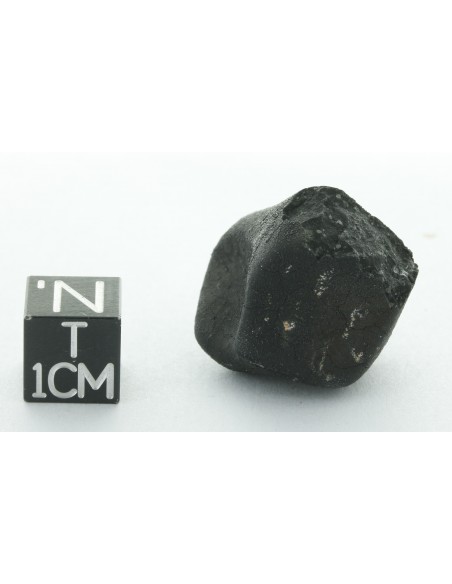
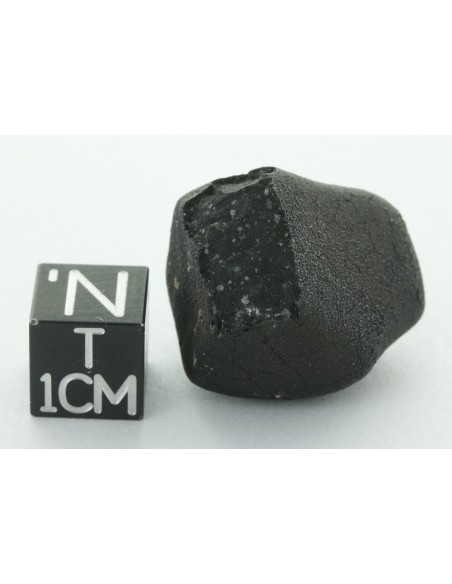
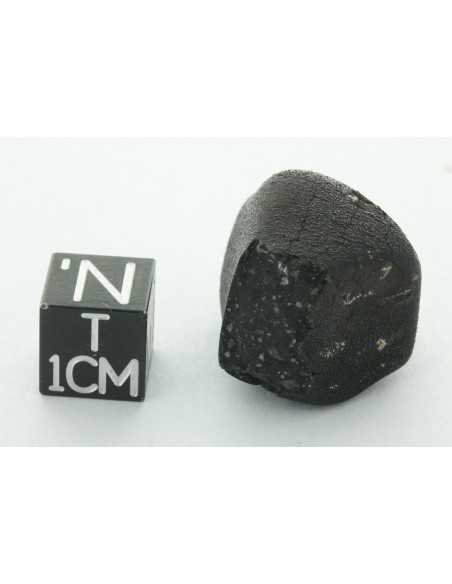
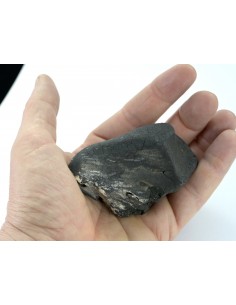
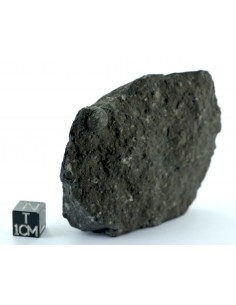
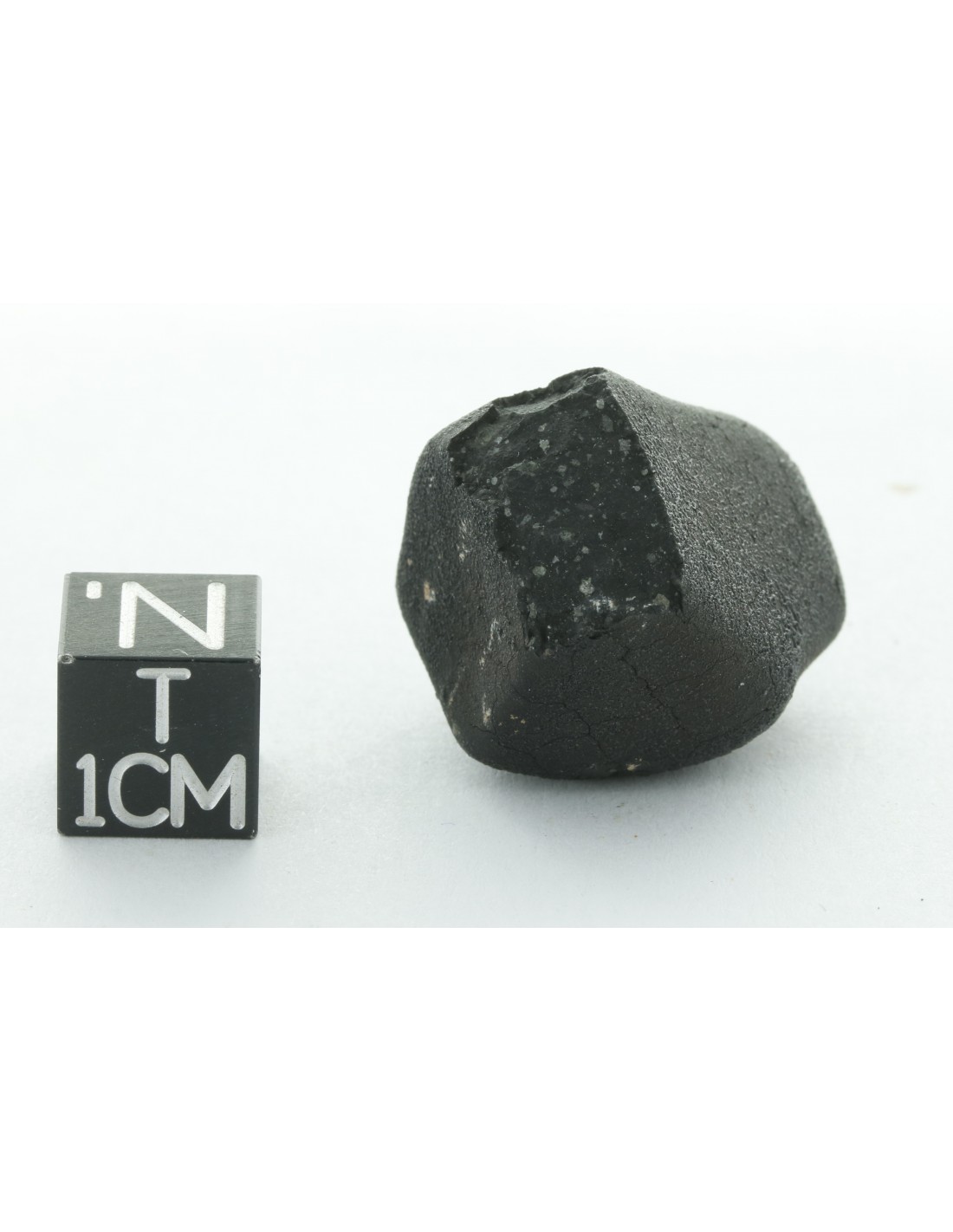
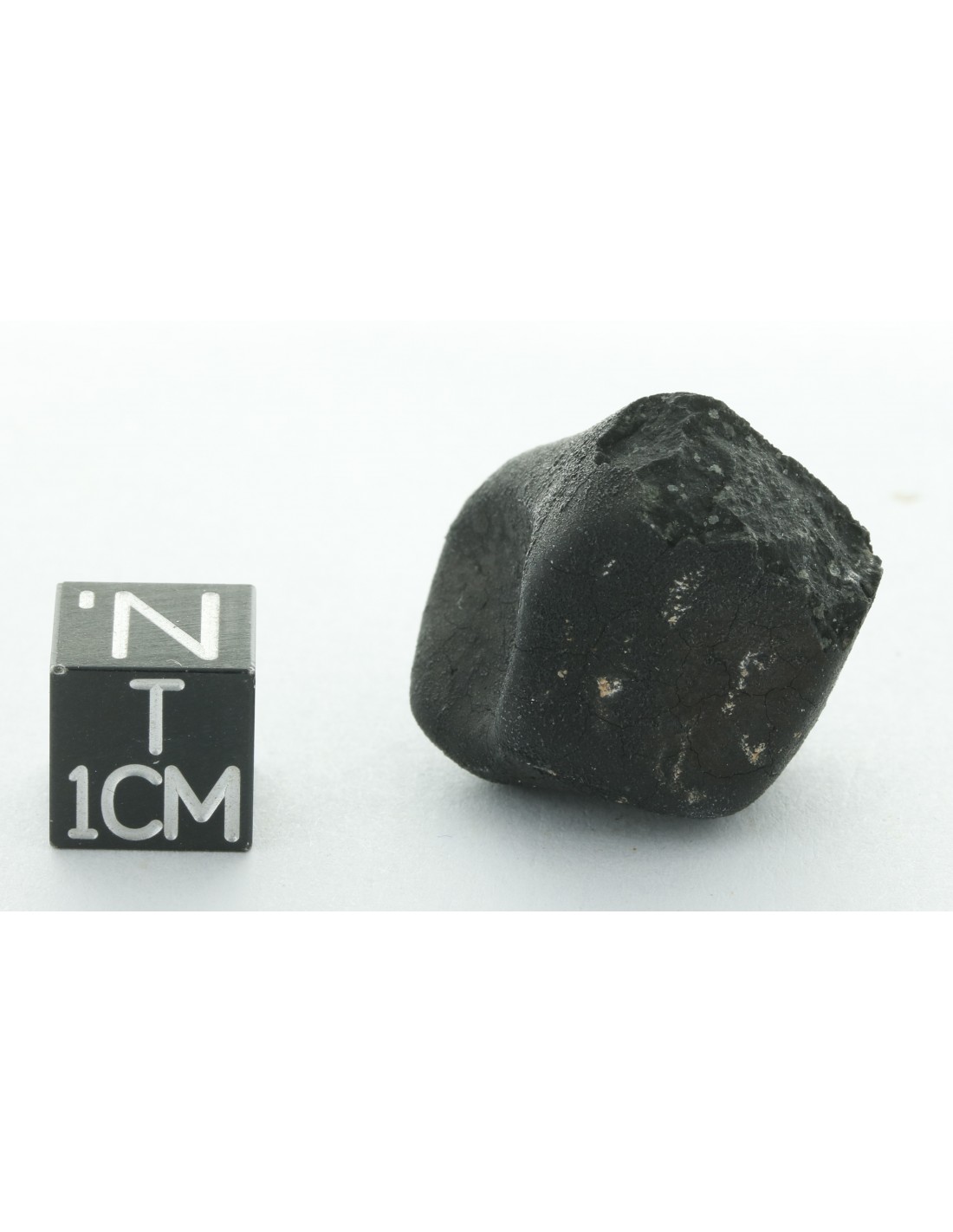
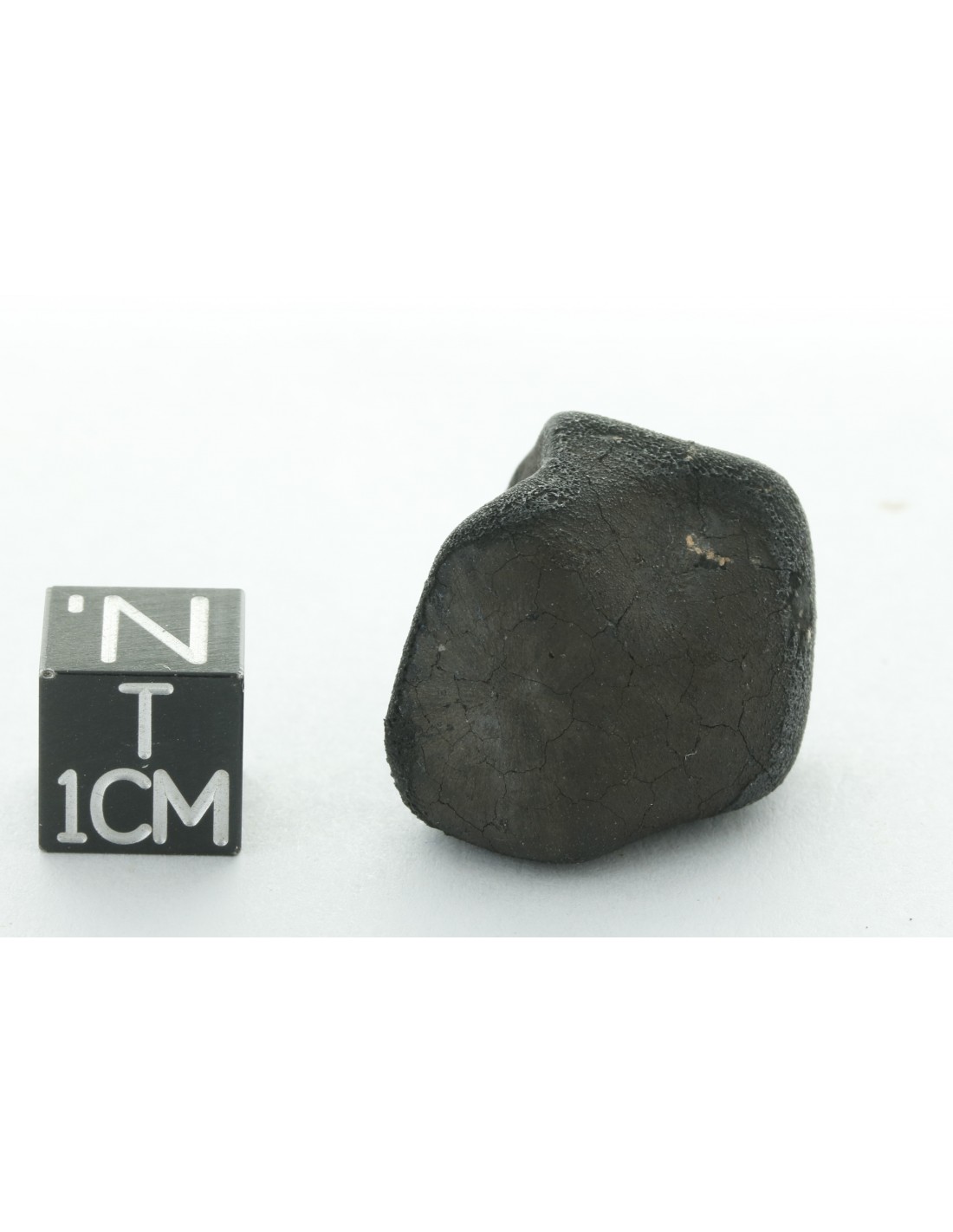
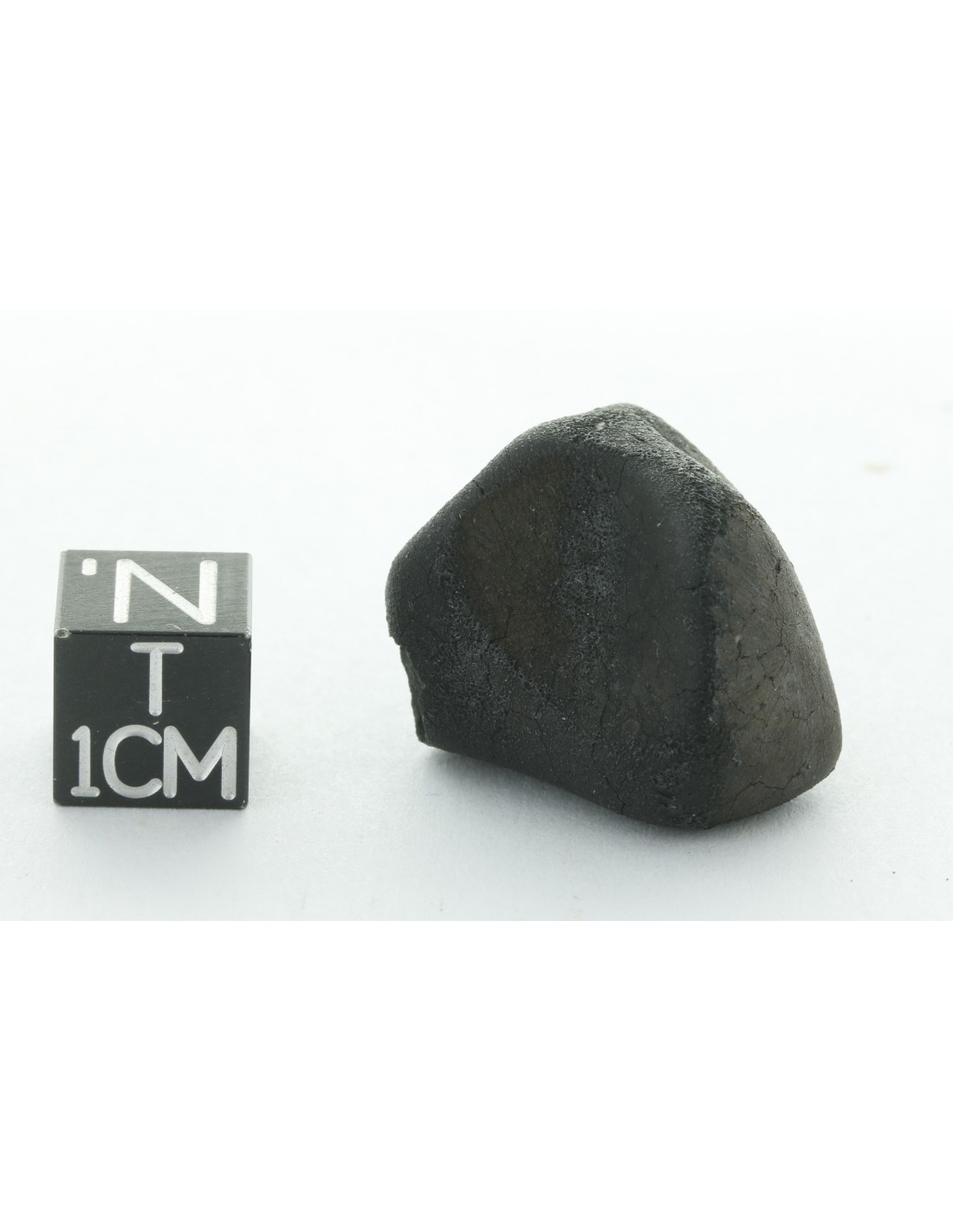
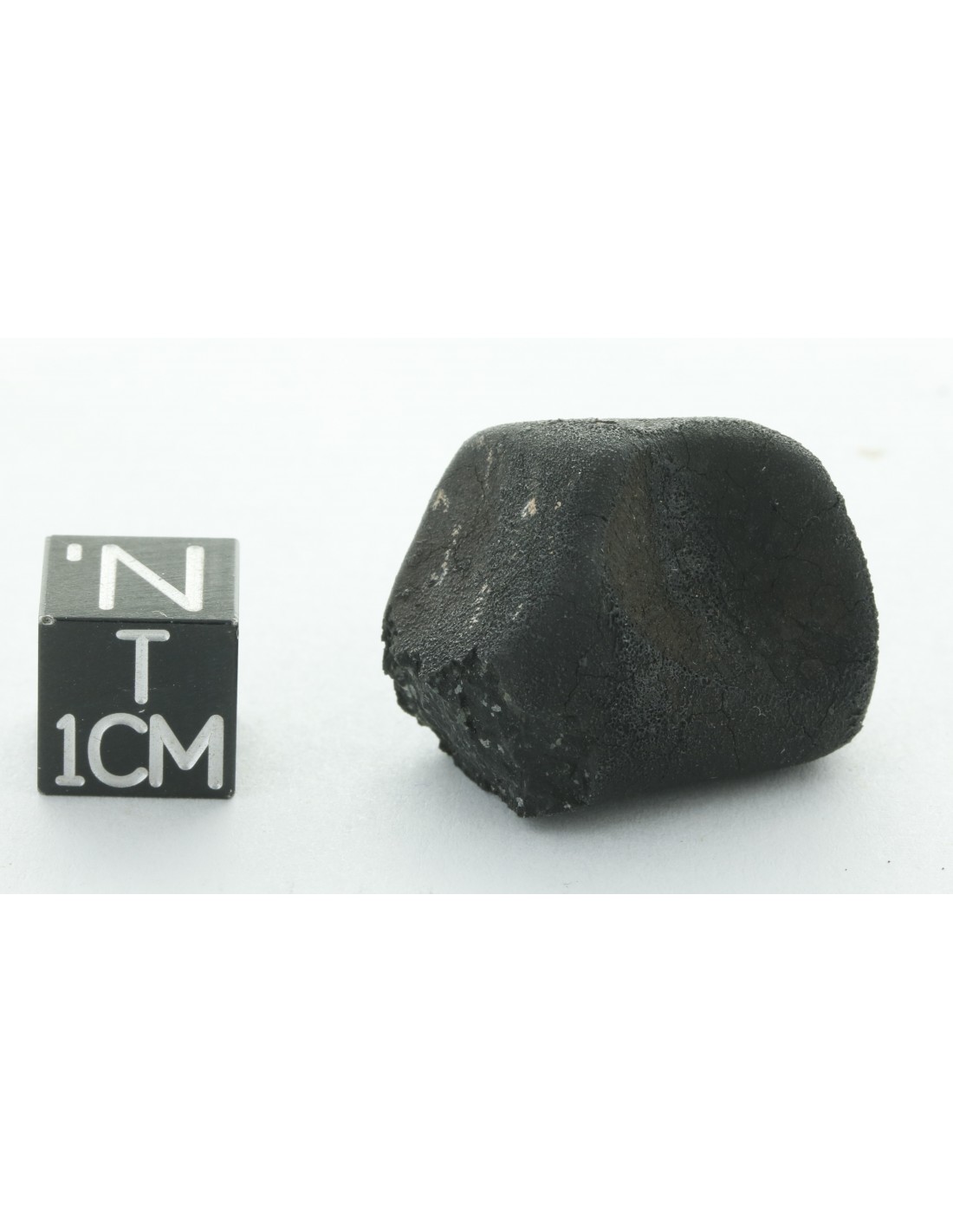
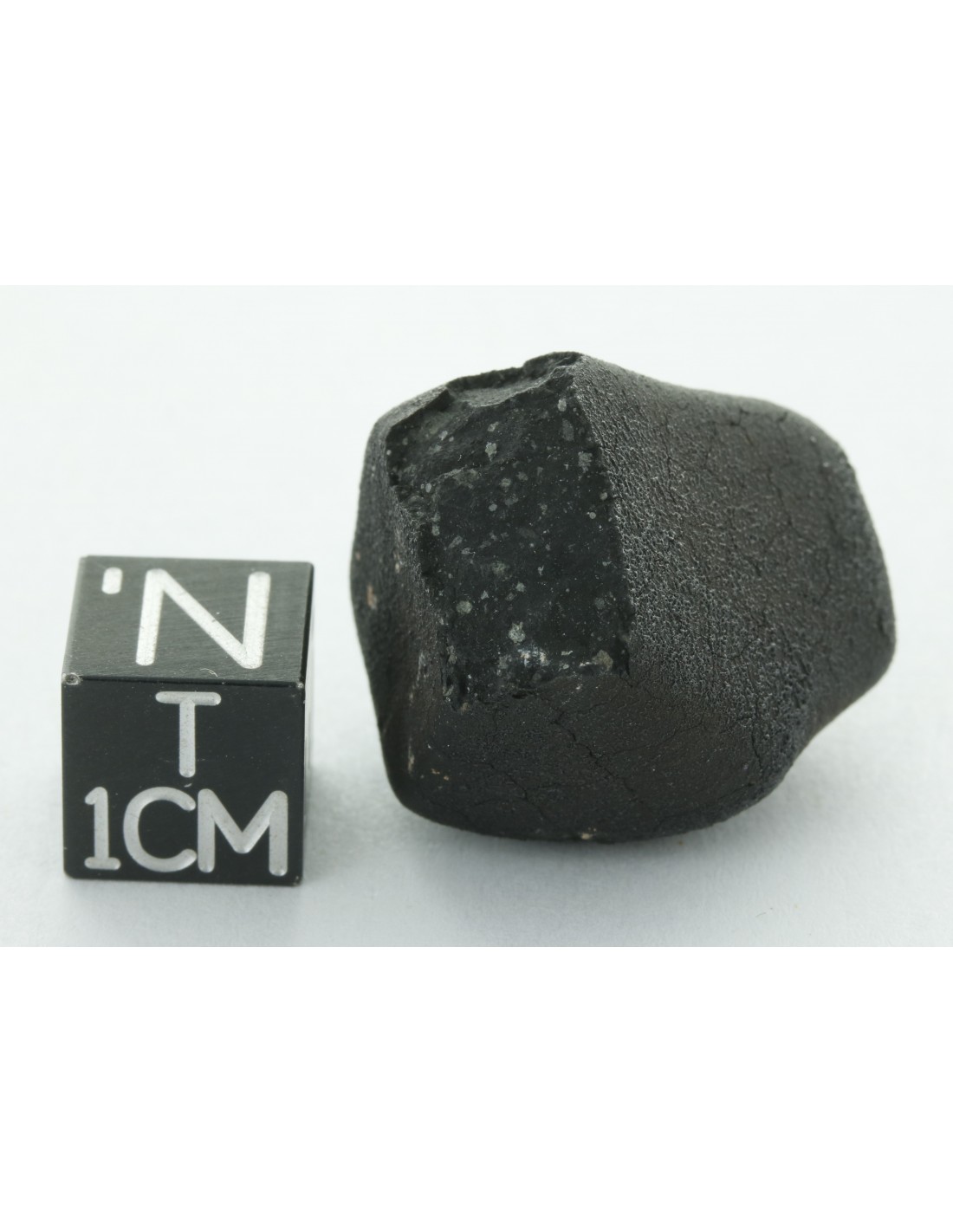
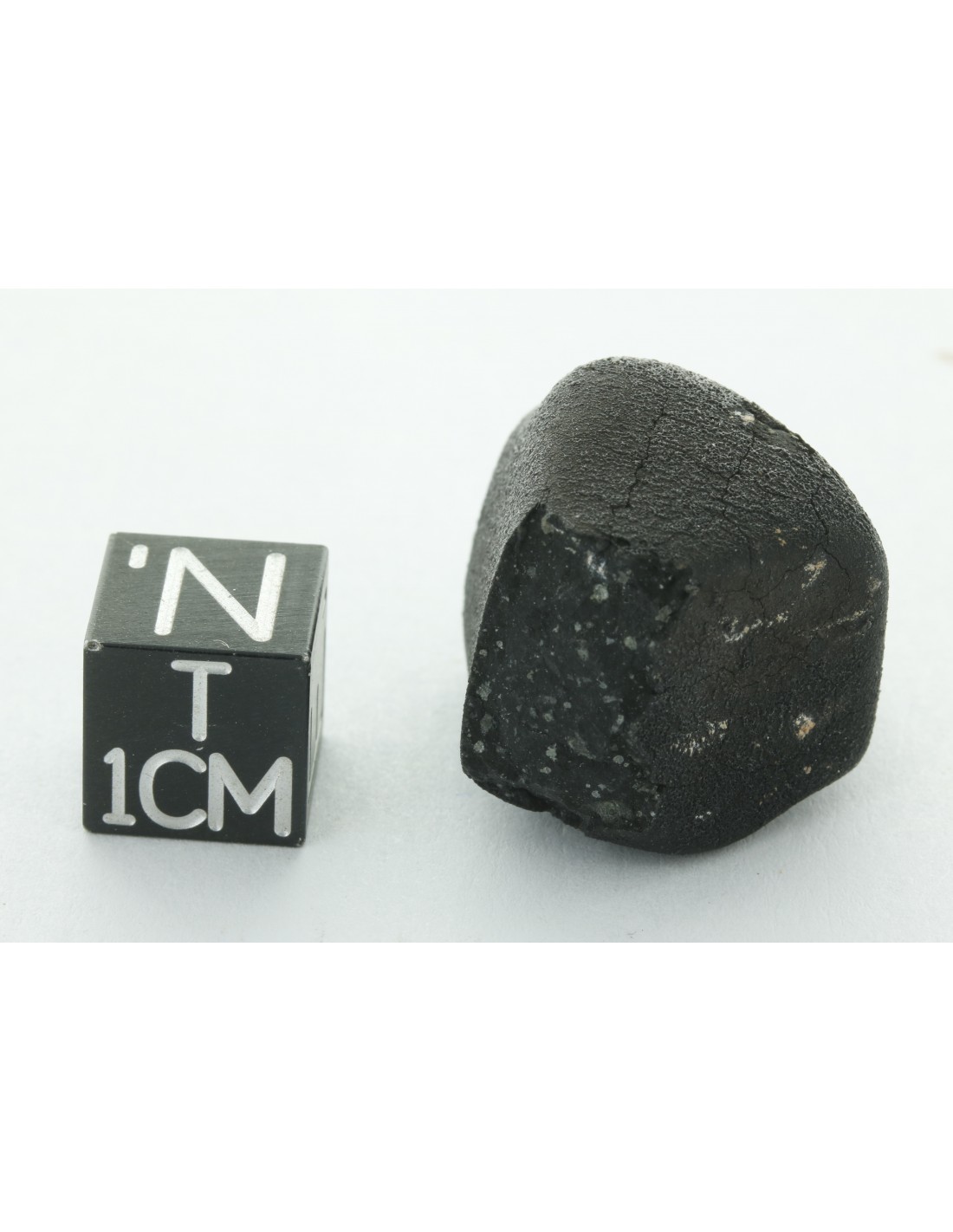
The specimen displays a dark and well-preserved fusion crust covering nearly the entire meteorite, providing strong visual contrast with a small natural opening that reveals the lighter internal matrix.
This combination of preserved crust and exposed interior is particularly appreciated by collectors because it allows direct observation of both the atmospheric exterior and the primitive internal material within the same specimen.
Primitive Material from the Early Solar System
Tarda belongs to the CM2 group of carbonaceous chondrites, among the most scientifically important meteorites known.
These meteorites contain primitive material formed during the earliest stages of Solar System history more than 4.5 billion years ago.
CM2 carbonaceous chondrites are especially valued for their abundance of hydrated minerals and organic compounds, offering important insights into the chemistry of the early Solar System and the processes that may have contributed to the emergence of life on Earth.
Fusion Crust and Natural Interior Exposure
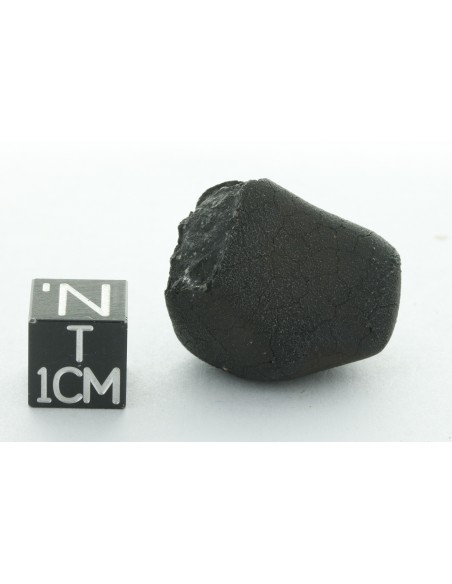
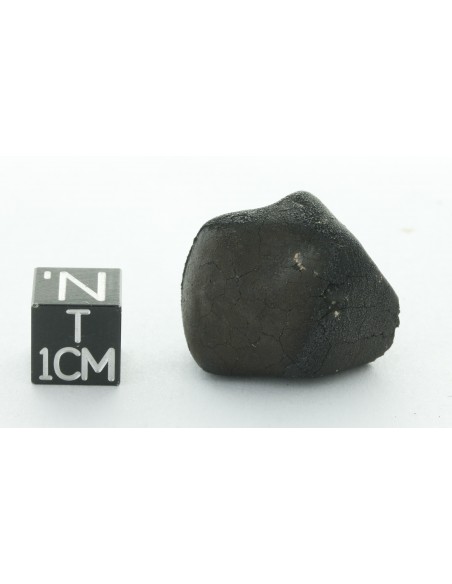
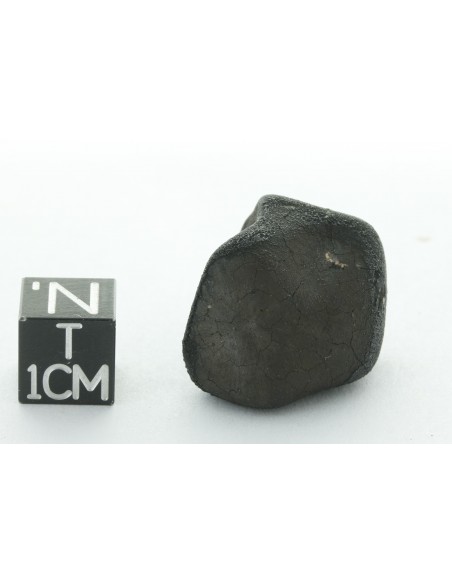
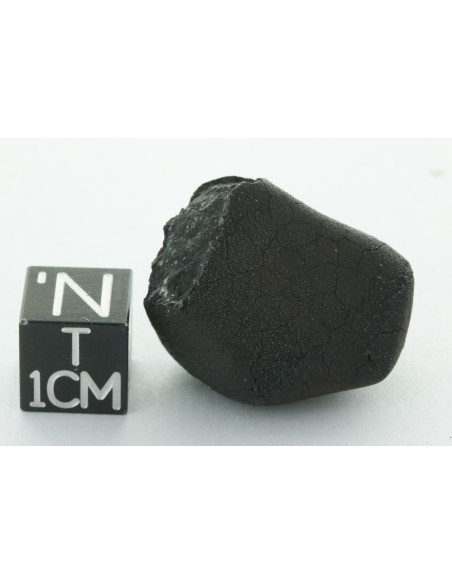
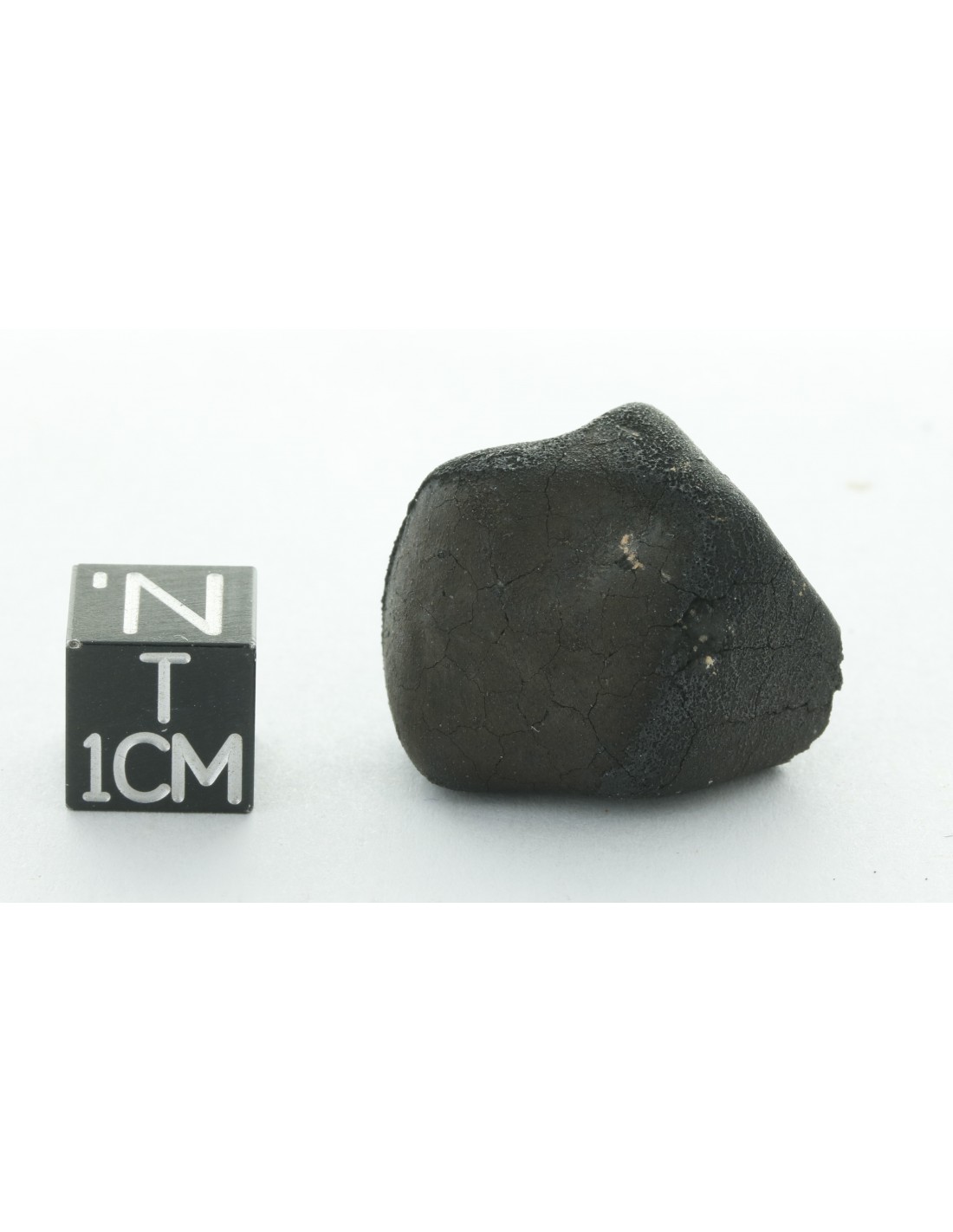
The meteorite preserves a continuous dark fusion crust formed during atmospheric entry as the exterior surface partially melted under intense heat.
Fine contraction cracks visible on the crust are characteristic of rapidly cooled fusion surfaces.
A small natural area lacking fusion crust exposes the internal matrix, allowing observation of the meteorite’s primitive lithology without artificial cutting or preparation.
This natural exposure significantly enhances both the scientific and aesthetic value of the specimen.
Aesthetic Qualities
The specimen possesses a pleasing complete shape with smooth atmospheric contours and a uniform dark surface.
Its balanced proportions and excellent state of preservation make it an attractive display specimen despite its modest size.
The contrast between the matte black fusion crust and the exposed interior matrix creates additional visual interest.
About the Tarda Meteorite
The Tarda meteorite was discovered in Morocco and rapidly became recognized as one of the freshest and most attractive CM2 carbonaceous chondrites available to collectors.
Its preservation quality and scientific significance have made it particularly sought after among collectors specializing in primitive meteorites and early Solar System materials.
Condition
Complete individual weighing 10.42 g with extensive original fusion crust and a small natural window exposing the internal matrix.
An elegant and scientifically important CM2 carbonaceous chondrite suitable for both advanced collections and educational display.