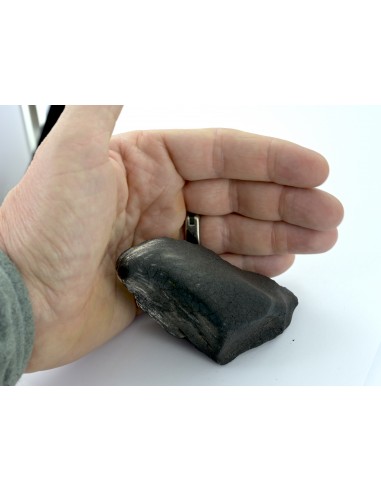
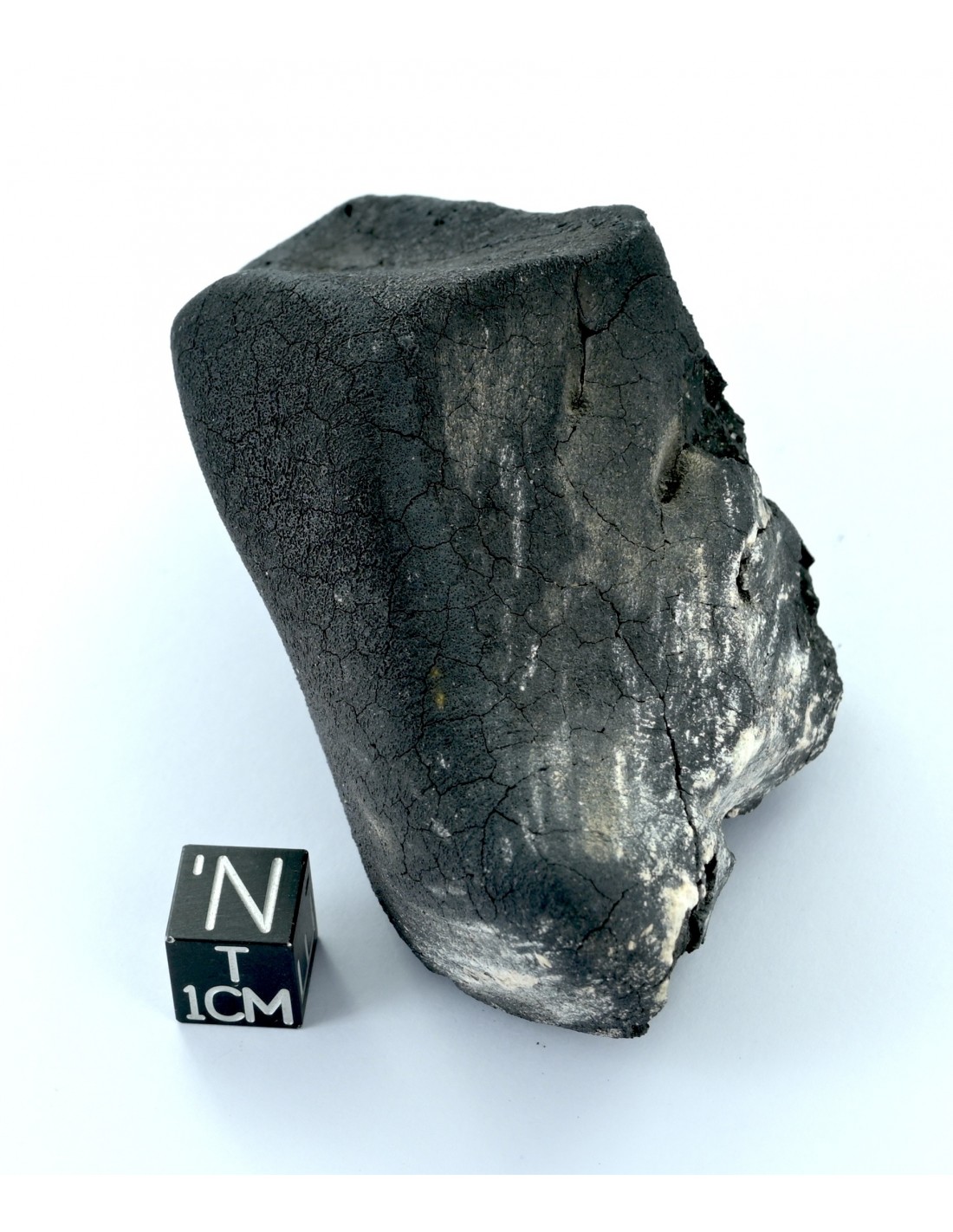
Tarda Main Mass, C2-ungrouped Oriented Meteorite – 149.50 g
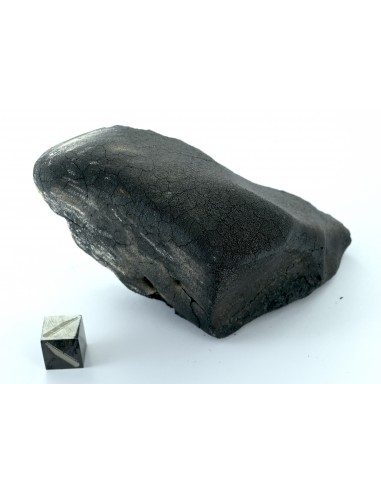
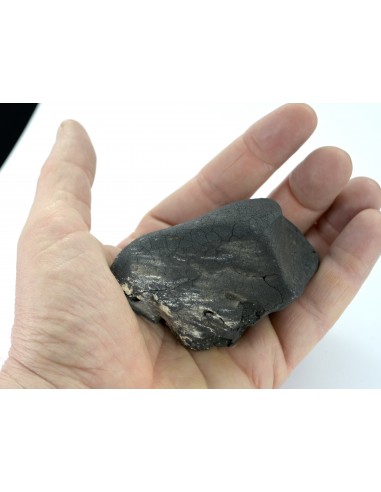
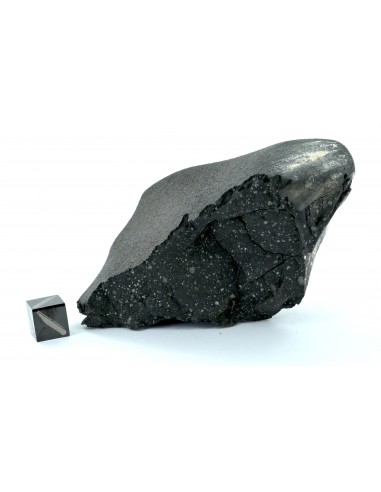
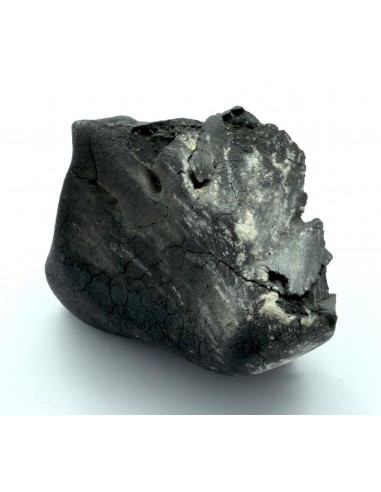
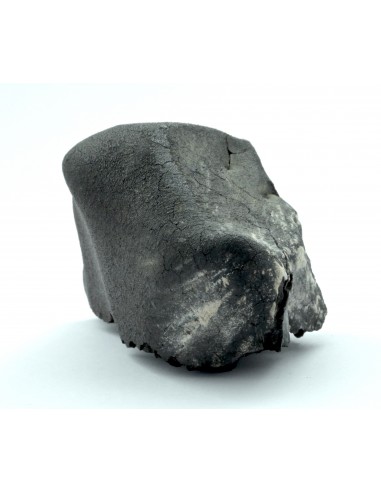
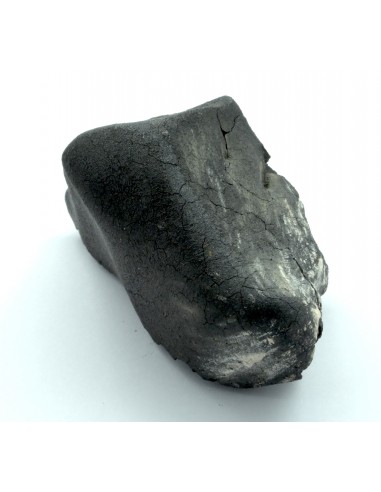
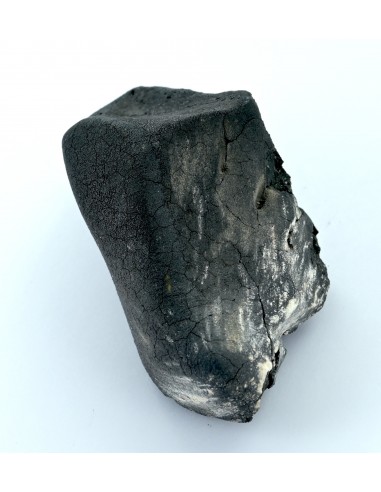
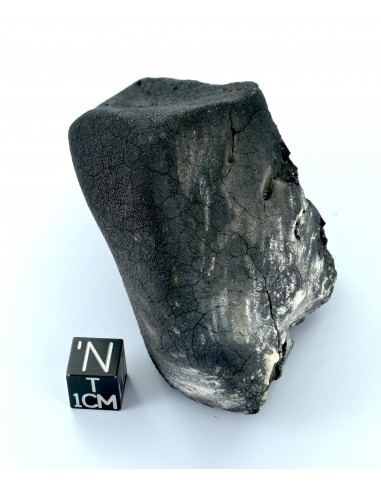
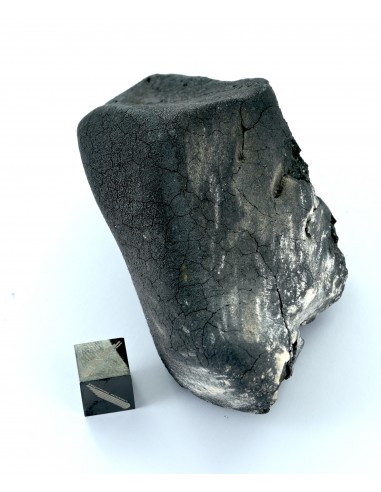
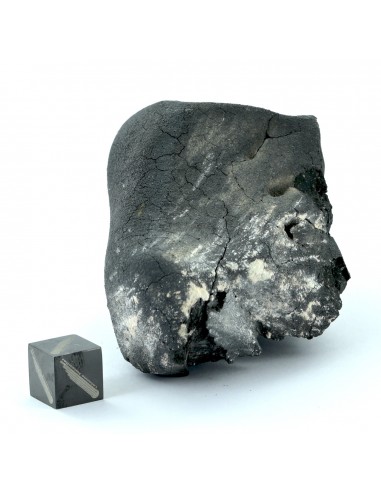
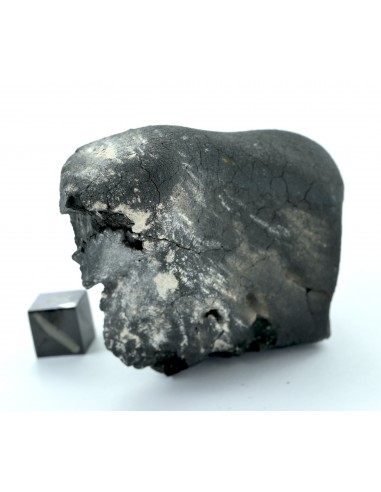
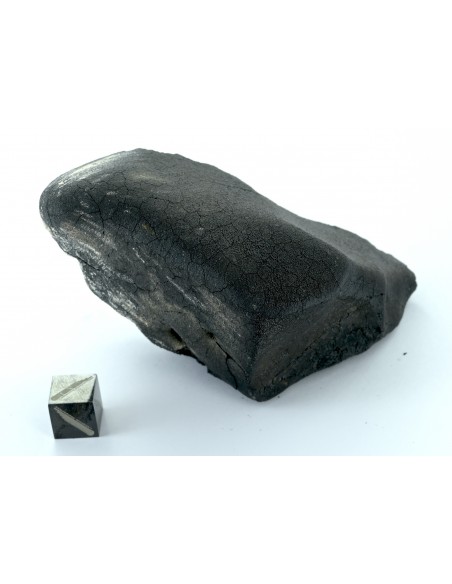
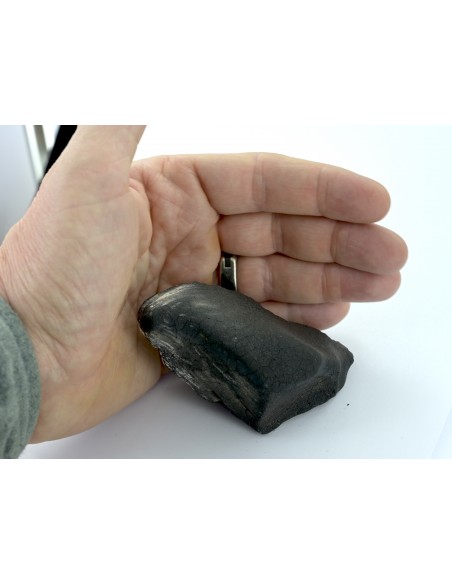
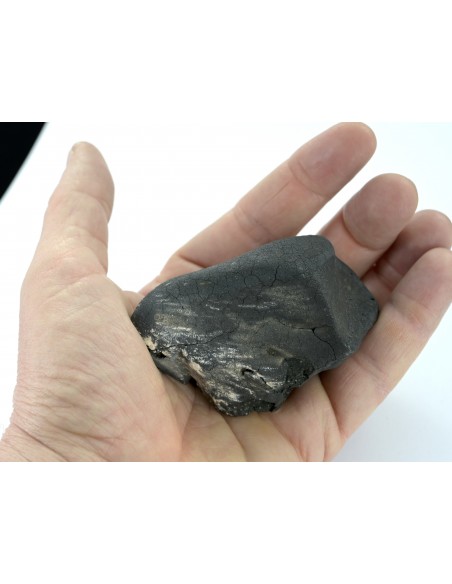
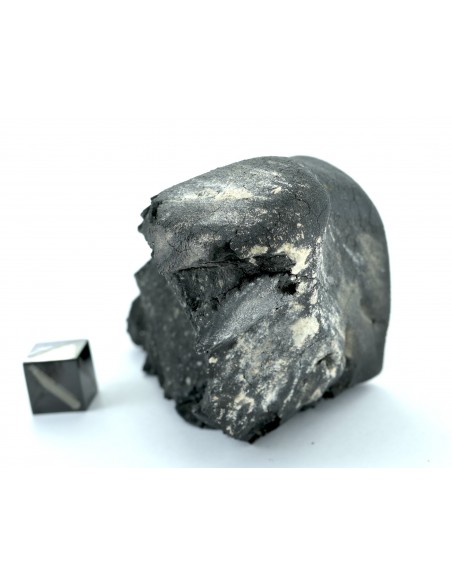
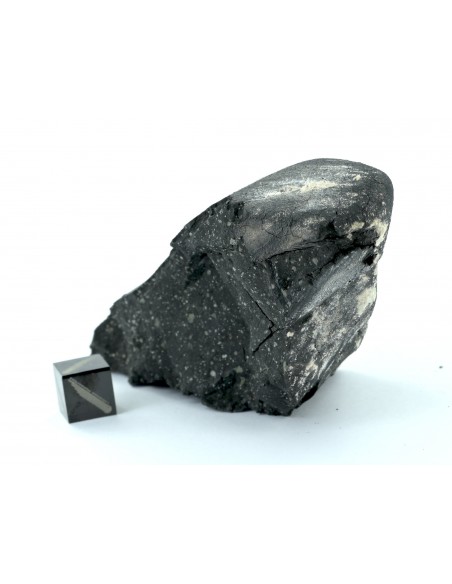
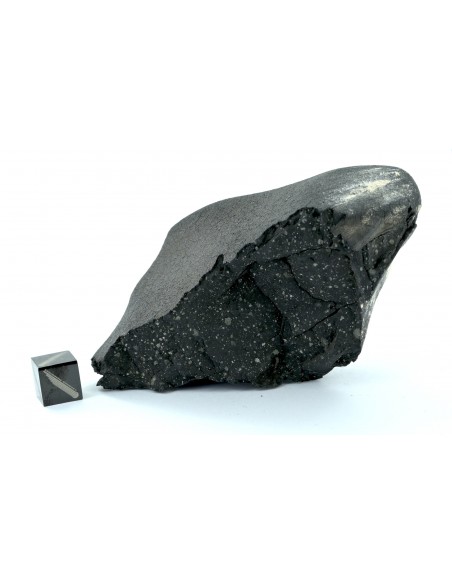
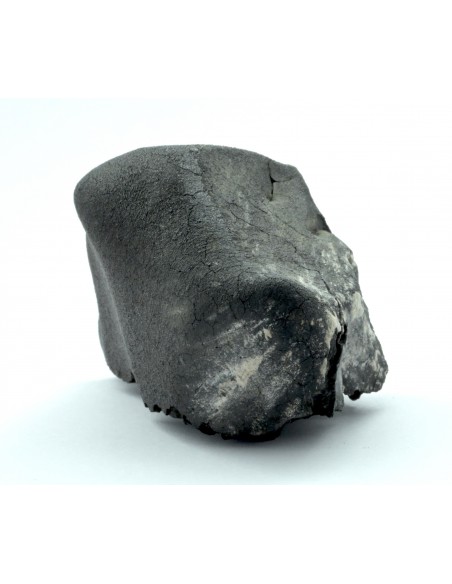
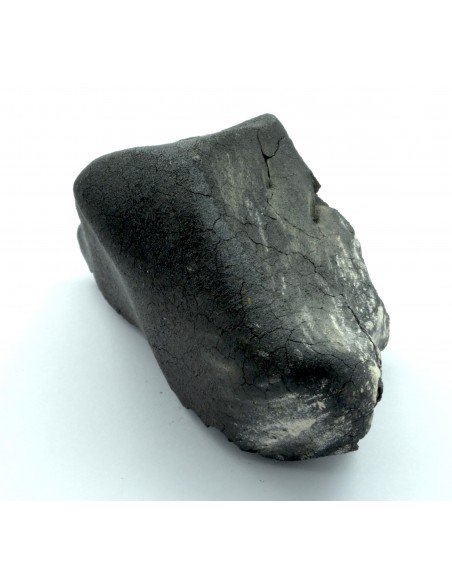
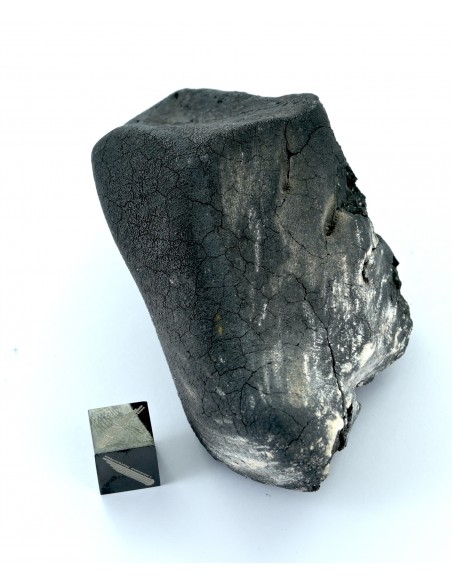
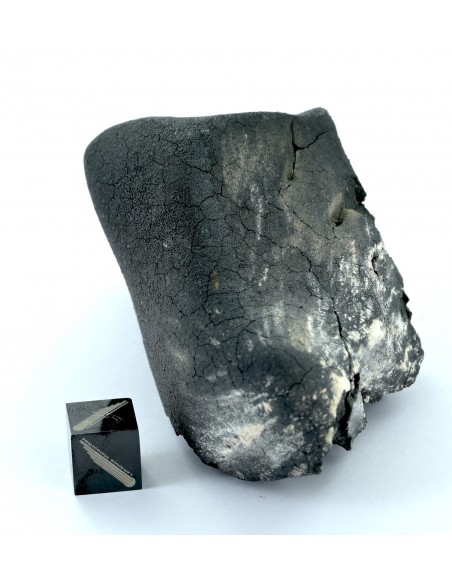
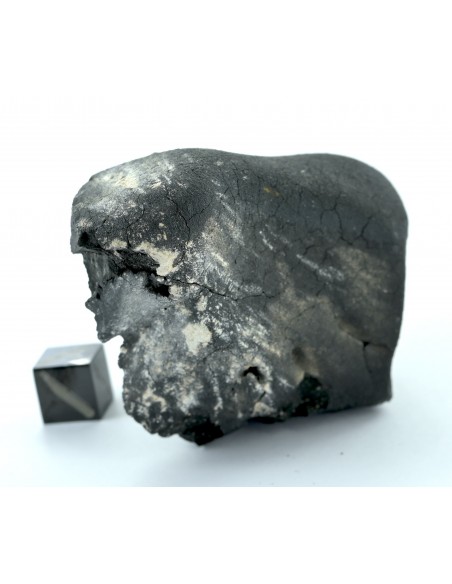
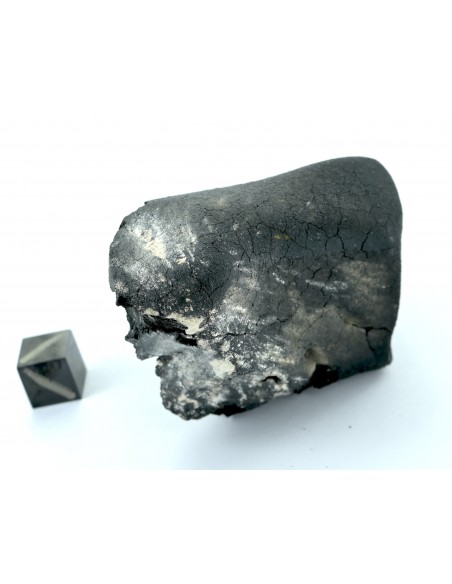
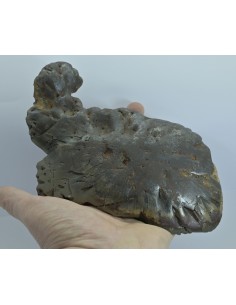
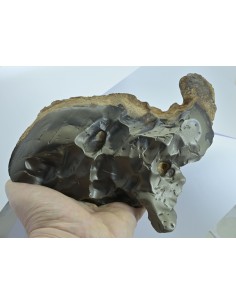
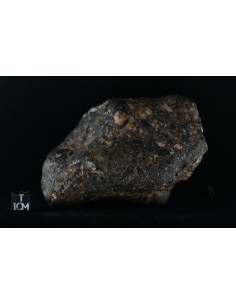
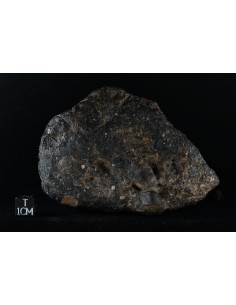
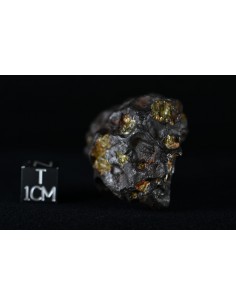
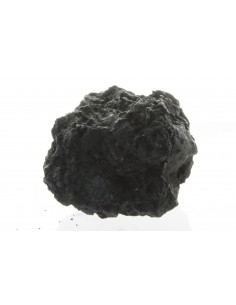
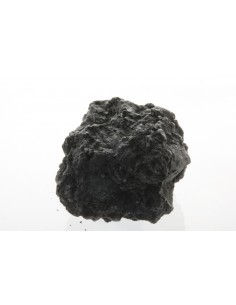
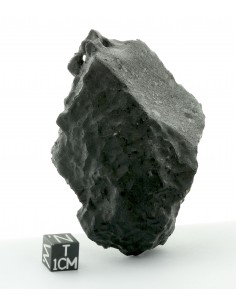
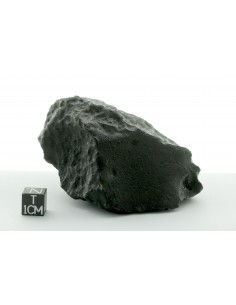
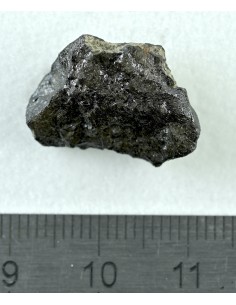
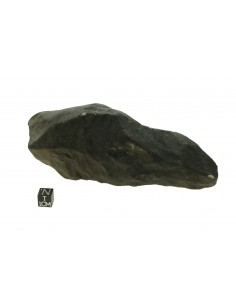
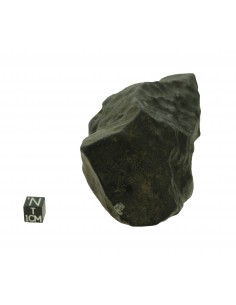
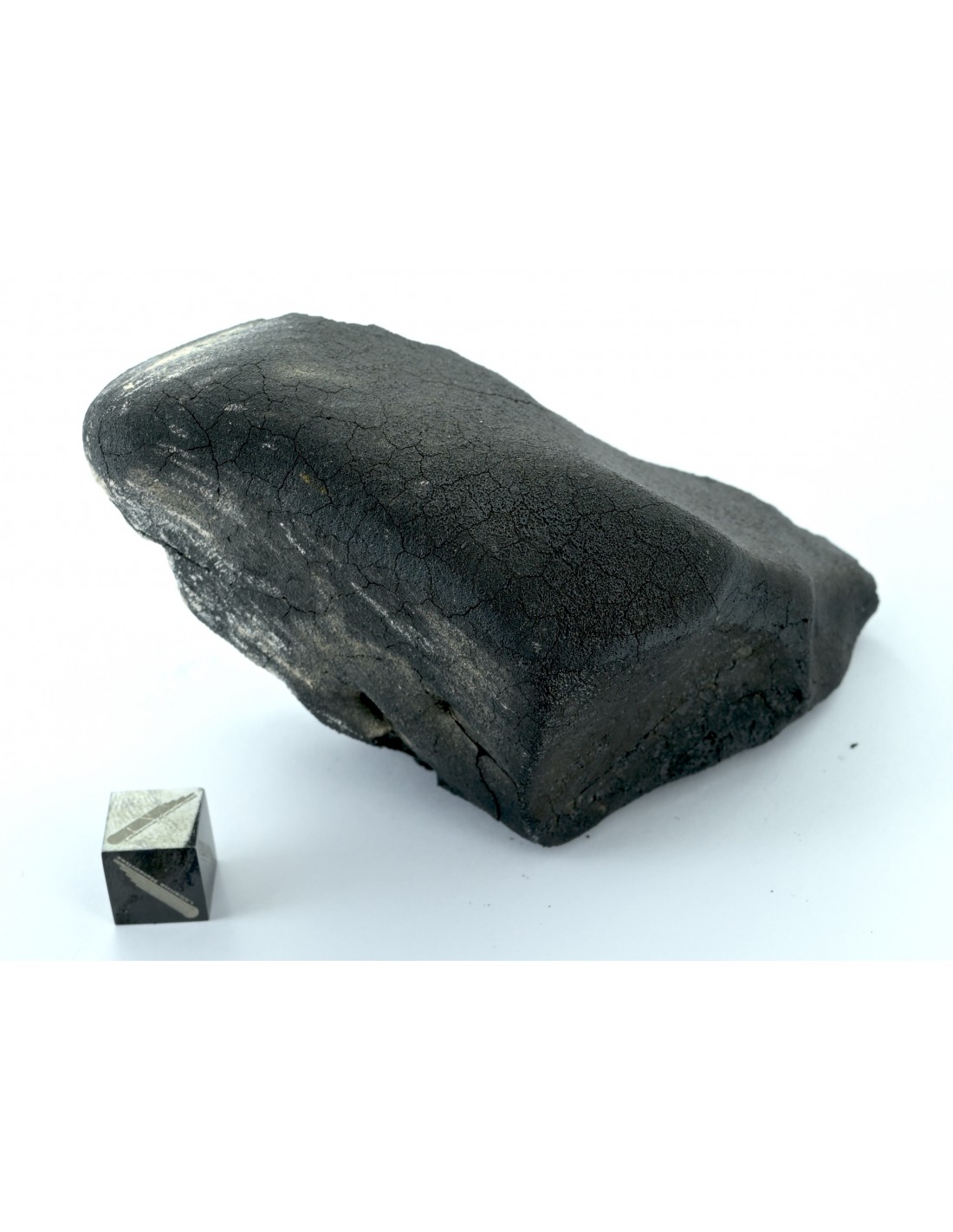
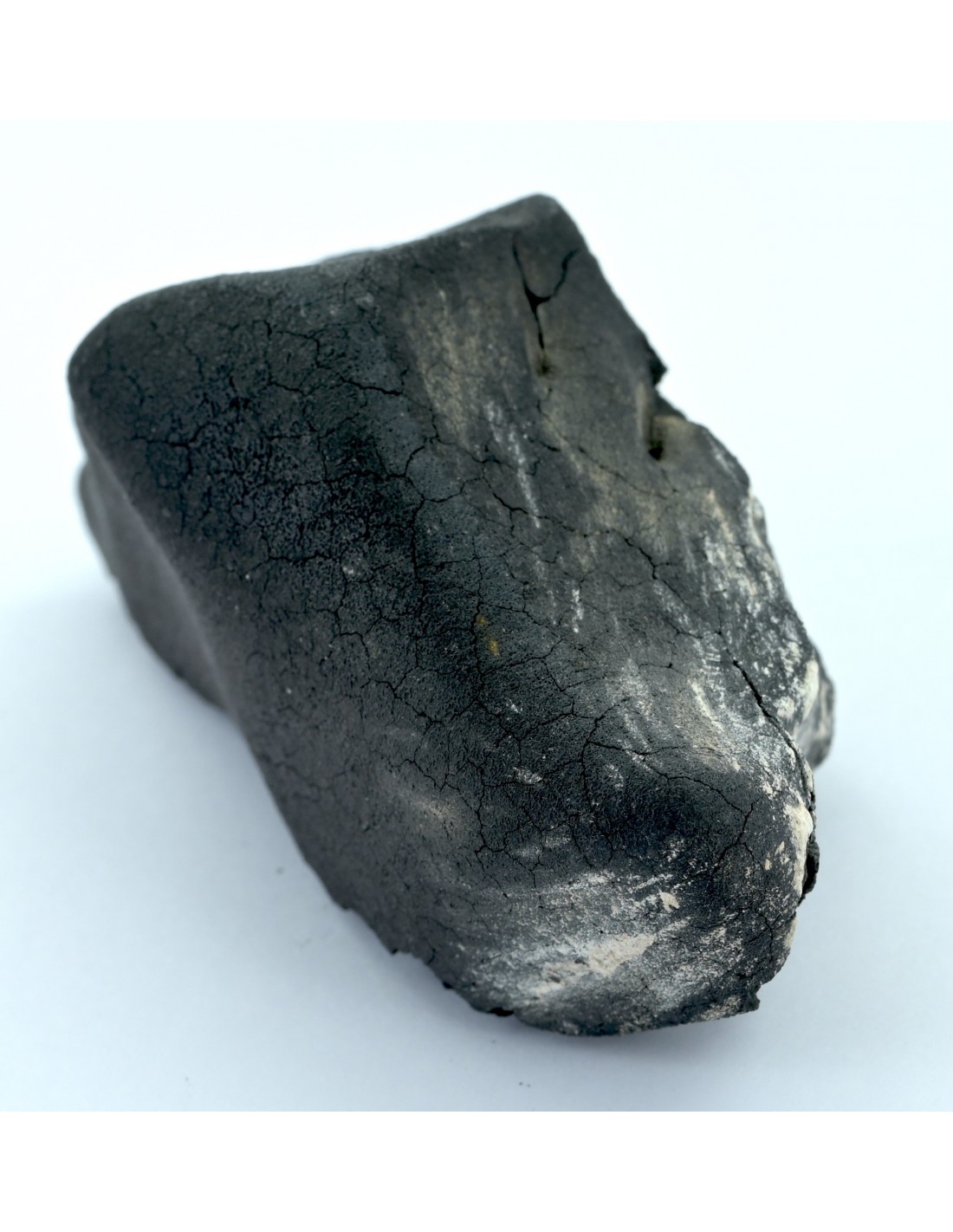
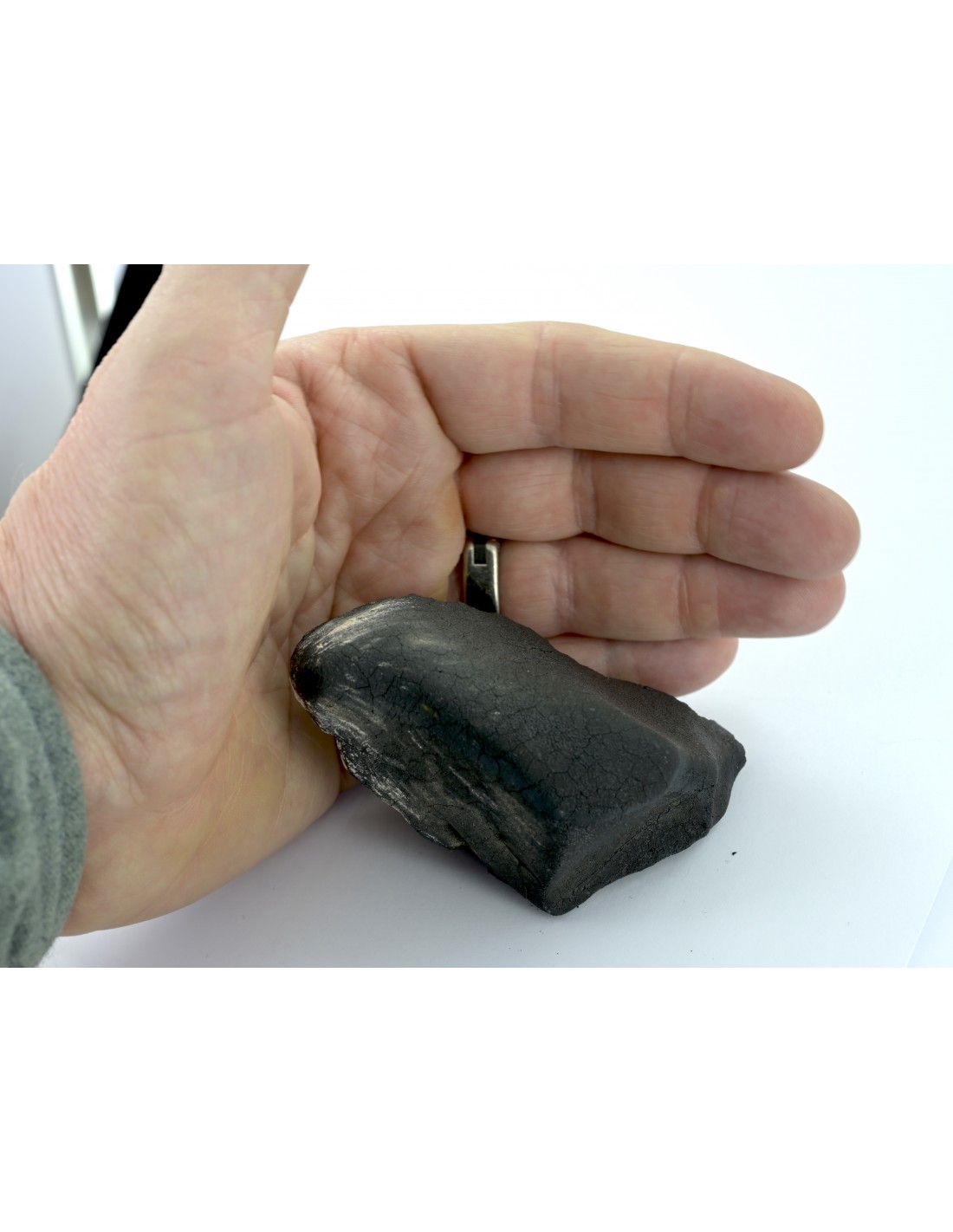
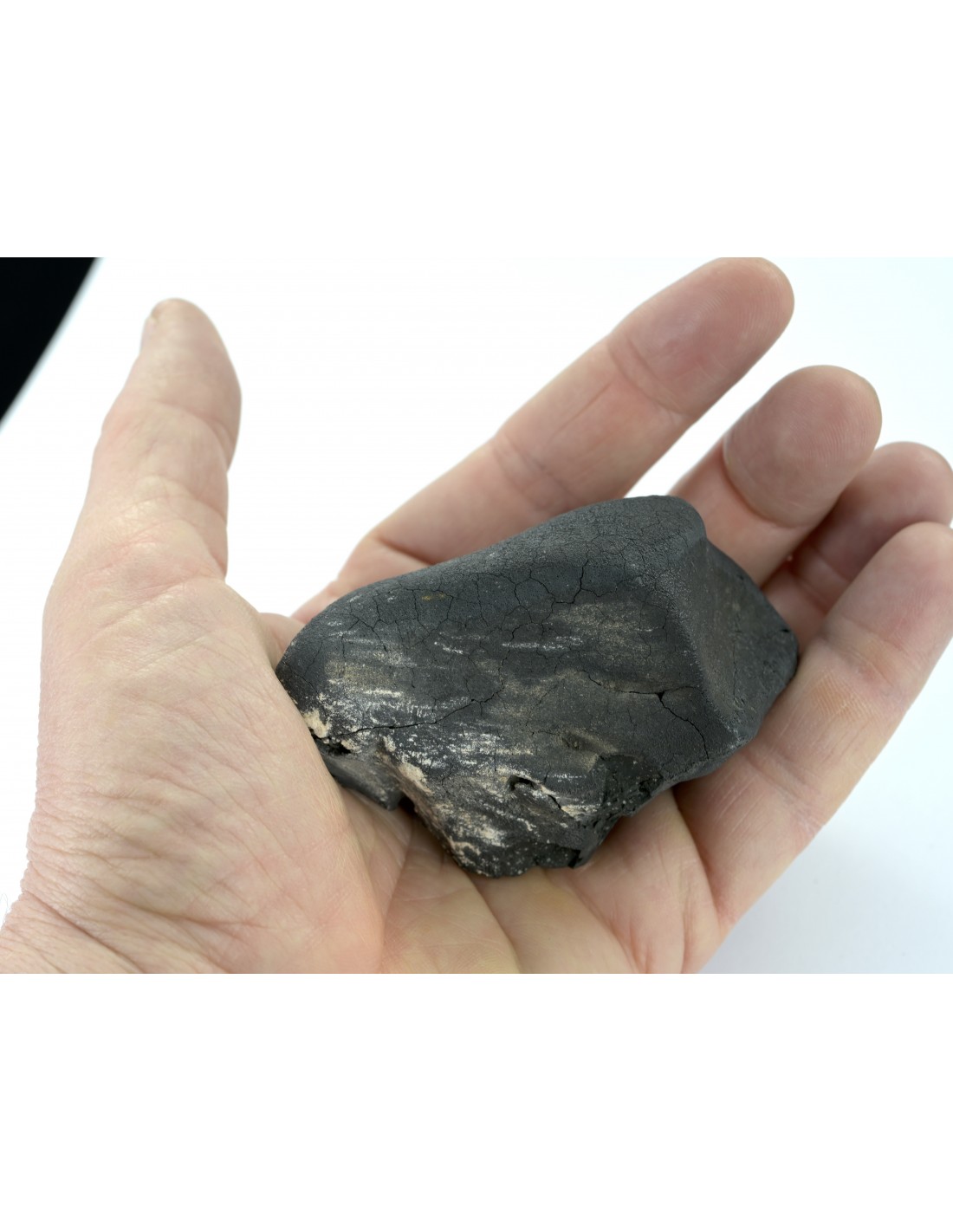
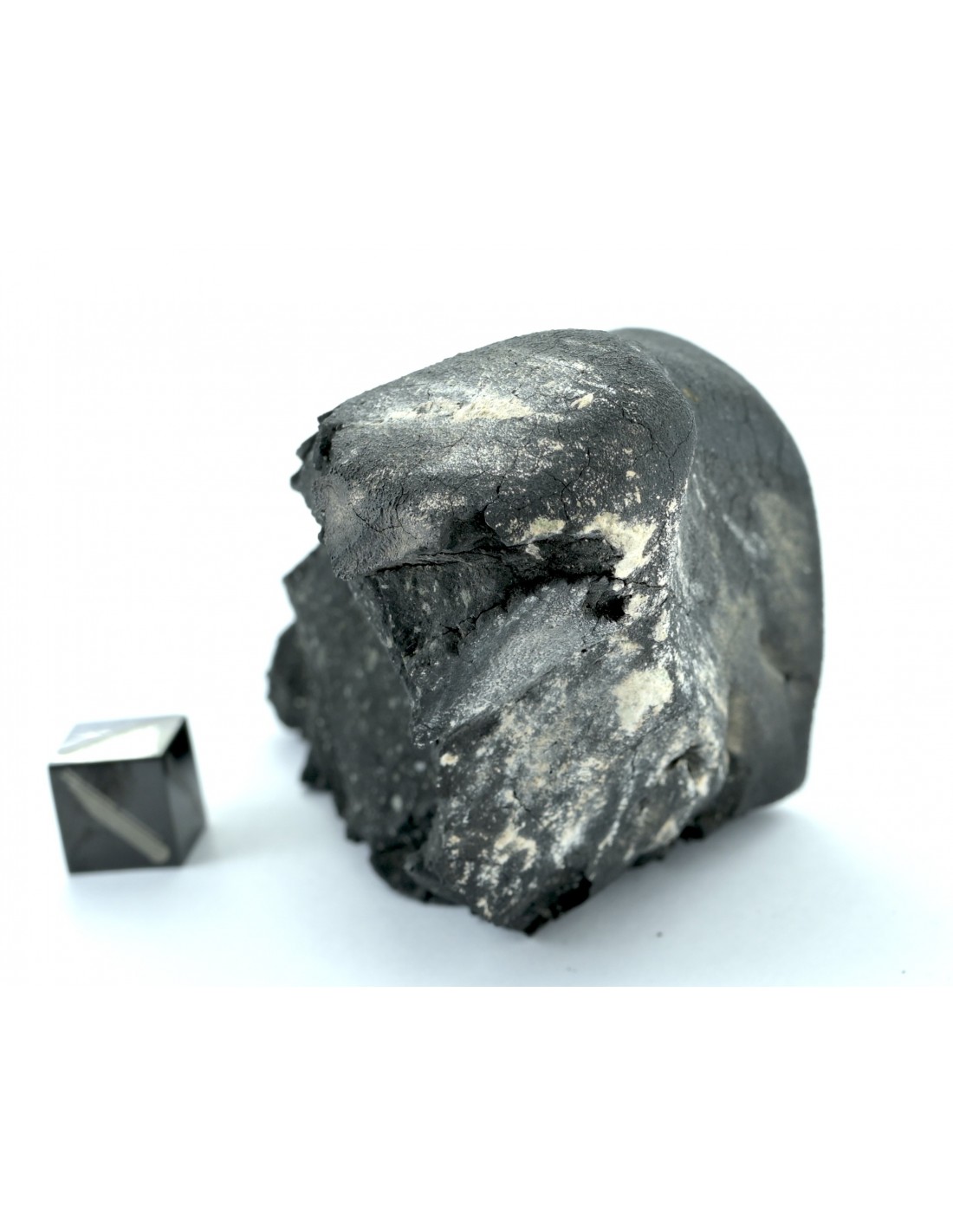
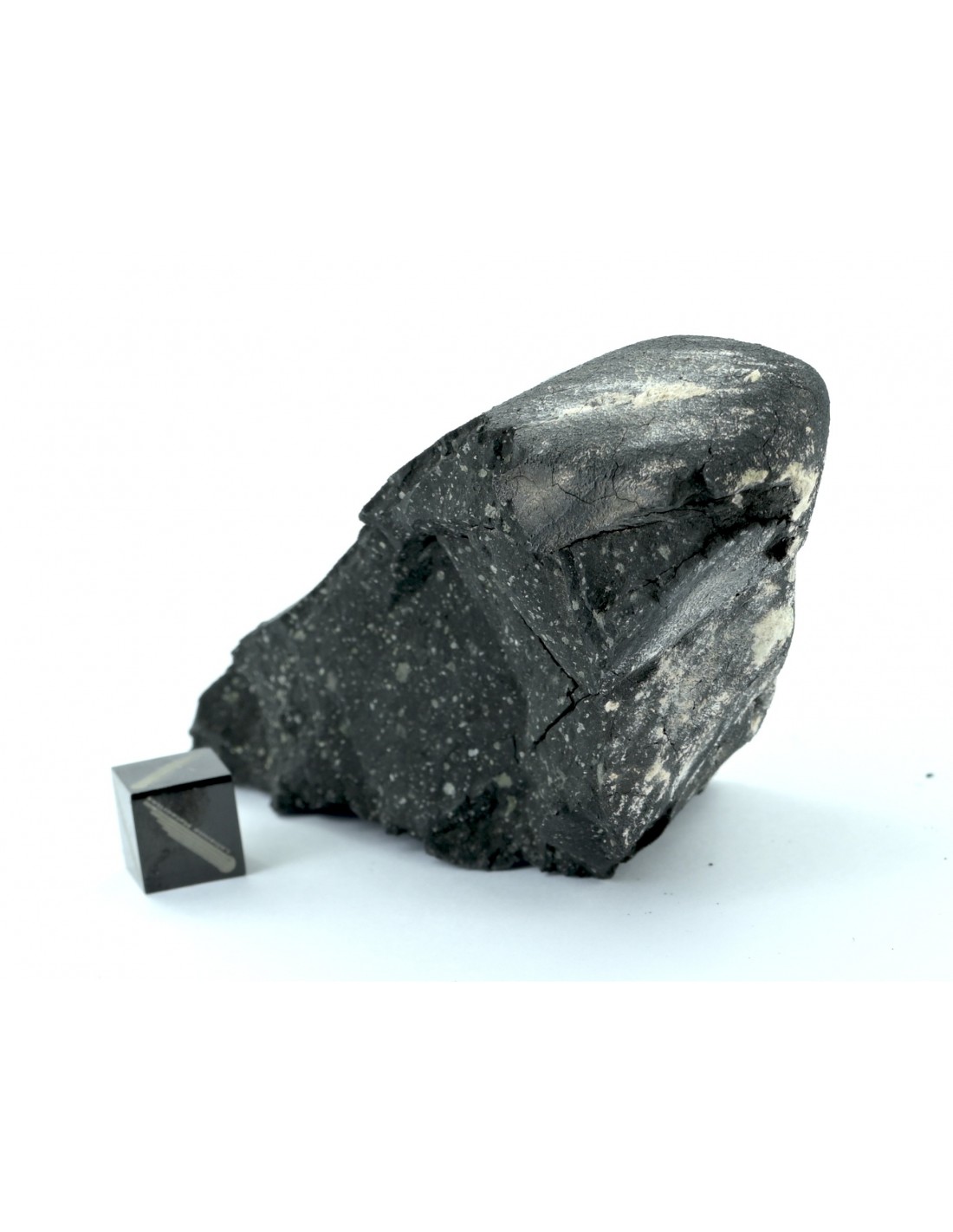
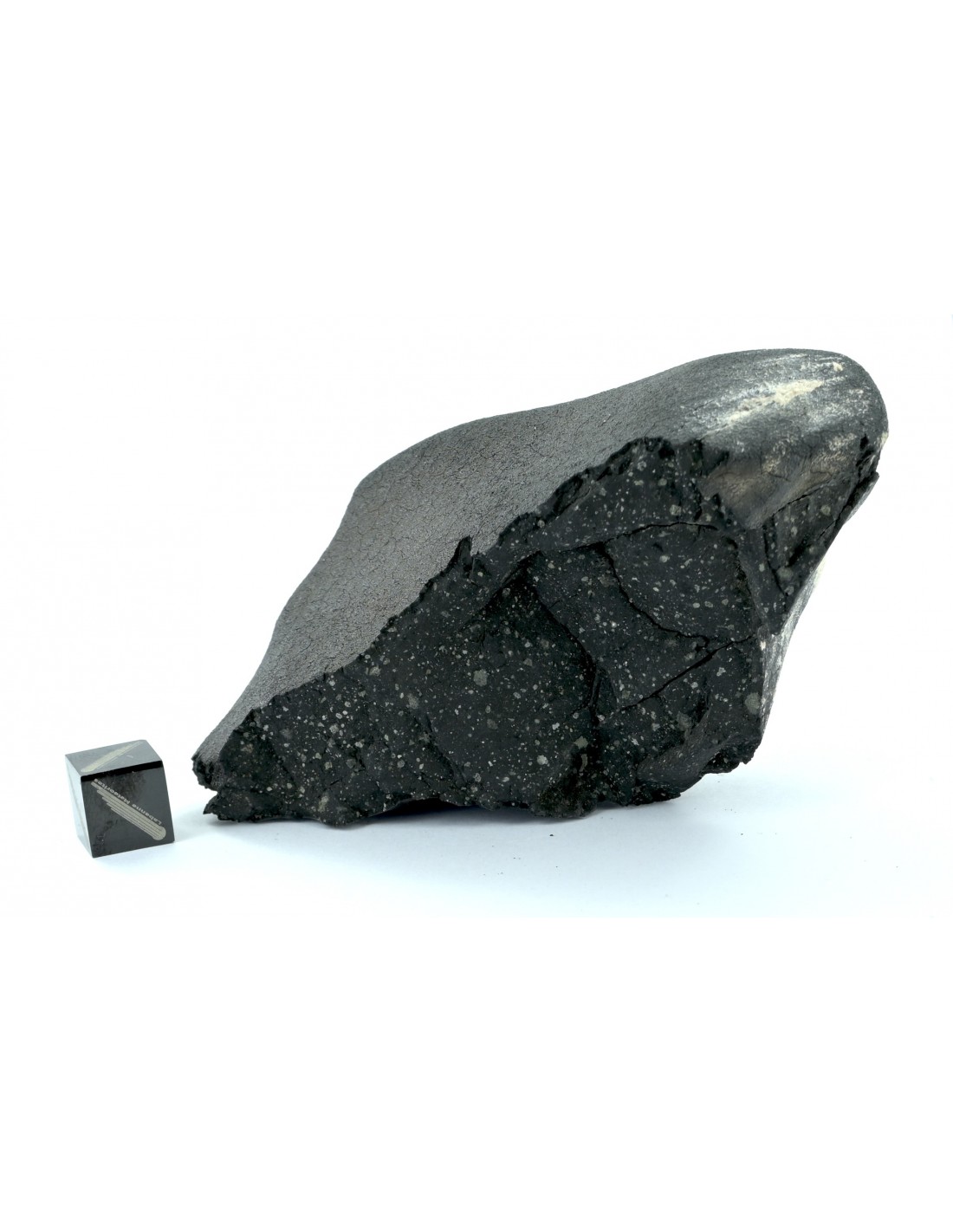
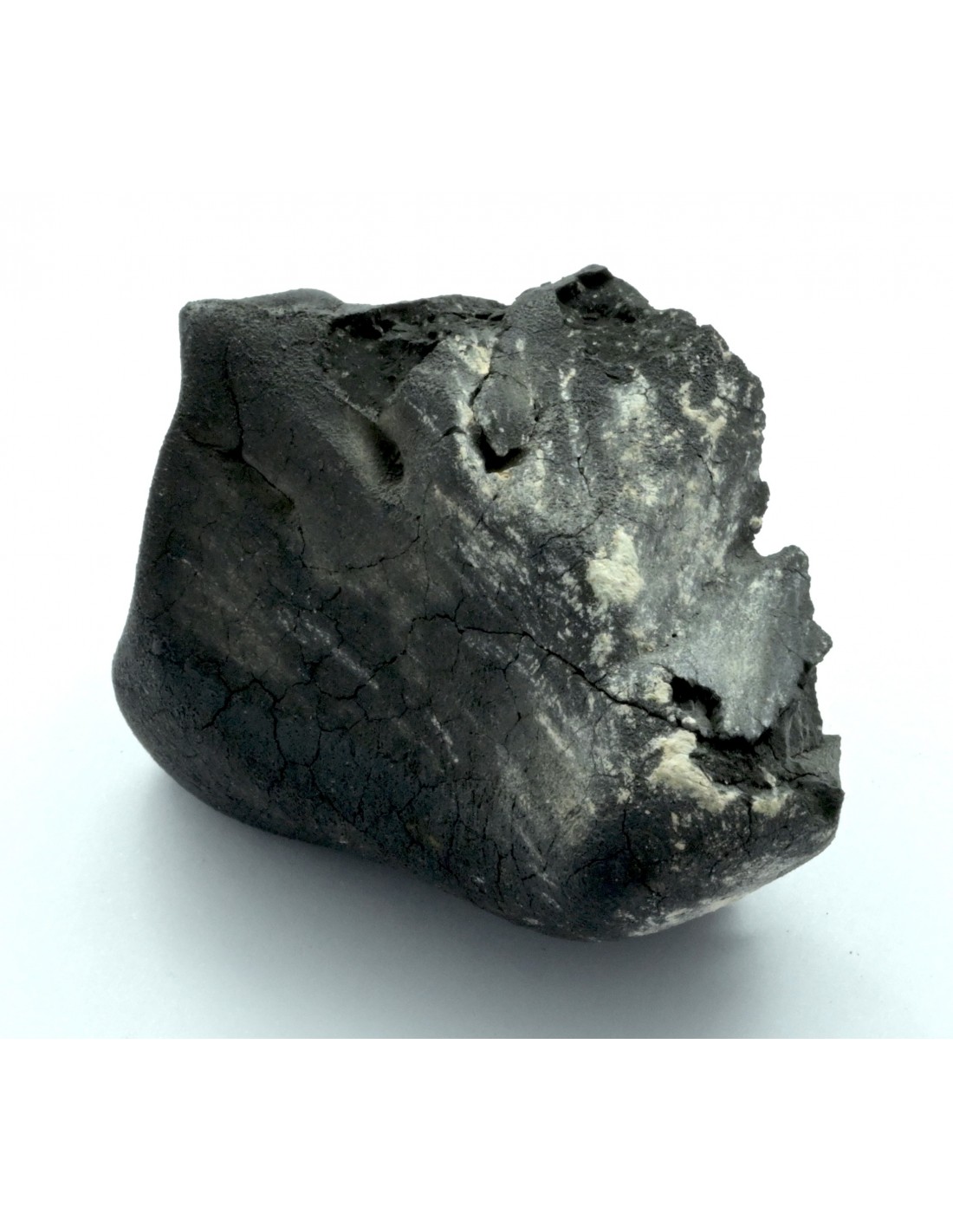
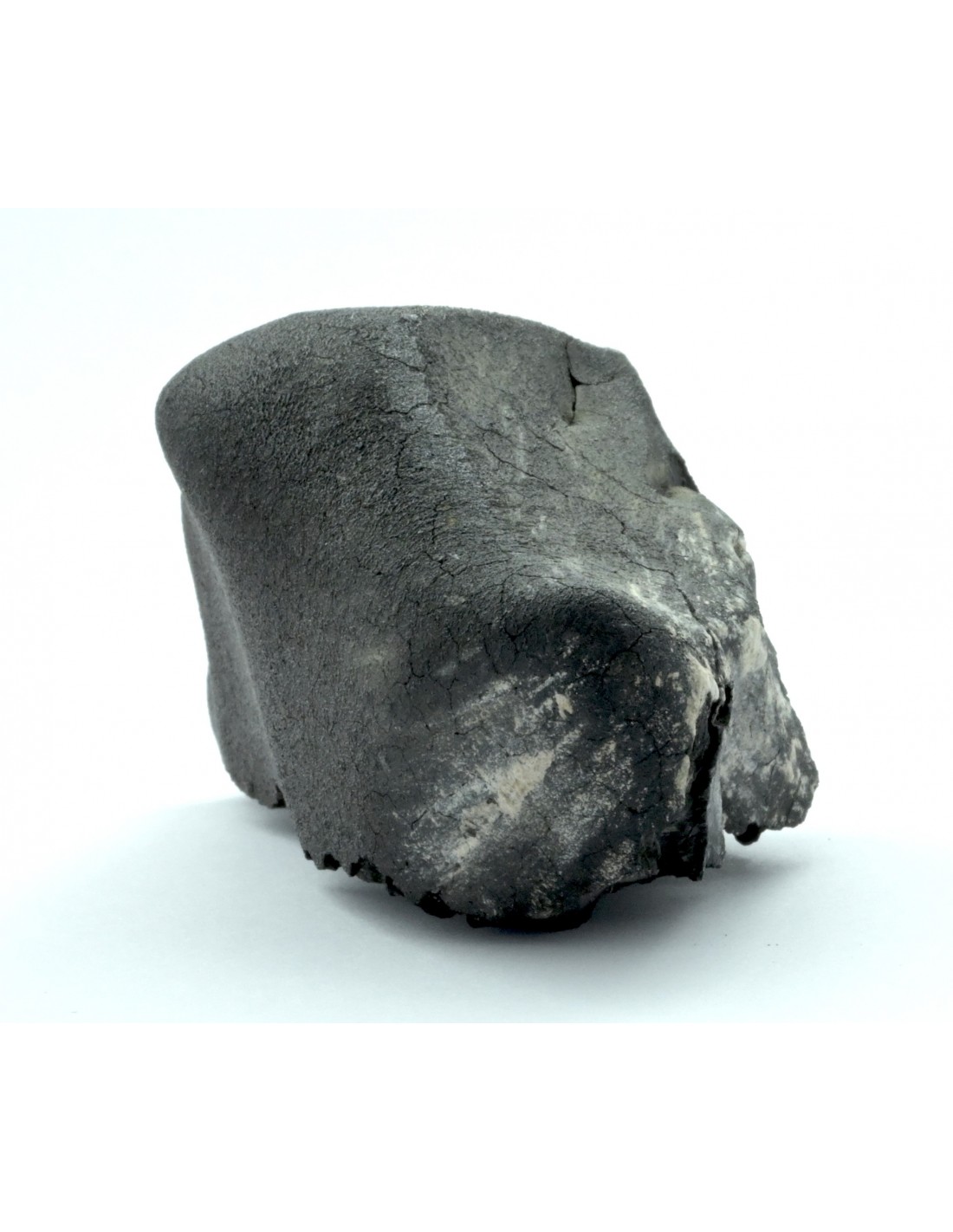
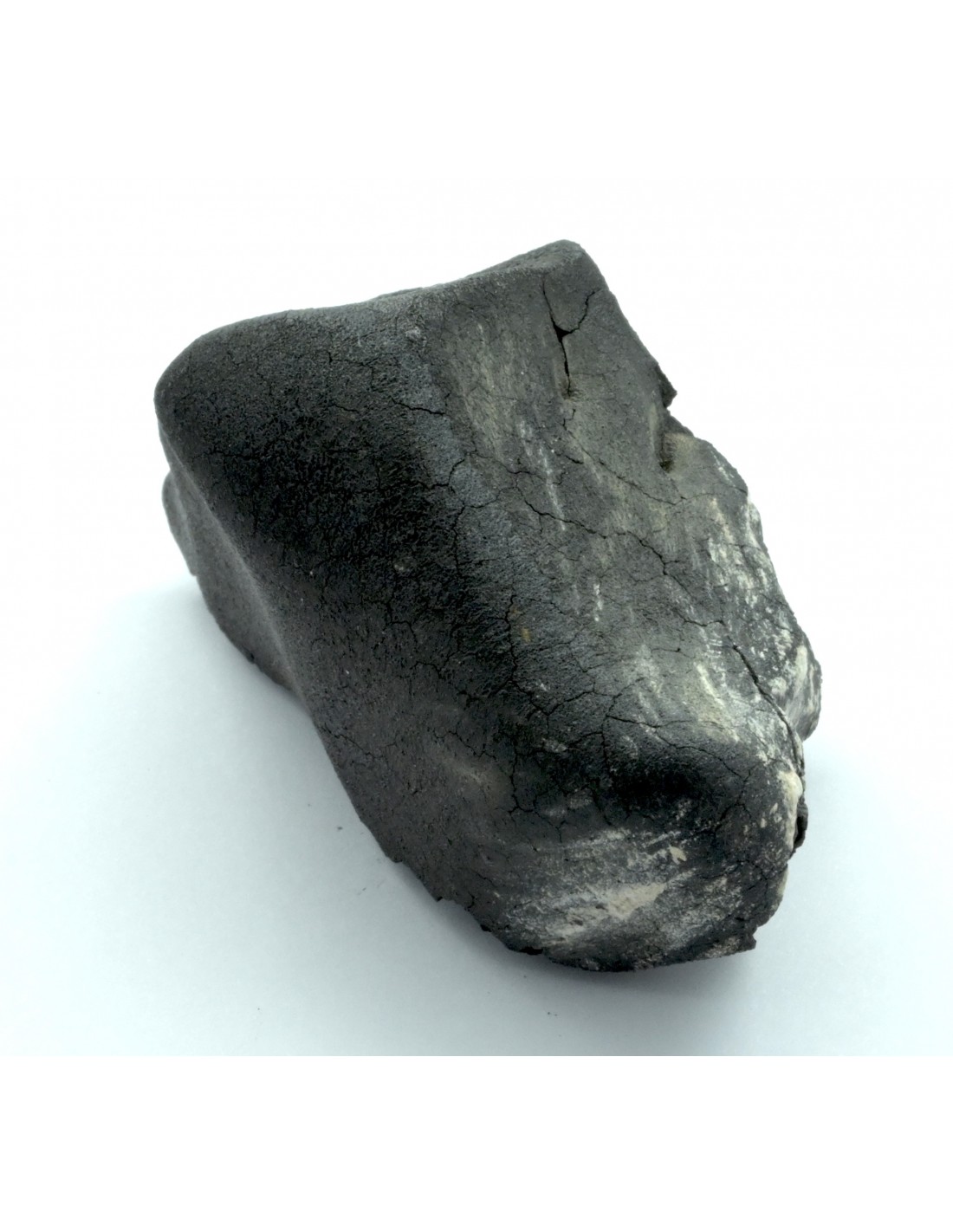
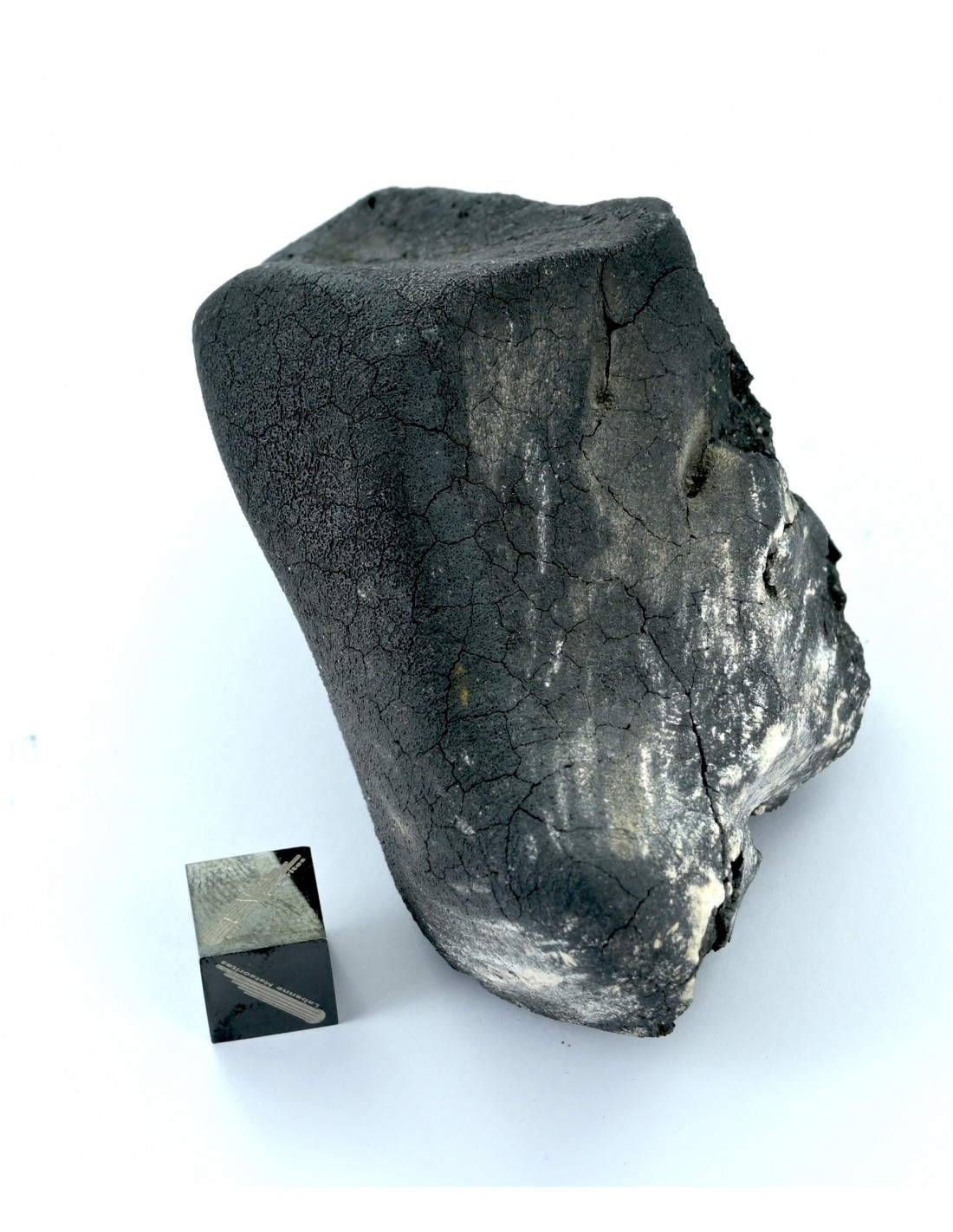
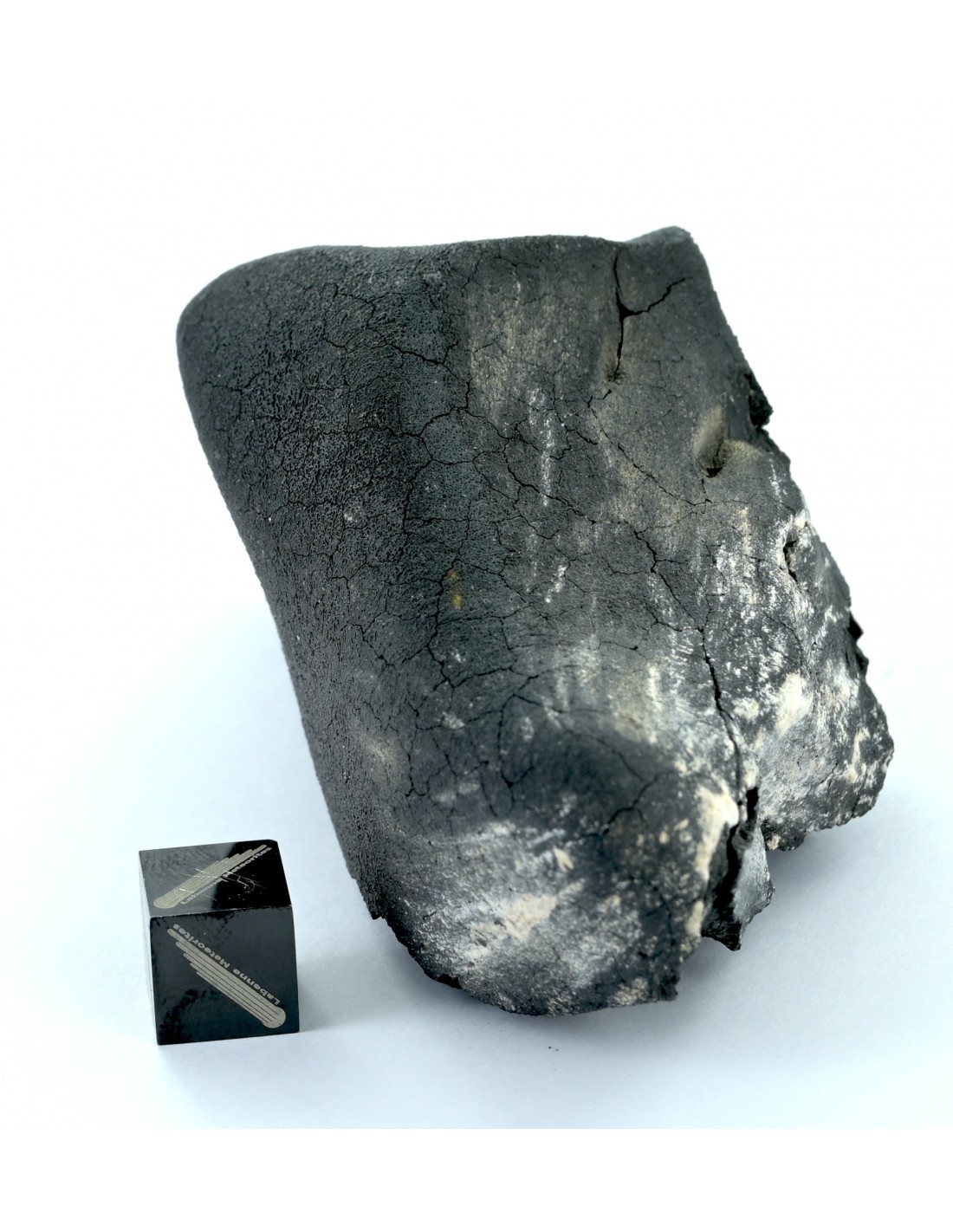
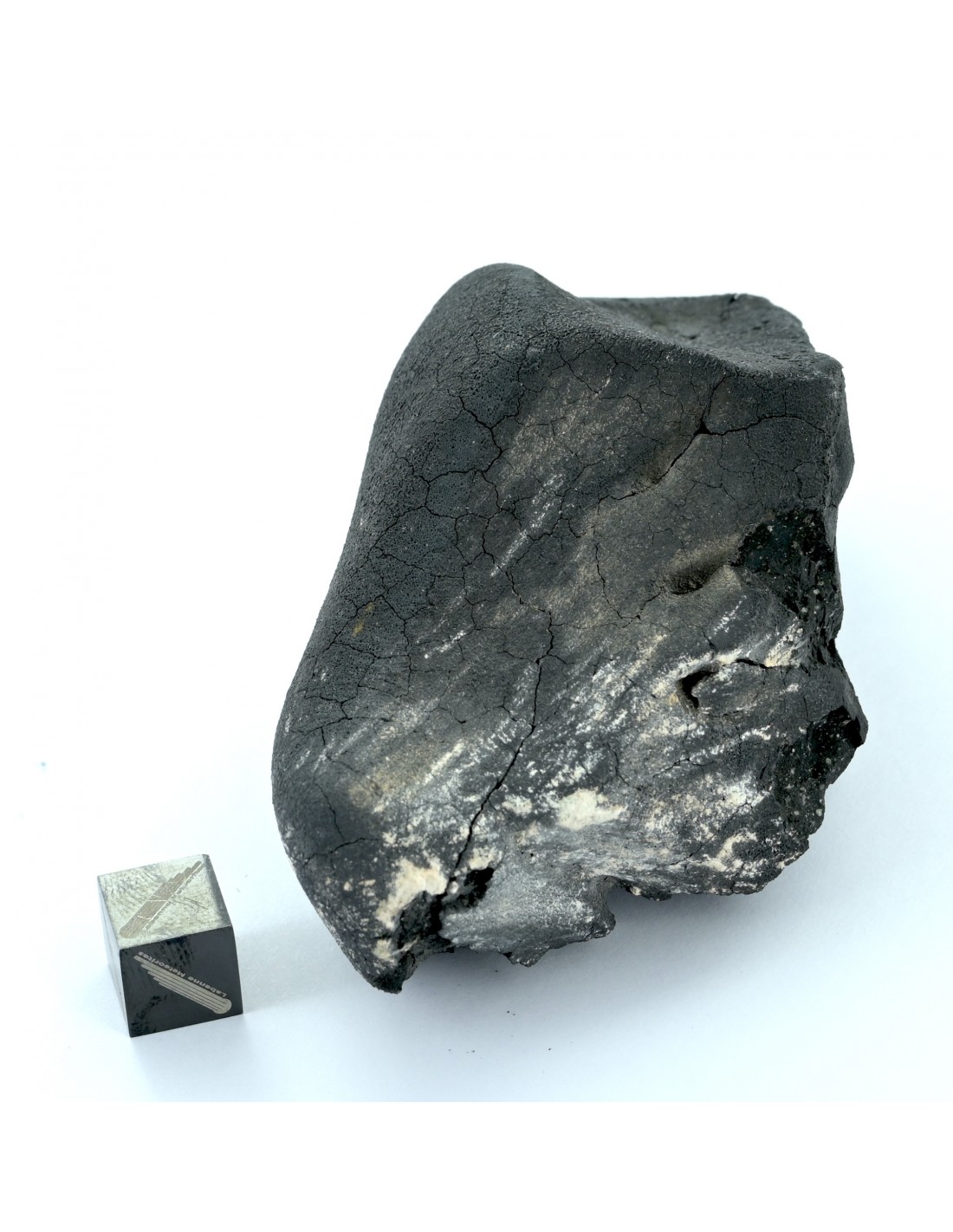
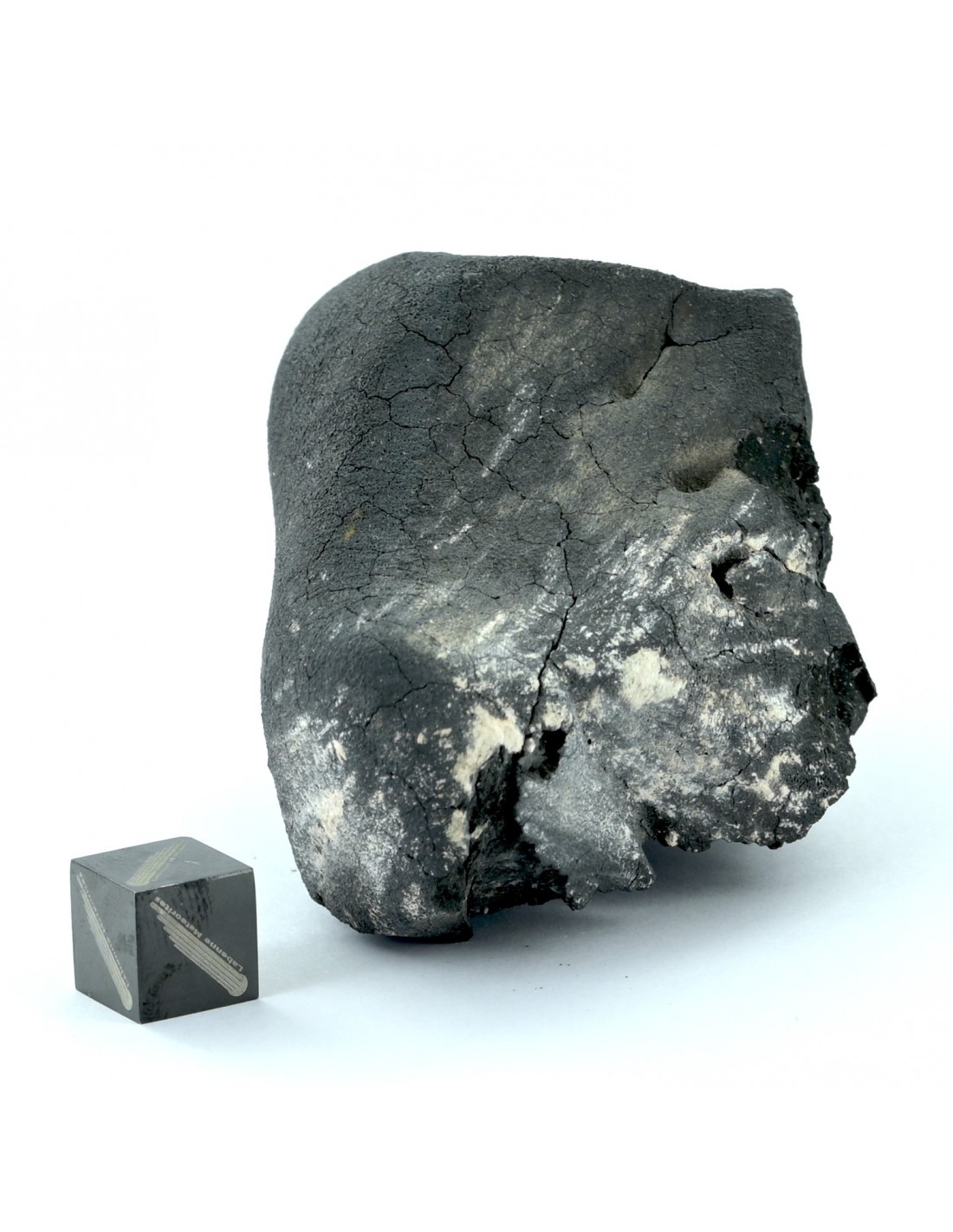
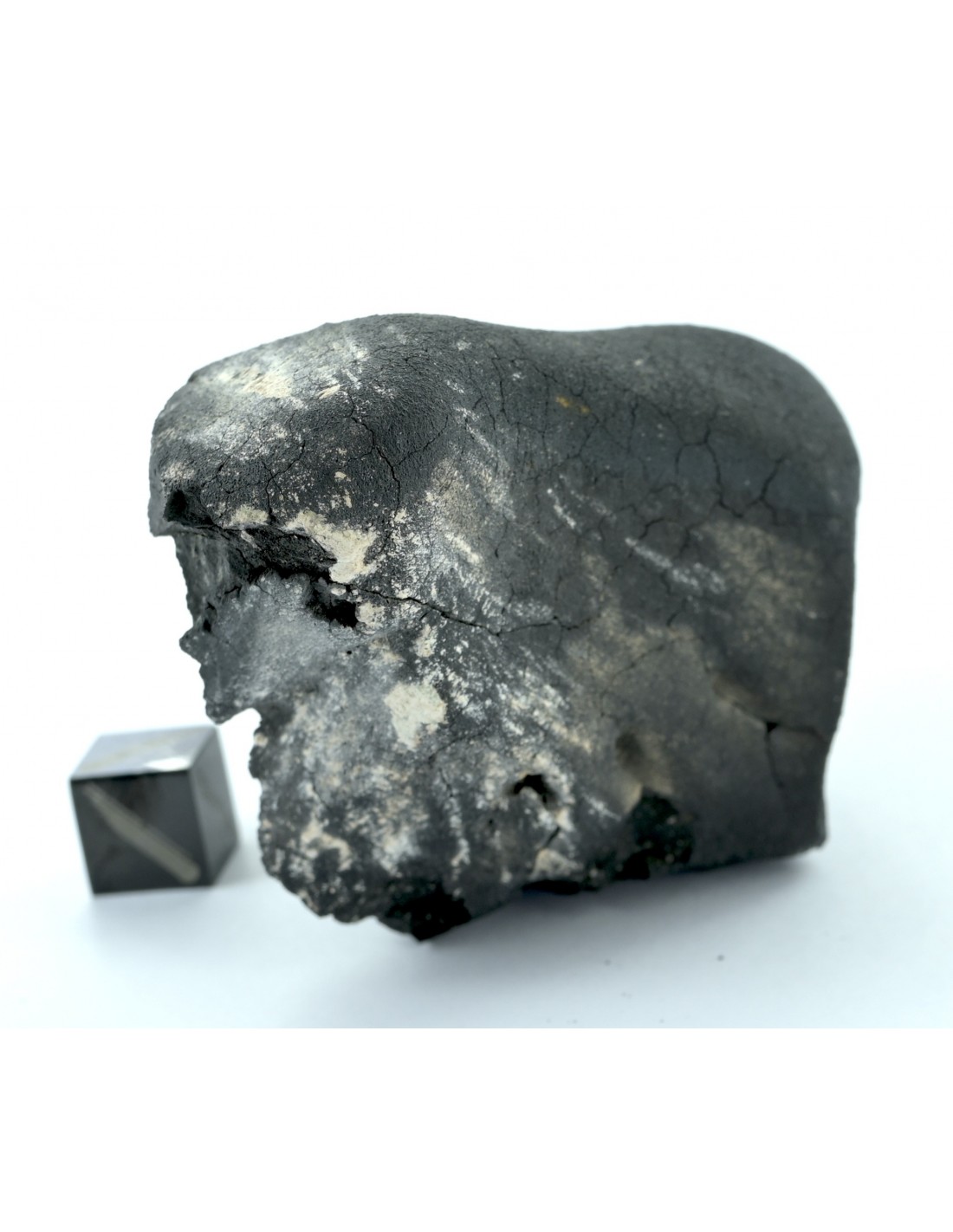
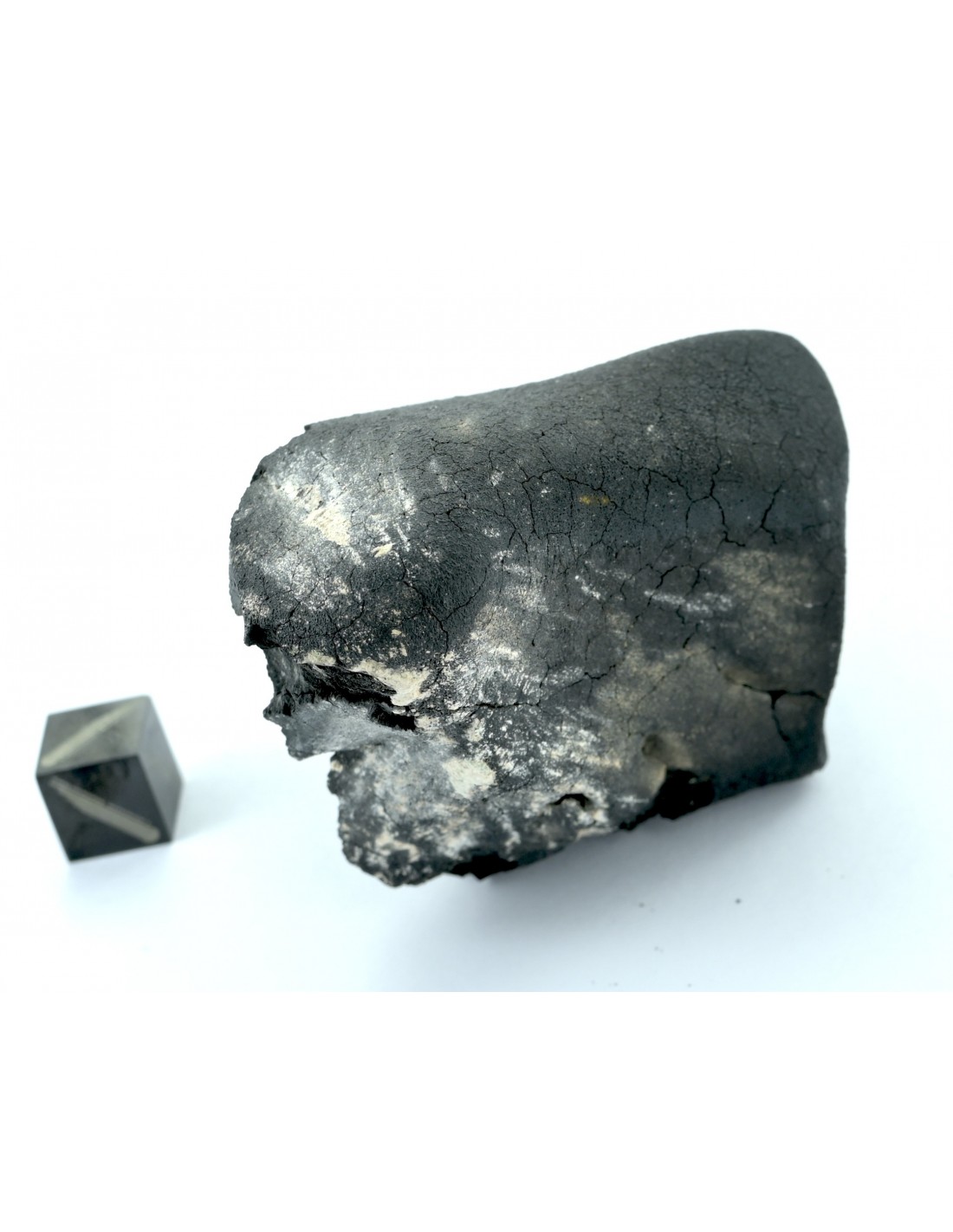
This specimen represents the 149.50 g main mass of Tarda, a scientifically important meteorite that fell on 25 August 2020. Tarda is a C2-ungrouped carbonaceous chondrite, preserving traces of aqueous alteration from the early Solar System. It is not only significant for its classification, but also for its morphology: the stone displays a naturally oriented shape, with what can be described as a kind of nose at the leading end, giving the meteorite a particularly expressive aerodynamic character.
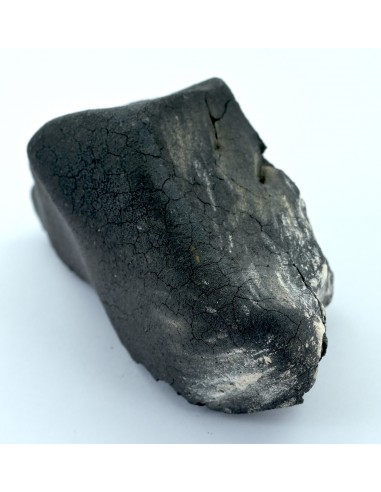
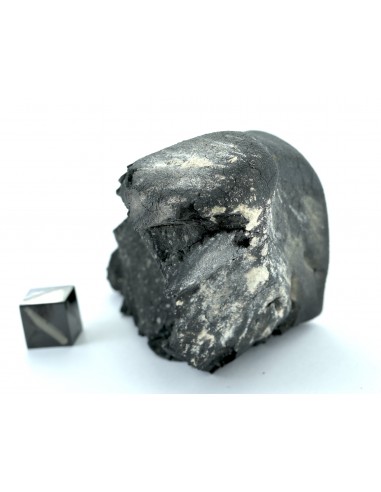
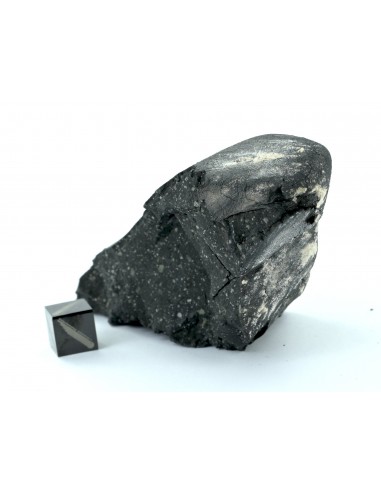
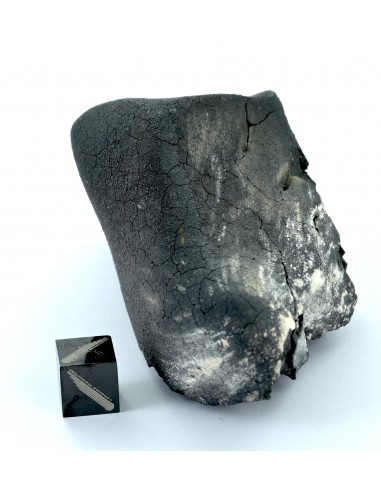
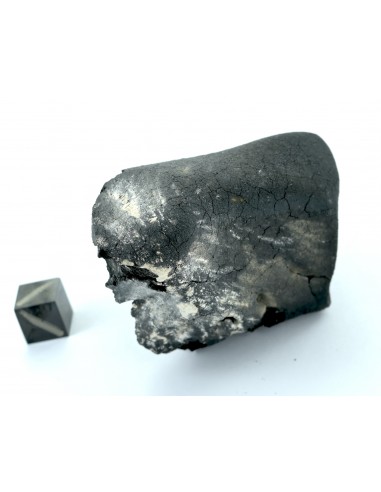
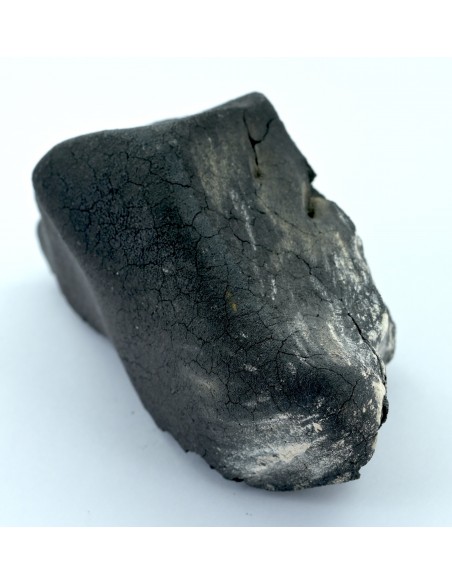
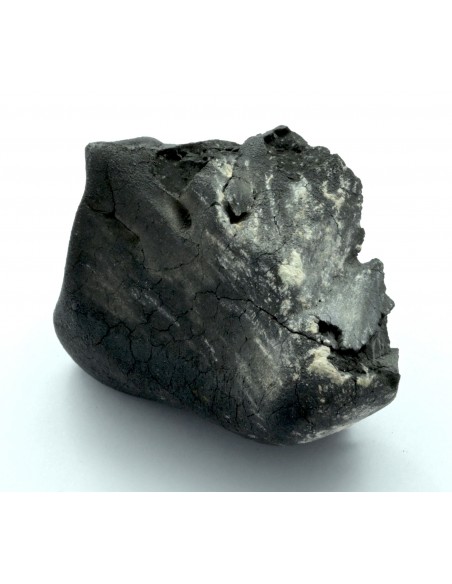
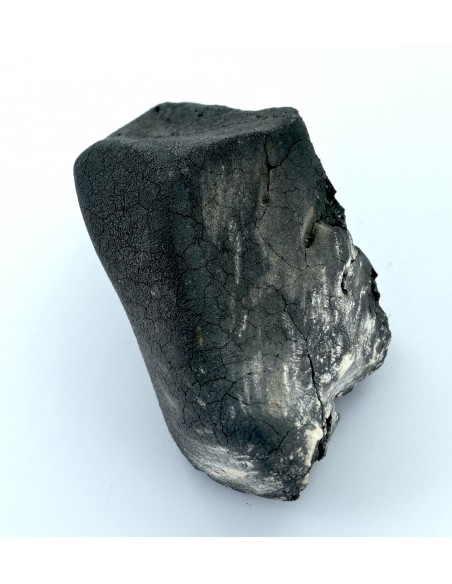
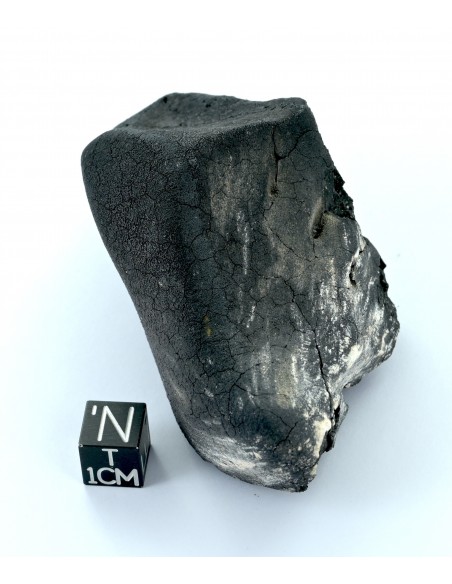
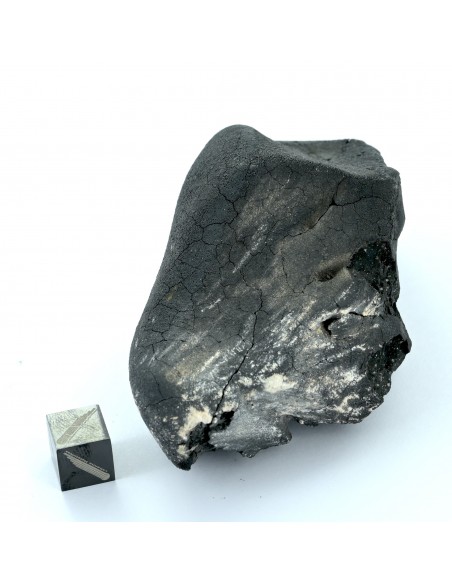
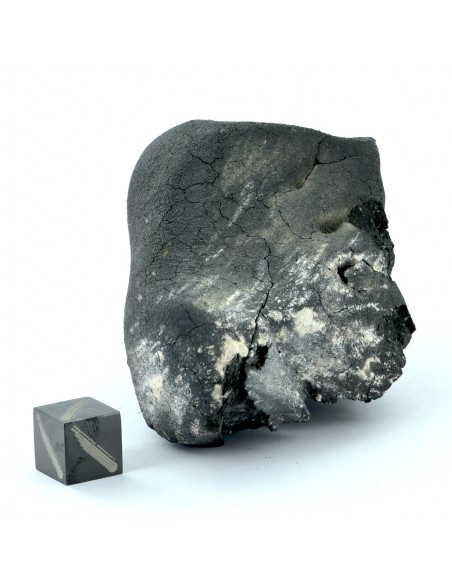
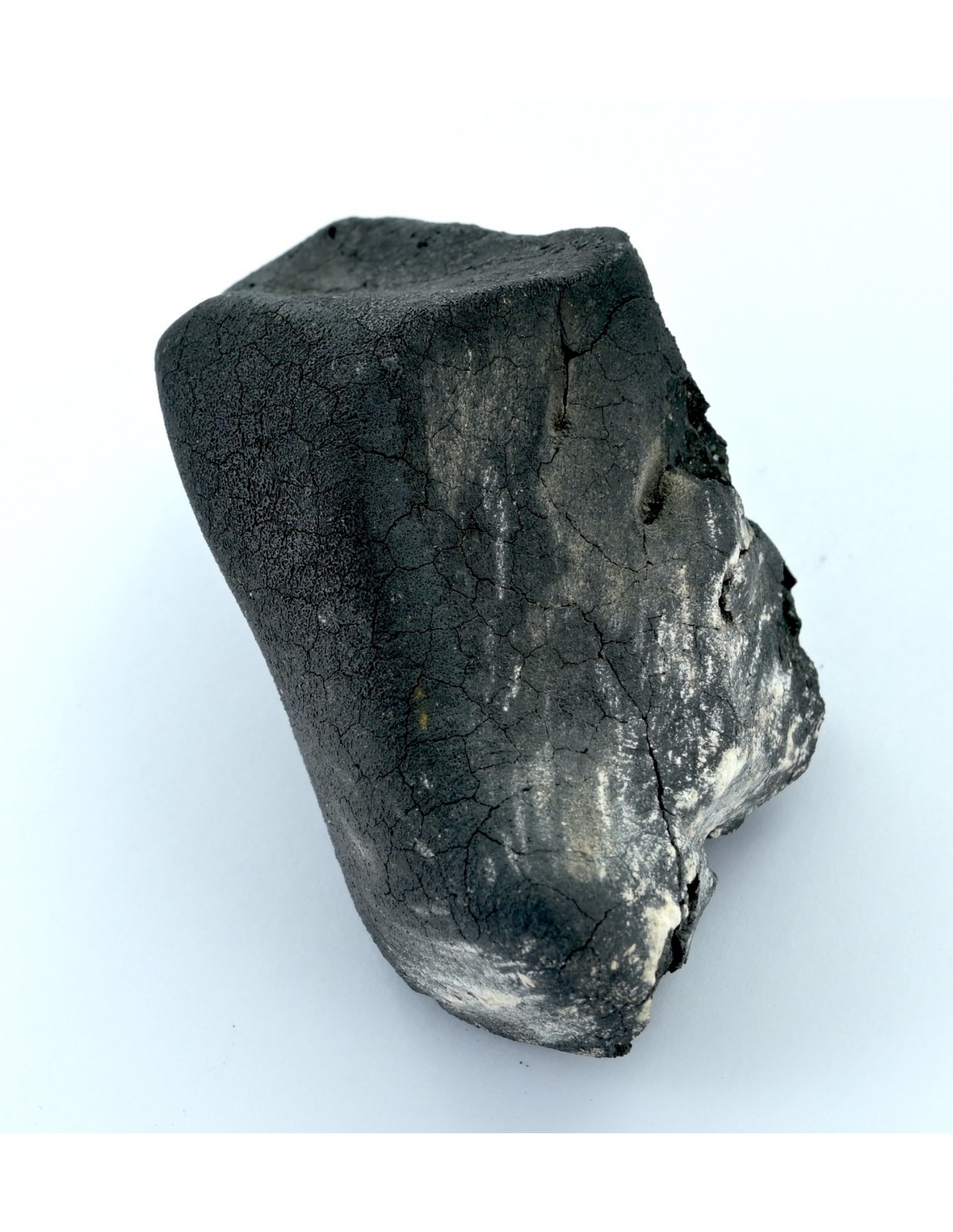
The specimen also preserves a fresh black fusion crust, whose visual strength is made even more striking by the presence of pale marks acquired on impact with the limestone ground. These white contact traces contrast clearly with the dark surface and add an important dimension of authenticity and historical immediacy to the piece: they are part of the story of the fall itself.
The Main Mass of the Fall
As the main mass of Tarda, this meteorite occupies a special place within the fall. Main masses are always of particular interest, both scientifically and for collectors, because they represent the principal recovered individual of a meteoritic event. They carry stronger identity, greater historical importance, and a level of singularity that smaller fragments do not possess in the same way.
For a meteorite of such scientific relevance, the importance of the main mass is even greater. This is not simply a representative fragment, but the dominant recovered piece of a rare and significant carbonaceous fall.
An Oriented Individual with a Distinct Leading End
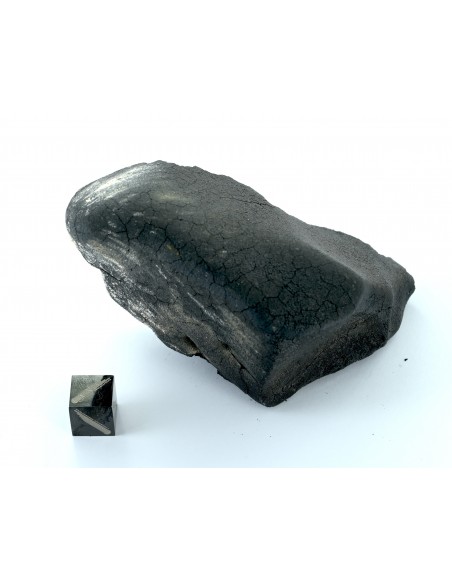
One of the most remarkable features of this specimen is its natural aerodynamic form. The mass presents a clearly organized shape with a rounded, forward-projecting end that gives the impression of a nose. This gives the meteorite a strong sense of directional flight and makes it especially appealing to collectors who value natural atmospheric shaping.
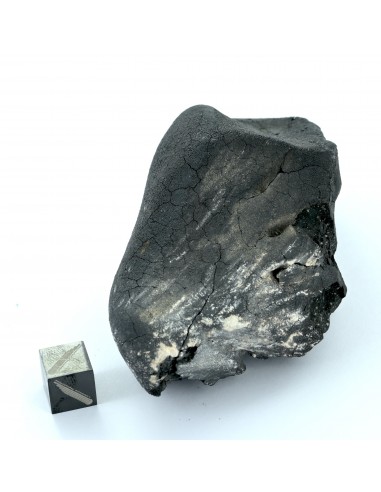
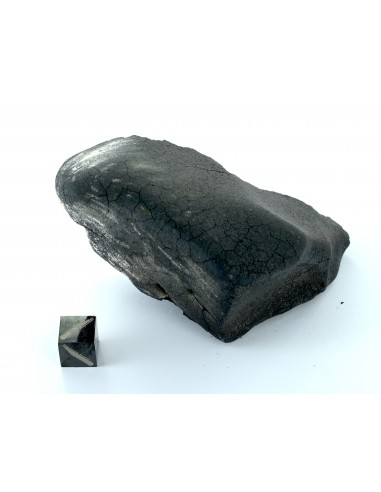
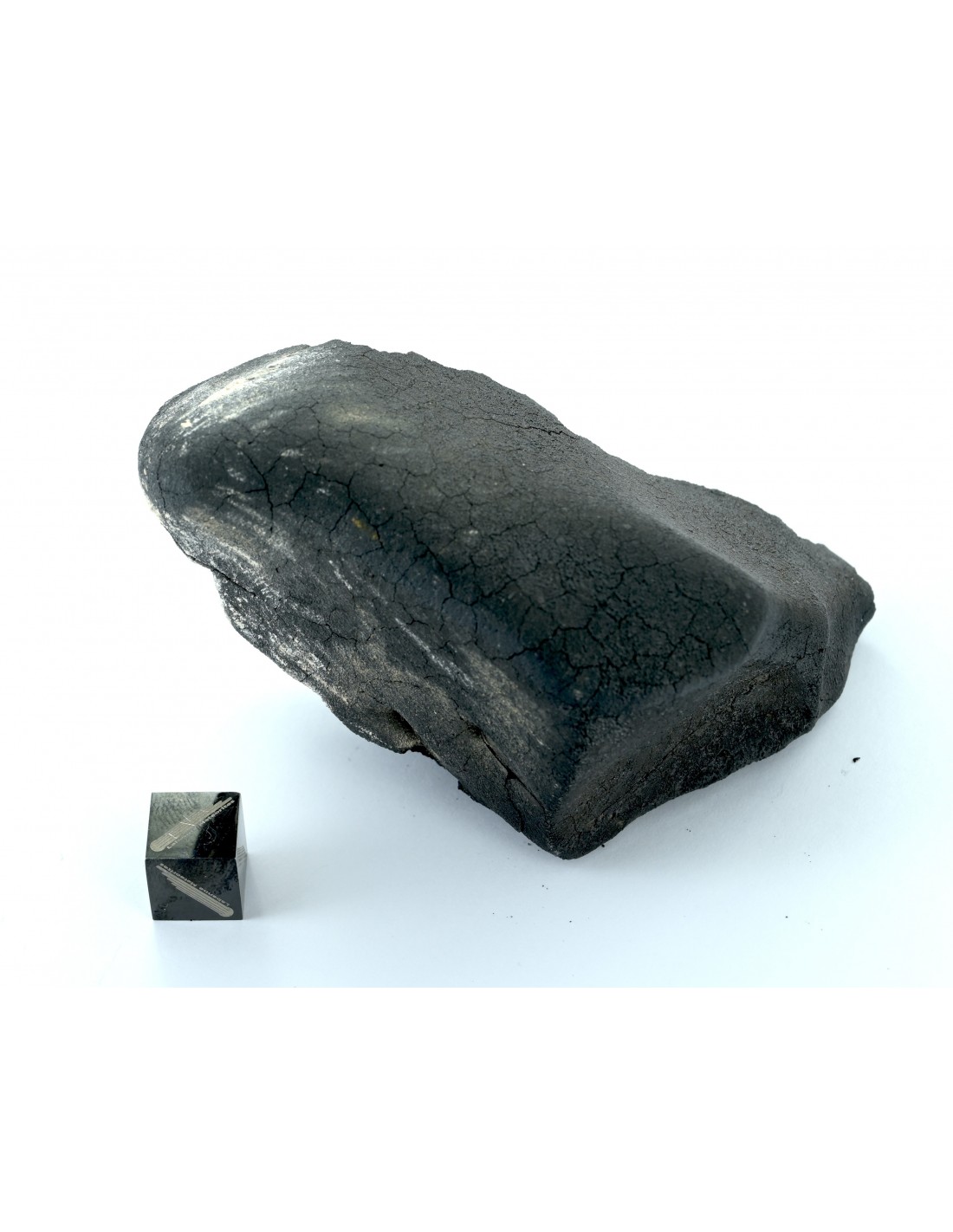
Rather than being an angular broken fragment, this piece has a coherent volume and a flowing silhouette. Its form helps make Tarda not only a scientifically important carbonaceous meteorite, but also an unusually expressive individual from a visual and morphological point of view.
Fresh Fusion Crust and Impact Marks
The meteorite preserves a fresh black fusion crust, an essential feature for a recent fall and one of the key elements supporting both its scientific and collector importance. The crust retains the visual evidence of atmospheric passage, while the pale marks visible on the surface reflect contact with the limestone ground at impact.
These white contrasting traces are especially important because they are not decorative accidents or later preparation marks: they belong to the event of the fall itself. The contrast between the dark fresh crust and the lighter impact marks gives the specimen an unusually vivid and immediate surface character.
A Scientifically Important C2-ungrouped Carbonaceous Chondrite
Tarda is classified as a C2-ungrouped carbonaceous chondrite, a designation that immediately places it among meteorites of high scientific interest. Carbonaceous chondrites are among the most primitive materials available from the early Solar System, and ungrouped specimens are especially important because they do not fit comfortably into the standard established carbonaceous groups.
The presence of aqueous alteration is one of the defining scientific qualities of this meteorite. It shows that the parent material interacted with water early in Solar System history, preserving evidence of processes that are essential to understanding primitive asteroidal matter and the evolution of volatile-rich bodies.
Collector Importance
This specimen brings together a combination of qualities that is rarely found in a single meteorite: main mass status, rare classification, fresh crust, oriented form, and visible impact history. For advanced collectors, this gives the piece far greater significance than a simple representative stone.
It is equally suited to an important private collection, a museum context, or an institutional collection focused on scientifically meaningful meteorites with strong visual individuality.
A Meteorite with Identity
Some meteorites are valuable for classification, others for form, and others for freshness. This Tarda combines all three dimensions. It is a major specimen not only because of what it is, but because of how clearly it shows its passage through the atmosphere, its contact with the ground, and its position as the principal recovered mass of the fall of 25 August 2020.
For that reason, this 149.50 g Tarda should be regarded as a singular specimen of both scientific and collector importance.